











Beyond Bluetooth: How Cellular Technology Is Redefining Home Health Monitoring
The Weakest Link Isn't the Sensor—It's the Signal
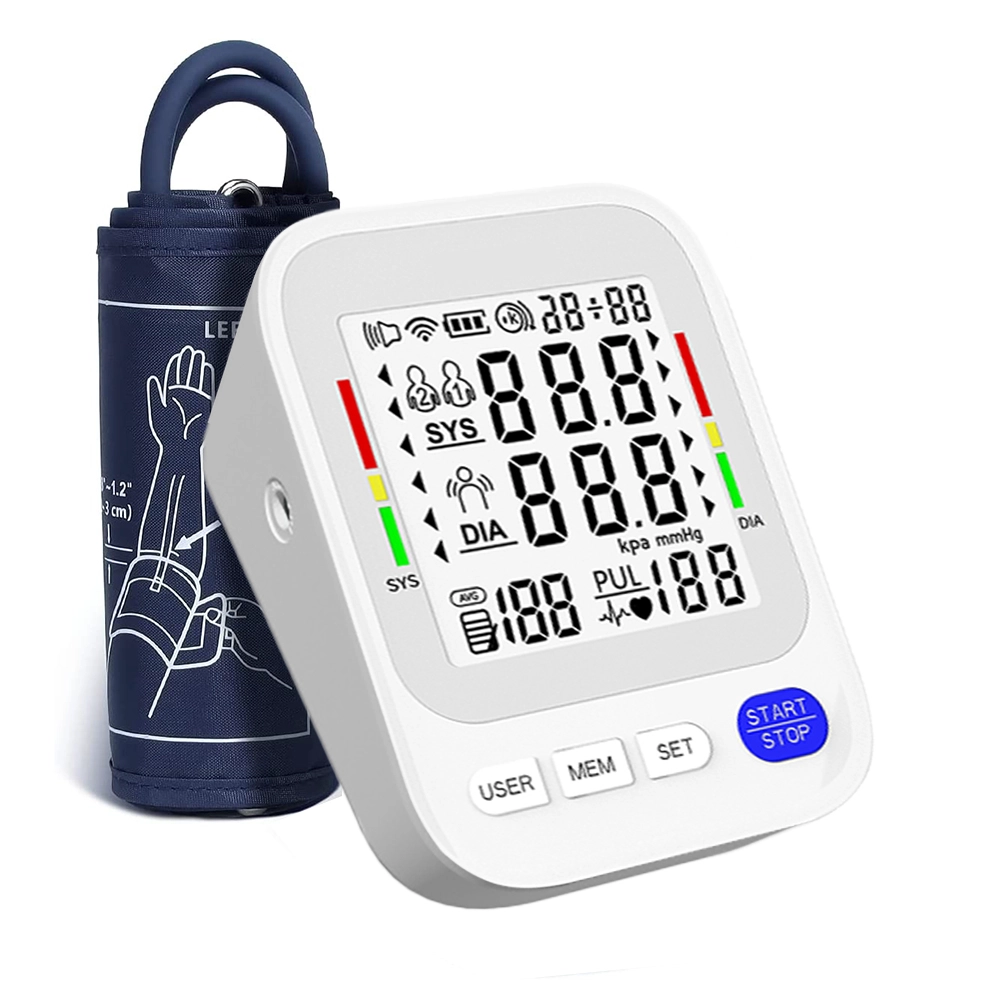
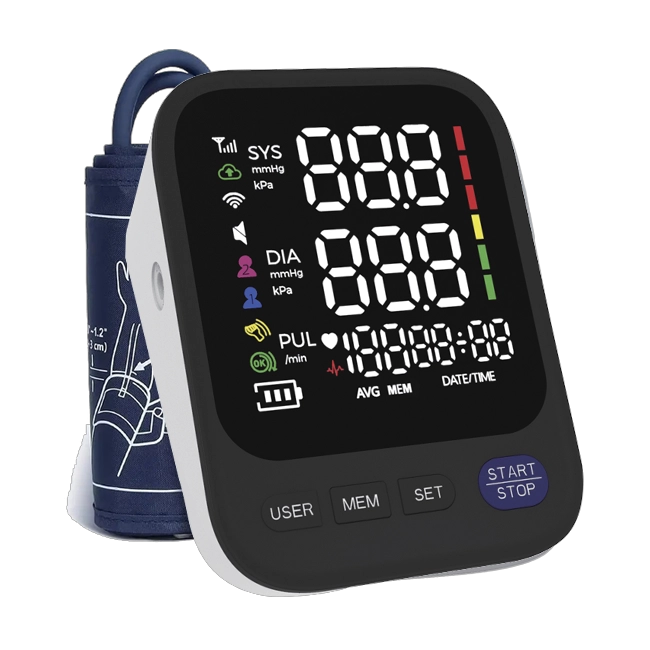
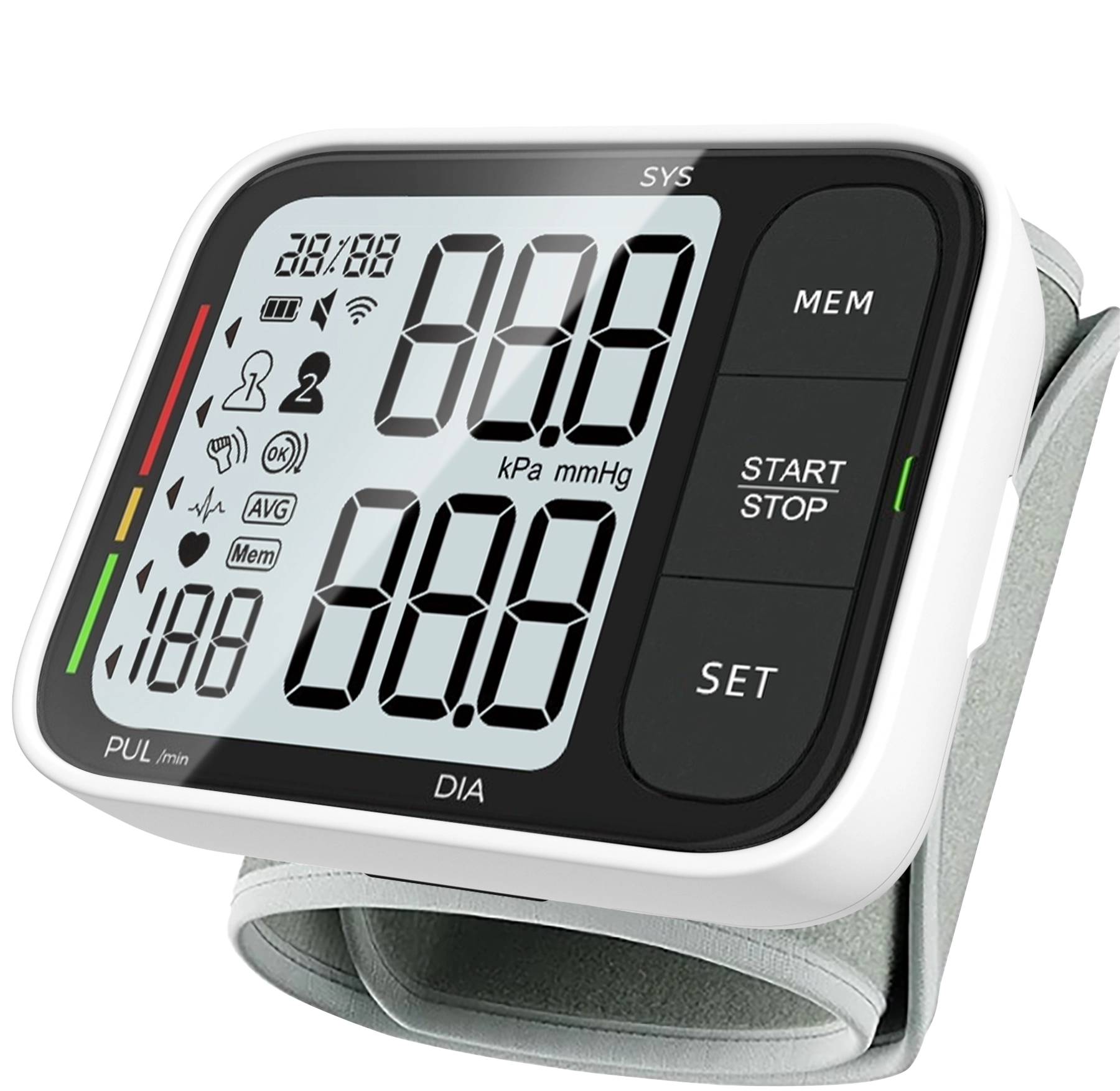
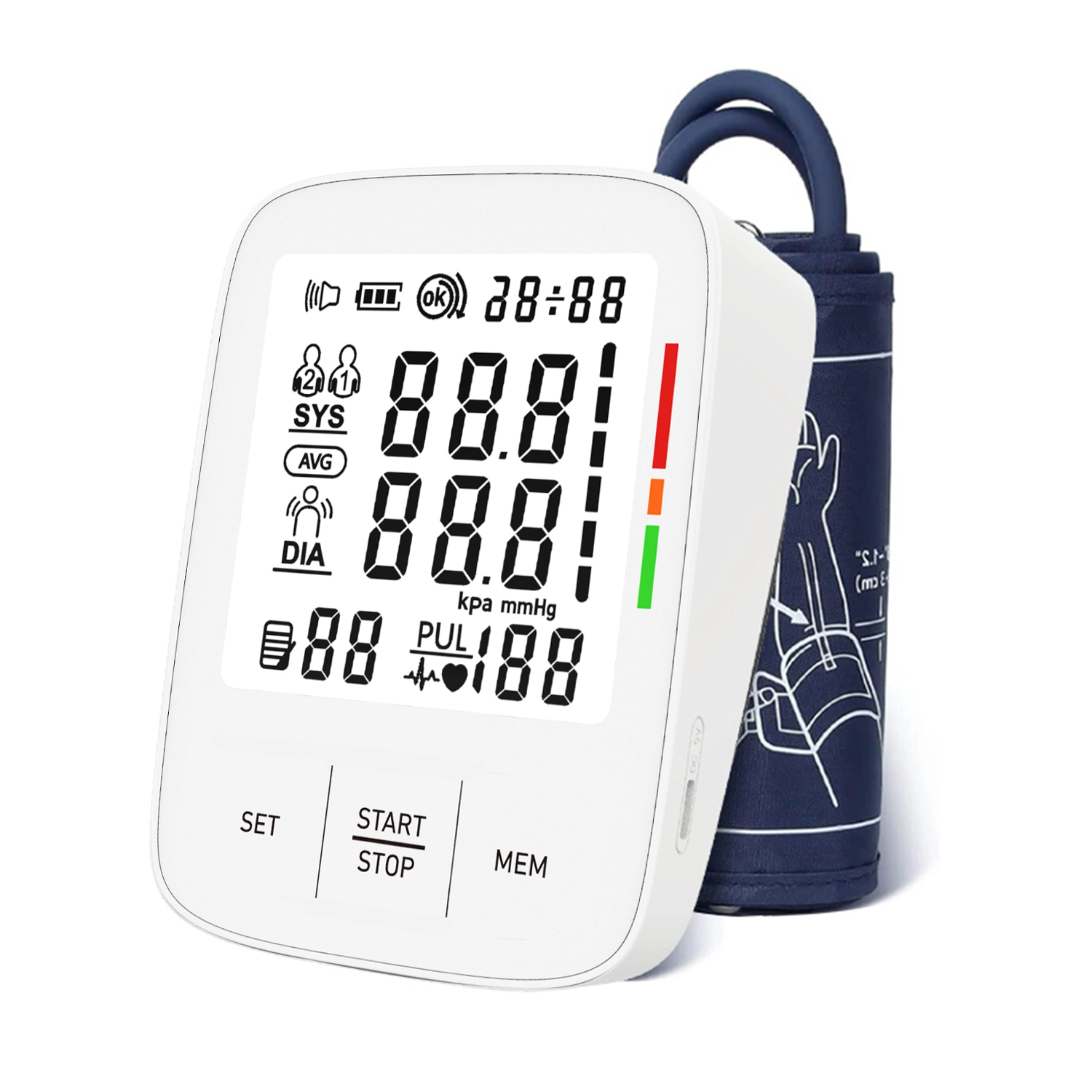
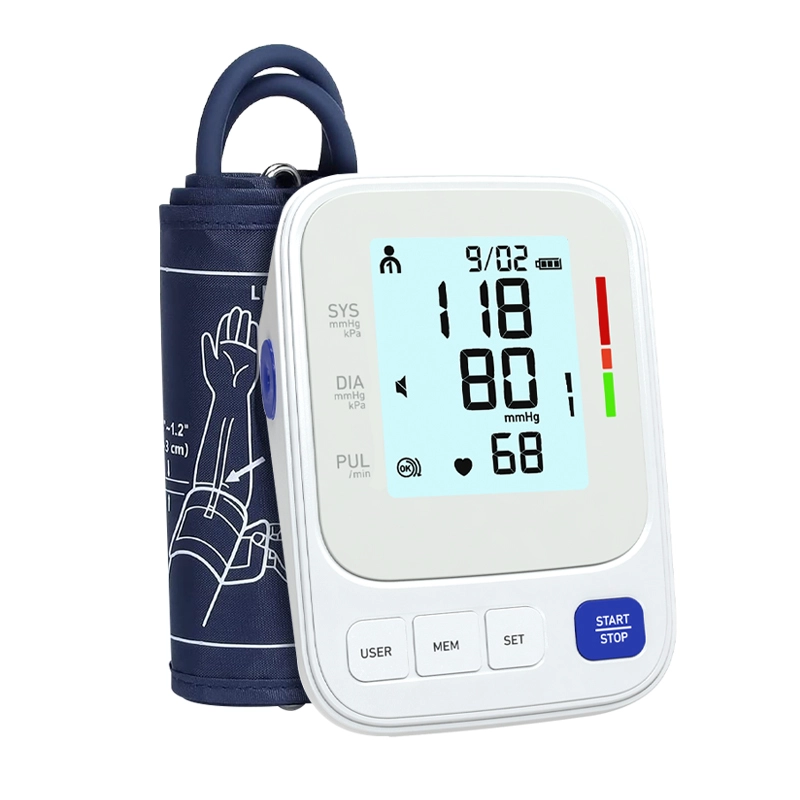
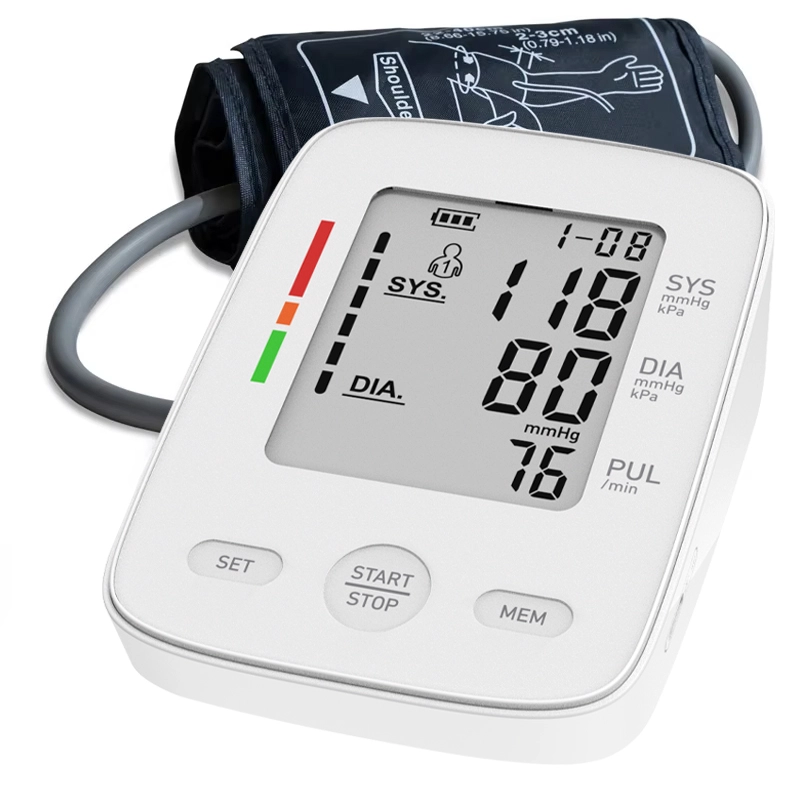
The promise of home health monitoring rests on one deceptively simple requirement: the data has to actually arrive. A blood pressure cuff with clinical-grade accuracy means nothing if its readings sit trapped on a device, waiting for a Bluetooth handshake that never comes. The real bottleneck in remote health isn't measurement—it's transmission. And for years, the industry has been building around connectivity models that were never designed for this job.
Why Bluetooth and Wi-Fi Were Always a Compromise
Bluetooth was built for short-range, intermittent communication between personal devices. Wi-Fi was built for high-throughput local networking. Neither was engineered for the specific demands of health telemetry: small packets of critical data that must be delivered reliably, continuously, and without user intervention.
With Bluetooth, every reading takes a detour. Data flows from the device to a paired smartphone, through an app, and then to the cloud. Each hop is a potential failure point. The phone runs out of battery. The app loses its background permissions after an OS update. The pairing silently breaks. For a tech-fluent user, these are minor annoyances. For an 80-year-old managing hypertension alone, they are barriers to care.
Wi-Fi introduces its own set of problems. Routers need configuration. Passwords expire or get forgotten. Network coverage inside a home can be uneven. And in underserved or rural areas, reliable broadband may not exist at all.
The result is predictable: device abandonment. Studies consistently show that the complexity of setup and maintenance is a leading reason patients stop using home monitoring equipment.
LTE-M: Infrastructure That Disappears
4G LTE-M represents a fundamentally different approach. Designed from the ground up for IoT applications, LTE-M prioritizes deep signal penetration, ultra-low power consumption, and minimal data overhead—exactly the profile that health monitoring demands.
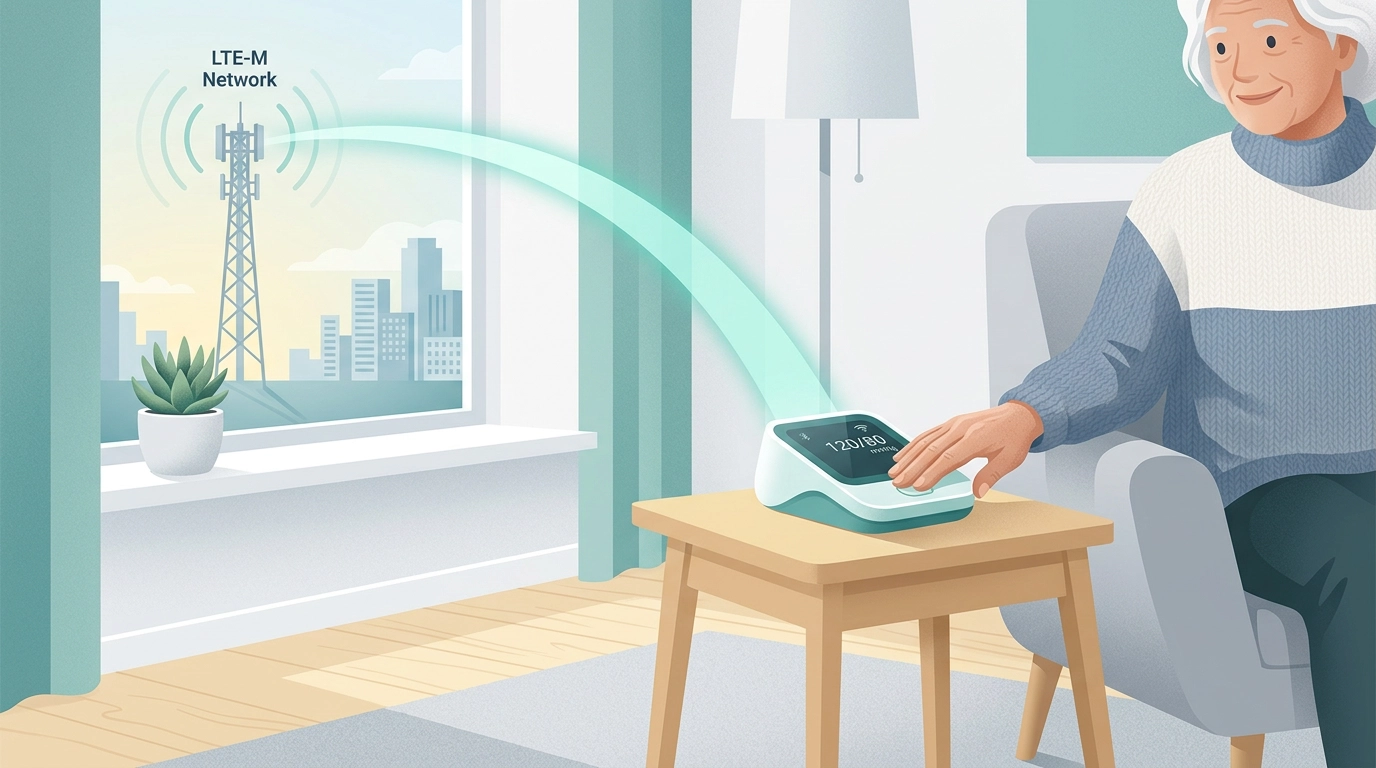
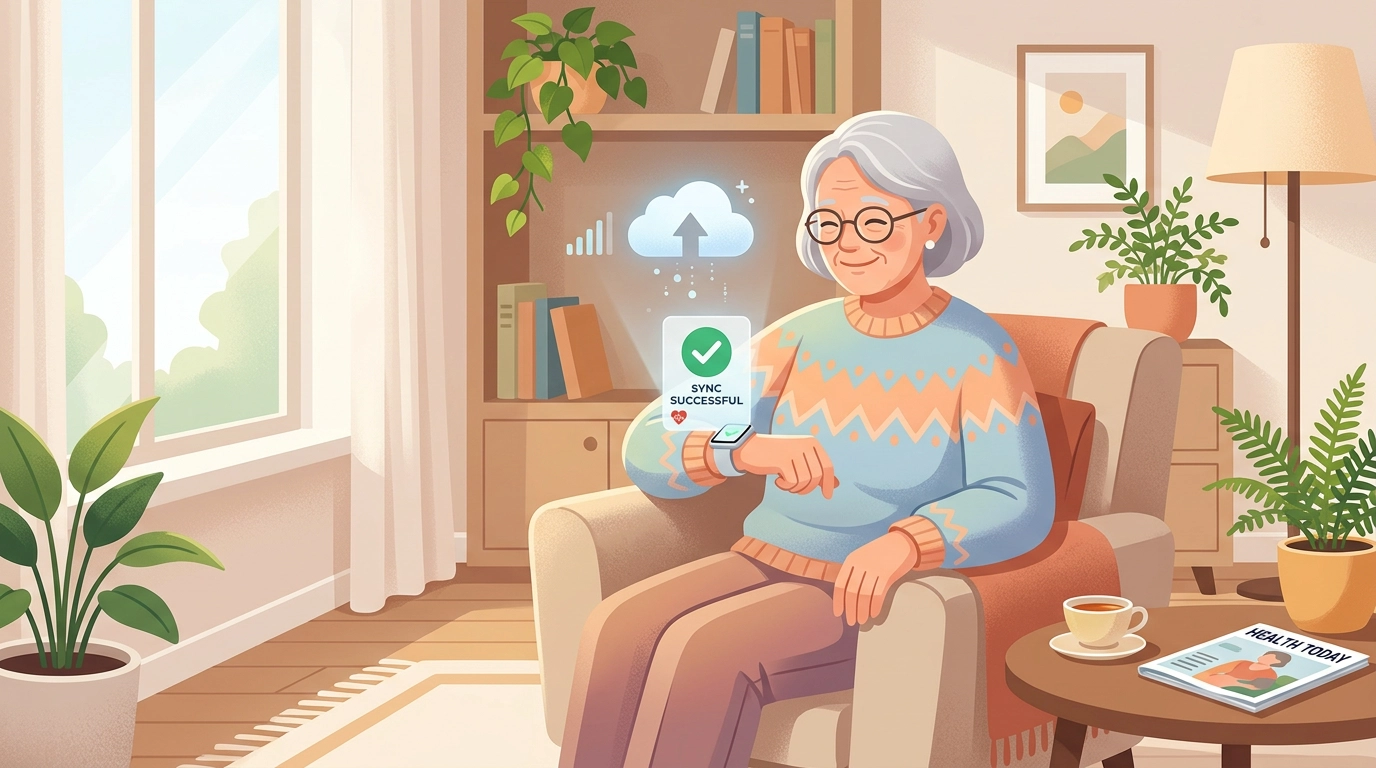
A device with an embedded LTE-M SIM requires no smartphone, no router, and no configuration. It powers on and connects. The cellular network becomes the invisible infrastructure layer, and the user experience reduces to a single action: take the measurement. Everything else happens automatically.
This is not a marginal improvement. It is the elimination of an entire category of failure modes.
Designing for the Most Vulnerable Users
Good technology serves its most constrained user, not its most capable one. When a monitoring device depends on a smartphone app, it implicitly assumes digital literacy, device ownership, and consistent engagement with software updates. These assumptions exclude precisely the populations that benefit most from remote monitoring: the elderly, the chronically ill, and those in resource-limited settings.
Cellular-connected devices invert this equation. By embedding connectivity into the hardware itself, they remove the requirement for any external technical competence. The device becomes self-sufficient—a closed loop between sensor and cloud. This is what human-centric design looks like in practice: not adding features, but removing obstacles.
From Fragmented Snapshots to Continuous Records
There is a downstream clinical consequence to unreliable transmission that is easy to overlook. When data arrives intermittently, clinicians are forced to make decisions based on incomplete records. A blood pressure trend with gaps is not just less useful—it can be actively misleading.
Cellular-connected devices transmit each reading the moment it is captured. There is no local buffer waiting to sync, no risk of overwritten memory, no dependence on the user remembering to open an app. The result is a continuous, time-stamped health record with far fewer gaps—exactly the kind of dataset needed to detect conditions like Atrial Fibrillation or to track the trajectory of a chronic condition over months.
The Trajectory Is Clear
The shift from Bluetooth and Wi-Fi to cellular connectivity in home health is not a feature upgrade. It is an architectural correction. The earlier generation of connected devices asked too much of the user and tolerated too much data loss. LTE-M resolves both problems simultaneously, and in doing so, moves home health monitoring closer to what it was always supposed to be: reliable, passive, and universally accessible.