












How Smart Blood Pressure Monitors and Infrared Thermometers Are Reshaping Home Healthcare in 2026
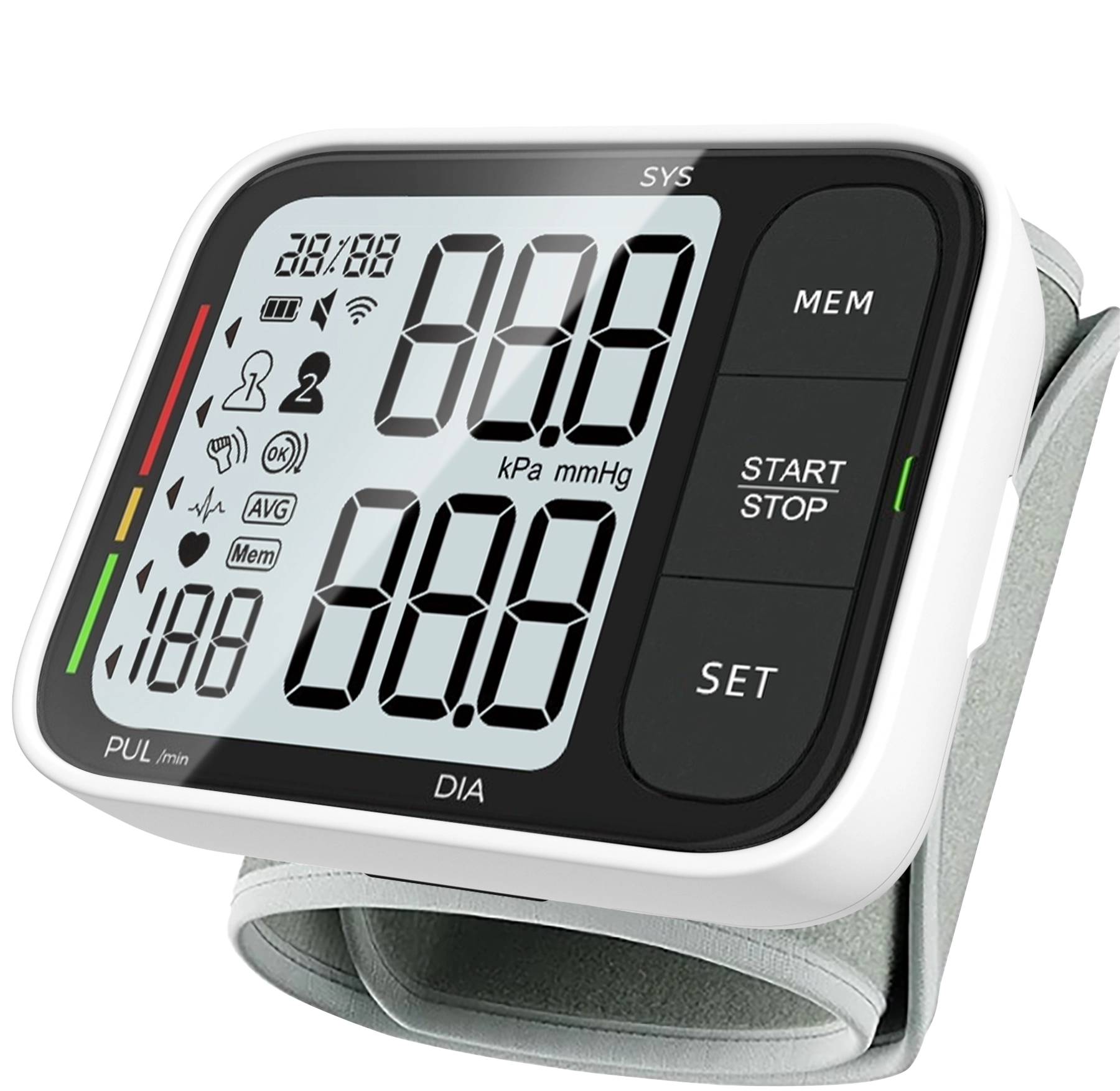
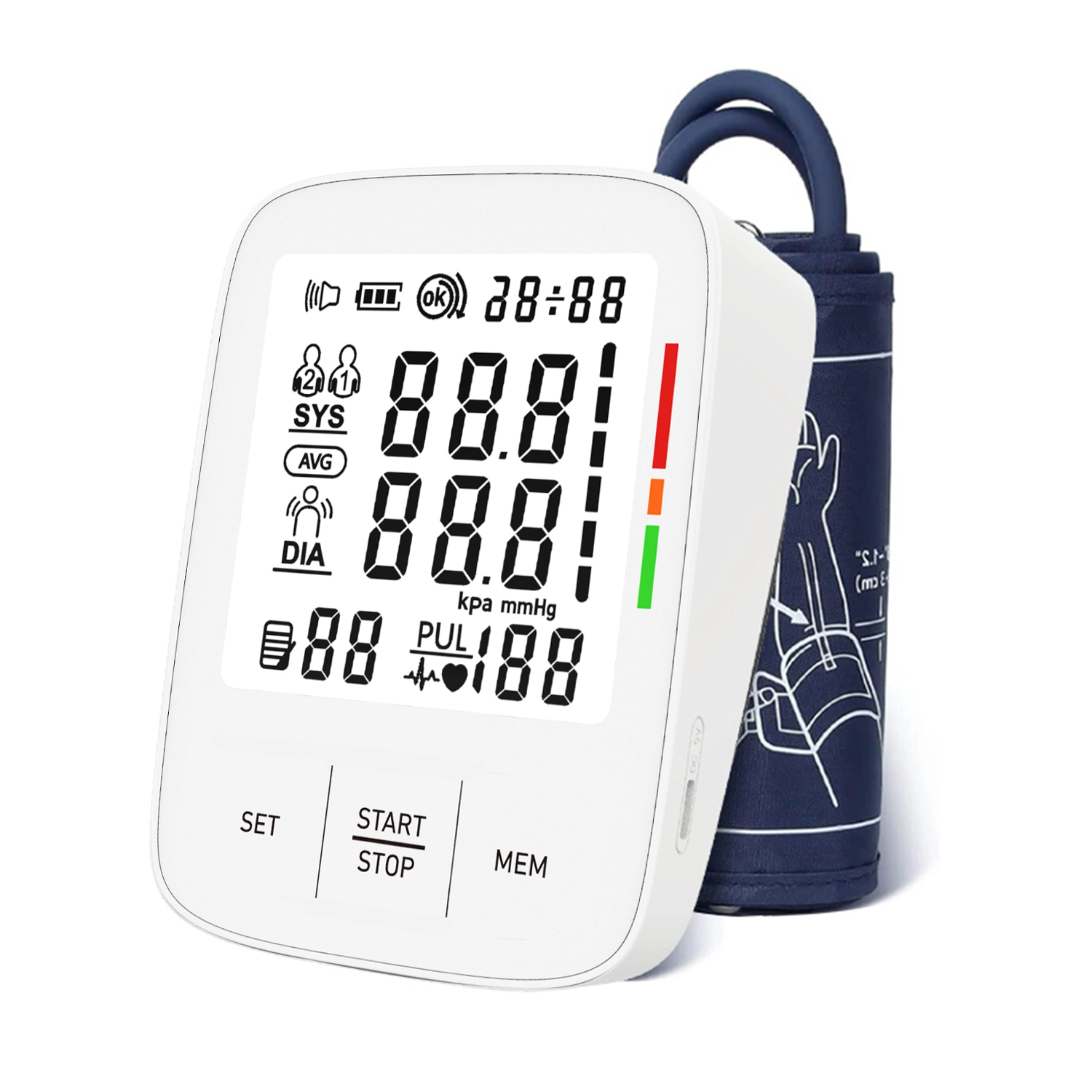
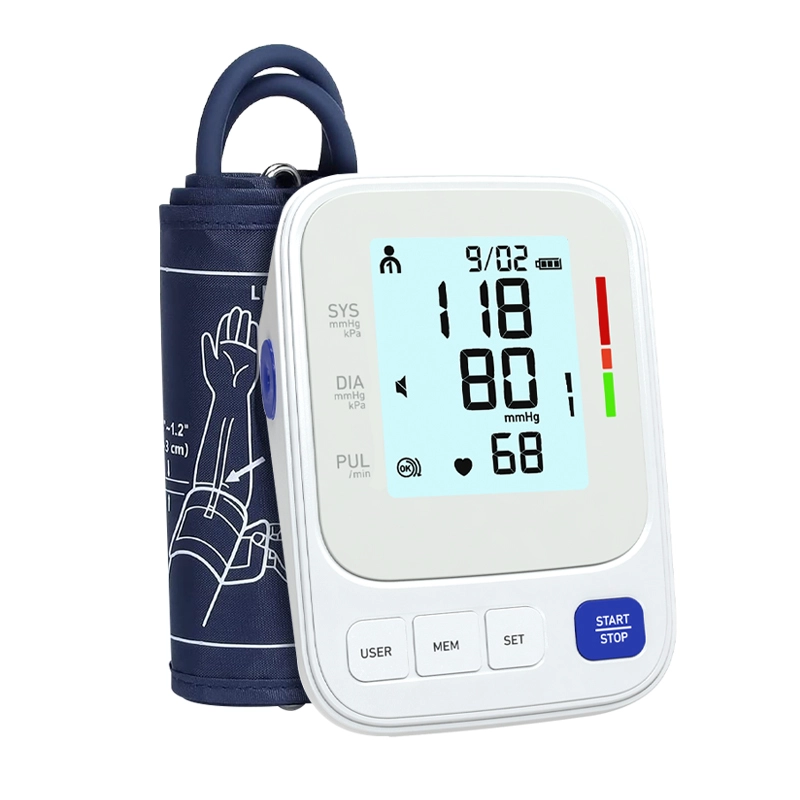
Remote patient monitoring is no longer a concept reserved for hospitals and clinics. With the rapid advancement of connected health technology, devices like the smart blood pressure monitor and the digital infrared thermometer have become central to how families manage wellness at home. In 2026, these two categories of home medical devices are smarter, more accurate, and more accessible than ever before.
How Clinically Validated Blood Pressure Monitors Are Changing Daily Health Routines
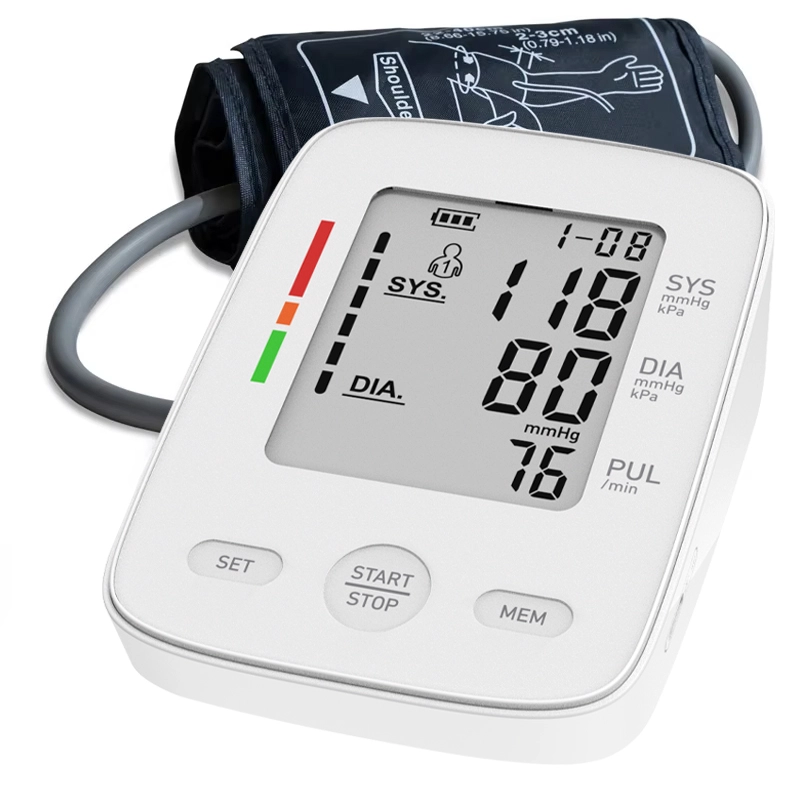
Millions of adults worldwide live with undiagnosed or poorly managed hypertension. A reliable home blood pressure monitor bridges the gap between doctor visits, giving individuals the ability to track their cardiovascular health in real time. But not all monitors are created equal, and clinical validation has become the most important factor when choosing the right device.
Clinical validation means a blood pressure monitor for home use has been independently tested against recognized standards such as ISO 81060-2 and the European Society of Hypertension protocol. These tests confirm that the device delivers accurate readings across a representative population. Devices that carry this certification provide confidence that the numbers on the screen reflect genuine cardiovascular status.
However, many consumers are unaware that basic validation may not cover all patient groups. A blood pressure monitor validated for a general adult population may not give accurate readings for pregnant women, individuals with diabetes, or patients with arrhythmia. When selecting a clinically validated blood pressure monitor, it is important to check whether the device has been specifically tested for your health profile.
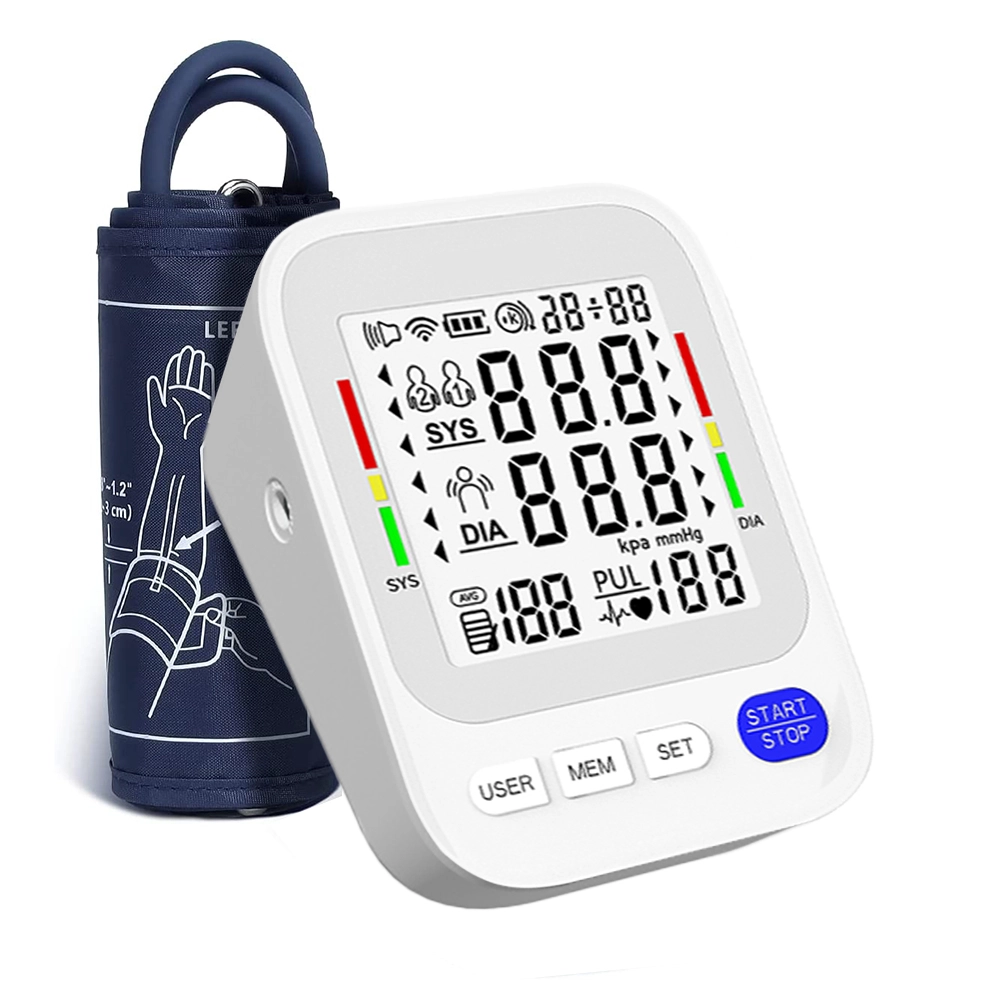
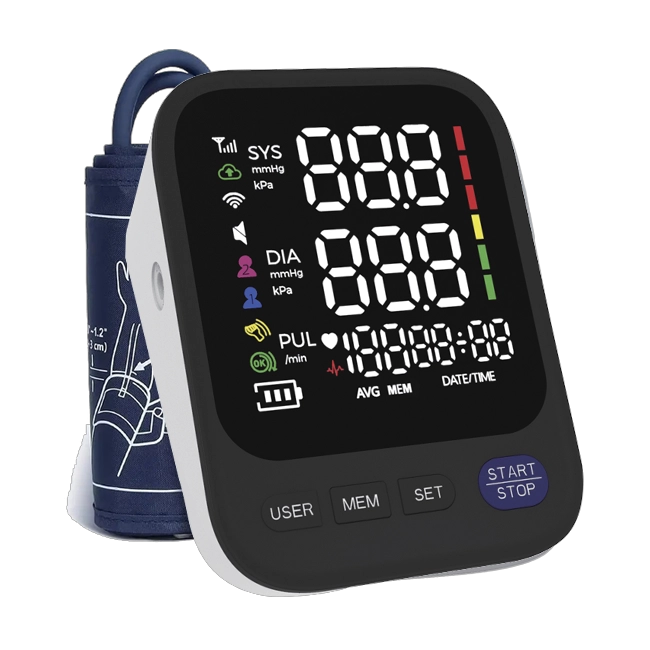
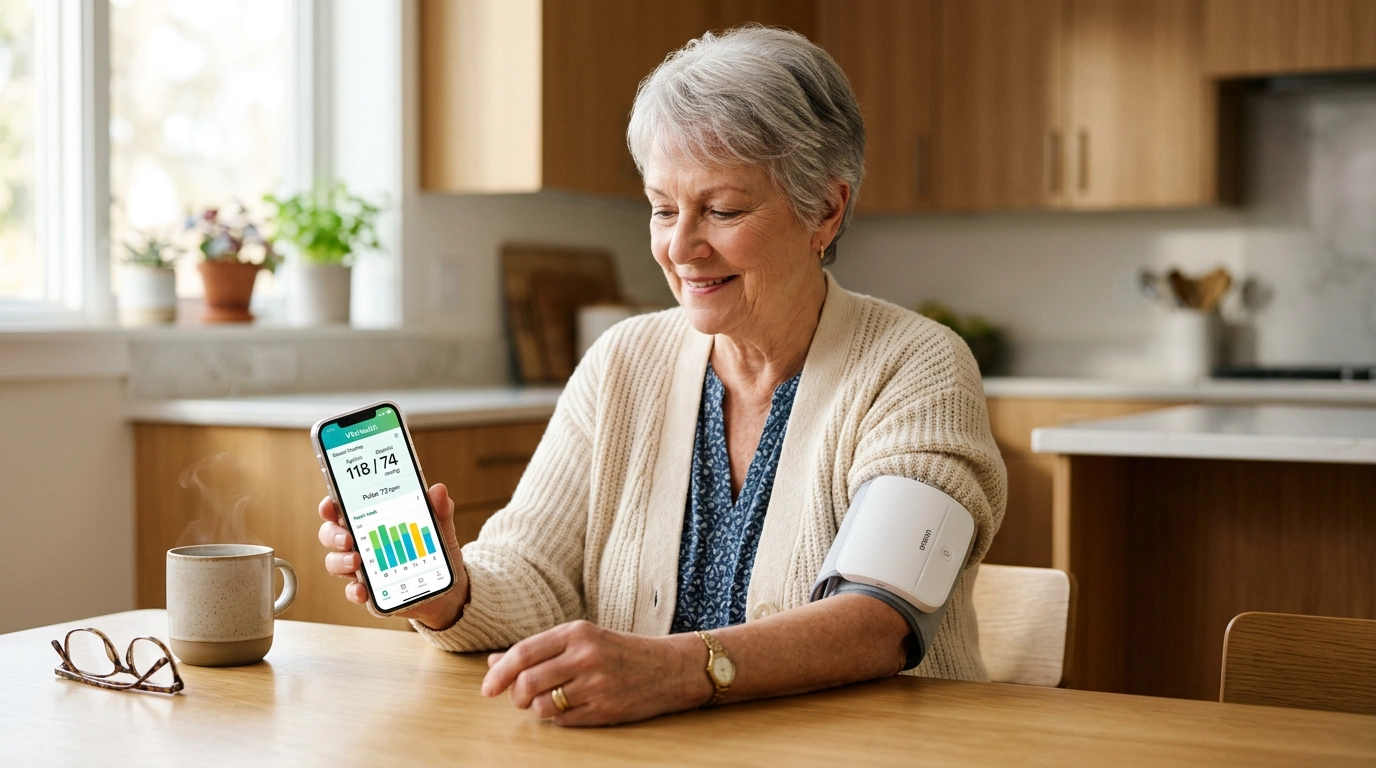
The latest generation of Bluetooth blood pressure monitors now integrates directly with smartphone apps and telehealth platforms. This connectivity allows patients to share weeks or months of blood pressure data with their healthcare provider before an appointment, turning every telemedicine visit into a data-driven conversation. Brands like OMRON, Microlife, and Withings lead this space with upper arm blood pressure monitors that pair seamlessly with iOS and Android devices.
For accurate home blood pressure readings, experts recommend a consistent routine. Measure at the same time each morning and evening. Sit with your back supported, feet flat on the floor, and your arm resting at heart level. Avoid caffeine, exercise, and smoking for at least 30 minutes beforehand. Take two consecutive readings one minute apart and log the average. These simple steps can significantly improve the reliability of an at-home blood pressure monitor.
The Rise of Contactless Infrared Thermometers for Family Health Monitoring
While blood pressure monitoring addresses cardiovascular risk, temperature screening plays an equally vital role in early illness detection. The non-contact infrared thermometer has evolved from a clinical screening tool into an everyday household device that parents, caregivers, and seniors rely on daily.
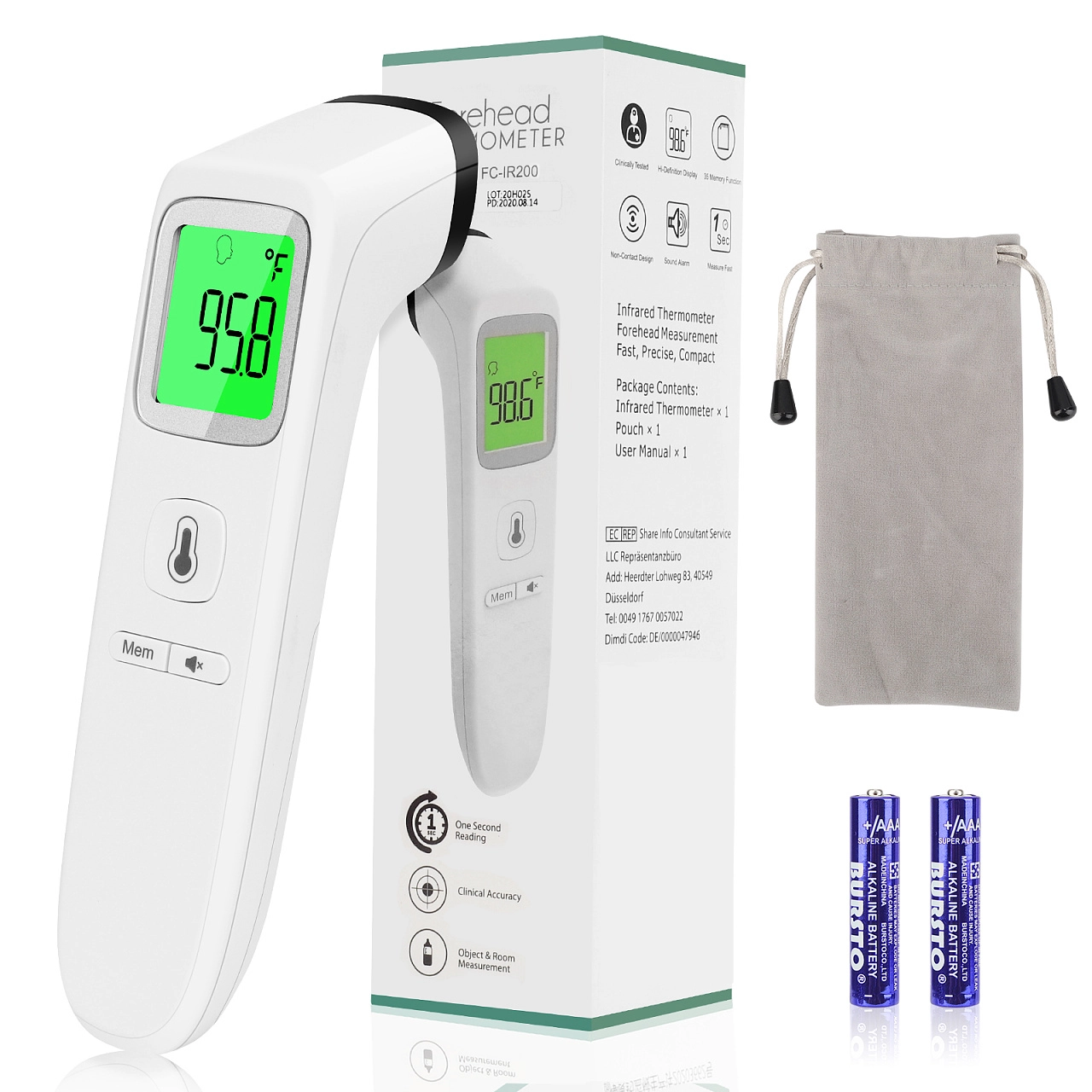
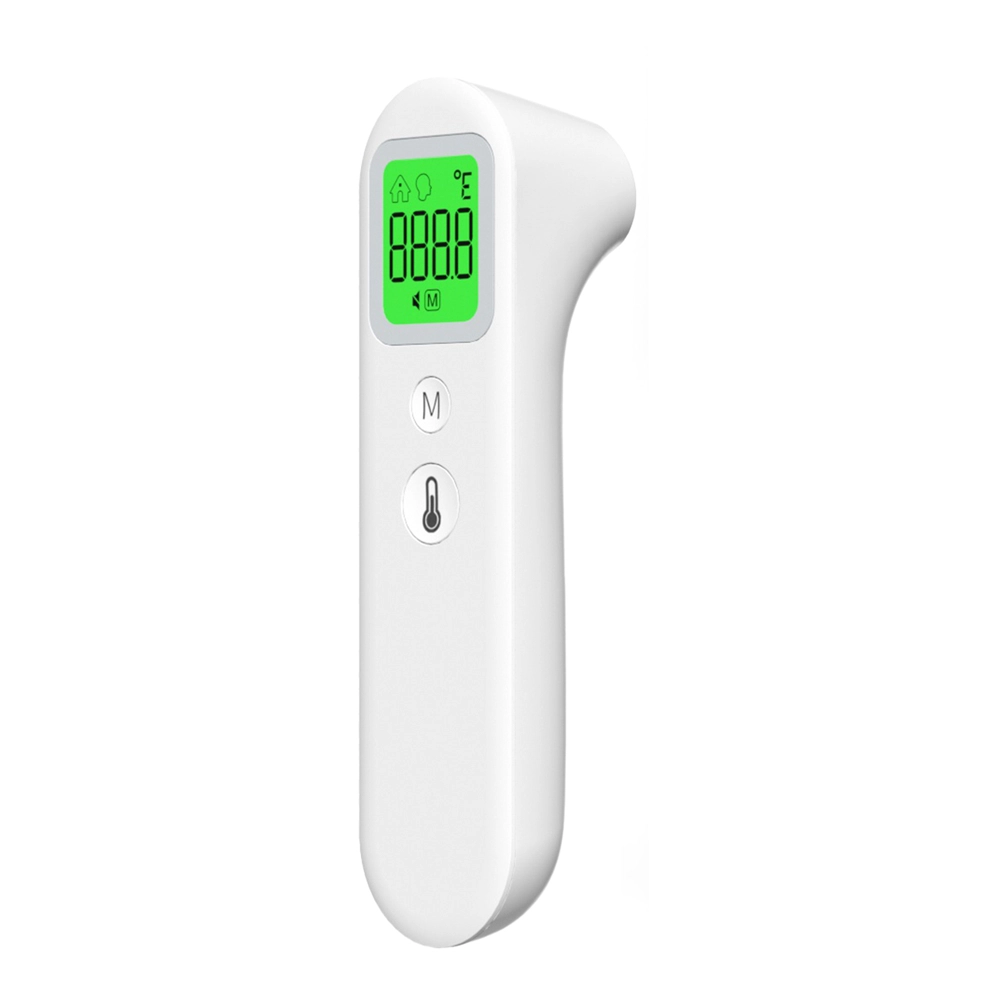
A forehead infrared thermometer captures thermal radiation from the skin surface and converts it into a temperature reading within one to two seconds. This speed and the absence of physical contact make it particularly suited for checking a sleeping child, screening family members during flu season, or monitoring an elderly parent without discomfort.
Accuracy remains the most discussed topic around infrared thermometers for home use. Independent studies confirm that non-contact infrared thermometers show strong correlation with traditional rectal and axillary methods, but readings can be influenced by ambient temperature, perspiration, and even the emotional state of the subject. For reliable results with a digital infrared thermometer, manufacturers recommend measuring in a stable indoor environment, ensuring the forehead is dry and uncovered, and averaging two to three consecutive readings.
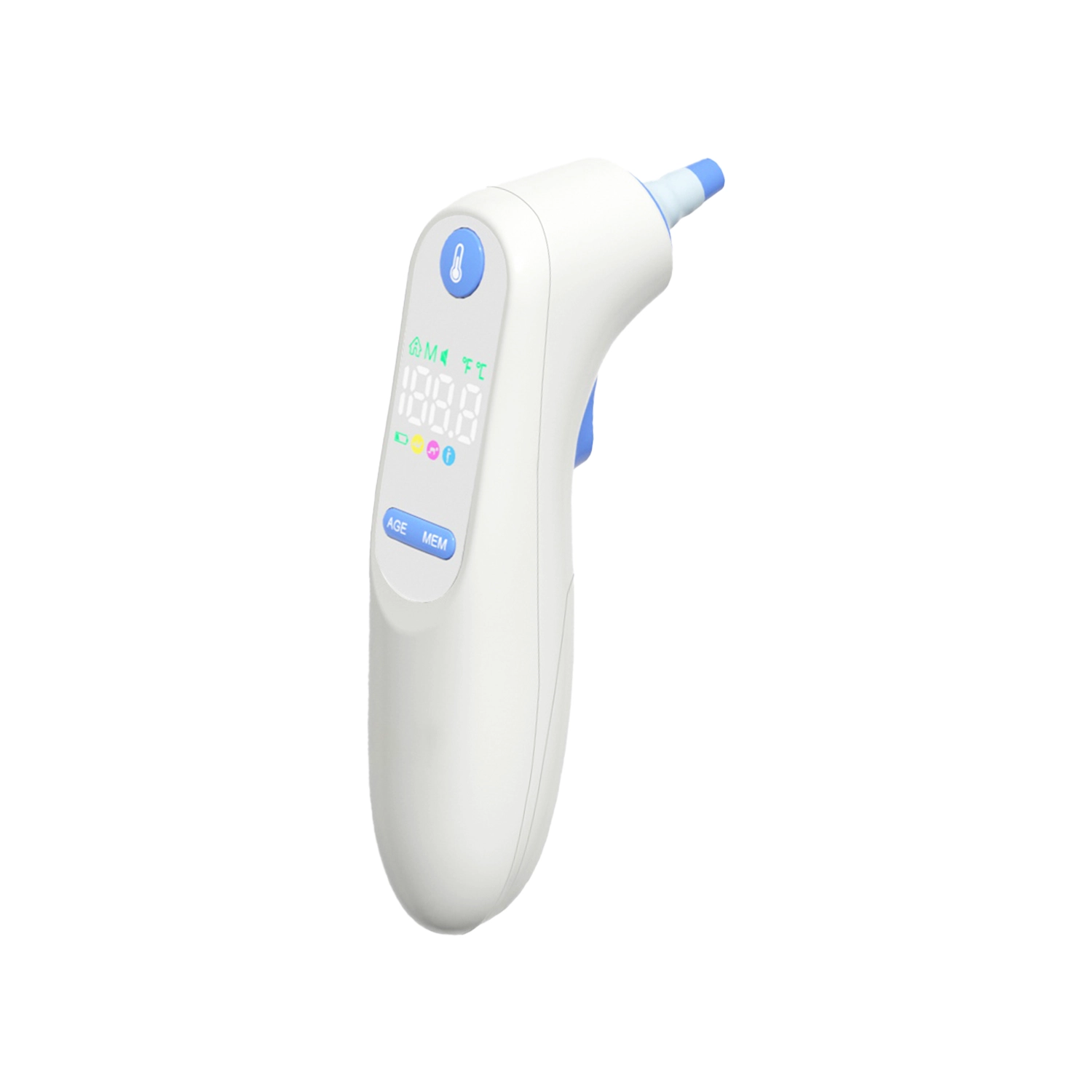
The 2026 generation of medical grade infrared thermometers incorporates several user-friendly improvements. Multi-mode functionality allows a single device to measure forehead, ear, and ambient temperatures. Color-coded fever alert systems use green, yellow, and red indicators so that even non-medical users can quickly interpret results. Memory storage for up to 40 readings enables trend tracking across several days, which is especially useful for monitoring a child recovering from an infection.
Product reviewers highlight the GoodBaby FC-IR202 as one of the most accurate touchless infrared thermometers available in 2026, while the Frida Baby 3-in-1 remains a top choice for families with young children. Budget-conscious buyers frequently choose the Vicks SpeedRead for its balance of affordability and performance.

Connecting the Dots: Remote Monitoring for the Whole Family
The real power of modern home healthcare devices emerges when they work together as part of a connected health ecosystem. A wireless blood pressure monitor that syncs with a health app alongside an infrared thermometer with data logging creates a comprehensive picture of family health that can be shared with physicians instantly.
For caregivers managing the health of aging parents, smart blood pressure monitors with alert functions can send immediate notifications when readings fall outside safe ranges. Combined with a contactless infrared thermometer for daily temperature checks, these tools help caregivers detect abnormal patterns early and respond before a minor issue becomes a medical emergency.
When building a home health monitoring kit in 2026, prioritize these features. For blood pressure monitors, choose an upper arm model with clinical validation, Bluetooth connectivity, and multi-user memory. For infrared thermometers, invest in a non-contact forehead thermometer with multi-mode capability, backlit display, and fever alert indicators. Together, these devices deliver hospital-grade health insights at a fraction of the cost.
The shift toward preventive home healthcare is not a passing trend. It reflects a fundamental change in how individuals and families take ownership of their well-being. The right blood pressure monitor for home use and the right infrared thermometer are not just convenient gadgets. They are essential tools for informed, proactive health management in a world that increasingly values early detection and personalized care.