












Why Home Blood Pressure Monitors Are Essential for Modern Health Management in 2026
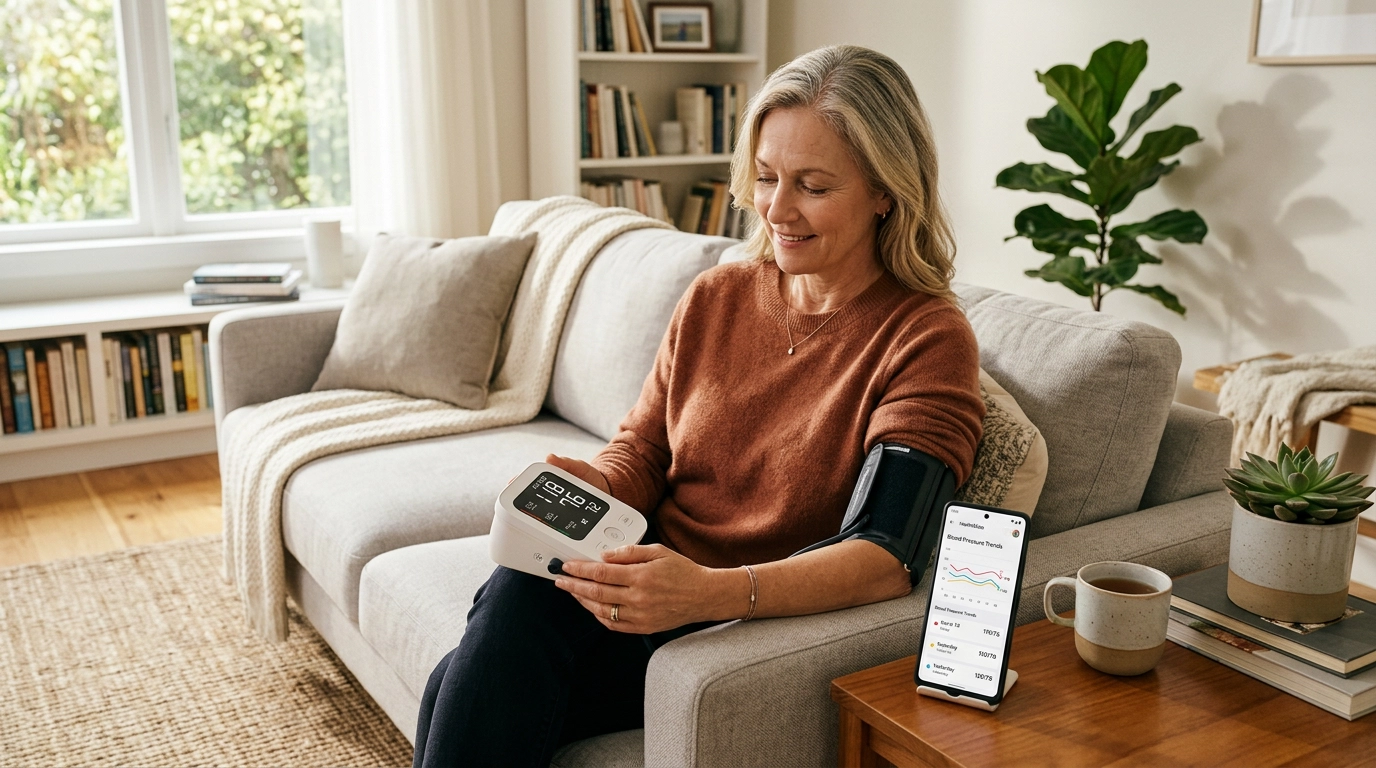
Hypertension remains one of the most widespread chronic conditions affecting adults worldwide, and home blood pressure monitors have become an indispensable tool for millions of people managing this silent but dangerous condition. As healthcare systems shift toward decentralized patient monitoring and preventive care, the home blood pressure monitor has moved from a clinical accessory to a household necessity sitting alongside thermometers and first-aid kits in family medicine cabinets everywhere.
The global blood pressure monitoring devices market was valued at $2.27 billion in 2025 and is projected to reach $5.02 billion by 2035, expanding at an 8.26% compound annual growth rate. For medical device distributors, OEM buyers, and retail brands, this growth trajectory represents a significant commercial opportunity. Understanding the technology, consumer expectations, and sourcing landscape is critical for anyone looking to build or expand a home blood pressure monitor product line in 2026.
The Growing Urgency of Home Blood Pressure Monitoring
The World Health Organization estimates that 1.28 billion adults aged 30 to 79 live with hypertension globally, yet nearly half remain undiagnosed. Home blood pressure monitors bridge this gap by enabling regular self-measurement outside clinical settings, catching elevated readings that might be missed during infrequent doctor visits.
Clinical guidelines from the American Heart Association and the European Society of Hypertension now explicitly recommend home blood pressure monitoring as a standard component of hypertension management. These guidelines emphasize that readings taken at home are often more representative of a patient's true blood pressure than measurements taken in a clinical environment, where white-coat hypertension can inflate results by 10 to 30 mmHg.
This clinical endorsement has accelerated consumer adoption. North America leads the market with a 37.44% share, driven by established healthcare infrastructure and high awareness levels. Asia Pacific is the fastest-growing region, fueled by rising health consciousness, increasing disposable incomes, and expanding access to digital health tools in countries like China, India, and Southeast Asian nations.
Technology Advancements Redefining Accuracy and Usability
The home blood pressure monitor market in 2026 looks dramatically different from just five years ago. Technological innovation has transformed these devices from simple squeeze-and-read instruments into sophisticated health monitoring platforms.
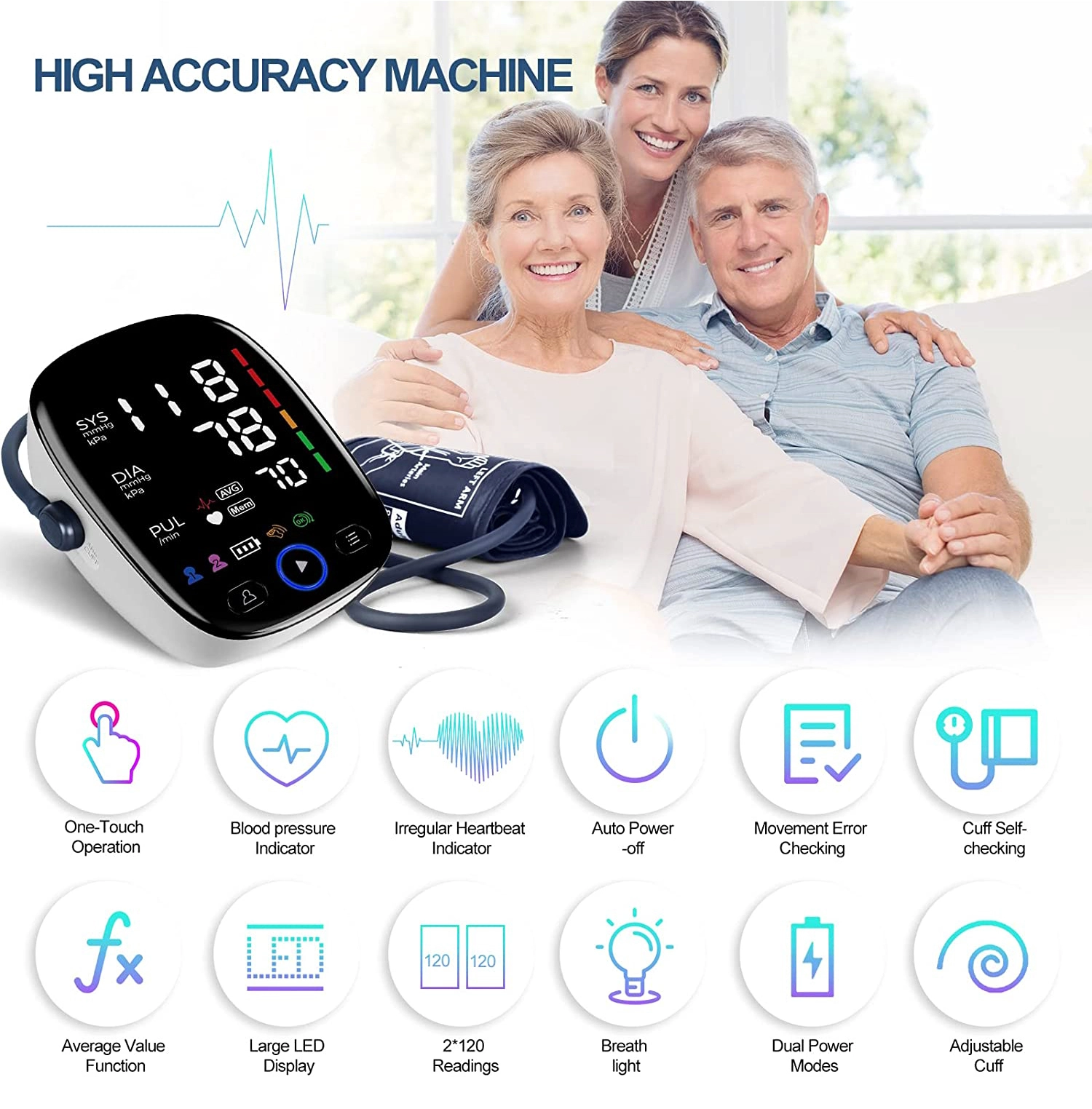
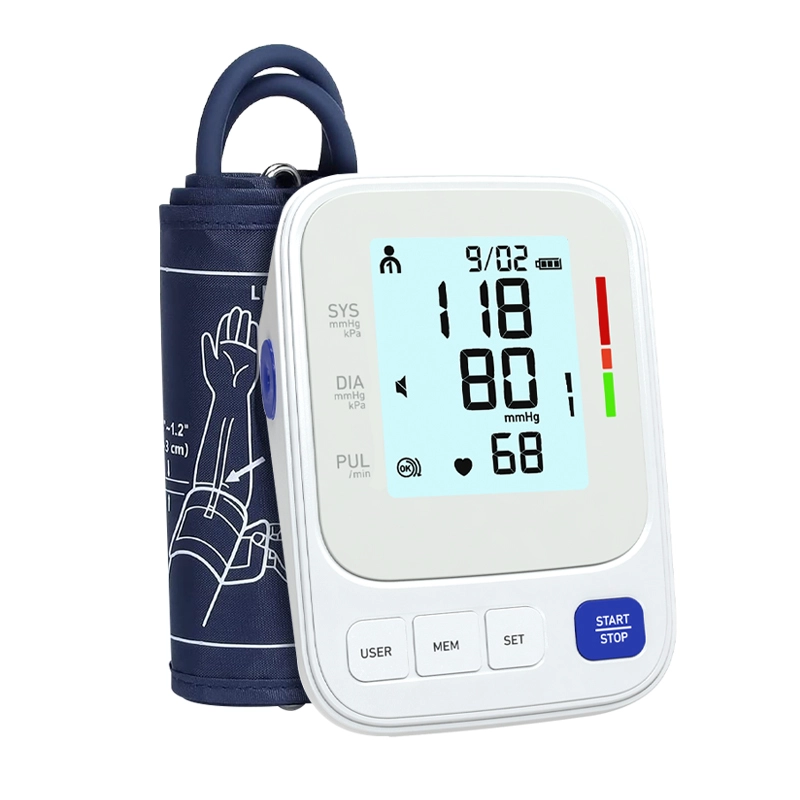
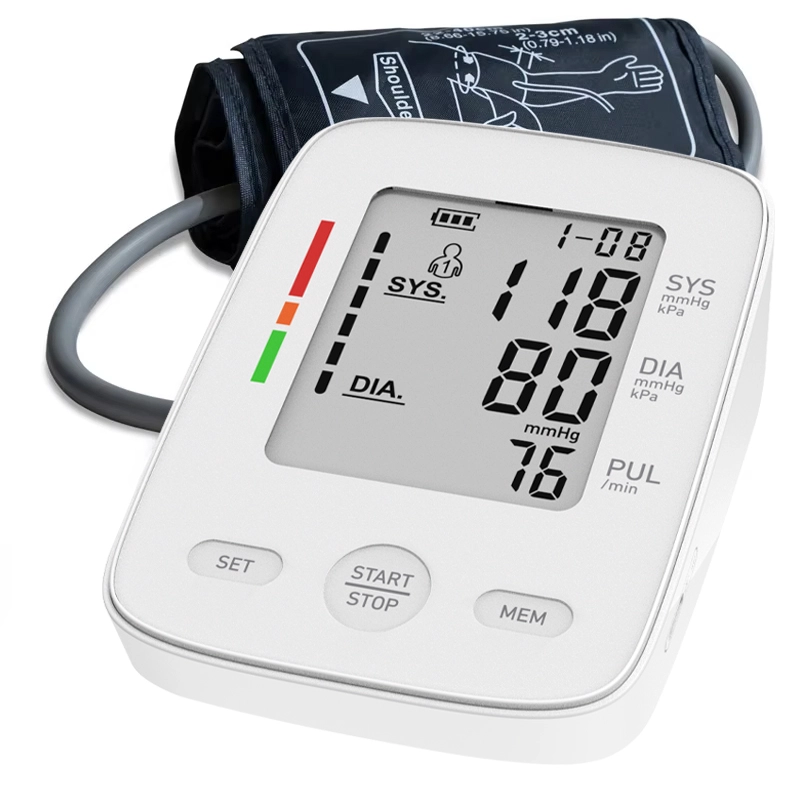
Oscillometric Measurement with Clinical-Grade Accuracy: Modern digital blood pressure monitors use advanced oscillometric sensors that detect arterial pressure waves through an inflatable cuff. Leading devices achieve accuracy within plus or minus 3 mmHg for pressure and plus or minus 5% for pulse rate, meeting the stringent validation protocols established by the Association for the Advancement of Medical Instrumentation and the European Society of Hypertension International Protocol.
Automated Inflation Technology: Contemporary home blood pressure monitors feature intelligent inflation systems that automatically adjust cuff pressure based on the individual user's blood pressure range. This eliminates the discomfort of over-inflation and reduces measurement time, making the monitoring experience more comfortable and encouraging consistent daily use.
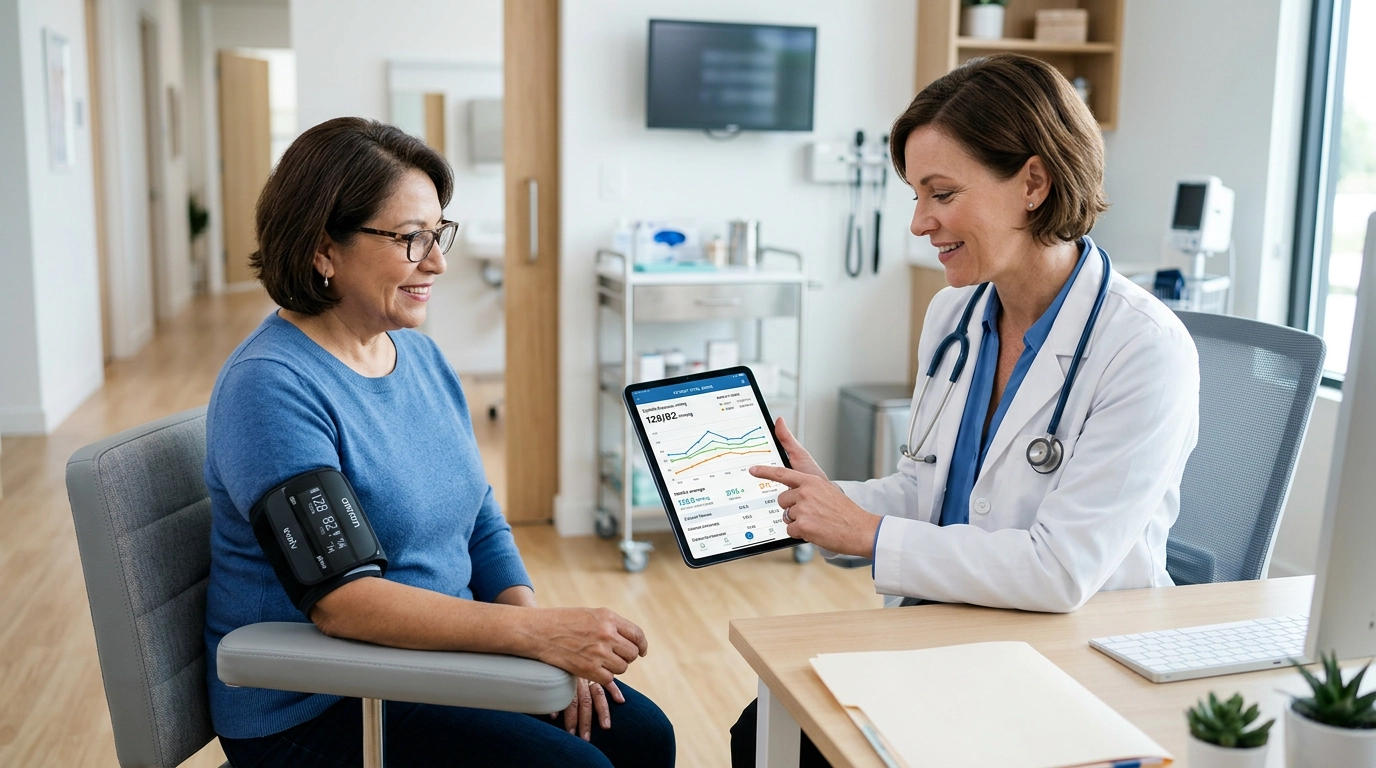
Bluetooth and Wi-Fi Connectivity: Wireless data transfer has become a standard feature in mid-range and premium home blood pressure monitors. Users can sync readings directly to smartphone health applications, building comprehensive blood pressure logs that track trends over weeks and months. Healthcare providers can access these logs remotely, enabling telehealth consultations based on real home measurement data rather than single-point clinic readings.
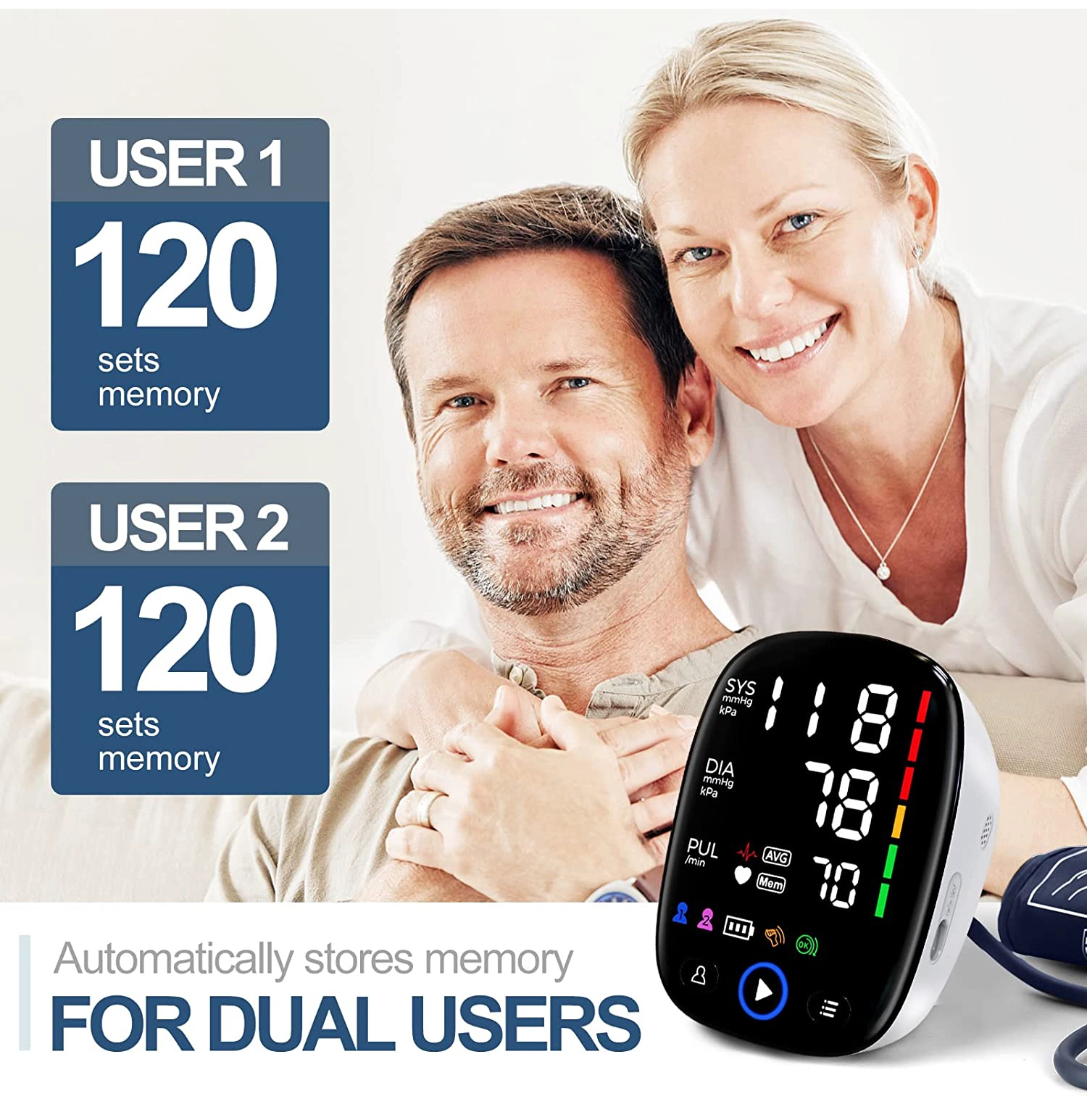
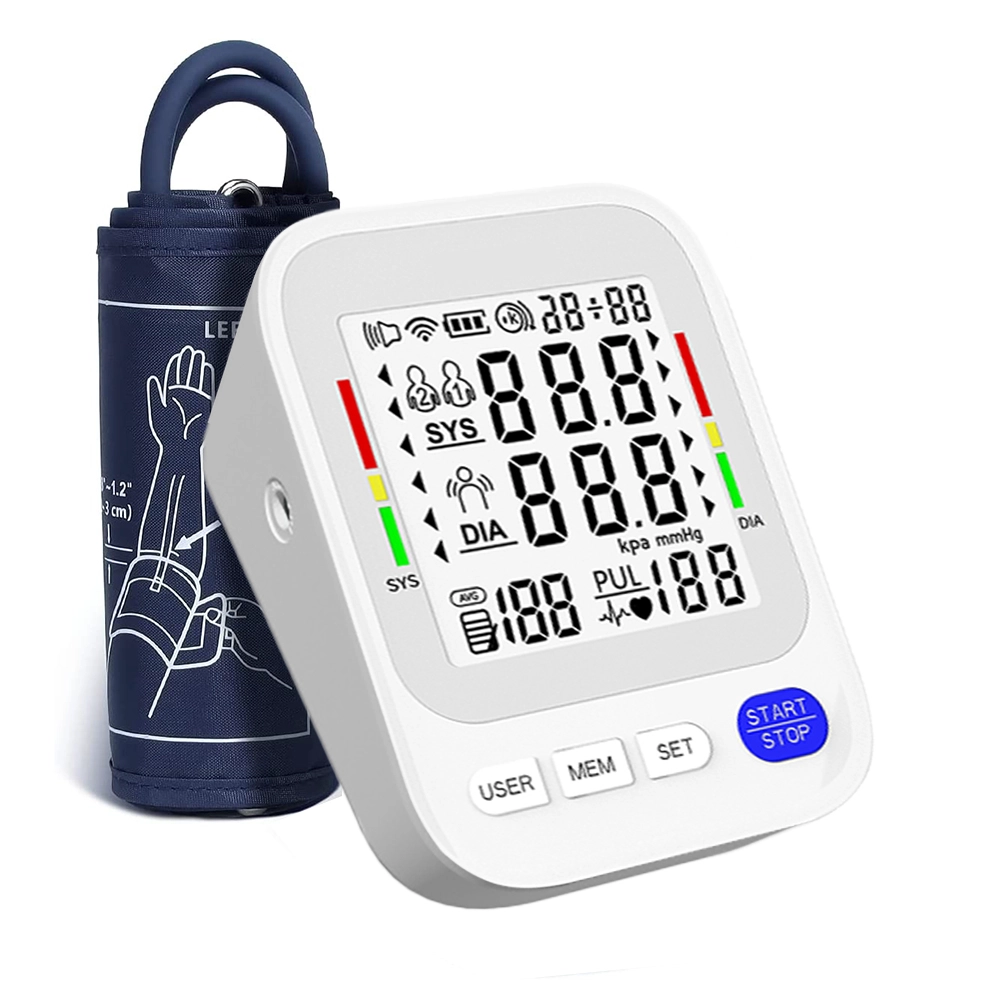
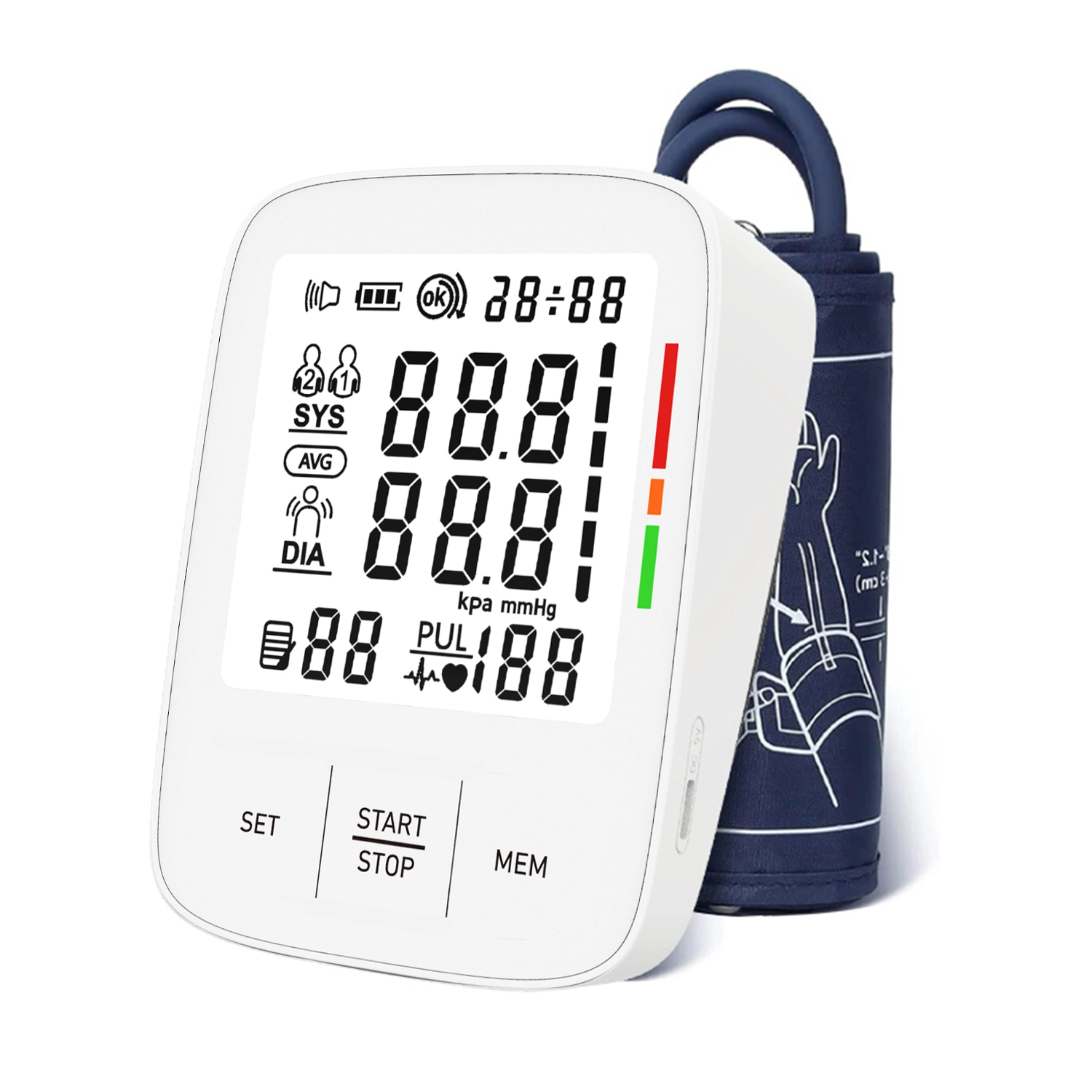
Multi-User Profiles: Family-oriented blood pressure monitors now support two or more user profiles, each with independent memory storage for 60 to 120 readings. This allows multiple household members to track their blood pressure on a single device without mixing their historical data.
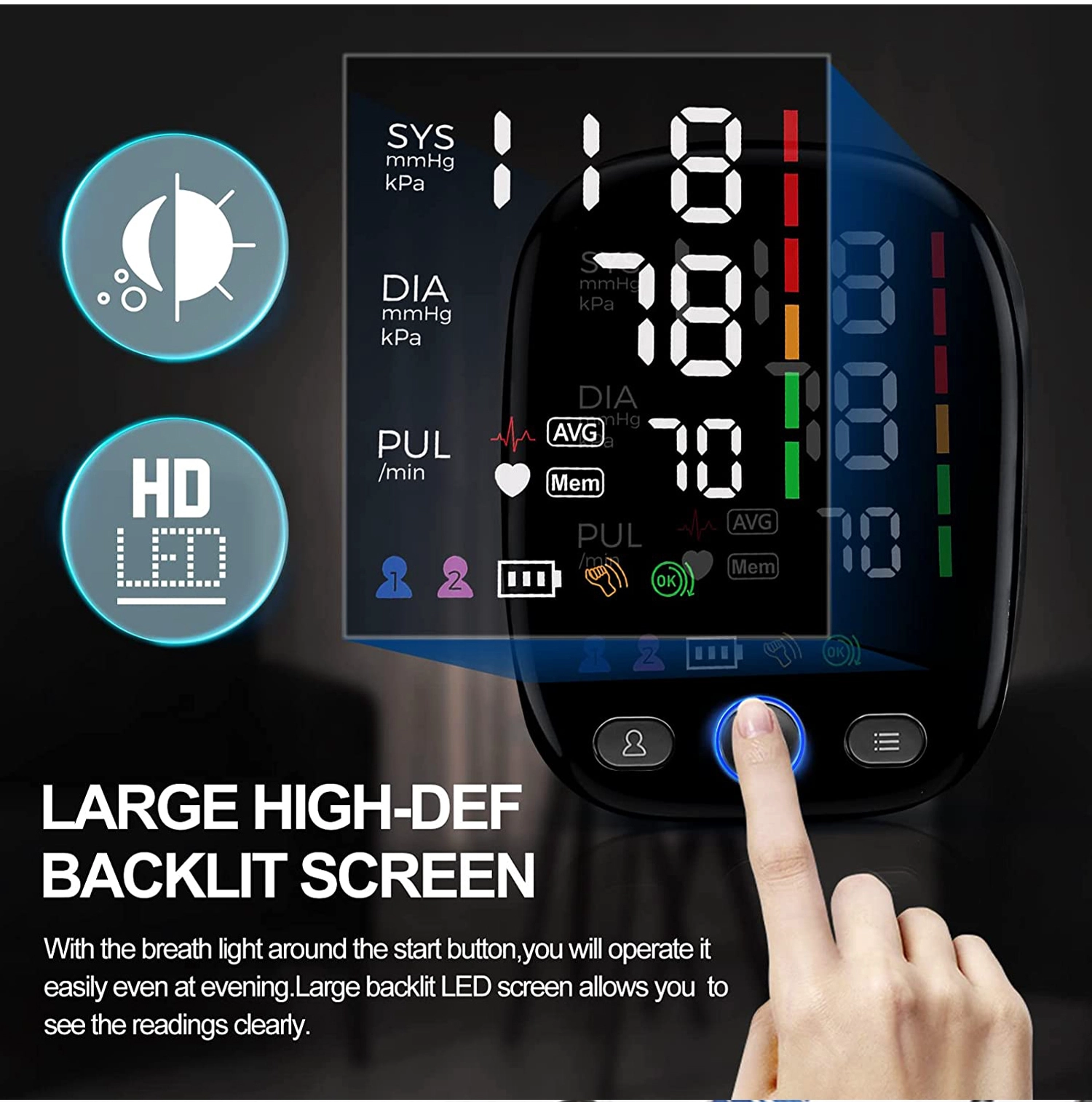
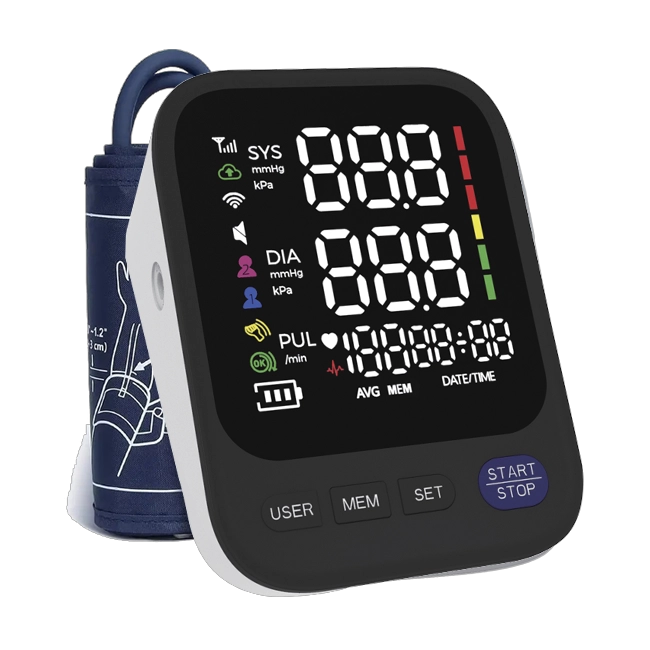
Large LED Displays and Voice Guidance: Recognizing that a significant portion of home blood pressure monitor users are elderly, manufacturers are prioritizing readability and accessibility. Large backlit LED displays with high-contrast numbers, combined with voice-guided instructions in multiple languages, ensure that even users with visual impairments or limited tech familiarity can operate the device confidently.
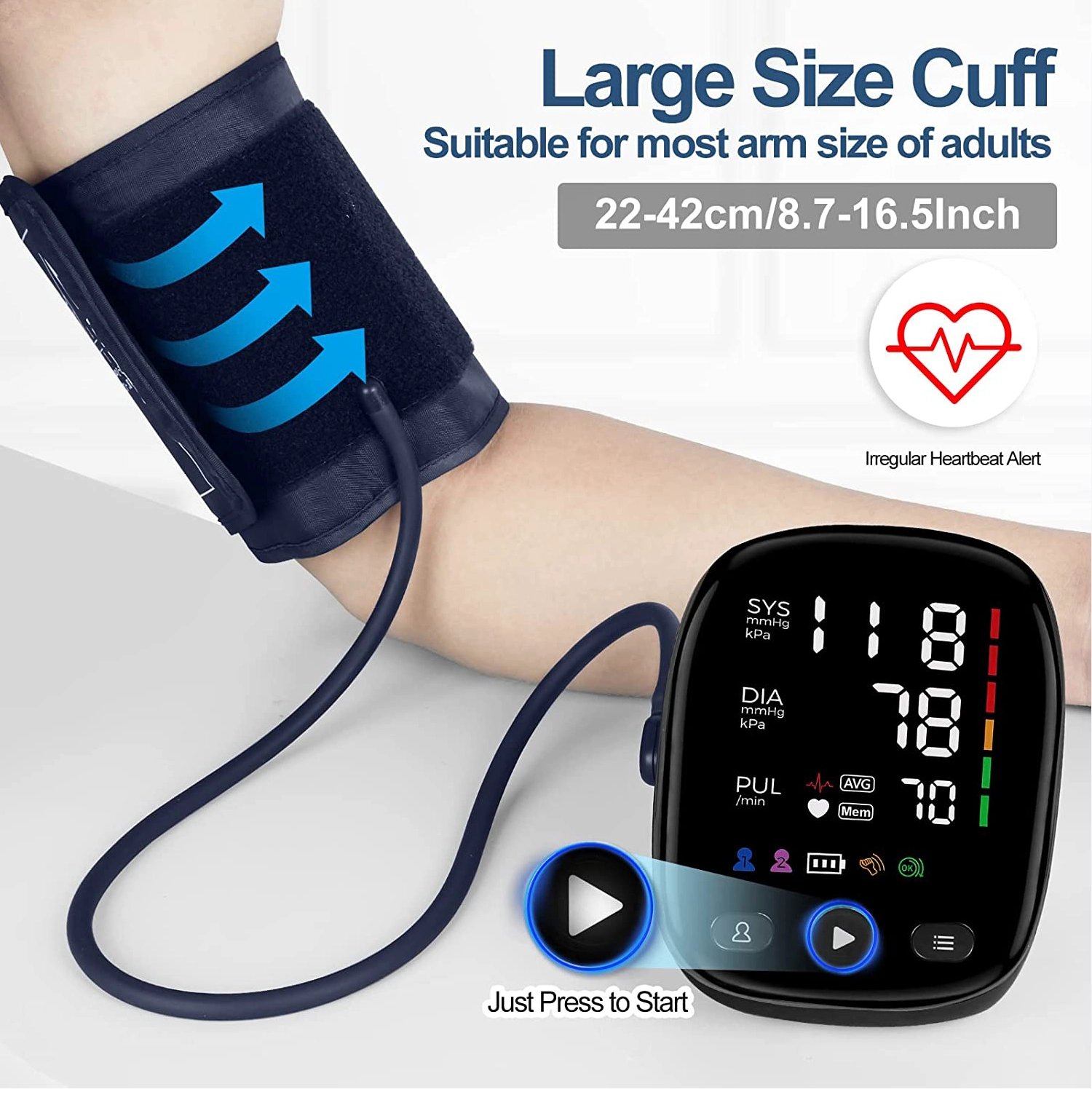
Irregular Heartbeat Detection: Advanced home blood pressure monitors now include algorithms that detect irregular heartbeat patterns during measurement. While not a diagnostic tool, this feature serves as an early warning system that prompts users to seek medical evaluation, potentially catching arrhythmias like atrial fibrillation before they lead to serious complications.
What Global Buyers Look for in a Blood Pressure Monitor Supplier
For OEM buyers and private label brands sourcing home blood pressure monitors, the supplier evaluation process goes far beyond price comparison. The most successful product launches are built on partnerships with manufacturers who deliver across multiple critical dimensions.
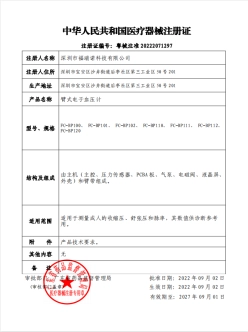
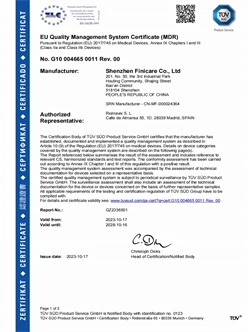
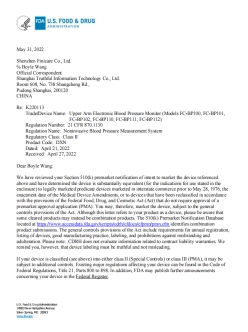
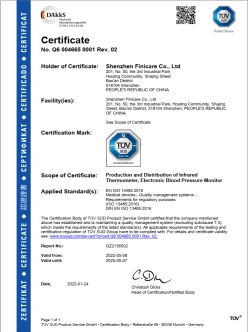
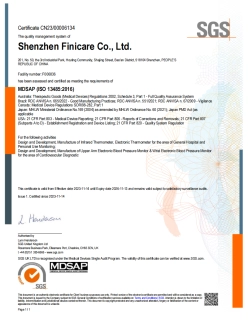
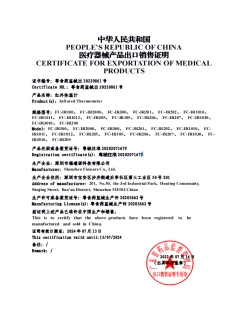
Regulatory Certification Portfolio: Market access depends entirely on having the right certifications. FDA 510(k) clearance is mandatory for the United States market. CE MDR certification is required for European distribution under the Medical Device Regulation framework. ISO 13485 quality management system certification has become the baseline expectation across virtually all international markets. MDSAP certification, covering the US, Canada, Australia, Brazil, and Japan through a single audit process, is increasingly preferred by buyers seeking efficient multi-market entry.
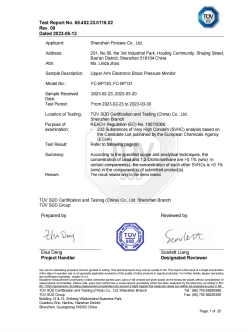
Clinical Validation Evidence: Distributors and retailers increasingly demand evidence that a home blood pressure monitor has been validated through recognized clinical protocols. Devices validated against AAMI and ESH-IP standards command higher retailer acceptance and consumer confidence.
Flexible OEM and ODM Capabilities: The ability to customize branding, packaging, display languages, and feature configurations is essential for buyers building their own brand identity. The strongest manufacturers offer full ODM services, including custom industrial design, firmware modification, and private label packaging.
Production Scale and Consistency: Reliable suppliers maintain large-scale production facilities with automated assembly lines, rigorous quality control processes, and the capacity to handle seasonal demand fluctuations without compromising delivery timelines.
After-Sales Support: Comprehensive warranty programs, calibration services, and responsive technical support demonstrate a manufacturer's commitment to long-term partnership rather than transactional sales.
Regulatory Landscape: Navigating Compliance in 2026
The regulatory environment for home blood pressure monitors continues to evolve, with authorities worldwide raising the bar on accuracy, safety, and post-market surveillance requirements.
In the United States, the FDA classifies home blood pressure monitors as Class II medical devices requiring 510(k) premarket notification. Recent FDA actions have emphasized the importance of accurate labeling and clinical performance data, with increased scrutiny on devices claiming medical-grade accuracy.
The European Union's Medical Device Regulation has replaced the older Medical Device Directive, imposing more rigorous requirements for clinical evidence, technical documentation, and ongoing post-market surveillance. Manufacturers must work with notified bodies to obtain CE MDR certification, and the transition period has created supply gaps that well-prepared manufacturers are positioned to fill.
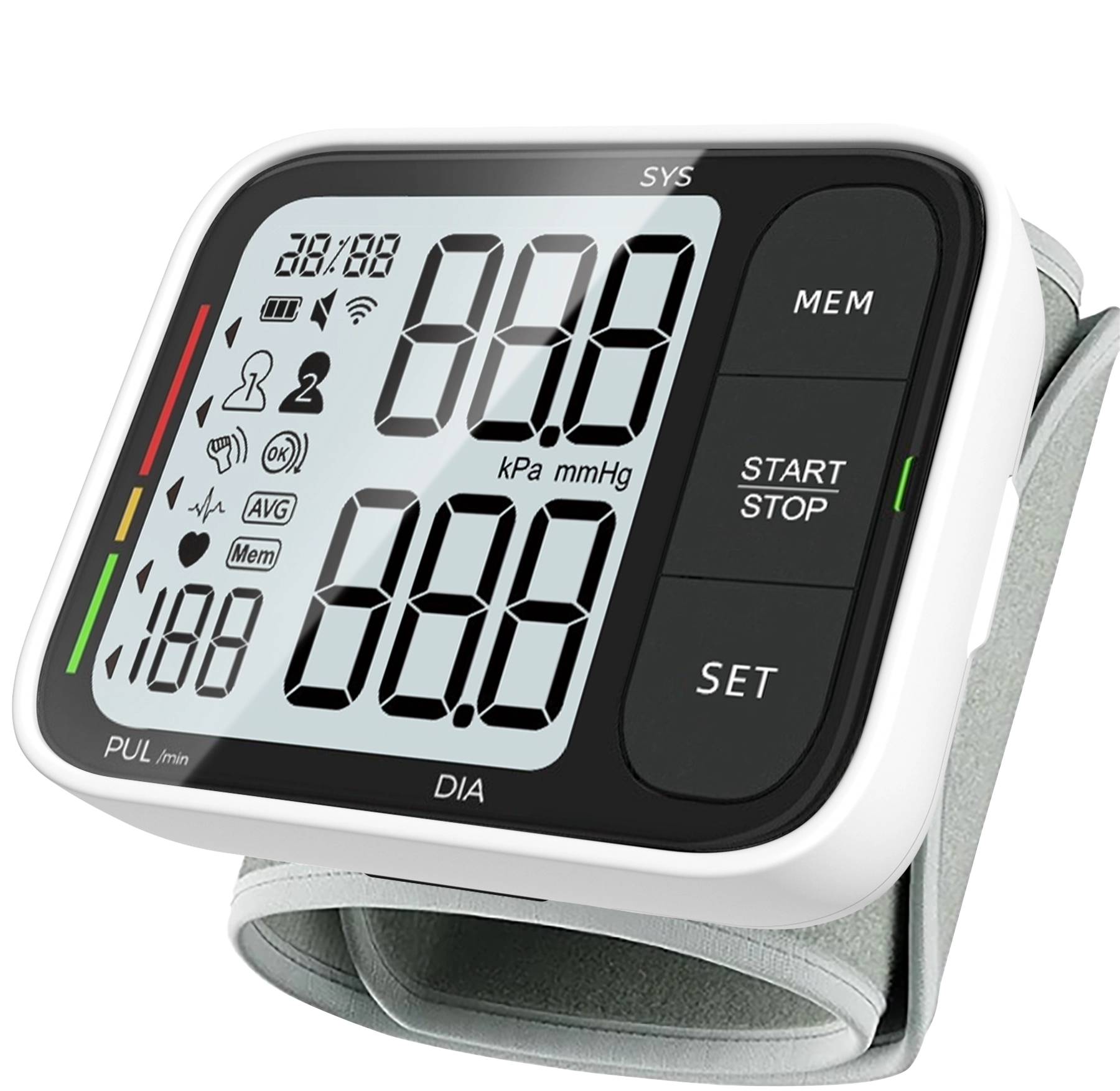
Australia requires TGA registration, while markets across the Middle East, Latin America, and Southeast Asia are increasingly harmonizing their requirements with international standards. Health Canada's recent approval of continuous wrist-based blood pressure monitors signals the regulatory pathway for next-generation wearable devices.
For buyers, partnering with a manufacturer that already holds certifications across major markets dramatically reduces time-to-market and regulatory risk.
The Future of Home Blood Pressure Monitoring
Several emerging trends will shape the next generation of home blood pressure monitors and create new opportunities for forward-thinking buyers.
Cuffless Blood Pressure Measurement: Perhaps the most anticipated innovation, cuffless technology uses optical sensors and pulse transit time algorithms to estimate blood pressure without an inflatable cuff. While regulatory bodies are still evaluating the accuracy standards for cuffless devices, several have received preliminary approvals, and the technology is expected to reach mainstream adoption within the next few years.
AI-Powered Predictive Analytics: Machine learning algorithms are being integrated into blood pressure monitoring platforms to identify patterns that predict hypertensive episodes before they occur. These systems analyze historical reading data alongside factors like time of day, activity level, and medication timing to deliver personalized health insights.
Integration with Comprehensive Health Ecosystems: Home blood pressure monitors are increasingly becoming part of connected health platforms that combine blood pressure, blood glucose, pulse oximetry, and body composition data into unified health dashboards. This ecosystem approach appeals to both consumers managing multiple chronic conditions and healthcare providers seeking holistic patient views.
Sustainable and Accessible Design: Environmental consciousness and health equity are driving demand for monitors made with recyclable materials, featuring universal design principles that accommodate users with disabilities, and priced at levels accessible to developing market populations.
Building a Winning Product Strategy
For distributors, importers, and brand owners evaluating the home blood pressure monitor market in 2026, success depends on three pillars: selecting a manufacturing partner with proven regulatory expertise and production capabilities, choosing product configurations that match target market preferences, and building a brand story that emphasizes accuracy, reliability, and user-centric design.
The market fundamentals are strong. Hypertension prevalence continues to rise. Clinical guidelines increasingly mandate home monitoring. Technology is making devices more accurate, more connected, and easier to use. And consumers are more health-conscious than ever before.
The businesses that capture this opportunity will be those that move decisively, partner wisely, and bring genuinely differentiated products to market.