









OEM vs ODM: Choosing the Right Manufacturing Partner for Your Medical Device Business
Preface
Choosing between an Original Equipment Manufacturer (OEM) and an Original Design Manufacturer (ODM) is one of the most consequential decisions for any company that plans to bring a medical device to market. The global medical device contract manufacturing market is projected to grow from approximately USD 84-87 billion in 2025 to over USD 140-253 billion by the early 2030s, driven by increasing regulatory complexity, digital transformation, and the trend of original brands outsourcing production to specialized partners.
This guide is written for brand owners, procurement managers, distributors, and startup founders who need a clear framework for OEM vs ODM choosing the right manufacturing partner. We explain the core definitions, compare costs and lead times, discuss intellectual property ownership, outline supplier vetting criteria, and show how an integrated manufacturer like Finicare supports both OEM and ODM partnerships.
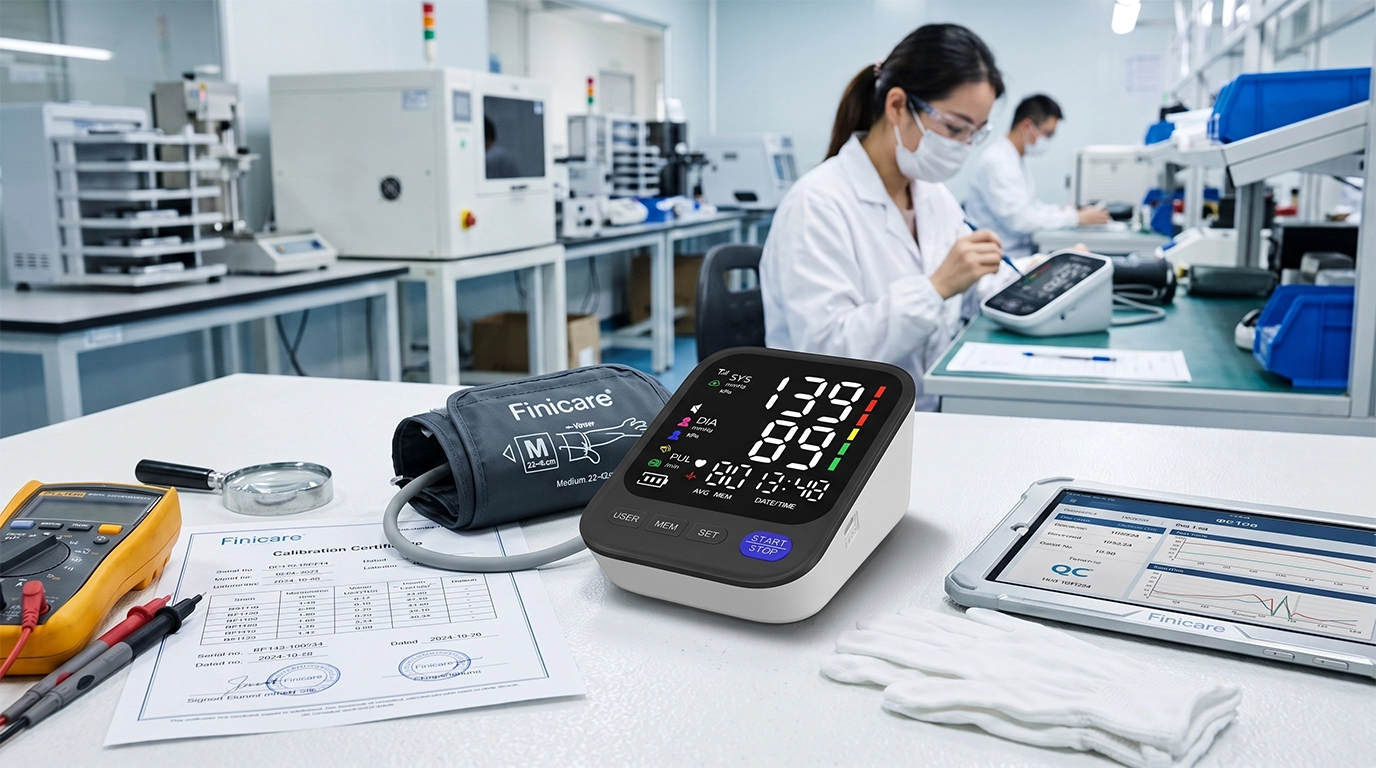
Table of Contents
1. What OEM and ODM Mean in Medical Device Manufacturing
2. The Core Differences Between OEM and ODM
3. When to Choose OEM: Custom Design and IP Ownership
4. When to Choose ODM: Speed, Lower Cost, and Faster Launch
5. Cost, MOQ, Lead Time, and Tooling: A Side-by-Side Comparison
6. Intellectual Property Protection and Regulatory Compliance
7. How to Vet a Manufacturing Partner
8. Finicare: An Integrated OEM and ODM Partner for Medical Devices
9. Transitioning From ODM to OEM as Your Brand Scales
10. Common Mistakes to Avoid When Selecting a Manufacturing Model
Summary
References
1. What OEM and ODM Mean in Medical Device Manufacturing
An Original Equipment Manufacturer, or OEM, produces goods based on the buyer's complete design, specifications, and technical drawings. In an OEM arrangement, the client owns the product concept, the design files, and the resulting intellectual property. The manufacturer acts as a production partner, supplying the tooling, assembly capacity, quality systems, and regulatory support needed to turn the design into a commercial product.
An Original Design Manufacturer, or ODM, offers both design and production capabilities. The supplier already owns a base product design, which the buyer can brand, customize with minor modifications, and sell under its own label. ODM is often described as a private label or turnkey model because the manufacturer has already invested in research and development, tooling, and certification.
Understanding these two definitions is the first step in OEM vs ODM choosing the right manufacturing partner. The decision is not about which model is universally better; it is about which model matches your budget, timeline, technical capabilities, and long-term brand strategy.
2. The Core Differences Between OEM and ODM
The differences between OEM and ODM affect nearly every aspect of a sourcing relationship. In an OEM model, the buyer leads product development, customization is unlimited, and the buyer retains full intellectual property rights. In an ODM model, the supplier leads design development, customization is limited to branding, colors, packaging, and minor feature changes, and the supplier generally retains ownership of the base design.
Speed to market is another major differentiator. ODM products can often launch in three to six months because the design, molds, and certifications already exist. OEM projects typically require twelve to twenty-four months from concept to commercial production. Minimum order quantities also differ. OEM orders often start at 5,000 to 50,000 units to amortize tooling investment, while ODM orders may start as low as 500 to 2,000 units for existing designs.
Cost structure follows the same pattern. OEM requires higher upfront investment in design, tooling, and certification, often ranging from USD 50,000 to more than USD 500,000 depending on product complexity. ODM customization may cost only USD 5,000 to USD 50,000. These tradeoffs make OEM vs ODM choosing the right manufacturing partner a strategic exercise rather than a simple procurement decision.
3. When to Choose OEM: Custom Design and IP Ownership
OEM is the right choice when your product requires unique functionality, proprietary technology, or distinctive industrial design that does not exist in any supplier catalog. It is also the preferred model when long-term brand protection is important, because the buyer owns the design and can prevent competitors from sourcing the same product from the same factory.
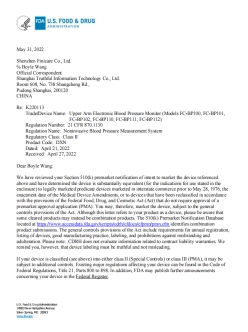
Established brands, companies with in-house engineering teams, and businesses targeting regulated markets often prefer OEM. The higher upfront cost is justified by stronger differentiation, higher margins at scale, and greater control over materials, components, and quality standards. OEM also allows brands to specify exact regulatory pathways, such as FDA 510(k) clearance, CE marking under the MDR, or ISO 13485 quality system requirements.
If your competitive advantage depends on a novel sensor algorithm, a custom mechanical structure, or a unique user interface, then OEM vs ODM choosing the right manufacturing partner almost certainly points toward OEM. The investment is higher, but the resulting product is defensible and aligned with your long-term vision.
4. When to Choose ODM: Speed, Lower Cost, and Faster Launch
ODM is the right choice when speed, simplicity, and lower upfront risk matter more than deep product differentiation. Startups testing demand, distributors entering a new category, and brands launching a first product often benefit from the ODM model because it reduces development complexity and accelerates time to revenue.
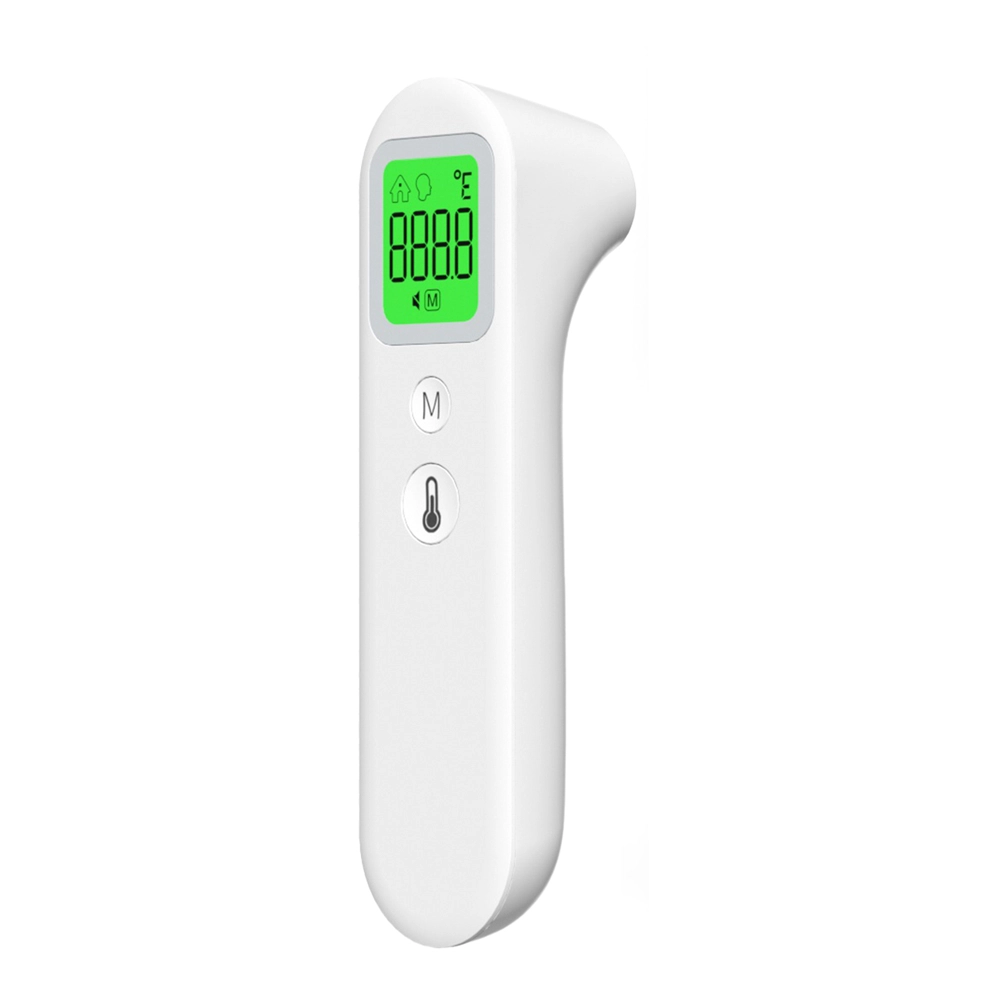
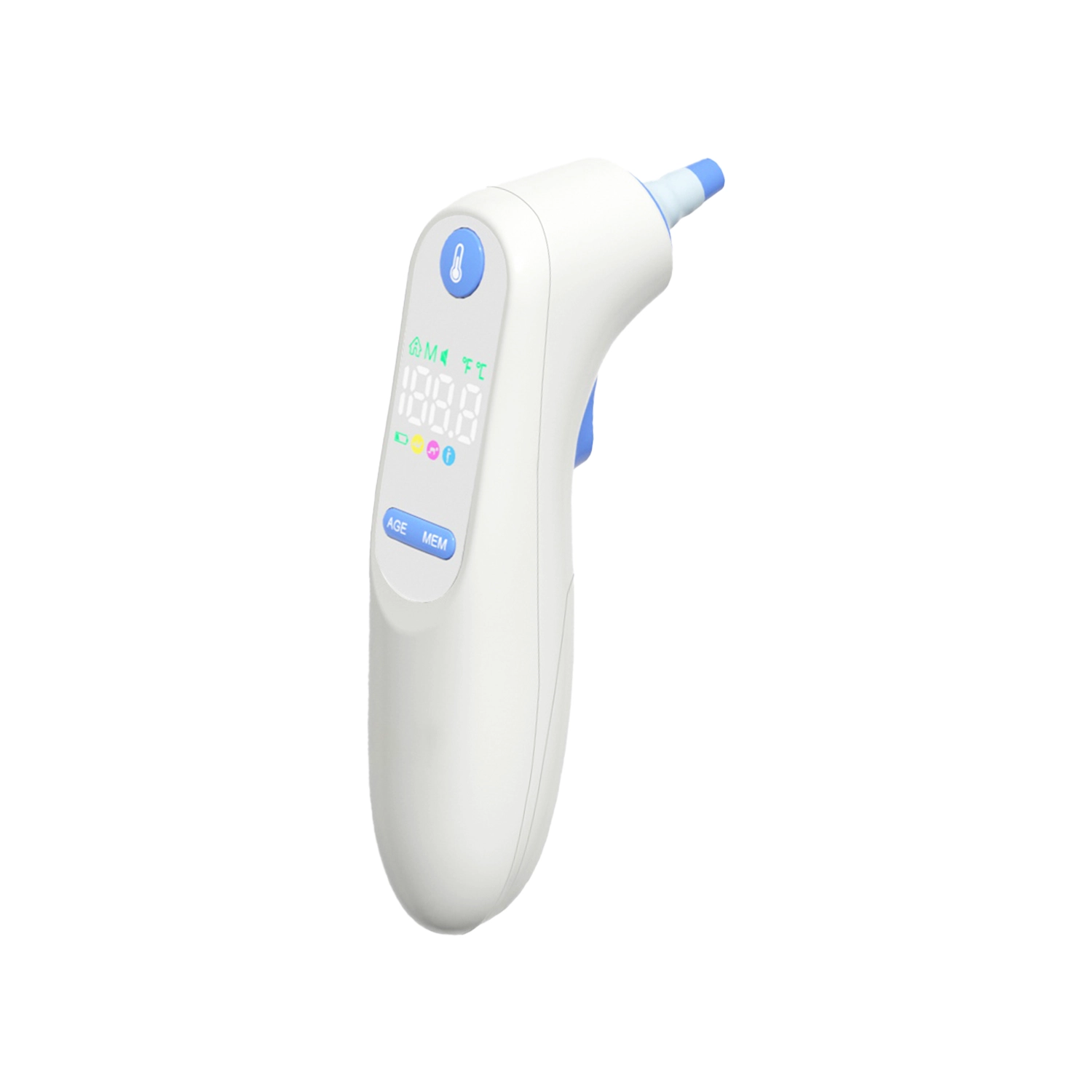
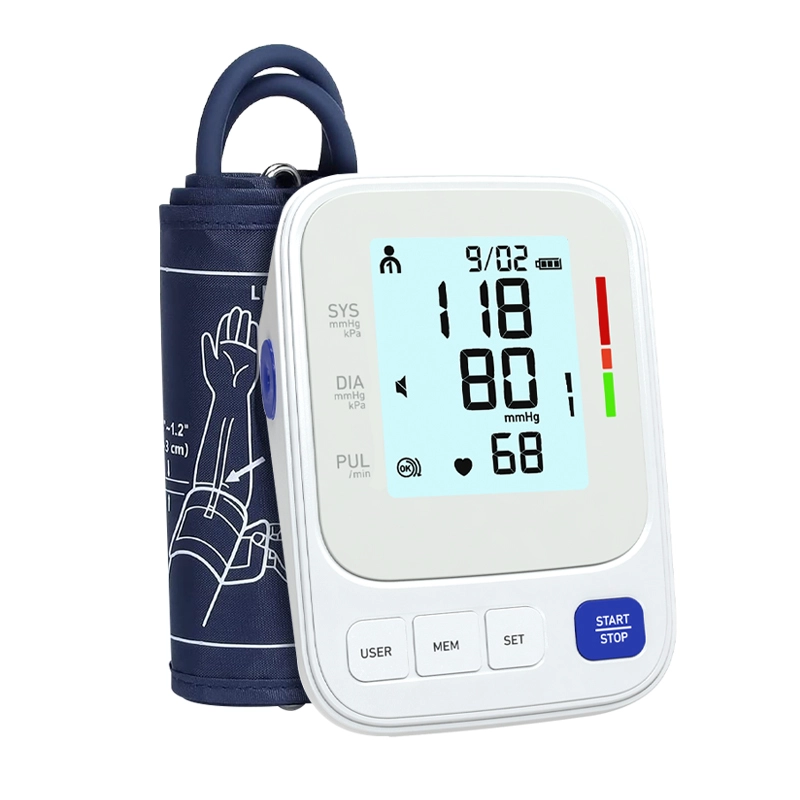
In an ODM arrangement, the manufacturer has already solved the engineering challenges, validated the design, and secured baseline certifications. The buyer can focus on branding, packaging, marketing, and distribution. This model is especially useful for standard medical devices such as fingertip pulse oximeters, infrared thermometers, and upper-arm blood pressure monitors, where the core technology is mature and the market values reliability and cost-efficiency over radical innovation.
Many successful brands start with ODM to validate demand and then transition to OEM once they understand what customers want. This staged approach is a practical way to manage risk while building market presence. When OEM vs ODM choosing the right manufacturing partner for a new market entry, ODM often provides the fastest and most capital-efficient path.
5. Cost, MOQ, Lead Time, and Tooling: A Side-by-Side Comparison
The financial and operational differences between OEM and ODM are best understood through a direct comparison. In the OEM model, product design and development can range from USD 50,000 to USD 500,000 or more. Tooling and molds may add USD 30,000 to USD 200,000. Regulatory certification can cost USD 20,000 to USD 100,000. Per-unit manufacturing costs are typically higher because custom processes cannot leverage shared tooling economies. MOQs often range from 5,000 to 50,000 units, and time to revenue is usually twelve to twenty-four months.
In the ODM model, product customization costs range from USD 5,000 to USD 50,000. Tooling is minimal or nonexistent because existing molds are used. Regulatory certification costs are lower, often USD 15,000 to USD 80,000, because the base design is already supported by existing documentation. Per-unit costs are lower, MOQs can be as low as 500 to 5,000 units, and time to revenue is typically three to six months.
A simplified break-even analysis illustrates the difference. An OEM project with USD 300,000 upfront investment, USD 1.20 per-unit cost, and a selling price of USD 3.50 requires approximately 130,000 units to break even. An ODM project with USD 50,000 upfront investment, USD 0.80 per-unit cost, and a selling price of USD 2.50 breaks even at approximately 29,000 units. While OEM offers higher margins at scale, ODM reduces the break-even volume by roughly seventy-seven percent, making it accessible to smaller enterprises.
6. Intellectual Property Protection and Regulatory Compliance
Intellectual property is often the most critical factor in OEM vs ODM choosing the right manufacturing partner. In an OEM arrangement, the buyer owns one hundred percent of the product design, technical specifications, and associated patents or trademarks. The manufacturer cannot sell the same design to other customers without permission. This provides strong protection but requires the buyer to invest in patent filings, confidentiality agreements, and supplier audits.
In an ODM arrangement, the manufacturer owns the base design. The buyer owns only its branding, packaging, and any specific customizations. The same base product may be sold to multiple brands, which limits differentiation and creates competitive risk. Buyers should negotiate exclusivity clauses for target markets whenever possible and protect any proprietary customizations through design patents or utility models.
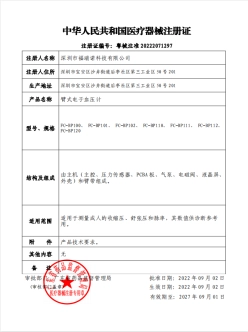
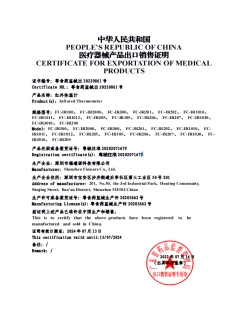
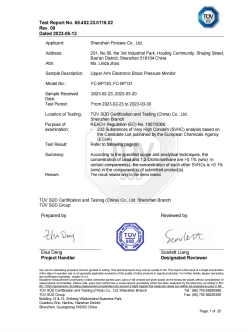
Regulatory compliance is equally important regardless of the model. Medical device manufacturers must hold ISO 13485 certification, maintain FDA establishment registration, and provide valid 510(k) clearance, CE certificates, or other market-specific documentation. Buyers should always verify certification numbers directly with issuing bodies rather than relying on supplier claims. A trustworthy manufacturing partner will provide complete technical files, test reports, and quality records as part of the relationship.
7. How to Vet a Manufacturing Partner
Selecting the right partner requires a structured evaluation. Start by confirming the supplier's certifications. ISO 13485 is non-negotiable for medical device manufacturing. FDA registration, CE marking, and MDSAP certification are strong indicators of regulatory maturity. Request certificate numbers and verify them with the issuing bodies or official databases.
Evaluate technical capabilities by reviewing the supplier's product portfolio, engineering team, testing laboratories, and production equipment. Ask for client references in your target market and request samples for independent testing. A capable partner should offer clear documentation, responsive communication, and willingness to accept third-party inspections from organizations such as SGS, Bureau Veritas, or Intertek.
Red flags include prices significantly below market average, reluctance to share certifications, unwillingness to allow factory audits, and poor communication during the inquiry phase. These warning signs often indicate compromised quality, counterfeit documentation, or operational instability. Thorough vetting is essential in OEM vs ODM choosing the right manufacturing partner because the relationship typically lasts for years and directly affects product safety, brand reputation, and regulatory compliance.
8. Finicare: An Integrated OEM and ODM Partner for Medical Devices
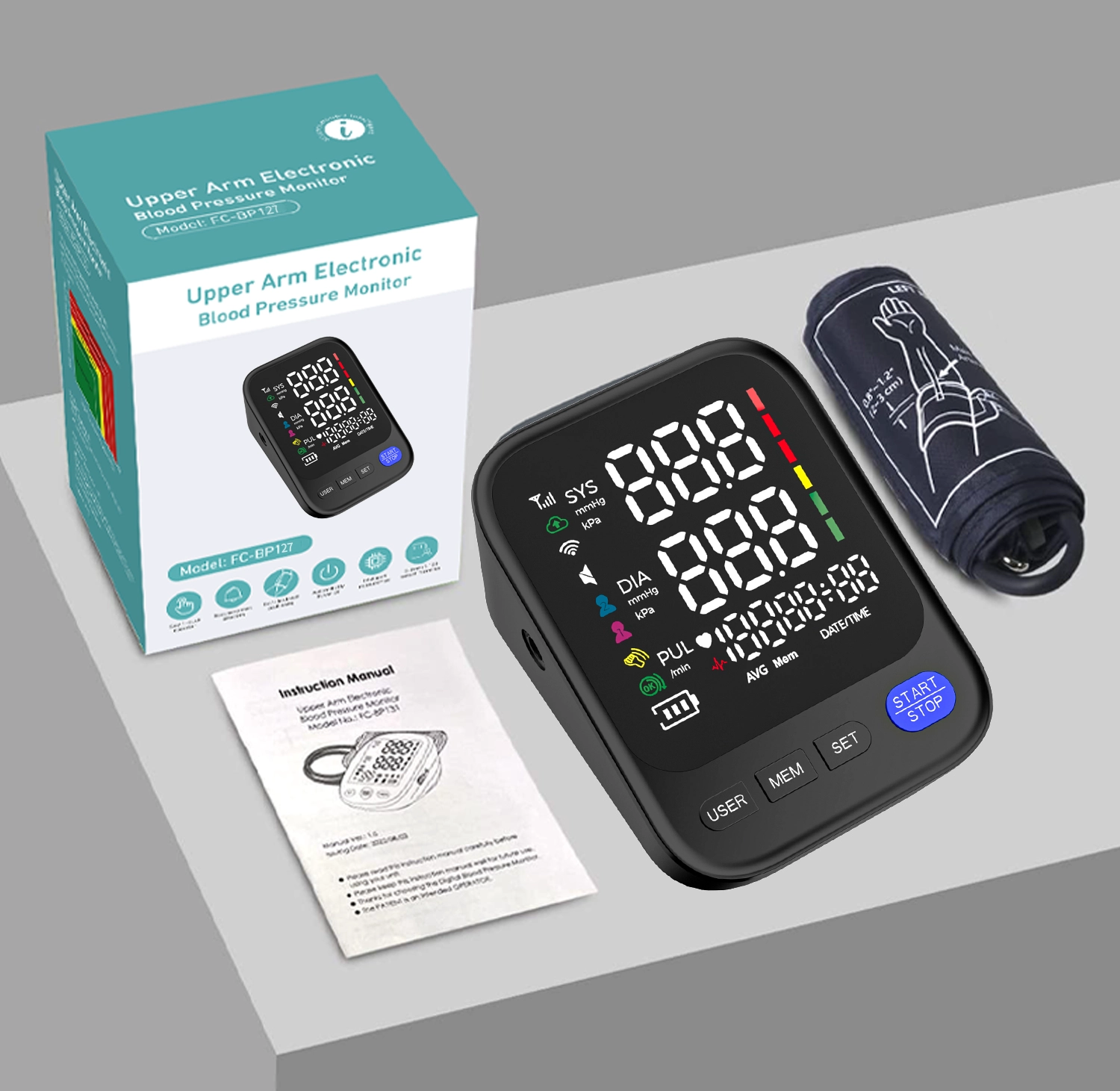
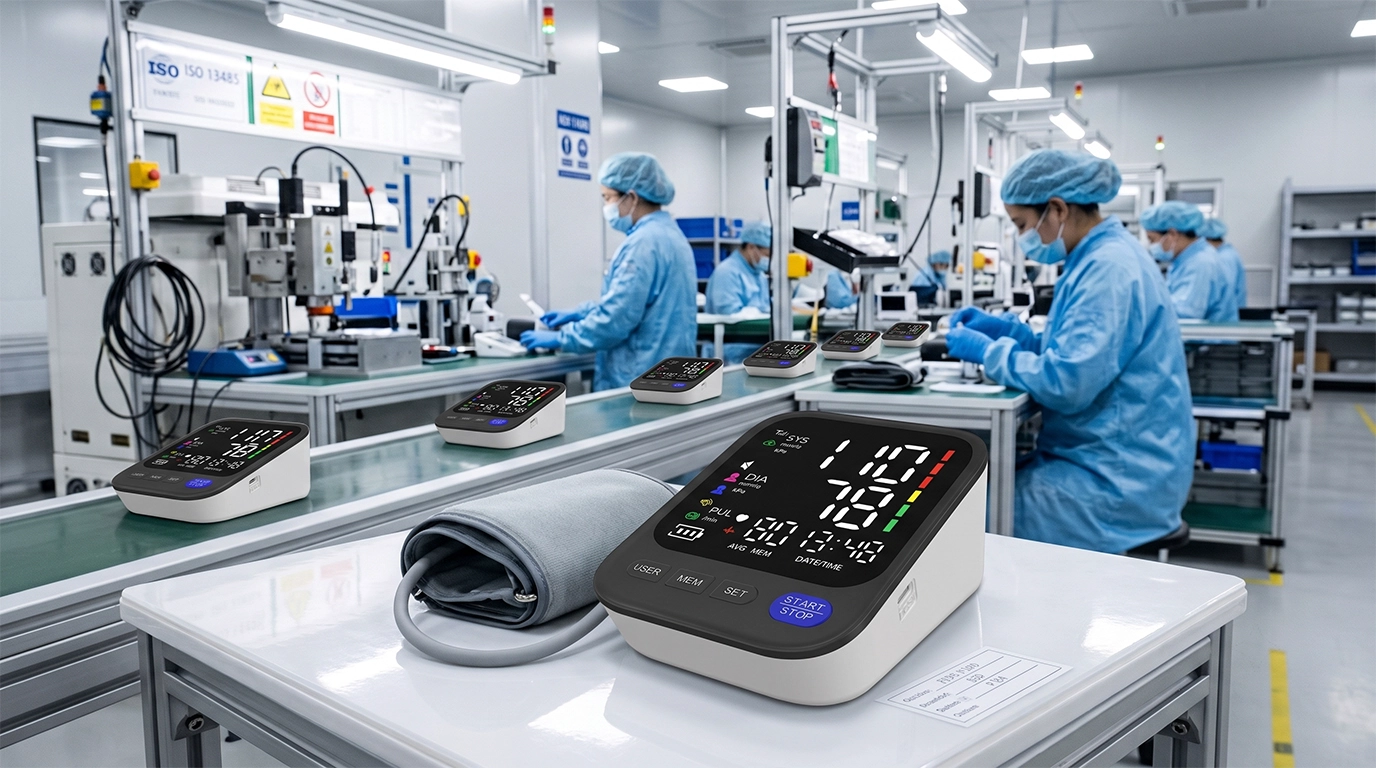
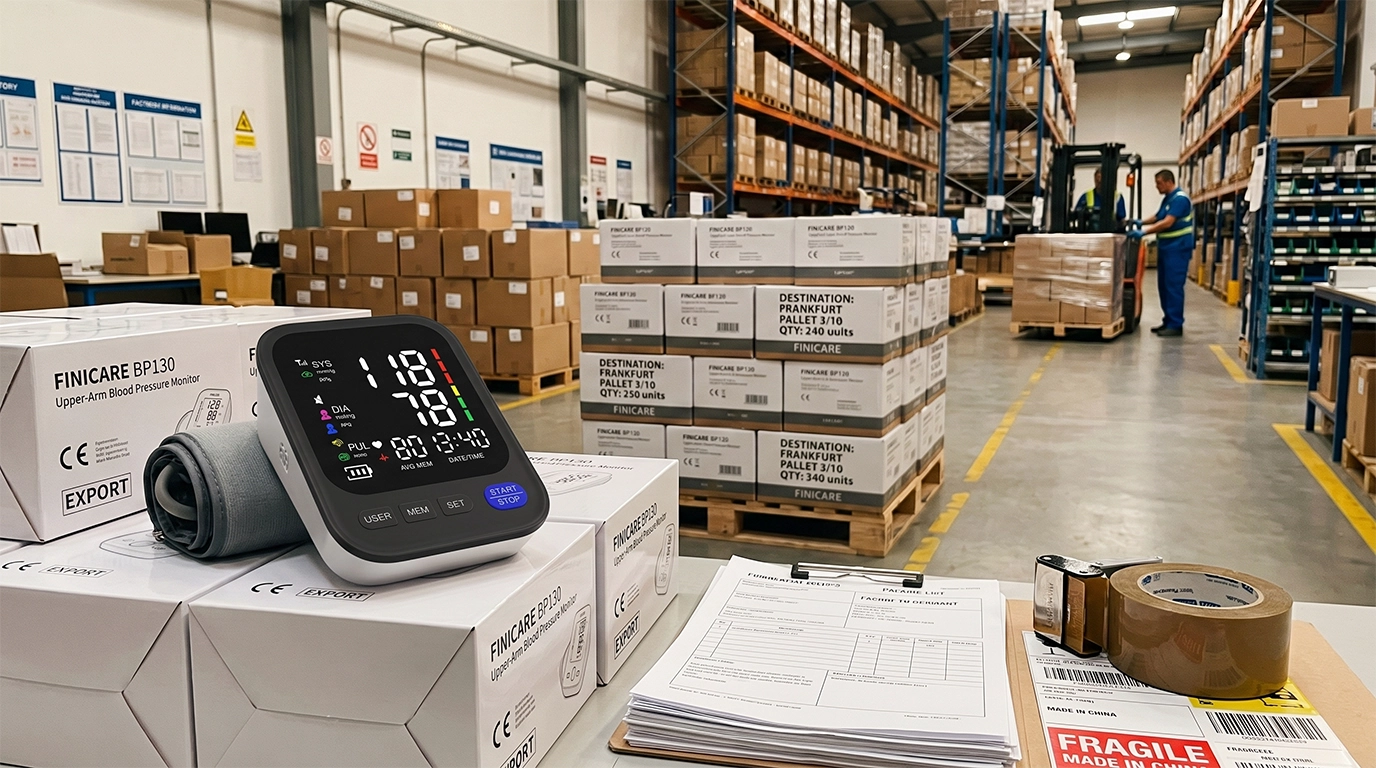
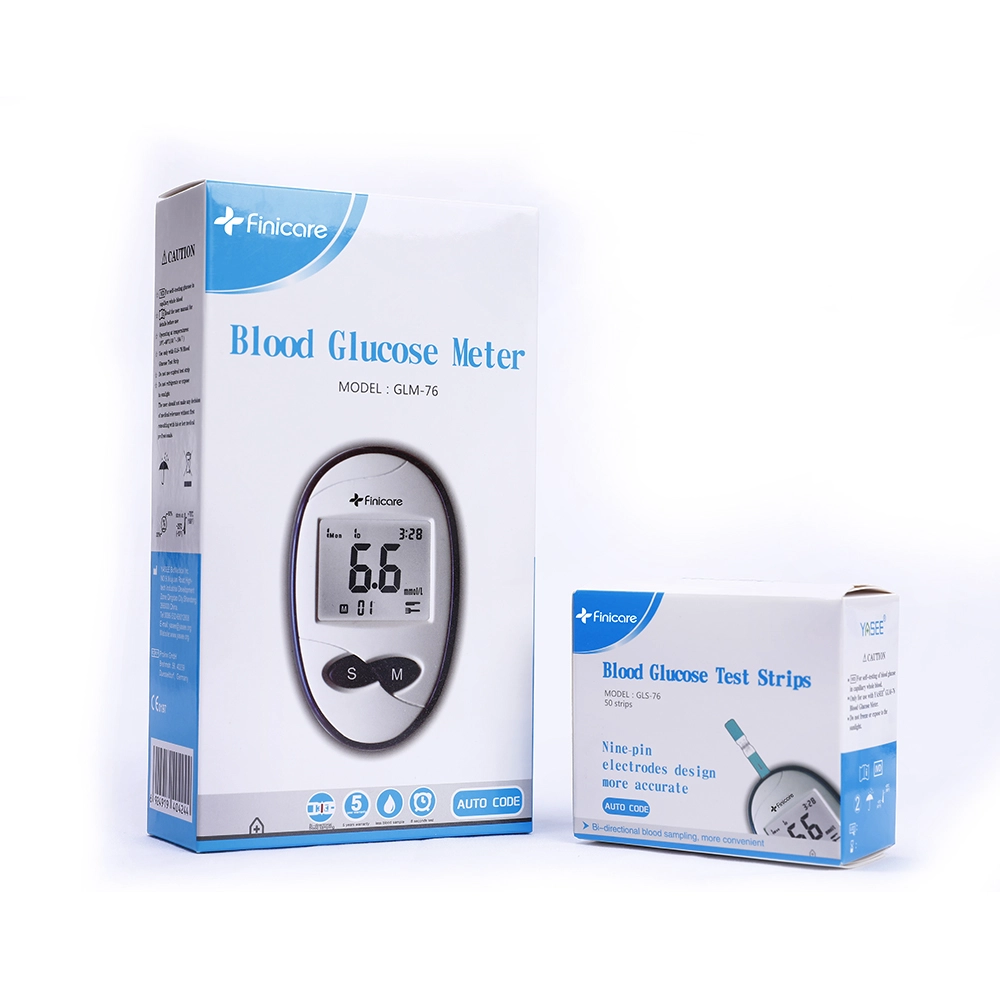
Finicare was founded in 2017 and is headquartered in Shenzhen, China. The company operates as a high-tech enterprise integrating research and development, manufacturing, and sales. Its product portfolio includes fingertip pulse oximeters, infrared thermometers, electronic blood pressure monitors, mesh nebulizers, and other home medical devices. Finicare products are exported to more than eighty countries across Europe, North America, the Middle East, and Southeast Asia.
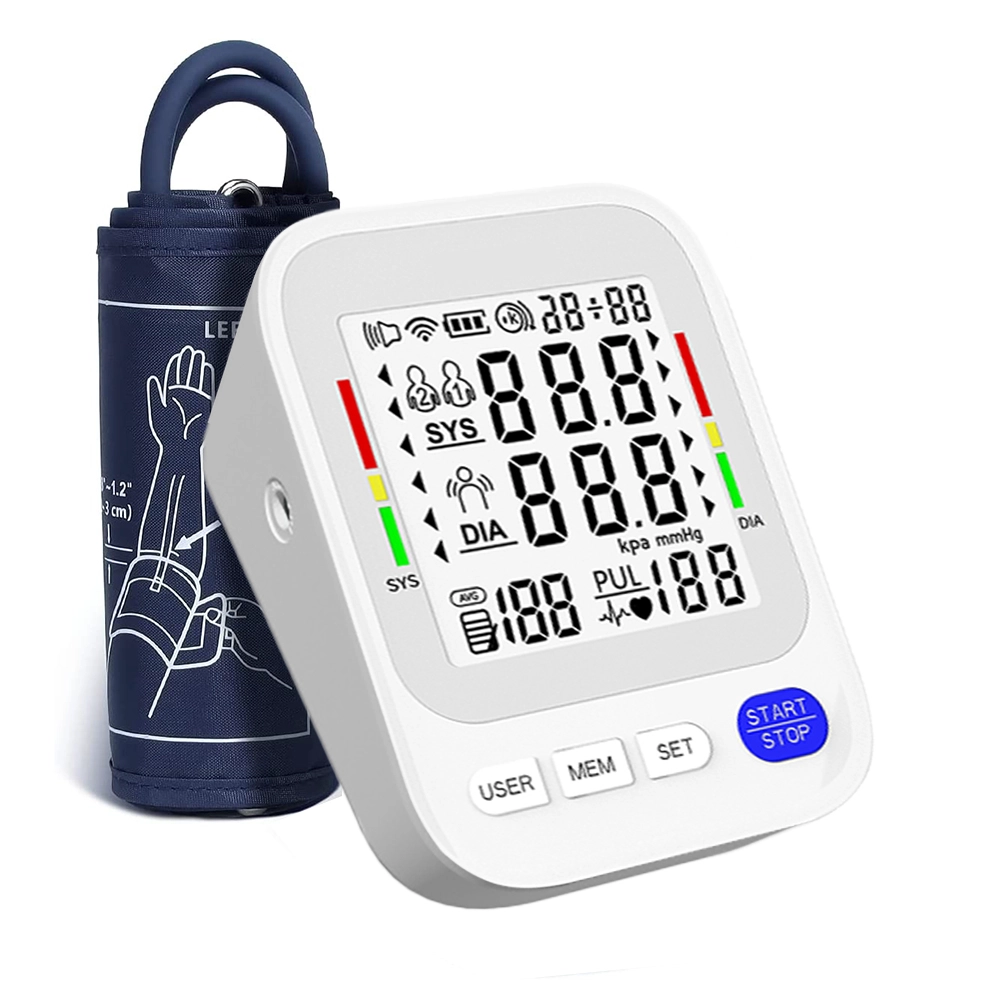
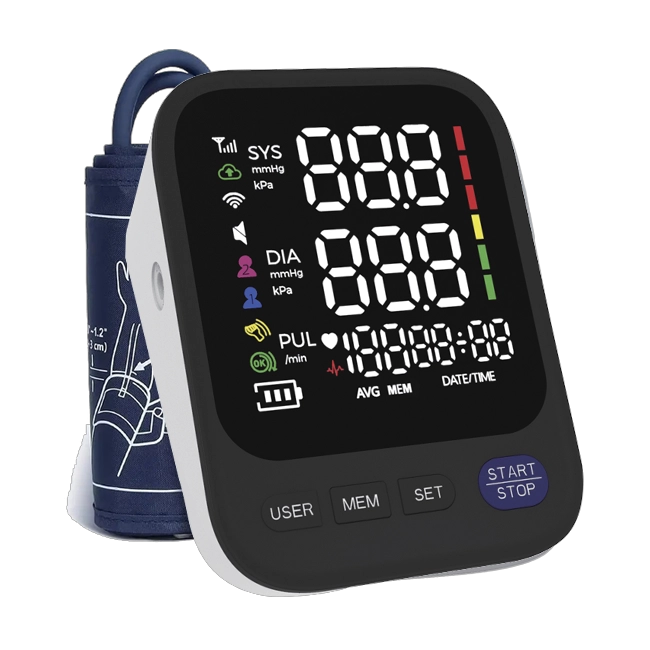
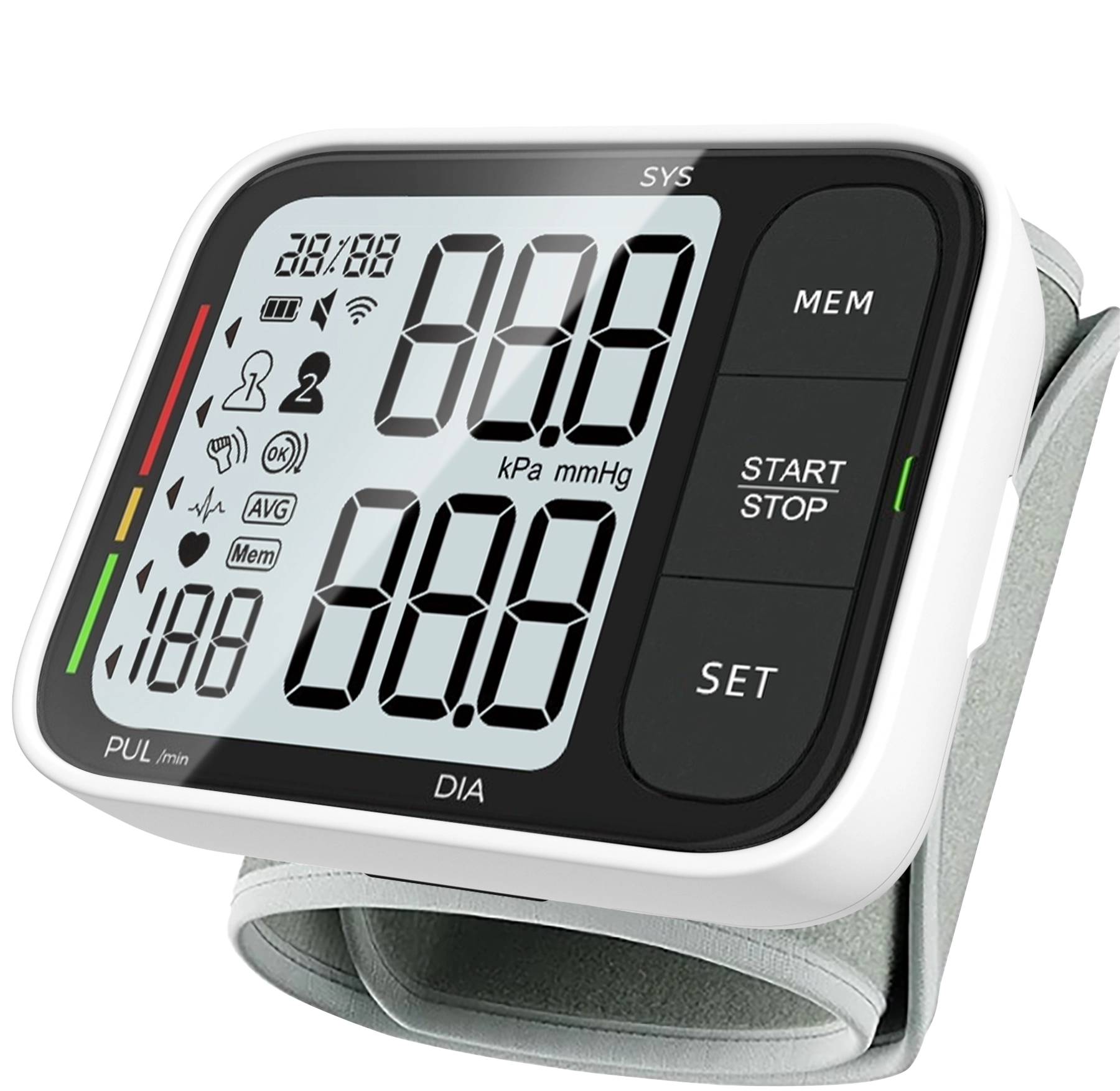
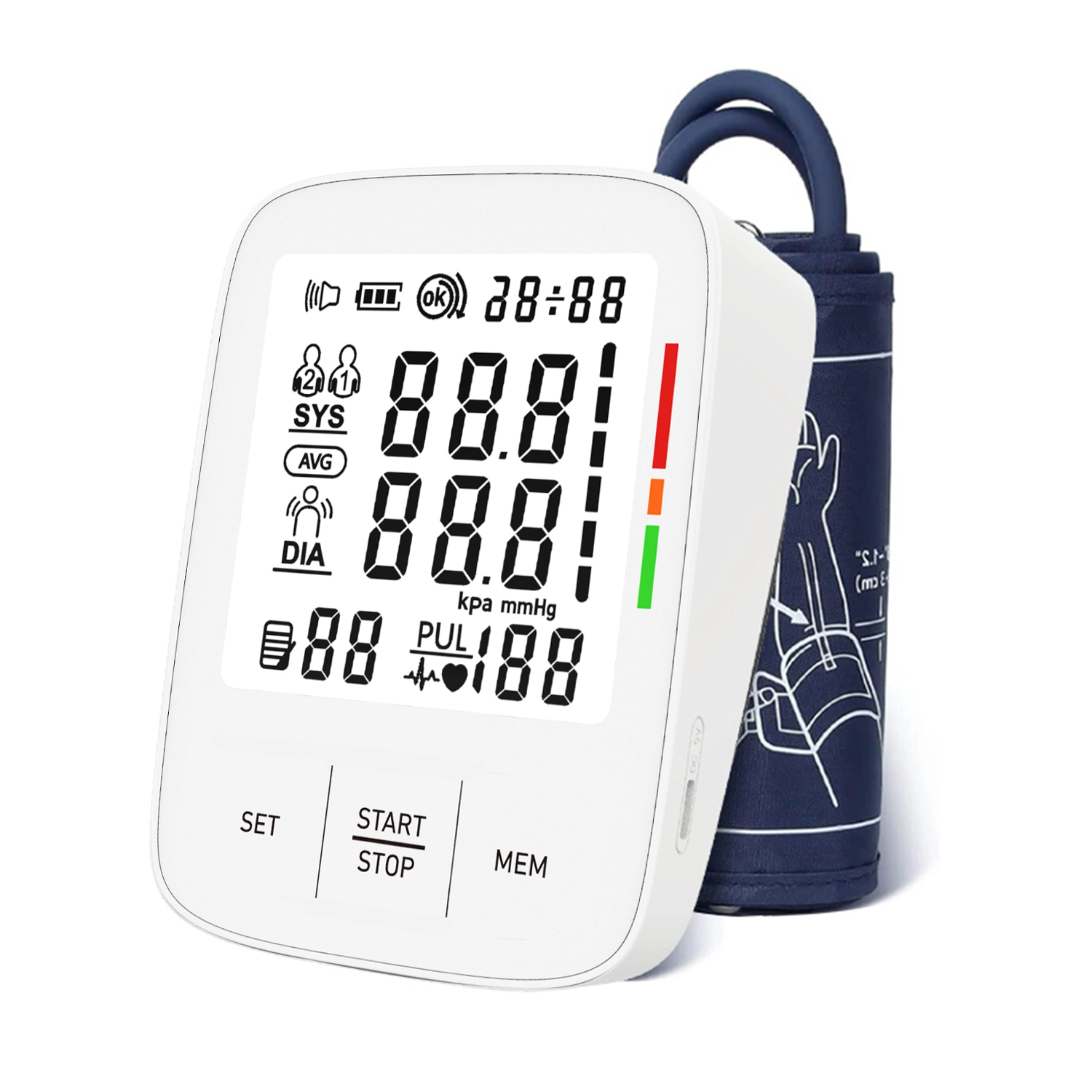
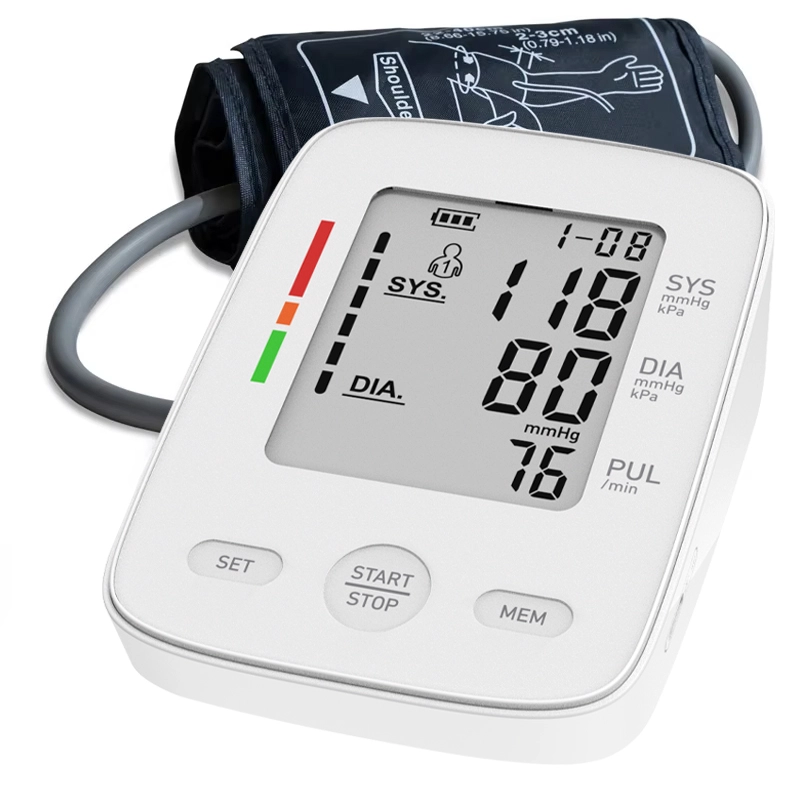
As both an OEM and ODM partner, Finicare offers clients two distinct pathways. Under the OEM model, Finicare works from client-provided designs and specifications, contributing tooling, molding, assembly, calibration, testing, and regulatory documentation. Under the ODM model, Finicare provides proven product platforms that clients can brand and customize, including the BP130 upper-arm blood pressure monitor with its white body, glossy black front panel, large display showing SYS/DIA/PUL readings, vertical red-yellow-green health indicator bar, SET/START/STOP/MEM buttons, and gray upper-arm cuff.
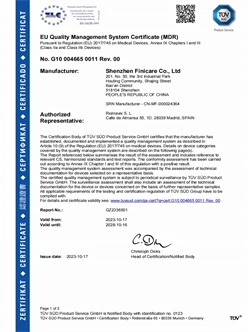
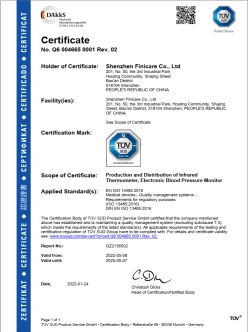
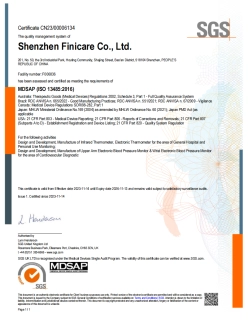
Finicare's quality system is built on ISO 13485, FDA 510(k) clearance, CE MDR marking, and MDSAP certification. Every product undergoes incoming inspection, in-process control, final testing, and outbound audit. For clients navigating OEM vs ODM choosing the right manufacturing partner, Finicare's integrated capabilities reduce coordination risk and shorten the path from concept to certified product.
9. Transitioning From ODM to OEM as Your Brand Scales
Many brands do not choose between OEM and ODM once and forever. Instead, they use ODM to enter the market, gather customer feedback, and generate early revenue. Once the product proves successful, they invest in OEM development to create a differentiated version with proprietary features, better margins, and stronger brand protection.
The transition usually makes sense when margin improvement, product uniqueness, or competitive defensibility becomes more important than speed and simplicity. It does not have to happen all at once. Some companies keep certain products on the ODM model while developing custom OEM versions of their best sellers. Others move one product line at a time, using the ODM relationship as backup capacity while the OEM design ramps up.
Finicare supports this evolution by offering both ODM platforms and OEM development services within the same quality system. Clients can start with a certified ODM blood pressure monitor, thermometer, or pulse oximeter, validate the market, and then work with Finicare's engineering team to develop a custom OEM variant. This continuity simplifies supplier management and preserves the knowledge accumulated during the ODM phase.
10. Common Mistakes to Avoid When Selecting a Manufacturing Model
One common mistake is assuming that "FDA registered" means a product is cleared for sale. FDA establishment registration is not the same as 510(k) clearance. Another mistake is choosing ODM solely on price without considering the competitive risk of shared base designs. A third mistake is launching an OEM project without sufficient technical specifications, which leads to expensive revisions and delays.
Buyers also sometimes skip sample testing before placing bulk orders, fail to verify certifications with issuing bodies, or neglect to define intellectual property ownership in the manufacturing agreement. These oversights can result in quality failures, regulatory noncompliance, or disputes over design rights.
The final mistake is treating OEM vs ODM choosing the right manufacturing partner as a one-time decision rather than a strategic evolution. The best brands match the manufacturing model to their current stage, budget, and market goals, and remain flexible enough to transition as they grow.
Summary
OEM and ODM are two distinct manufacturing models, each suited to different business situations. OEM gives the buyer full design control, stronger intellectual property protection, and greater product differentiation, but requires higher upfront investment, longer lead times, and larger minimum order quantities. ODM offers faster market entry, lower development cost, and smaller initial volumes, but limits customization and may expose the buyer to competition from similar products.
The global medical device contract manufacturing market is growing rapidly, making the choice of manufacturing partner more important than ever. Buyers should evaluate partners based on ISO 13485 certification, FDA or CE compliance, technical capabilities, quality systems, communication, and willingness to accept third-party audits. Finicare provides both OEM and ODM pathways for pulse oximeters, thermometers, blood pressure monitors, and other home medical devices, supported by a certified quality system and exports to more than eighty countries. Whether you start with ODM to validate demand or invest in OEM from the beginning, the key to success is aligning your manufacturing model with your product strategy, budget, and long-term brand vision.
References
1. Importivity. "OEM vs ODM Manufacturing: Key Differences Explained." https://importivity.com/blog/oem-vs-odm-manufacturing/
2. Alibaba.com Seller Blog. "OEM vs ODM Manufacturing Models: A Complete Guide for Medical Device Sellers." https://seller.alibaba.com/blogs/2026/southeast-asia/medical-consumables/oem-vs-odm-manufacturing-guide-alibaba-b2b
3. Brightpearl. "OEM vs ODM: A Clear Guide to Choosing the Right Model." https://www.brightpearl.com/blog/oem-vs-odm-explained
4. Fortune Business Insights. "Medical Device Contract Manufacturing Market Size." https://www.fortunebusinessinsights.com/medical-device-contract-manufacturing-market-111763
5. International Organization for Standardization. "ISO 13485:2016: Medical devices — Quality management systems." https://www.iso.org/standard/59752.html