












How to Clean and Maintain a Mesh Nebulizer: A Complete Care Guide
Preface
A mesh nebulizer is one of the most efficient and portable respiratory therapy devices available today, converting liquid medication into a fine aerosol mist through a vibrating micromesh membrane. Whether you use it for asthma, COPD, cystic fibrosis, or pediatric respiratory treatments, proper cleaning and maintenance are essential to ensure consistent drug delivery performance, prevent bacterial contamination, and extend the life of your device.
This guide is written for patients, caregivers, and healthcare professionals who want a clear, step-by-step approach to mesh nebulizer care. We explain why mesh technology requires special attention compared to jet or ultrasonic nebulizers, walk through daily, weekly, and monthly maintenance routines, and share practical tips to avoid common mistakes. By the end of this article, you will know exactly how to clean and maintain a mesh nebulizer to keep it performing at its best for years to come.

Table of Contents
1. Why Mesh Nebulizer Cleaning Is Different
2. Daily Cleaning: After Every Use
3. Deep Cleaning: Weekly Maintenance
4. Monthly Disinfection Routine
5. How to Care for the Mesh Membrane
6. Battery and Charging Maintenance
7. Storing Your Mesh Nebulizer Properly
8. Finicare Mesh Nebulizer Technology and Quality Assurance
9. Common Cleaning Mistakes to Avoid
10. When to Replace Parts or the Entire Device
Summary
References
1. Why Mesh Nebulizer Cleaning Is Different
Mesh nebulizers operate on a fundamentally different principle from jet and ultrasonic nebulizers. Instead of compressed air or ultrasonic vibrations, a mesh nebulizer pushes liquid medication through thousands of microscopic holes in a vibrating mesh membrane, typically made of palladium or platinum alloy. This technology produces aerosol particles in the ideal respirable range of one to five micrometers, making it more efficient than older nebulizer types.
However, this same mesh membrane is also the most delicate and contamination-prone component. Medication residue can clog the microscopic pores, reducing aerosol output over time. Bacterial biofilms can form on the mesh surface if not cleaned promptly after each use. Unlike jet nebulizers where you can simply soak and scrub all components, mesh nebulizers require a gentler, more methodical approach to avoid damaging the membrane. Understanding how to clean and maintain a mesh nebulizer correctly is therefore the foundation of safe and effective respiratory therapy.
2. Daily Cleaning: After Every Use
After each treatment session, follow these steps immediately:
Step one: Turn off the device and unplug it if it is charging. Remove the face mask or mouthpiece and the medication cup from the main unit.
Step two: Rinse the medication cup under warm running water for at least thirty seconds. This removes liquid medication residue before it can dry and crystallize on the mesh surface.
Step three: Rinse the mouthpiece or mask under warm running water. If using a silicone mask, pay attention to the inner surfaces where condensation collects.
Step four: Wipe the main unit exterior with a clean, slightly damp cloth. Do not submerge the main unit in water. The mesh membrane, LED indicator, and electronic components are not waterproof.
Step five: Shake off excess water from all components and place them on a clean, lint-free towel to air dry. Do not use paper towels on the mesh surface, as fibers can lodge in the microscopic pores.
Step six: Once completely dry, reassemble the device and store it in its carrying case or a clean, sealed bag until the next use.
Consistent daily cleaning is the single most important step in learning how to clean and maintain a mesh nebulizer effectively. It prevents medication buildup and bacterial growth from accumulating between treatments.
3. Deep Cleaning: Weekly Maintenance
Once per week, add a mild dish soap wash to your routine:
Disassemble the medication cup, mouthpiece, and mask. Fill a bowl with warm water and add a small amount of mild, fragrance-free liquid dish detergent. Submerge the medication cup, mouthpiece, and mask in the soapy water and gently swish for two to three minutes. Do not scrub the mesh membrane with brushes or sponges, as this can permanently damage the micromesh pores.
After washing, rinse all components thoroughly under warm running water to remove all soap residue. Soap film left on the mesh can alter aerosol particle size and reduce drug delivery efficiency.
Allow all parts to air dry completely on a lint-free surface before reassembly. Some manufacturers recommend running a brief cycle with sterile saline solution through the device after deep cleaning to flush any remaining residue from the mesh. Check your device manual for this optional step.
4. Monthly Disinfection Routine
Once or twice per month, perform a full disinfection:
Prepare a solution of one part distilled white vinegar to three parts distilled water. Submerge the medication cup, mouthpiece, and mask in the solution for thirty minutes. This kills bacteria, fungi, and mold spores that routine cleaning may miss.
After soaking, remove all components and rinse them thoroughly with distilled water. Tap water may contain minerals or microorganisms that can deposit on the mesh surface.
Allow all parts to air dry completely before reassembly. Some healthcare providers recommend using isopropyl alcohol wipes on the exterior housing and buttons, but never apply alcohol directly to the mesh membrane or the medication cup interior.
For patients with compromised immune systems or those using the device in a hospital setting, daily disinfection may be necessary. Consult your healthcare provider for personalized guidance on how to clean and maintain a mesh nebulizer in high-risk situations.
5. How to Care for the Mesh Membrane
The mesh membrane is the heart of your nebulizer and requires special attention:
Never touch the mesh surface with your fingers, brushes, cotton swabs, or any abrasive material. The micromesh pores are typically five to eight micrometers in diameter and can be permanently deformed by physical contact.
If you notice reduced aerosol output or larger droplet size, the mesh may be partially clogged with dried medication. The recommended approach is to fill the medication cup with sterile saline solution and run the device for a full cycle without inhaling. The saline flushes medication residue from the pores. Repeat if necessary.
Some mesh nebulizers include a self-cleaning function that runs a brief high-frequency vibration cycle after each treatment to dislodge residue. If your device has this feature, use it after every session.
Replace the mesh component according to the manufacturer schedule, typically every three to six months depending on usage frequency. A worn mesh will produce inconsistent aerosol particle sizes, reducing treatment effectiveness.
6. Battery and Charging Maintenance
Most portable mesh nebulizers are powered by rechargeable lithium-ion or lithium-polymer batteries. Proper battery care extends device life:
Charge the device fully before first use, which typically takes two to four hours depending on the model. Avoid leaving the device on the charger indefinitely after it reaches full capacity, as this can degrade battery health over time.
If you will not be using the nebulizer for an extended period, store it with the battery charged to approximately fifty percent. A fully depleted or fully charged battery stored for weeks can suffer permanent capacity loss.
Keep the charging port clean and dry. Use a dry cotton swab to gently remove any dust or lint from the USB port periodically. Never use water or cleaning solutions near the charging port.
7. Storing Your Mesh Nebulizer Properly
Proper storage protects your device between uses:
Always store the nebulizer in a clean, dry environment at room temperature, ideally between fifty-nine and eighty-six degrees Fahrenheit (fifteen to thirty degrees Celsius). Avoid leaving the device in direct sunlight, in a hot car, or in a humid bathroom.
Use the original carrying case or a clean, sealed plastic bag to protect the device from dust and moisture. The mesh membrane is sensitive to environmental contaminants, so keeping it sealed when not in use is important.
Store the medication cup and mouthpiece separately from the main unit to allow air circulation and prevent trapped moisture, which can promote bacterial growth.
If you travel frequently, consider a dedicated travel case with separate compartments for the device, mask, and accessories. Many mesh nebulizers, including those from Finicare, are designed for portability with compact form factors and lightweight construction.
8. Finicare Mesh Nebulizer Technology and Quality Assurance
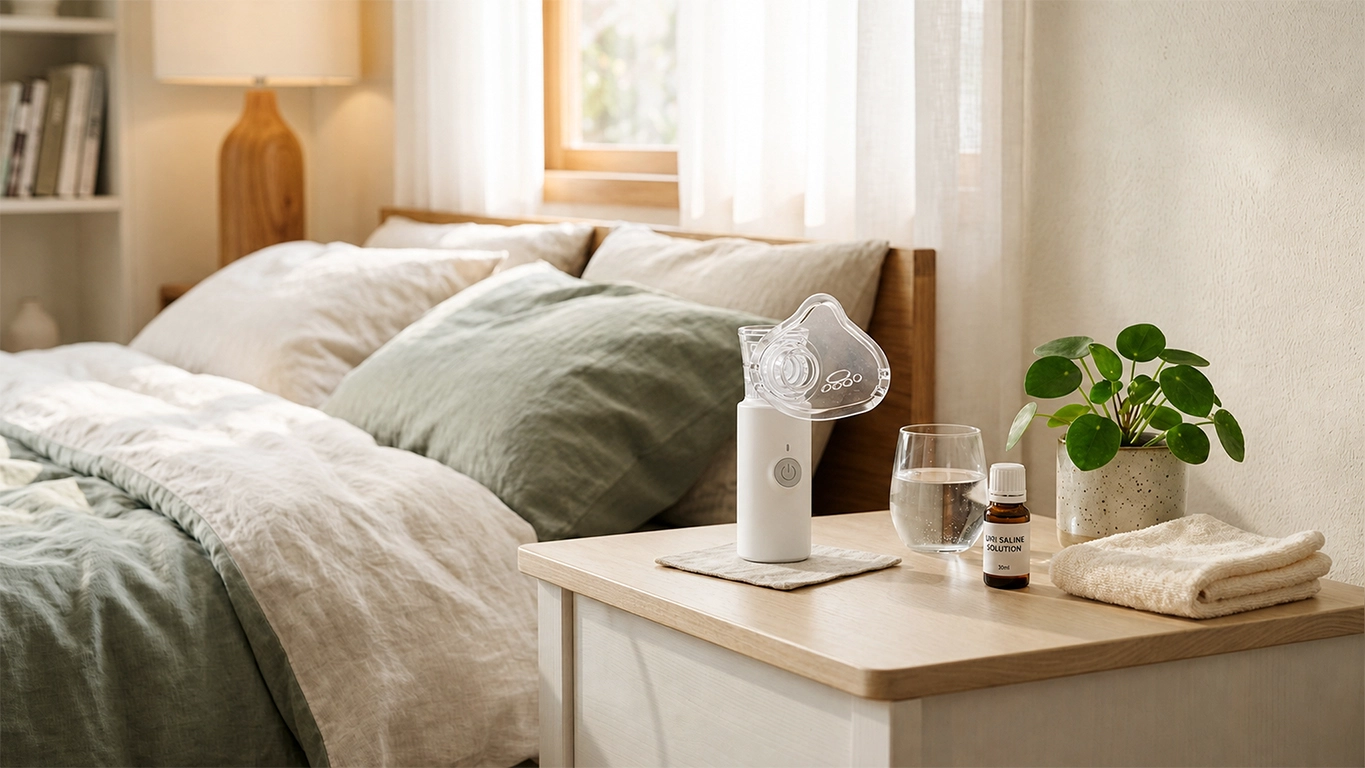
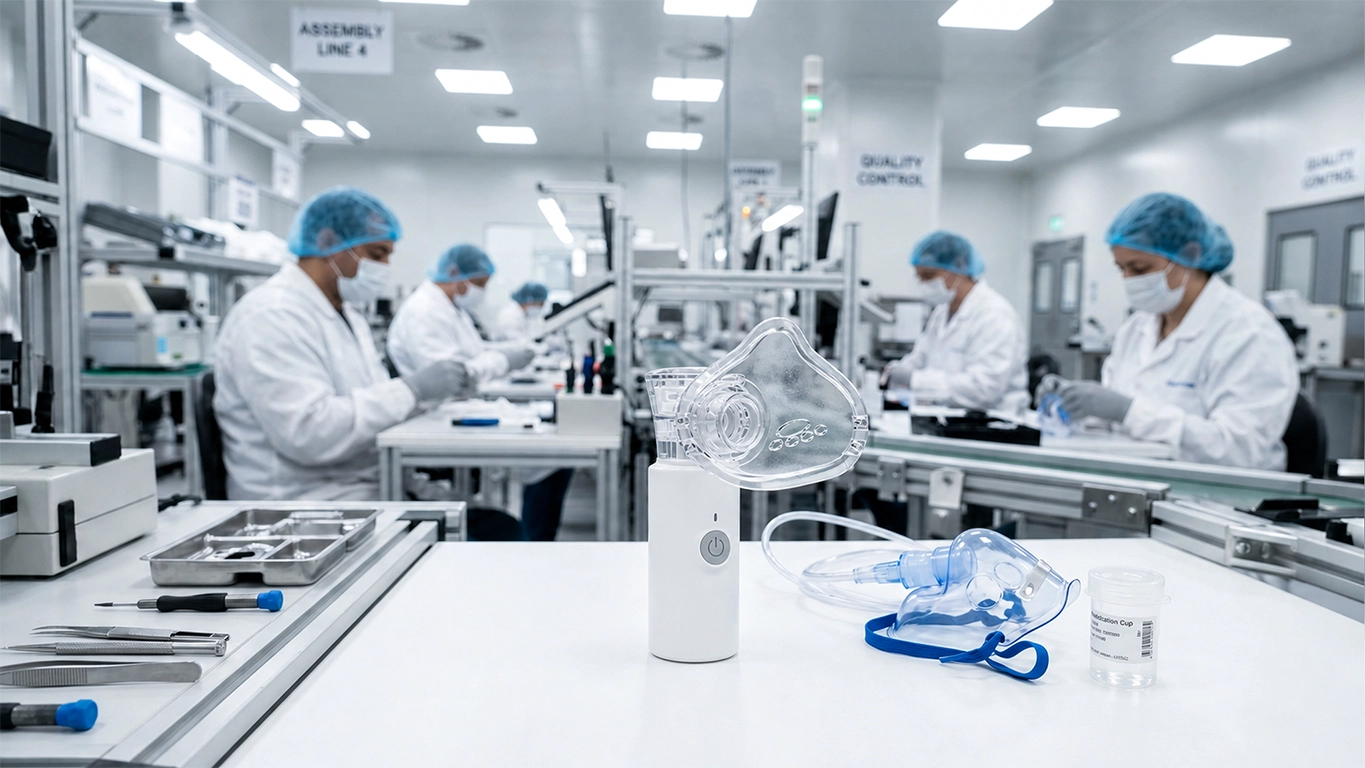
Finicare was established in 2017 and is a high-tech enterprise integrating research and development, manufacturing, and sales. Headquartered in Shenzhen, China, the company specializes in mesh nebulizers, pulse oximeters, infrared thermometers, electronic blood pressure monitors, and other home medical devices. Finicare products are exported to more than eighty countries across Europe, North America, the Middle East, and Southeast Asia.
Finicare mesh nebulizers, such as the NBM-11, feature advanced vibrating mesh technology that produces fine aerosol particles in the one to five micrometer range for optimal lung deposition. The NBM-11 has a white matte handheld body with a transparent dome-shaped medication reservoir, a green LED power indicator, and a vertical grip handle for comfortable one-handed operation. The device comes with a clear silicone face mask for comfortable treatment delivery.
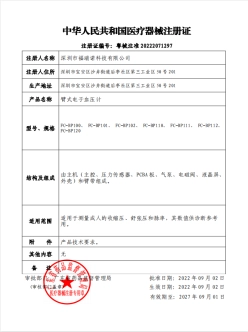
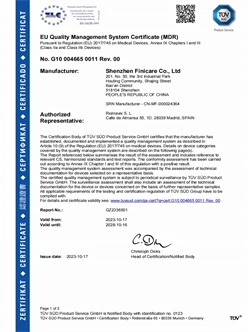
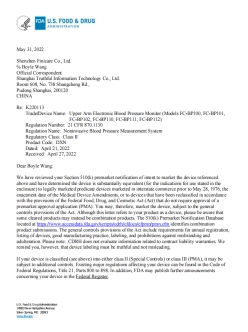
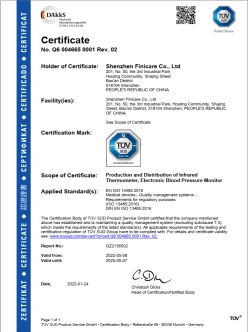
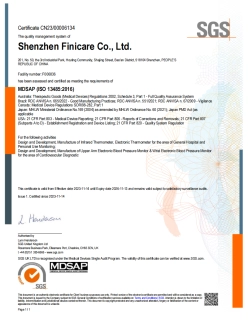
Every Finicare mesh nebulizer is manufactured under ISO 13485 quality management, carries FDA 510(k) clearance and CE MDR marking, and undergoes rigorous incoming inspection, in-process control, and final testing before shipment. The company provides detailed cleaning and maintenance instructions with each device, ensuring that users know exactly how to clean and maintain a mesh nebulizer for long-term reliability and consistent therapeutic performance.
9. Common Cleaning Mistakes to Avoid
Even experienced users can make errors that compromise device performance or safety. Here are the most common mistakes and how to avoid them:
Using boiling water or steam to sterilize mesh components. Mesh nebulizers contain heat-sensitive electronic parts and polymer membranes that can warp or melt at high temperatures. Never boil, microwave, or autoclave any part of a mesh nebulizer.
Using harsh chemicals such as bleach, ammonia, or hydrogen peroxide on the mesh membrane. These substances can corrode the metal mesh and leave toxic residues. Stick to mild dish soap and vinegar solutions.
Scrubbing the mesh surface with brushes, sponges, or cloths. The mesh membrane must only be cleaned by rinsing and saline flushing, never by physical abrasion.
Storing the device while still wet. Trapped moisture inside the medication cup or on the mesh creates an ideal environment for bacterial growth. Always air dry all components completely before reassembly and storage.
Using tap water for the final rinse during disinfection. Tap water may contain minerals that deposit on the mesh and microorganisms that survive the rinsing process. Always use distilled or sterile water for the final rinse.
Neglecting to clean the face mask. Medication aerosol settles on the mask interior during treatment, creating a residue layer that can harbor bacteria if not cleaned after each use.
10. When to Replace Parts or the Entire Device
Regular maintenance extends the life of your mesh nebulizer, but some components have a finite lifespan:
The mesh membrane should be replaced every three to six months, or sooner if you notice reduced aerosol output, larger droplet size, or inconsistent medication delivery. Most manufacturers provide replacement mesh cartridges that can be swapped without tools.
The face mask or mouthpiece should be replaced every three to six months, or sooner if the silicone becomes stiff, cracked, or discolored. A compromised mask seal reduces treatment effectiveness.
The battery should be evaluated after two to three years of regular use. If the device no longer holds a full charge or shuts down unexpectedly during treatment, the battery may need replacement.
The entire device typically lasts three to five years with proper care. If the motor or mesh assembly becomes irreparably damaged, replacement is more cost-effective than repair.
Understanding how to clean and maintain a mesh nebulizer and recognizing when replacement is needed ensures that your respiratory therapy remains effective and safe throughout the life of the device.
Summary
Proper cleaning and maintenance of a mesh nebulizer involves three tiers of care: daily rinsing and air drying after every use, weekly deep cleaning with mild soap and warm water, and monthly disinfection with a vinegar solution. The mesh membrane is the most critical and delicate component, requiring only gentle rinsing and saline flushing rather than physical scrubbing. Battery care, proper storage, and timely replacement of consumable parts are equally important for long-term device performance. Common mistakes such as boiling components, using harsh chemicals, or storing the device while wet can cause permanent damage and compromise treatment safety.
Finicare mesh nebulizers, including the NBM-11, are designed for easy maintenance with accessible component design, durable construction, and compliance with ISO 13485, FDA 510(k), and CE MDR standards. By following the cleaning routines outlined in this guide, you can ensure that your mesh nebulizer delivers consistent, effective respiratory therapy for years to come.
References
1. Lincare. "How to Clean and Maintain Your Nebulizer for Optimal Performance." August 26, 2024. https://www.lincare.com/resources/Lincare-Learning-Center/How-to-Clean-and-Maintain-Your-Nebulizer
2. MedlinePlus. "How to Use a Nebulizer." Updated February 27, 2026. https://medlineplus.gov/ency/patientinstructions/000006.htm
3. American Lung Association. "How to Clean a Nebulizer." https://www.lung.org/lung-health-diseases/lung-disease-lookup/copd/resource-library/how-to-clean-a-nebulizer
4. COPD Foundation. "Cleaning Your Mesh Nebulizer." Memorial Sloan Kettering Cancer Center. https://www.mskcc.org/cancer-care/patient-education/video/cleaning-your-mesh-nebulizer
5. Global Initiative for Chronic Obstructive Lung Disease (GOLD). "Global Strategy for Prevention, Diagnosis and Management of COPD: 2025 Report." https://goldcopd.org/2025-gold-report/