












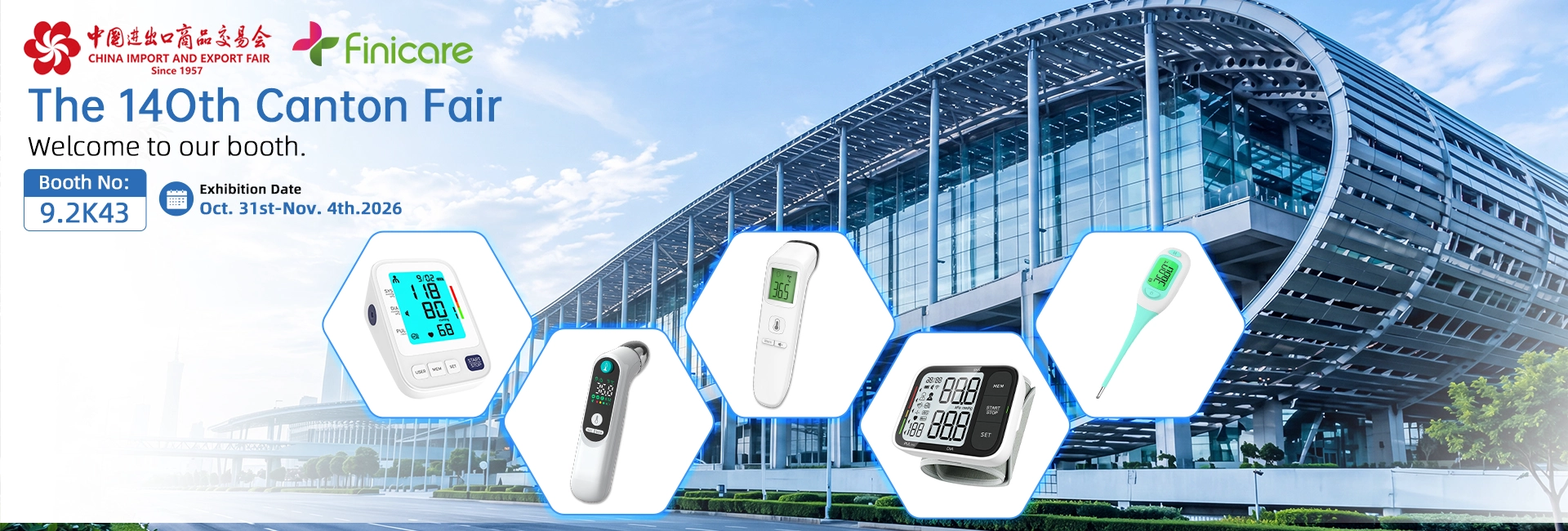
Blood Pressure Monitors and Infrared Thermometers: A Practical Guide for Family Caregivers in 2026
Family caregivers carry an enormous responsibility. Whether you are a parent watching over young children or an adult child managing the health of aging parents, having the right tools at home makes a measurable difference. Two devices stand at the center of effective home health management: the blood pressure monitor for home use and the non-contact infrared thermometer. This guide explains how caregivers can use these tools to provide better, safer care every day.
Why Caregivers Need a Reliable Home Blood Pressure Monitor
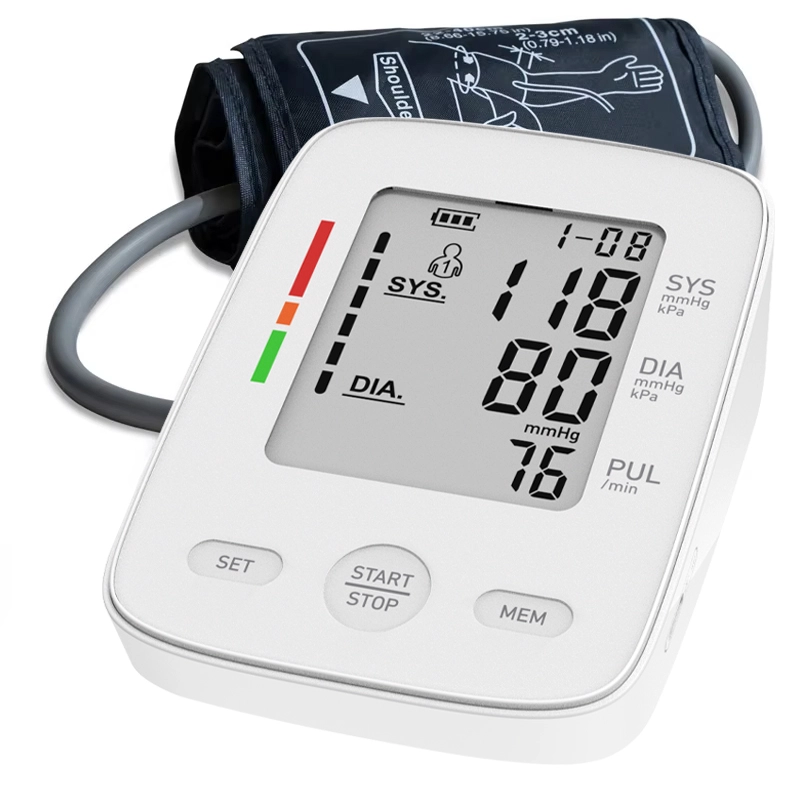
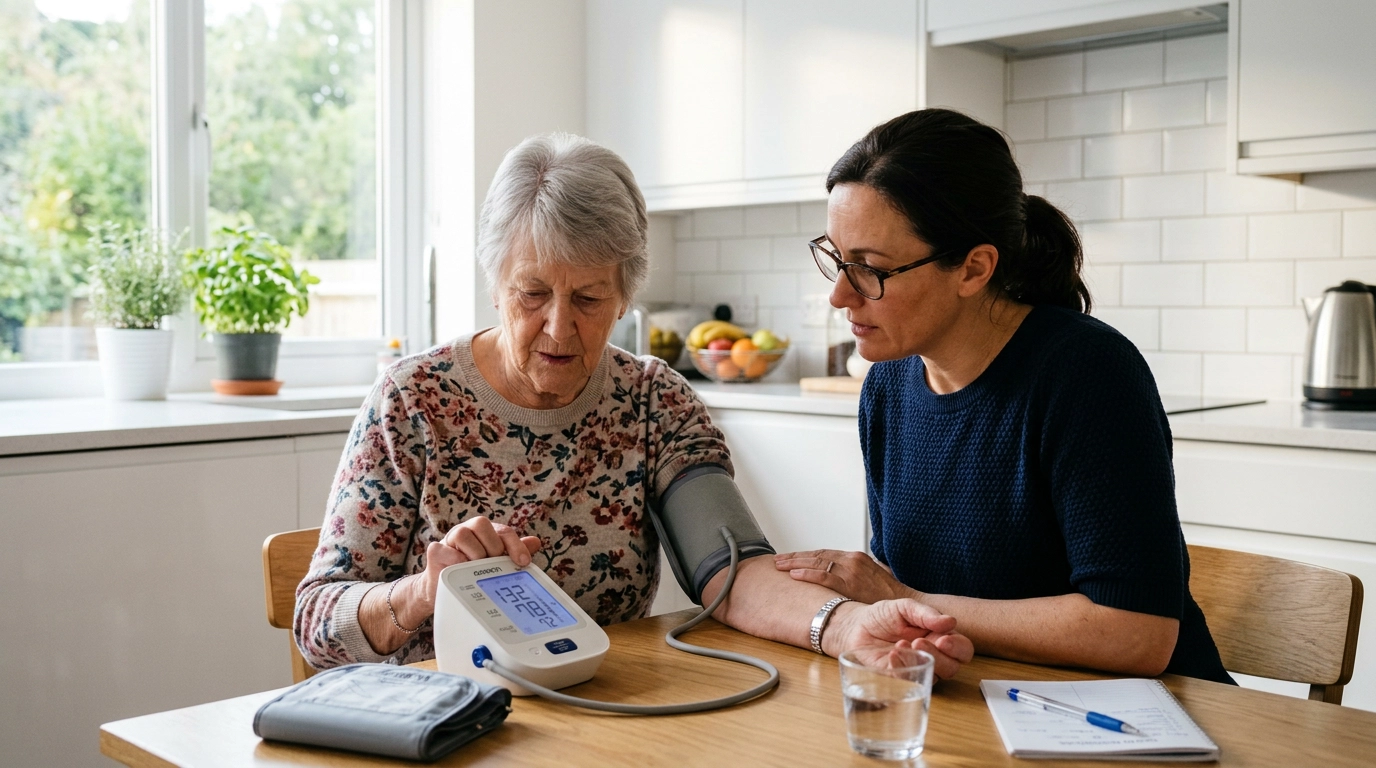
Hypertension is the most common chronic condition among older adults, affecting roughly half of all people over 65. Left unmonitored, high blood pressure quietly damages the heart, kidneys, and brain over months and years. For caregivers, a home blood pressure monitor is the frontline tool for catching dangerous trends early and communicating meaningful data to physicians.
A recent clinical trial involving 400 elderly participants found that those who used connected blood pressure monitoring platforms achieved a blood pressure control rate of 80.5 percent, significantly higher than the control group. The study confirmed that continuous data transmission enabled immediate remote medical interventions, including medication adjustments when readings fell outside safe ranges. These outcomes underscore why an accurate blood pressure monitor for home use is not just a convenience but a clinical necessity.
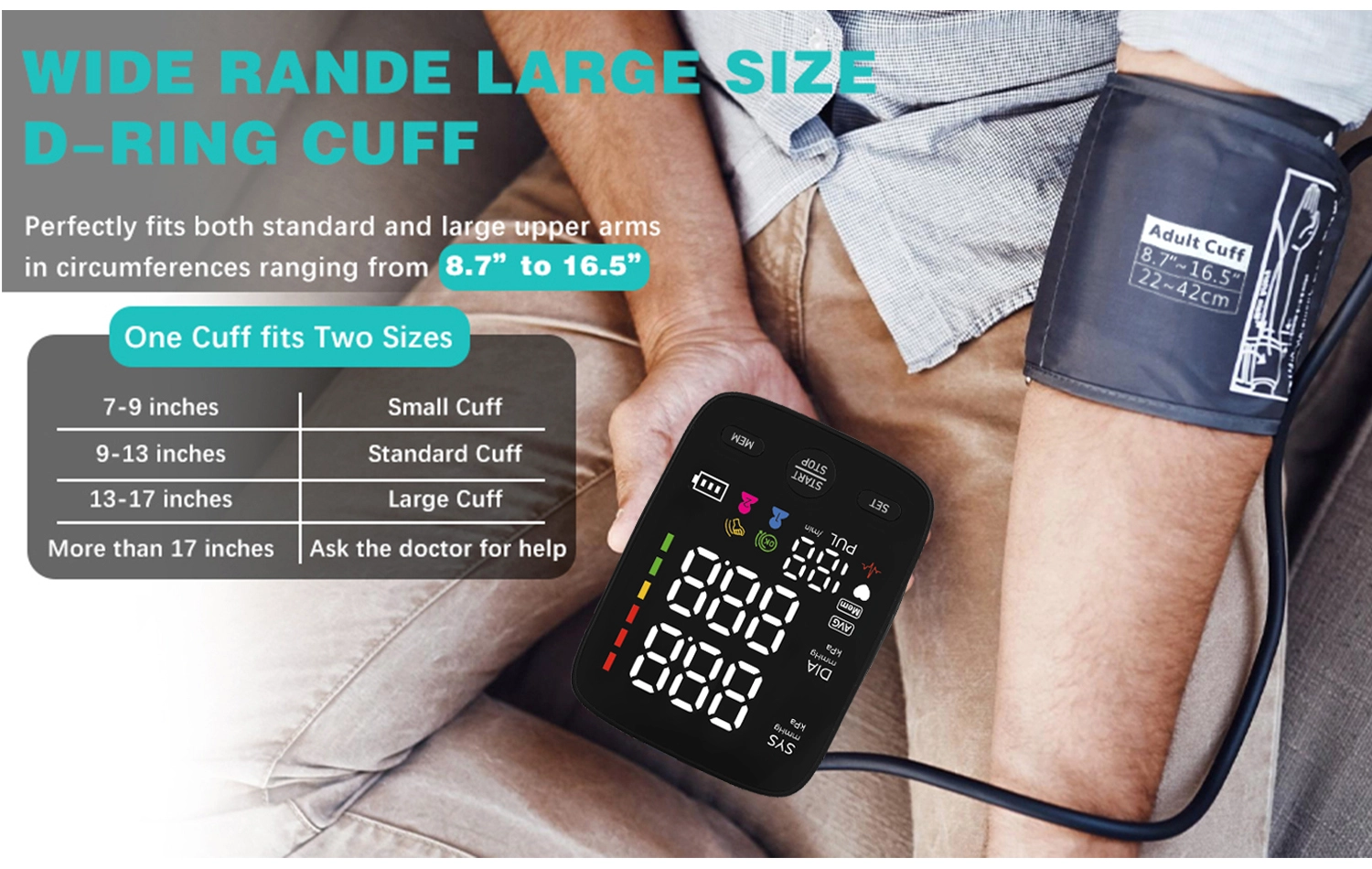
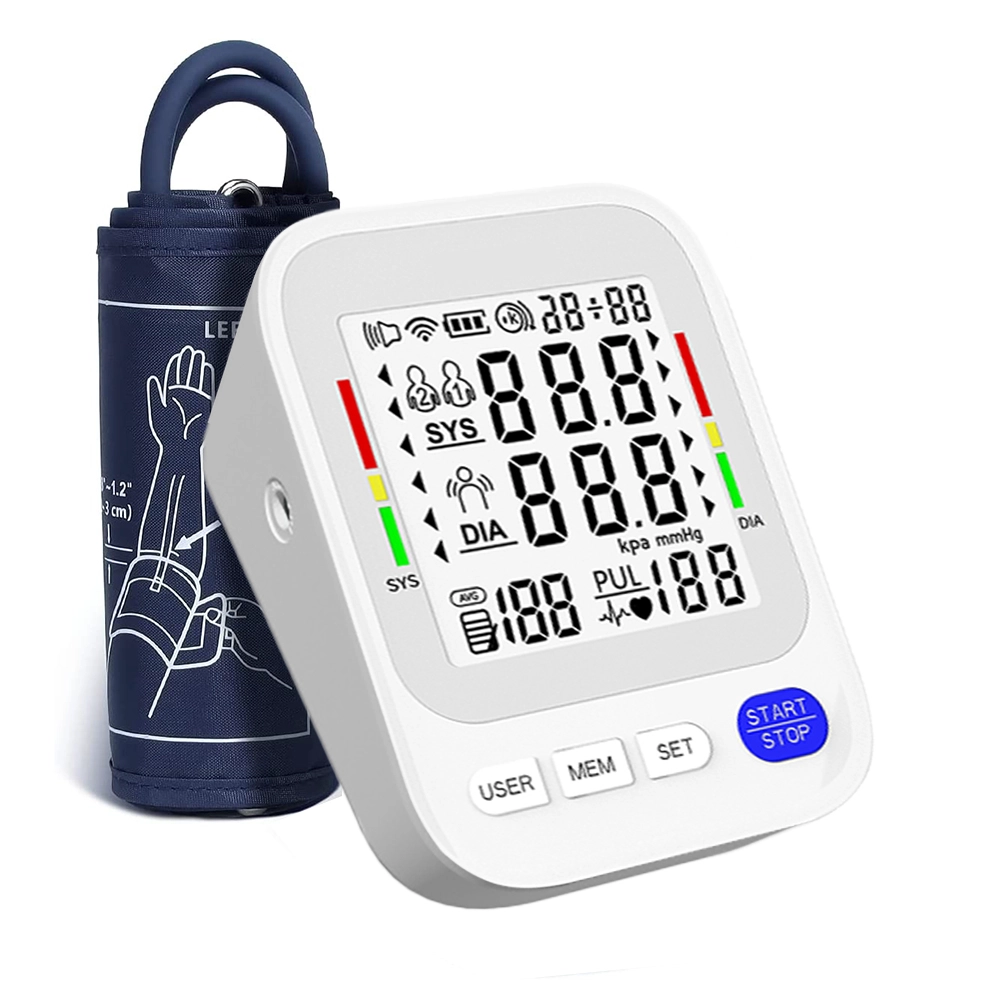
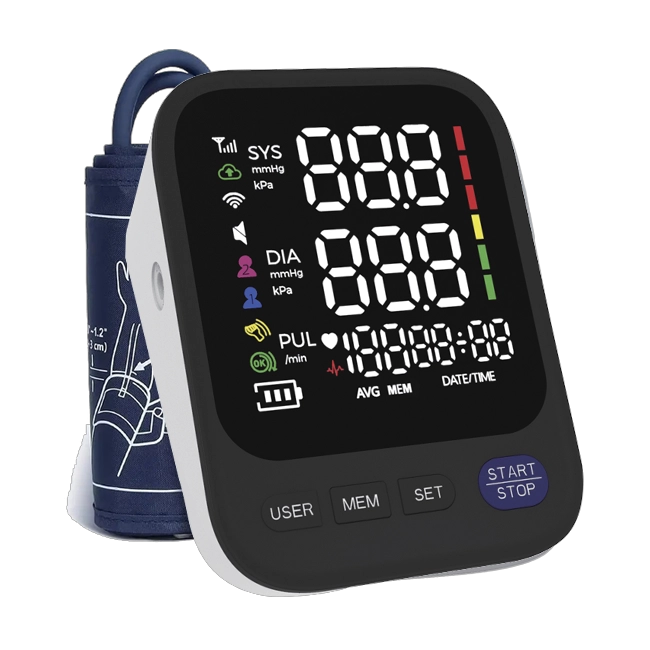
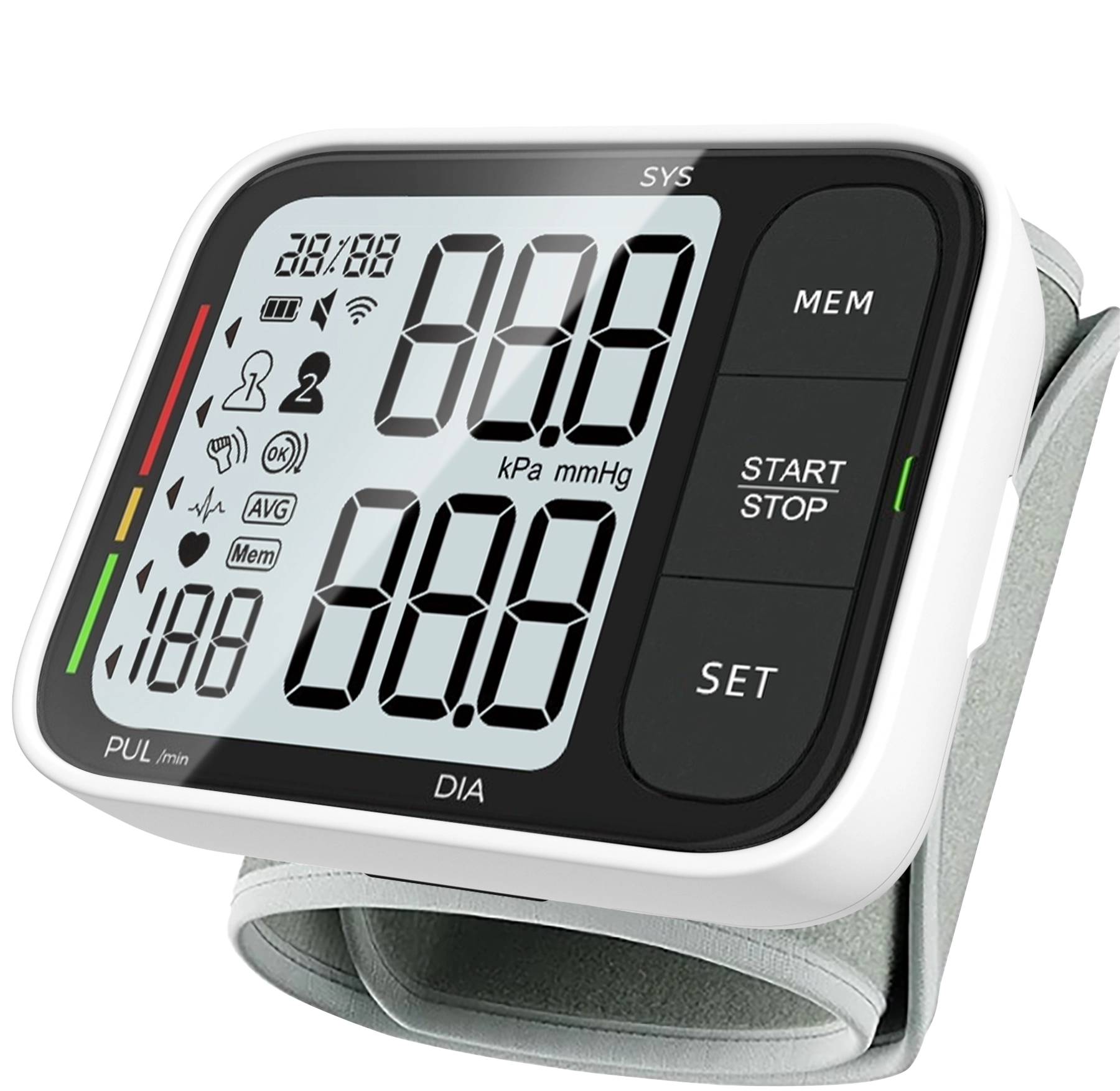
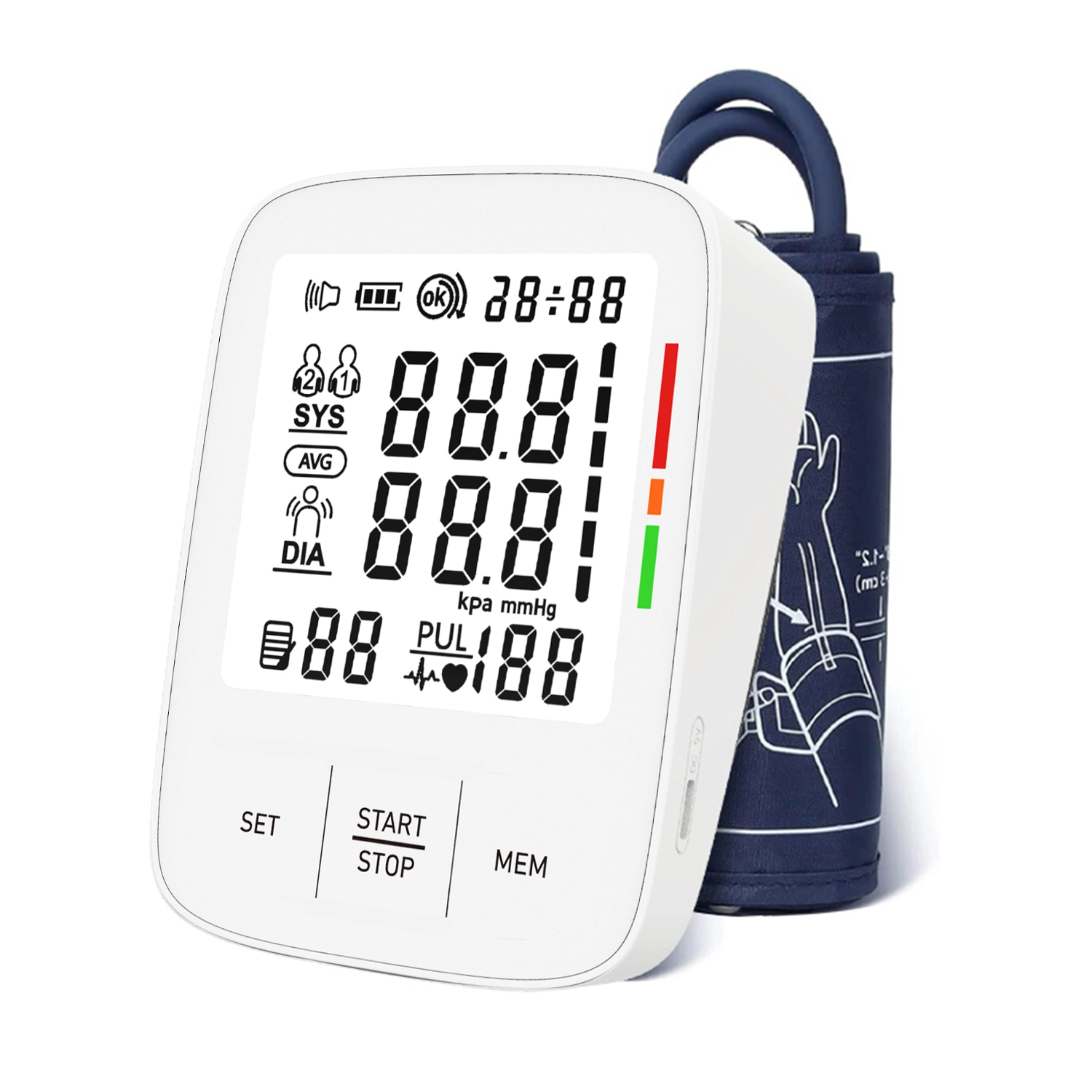
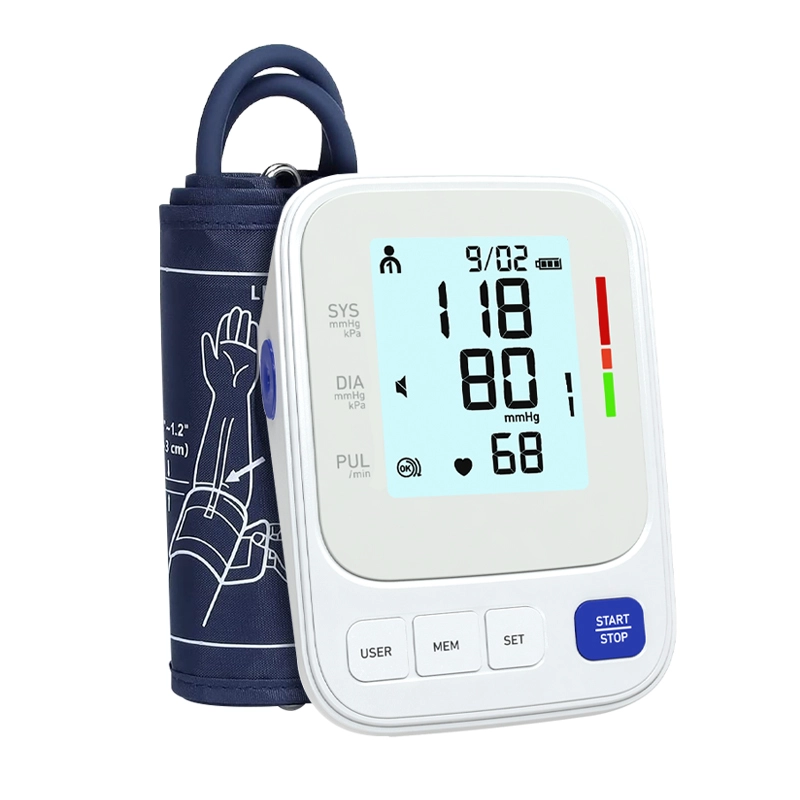
When selecting a digital blood pressure monitor for an elderly family member, ease of use is just as critical as accuracy. Look for a device with a large backlit display, one-button operation, and voice-guided instructions. The Omron 10 Series and the VitalTrack Pro are frequently cited in 2026 reviews as top choices for seniors because they combine clinical-grade accuracy with intuitive design.
Bluetooth blood pressure monitors add another layer of value for caregivers who do not live in the same household as their aging parents. Devices from OMRON, Withings, and iHealth sync readings automatically to smartphone apps, allowing a caregiver to review blood pressure trends remotely. Some platforms now send push notifications when a reading exceeds preset thresholds, enabling the caregiver to call a doctor or check in on the patient immediately.
For the best results with any at-home blood pressure monitor, maintain a consistent measurement routine. The patient should sit quietly for five minutes with feet flat on the floor, back supported, and the cuffed arm resting on a table at heart level. Avoid caffeine, meals, and physical activity for 30 minutes before measuring. Take two readings one minute apart at the same time each morning and evening, and log the average. This structured approach, recommended by the American Heart Association, provides physicians with the longitudinal data they need to make informed treatment decisions.
How Infrared Thermometers Help Caregivers Protect Vulnerable Family Members
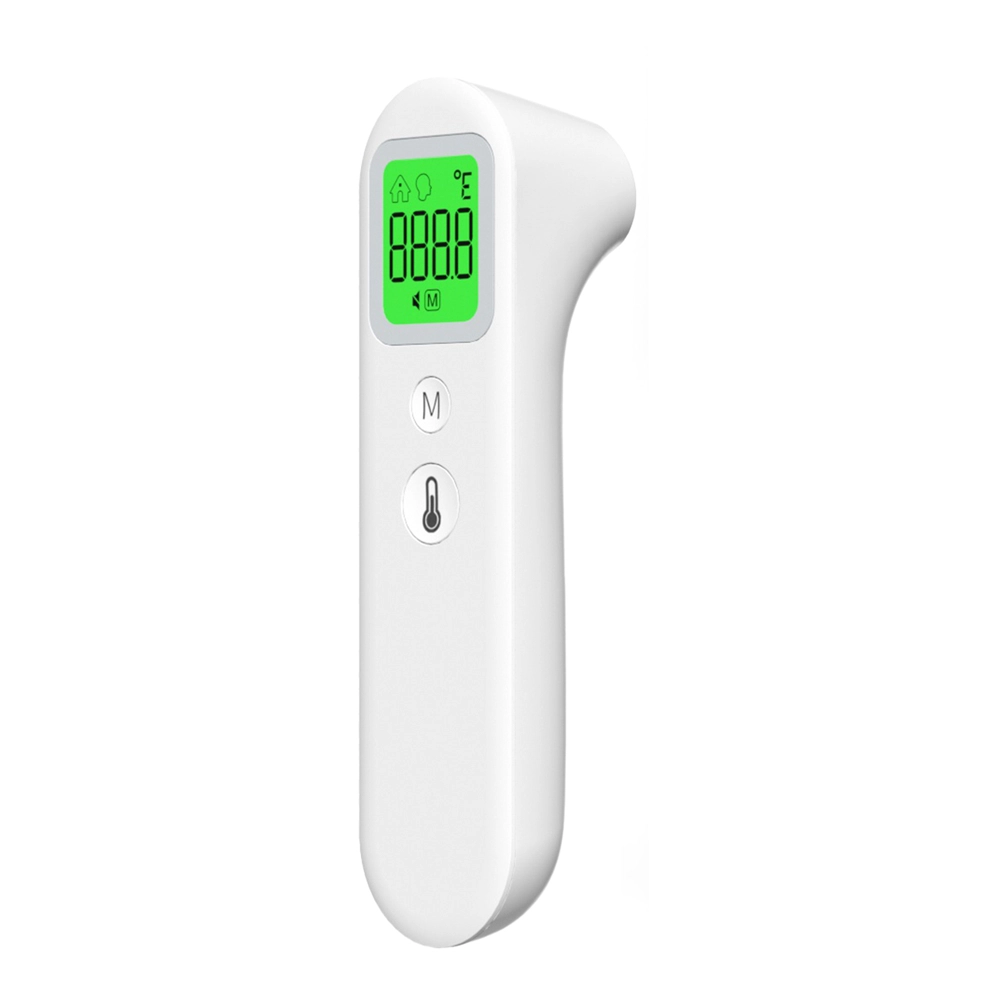
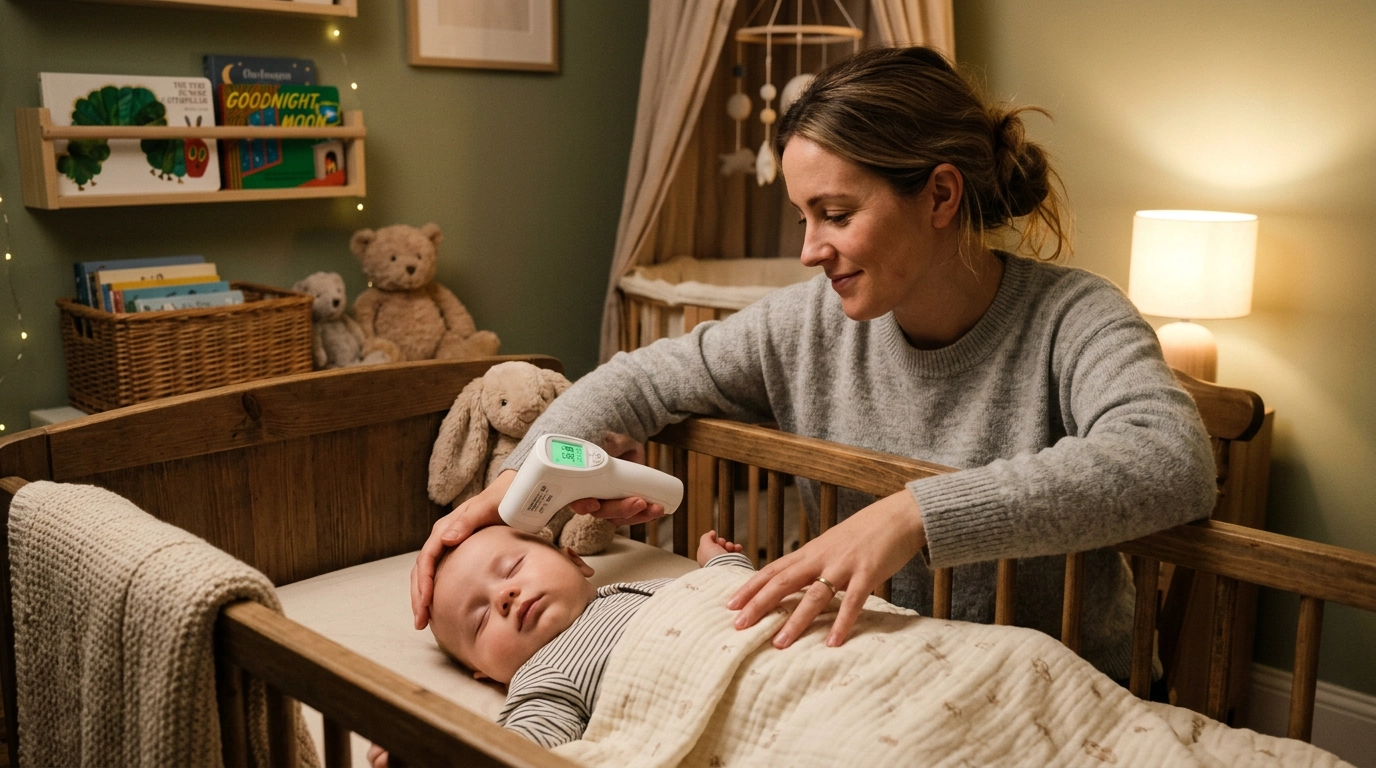
Temperature monitoring is a critical early warning system for infections, particularly among children under five and adults over 70. These age groups are the most vulnerable to complications from fevers, and they are also the most difficult to measure using traditional thermometers. A non-contact infrared forehead thermometer solves both problems at once.
Research published in pediatric health journals confirms that infrared thermometers are as accurate as traditional methods for detecting fever in children when used correctly. The non-contact approach eliminates the distress that comes with oral or rectal measurements, making it ideal for infants and toddlers. Parents can check a sleeping baby's temperature in under two seconds without any physical contact, reducing the risk of waking the child and introducing unnecessary stress.
For elderly care, a contactless infrared thermometer offers the same advantages. Seniors with dementia or cognitive decline may resist physical examination. A forehead infrared thermometer allows the caregiver to obtain a reading from a comfortable distance, maintaining dignity while ensuring that fevers are detected promptly.
Accuracy depends on proper technique. Always use the infrared thermometer for home use in a stable indoor environment. Ensure the forehead is dry, free of sweat, and not covered by hair or a hat. Hold the device at the manufacturer-specified distance, usually 3 to 5 centimeters, and take two to three readings in succession, then record the average. If the person has just come in from outdoors, wait at least 15 minutes for skin temperature to stabilize before measuring.
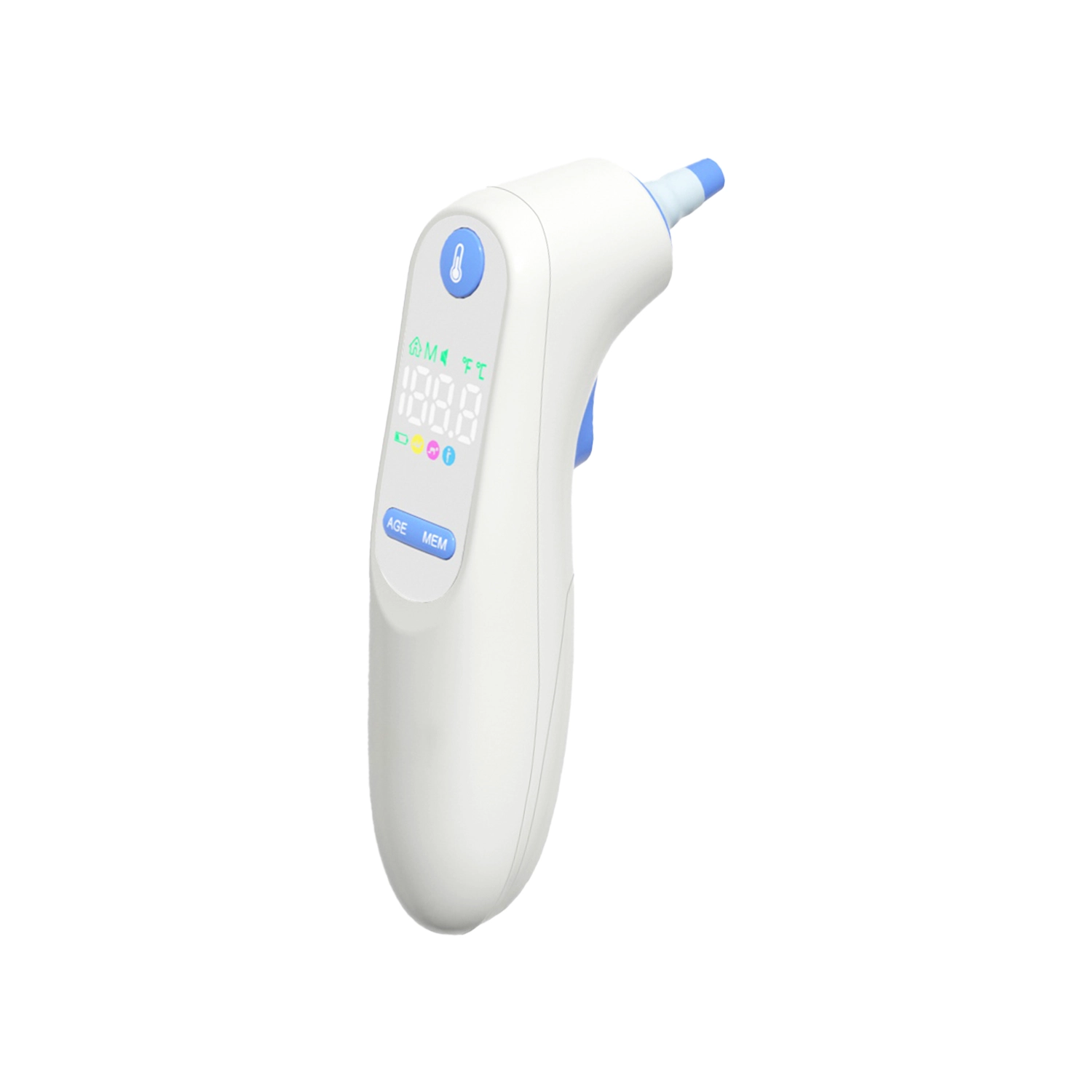
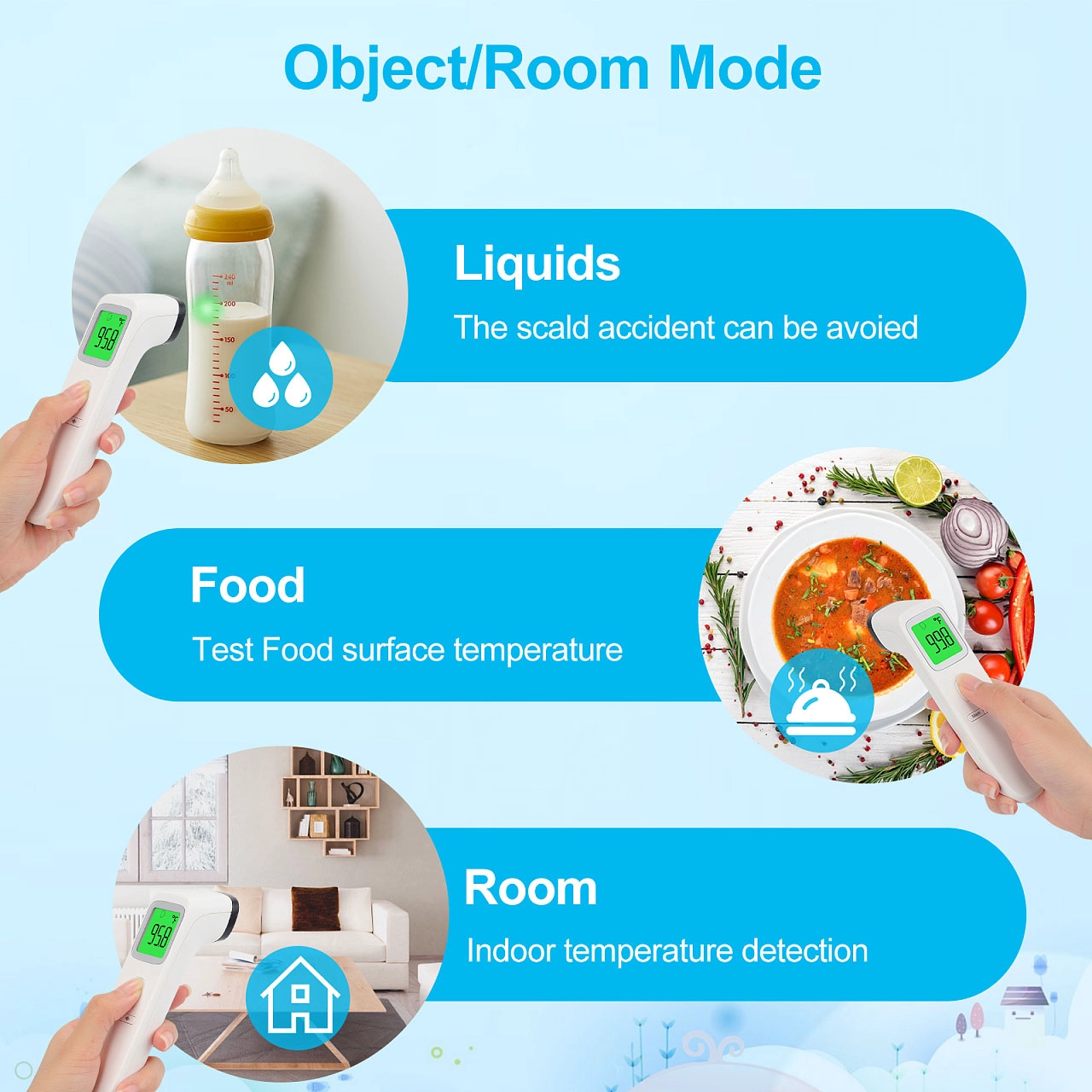
The latest generation of medical grade infrared thermometers includes features designed specifically for caregivers. Multi-mode functionality lets one device measure forehead, ear, and ambient temperature. Color-coded fever indicators provide an instant visual assessment, with green for normal, yellow for mild elevation, and red for fever requiring attention. Memory storage for up to 40 readings helps caregivers track temperature patterns over several days and share this data with the attending physician during telehealth appointments.
Among the top-rated models in 2026, the Braun ThermoScan 7 leads for ear accuracy, while the GoodBaby FC-IR202 ranks highest for touchless forehead readings. For caregivers on a budget, the iHealth PT3 offers reliable performance at an affordable price.
Combining Both Devices for Comprehensive Home Care
The greatest benefit comes when a blood pressure monitor and an infrared thermometer are used together as part of a daily caregiving routine. A morning blood pressure check paired with a quick temperature reading takes less than five minutes but provides a powerful health snapshot that can reveal developing problems before they become emergencies.
For caregivers managing a parent's health remotely, consider assembling a connected home health kit. Choose a wireless blood pressure monitor with app integration and automatic cloud sync. Pair it with a digital infrared thermometer that offers memory recall and data logging. Together, these devices create a continuous health record that travels with the patient from home to clinic.
Telehealth adoption continues to accelerate in 2026. Remote patient monitoring programs now reimburse providers for reviewing home blood pressure data, creating a financial incentive for physicians to encourage patients to monitor at home. This shift benefits caregivers directly, as the data collected from a home blood pressure cuff and infrared thermometer feeds directly into care plans that are adjusted in real time.
The role of the family caregiver is evolving from passive observer to active participant in the healthcare process. The right home blood pressure monitor and the right infrared thermometer are the tools that make this participation possible. They are affordable, straightforward to use, and clinically proven to improve outcomes for the people who matter most.