


How to Find a Reliable Medical Device Supplier: A Complete Buyer's Verification Guide
Preface
Choosing a medical device supplier is one of the highest-stakes decisions a distributor, clinic chain, pharmacy group, or healthcare brand will ever make. The supplier you select controls your regulatory exposure, your defect rates, your delivery performance, and ultimately patient safety. Industry sourcing guides published for 2026 describe a clear market shift: procurement teams increasingly prioritize reliability over unit cost, because a cheap device that fails an audit or triggers a recall costs far more than it saves. The practical question facing buyers is therefore not where to find suppliers, since thousands advertise online, but how to find a reliable medical device supplier whose certifications, production capability, and quality culture can withstand independent verification. This guide walks through the complete evaluation process used by professional procurement teams: defining requirements, verifying legal and regulatory status, checking certifications against issuing bodies, auditing factories on site, recognizing red flags before they become recalls, and scaling from trial orders to long-term partnership. It is written for importers, distributors, healthcare procurement managers, and brand owners who need a repeatable, evidence-based method for supplier selection rather than a checklist of slogans.
Table of Contents
- 1. Why Supplier Reliability Matters More Than Price
- 2. Define Your Product, Regulatory, and Volume Requirements
- 3. Verify Legal Status, Certifications, and Regulatory Registrations
- 4. Where to Search: Trade Shows, B2B Platforms, and Referrals
- 5. How to Audit a Medical Device Factory Before Committing
- 6. Red Flags: Warning Signs of an Unreliable Supplier
- 7. Trial Orders, Quality Agreements, and Traceability
- 8. Finicare BP130: What a Verifiable Manufacturer Looks Like
- 9. Building a Long-Term Supplier Partnership
Summary
References
SEO Keywords
1. Why Supplier Reliability Matters More Than Price
For decades, medical device sourcing conversations started with unit price. The 2026 procurement landscape looks different. Industry analysts report that global buyers are shifting decisively toward reliability as the primary selection criterion, because regulatory enforcement, product liability, and reputational risk have all increased. A single shipment of non-compliant devices can freeze a distribution license, trigger customs seizure, or expose a healthcare brand to litigation that dwarfs any unit-cost saving.
Reliability is not a single attribute but a bundle of verifiable facts: a legally registered manufacturer, a certified quality management system, consistent production capability, honest communication, and traceability that survives regulatory inspection. Any serious framework for how to find a reliable medical device supplier must therefore treat the supplier as a long-term risk partner rather than a vendor of parts. The sourcing guides published for 2026 also warn against fragmented sourcing, the practice of spreading small orders across many unverified suppliers to chase the lowest quote. Fragmentation multiplies audit workload, dilutes accountability, and makes recalls harder to trace.
Geography is part of the reliability conversation as well. While China remains the dominant manufacturing base for home medical devices, regional hubs in Georgia, Dubai, Turkey, and Poland are emerging as secondary sourcing locations for buyers who want shorter logistics chains. Whatever the region, the verification method stays the same: documents first, factory second, trial order third. A buyer who follows that sequence can work confidently in any market.
2. Define Your Product, Regulatory, and Volume Requirements
Before contacting any factory, write down what you actually need. Buyers who skip this step waste weeks quoting with suppliers who cannot serve them, and suppliers who receive vague inquiries respond with vague promises.
Start with the device classification. Blood pressure monitors, infrared thermometers, and nebulizers are typically Class II devices in the United States and Class IIa devices under the European MDR, which means they require quality-system oversight and, for many markets, documented conformity assessment. Knowing the classification tells you which certifications a supplier must legitimately hold and which regulatory databases you can use to verify them.
Next, define your target markets. A device destined for the United States needs FDA establishment registration and, for most blood pressure monitors, a 510(k) clearance. The European Union requires MDR conformity with a notified body certificate. Australia, Japan, Brazil, China, and the United Kingdom each add their own registration layers. If your supplier cannot name and document the registrations relevant to your markets, the search is over before it began.
Finally, define volumes, customization scope, and service expectations. A buyer ordering 500 units per year with private labeling has different needs than a chain ordering 50,000 units with custom firmware, packaging, and multilingual manuals. State whether you need OEM execution of an existing design or ODM development of a new one, what annual volumes you project, and what lead time your market requires. Precise requirements filter the supplier pool faster than any search engine, and they give every later audit a concrete baseline to measure against.
3. Verify Legal Status, Certifications, and Regulatory Registrations

Face-to-face verification of certificates and product samples in a manufacturer showroom
The first hard checkpoint in how to find a reliable medical device supplier is documentary verification. Factory audit guides published in 2026 put it bluntly: falsified documents are an unconditional disqualifier, and the only safe assumption is that a certificate attached to a quotation has not been verified until you have checked it yourself.
Verify the business license first. In China, a unified social credit code lookup confirms that the legal entity exists, when it was registered, and what its business scope covers. A company registered six months ago claiming fourteen years of manufacturing experience is a contradiction worth probing.
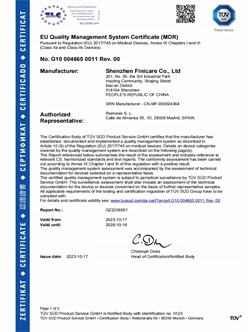
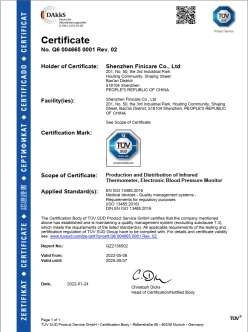
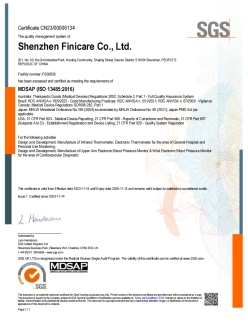
Verify the quality management certificate second. ISO 13485:2016 is the baseline quality standard for medical device manufacturers worldwide, and GMP compliance matters for markets that require it. Do not accept a PDF at face value: contact the certification body named on the certificate, quote the certificate number, and confirm that it is genuine and current. Factory audit specialists report that fake or expired ISO certificates remain among the most common findings in first-time supplier audits.
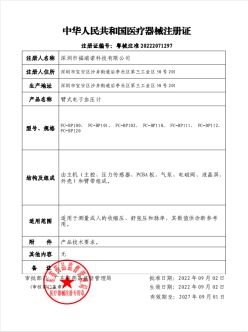
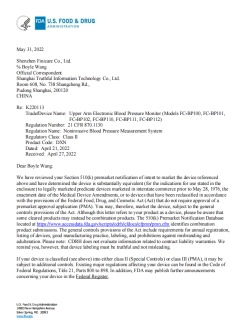
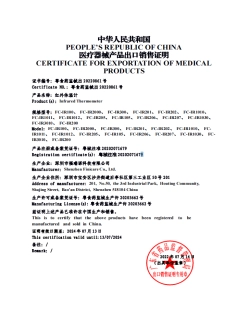
Verify regulatory registrations third. In the United States, the FDA maintains public databases of establishment registrations and 510(k) clearances that anyone can search free of charge. In Europe, certificates issued by notified bodies can be confirmed directly with the notified body, and device registrations are migrating into EUDAMED. For China's NMPA, Australia's TGA, and other national databases, the principle is identical: verify with the issuer, never with the supplier's own file server.
This documentary layer costs nothing but time, and it eliminates a large share of unsuitable suppliers before any money is spent. Suppliers who resist verification, delay sending certificates, or answer document questions with marketing language have answered your question in the only way that matters.
4. Where to Search: Trade Shows, B2B Platforms, and Referrals
Once requirements and verification criteria are defined, the search itself can begin. Trade shows remain the single most efficient venue. Events such as MEDICA in Dusseldorf, CMEF in Shanghai, and component-focused shows like Medtec China let buyers meet supplier principals face to face, handle production samples, and watch how a company's staff answer technical questions under time pressure. Sourcing advisors consistently recommend meeting shortlisted suppliers in person before scaling any procurement program, because a booth conversation reveals more than a hundred email exchanges.
Online B2B platforms are useful for discovery but dangerous as a verification source. Listing sites aggregate thousands of manufacturers and trading companies behind similar storefronts, and platform badges measure marketing activity, not quality capability. Use platforms to build a long list, then apply the documentary verification from the previous chapter to cut it down.
Referrals close the gap that neither shows nor platforms can. Ask the supplier for reference customers in your market segment, and ask industry peers which factories have delivered for them through an audit cycle or a corrective action. A supplier's willingness to arrange a call with an existing customer is itself a reliability signal.
Finally, distinguish manufacturers from trading companies. Neither is inherently wrong, but a trading company presenting itself as a factory creates a traceability and accountability gap that surfaces at the worst possible time, usually during a quality investigation. Request the production address, cross-check it against the business license, and confirm during the factory visit that the line you tour is the line that will make your order.
5. How to Audit a Medical Device Factory Before Committing
A third-party auditor walking the production line of a medical device factory
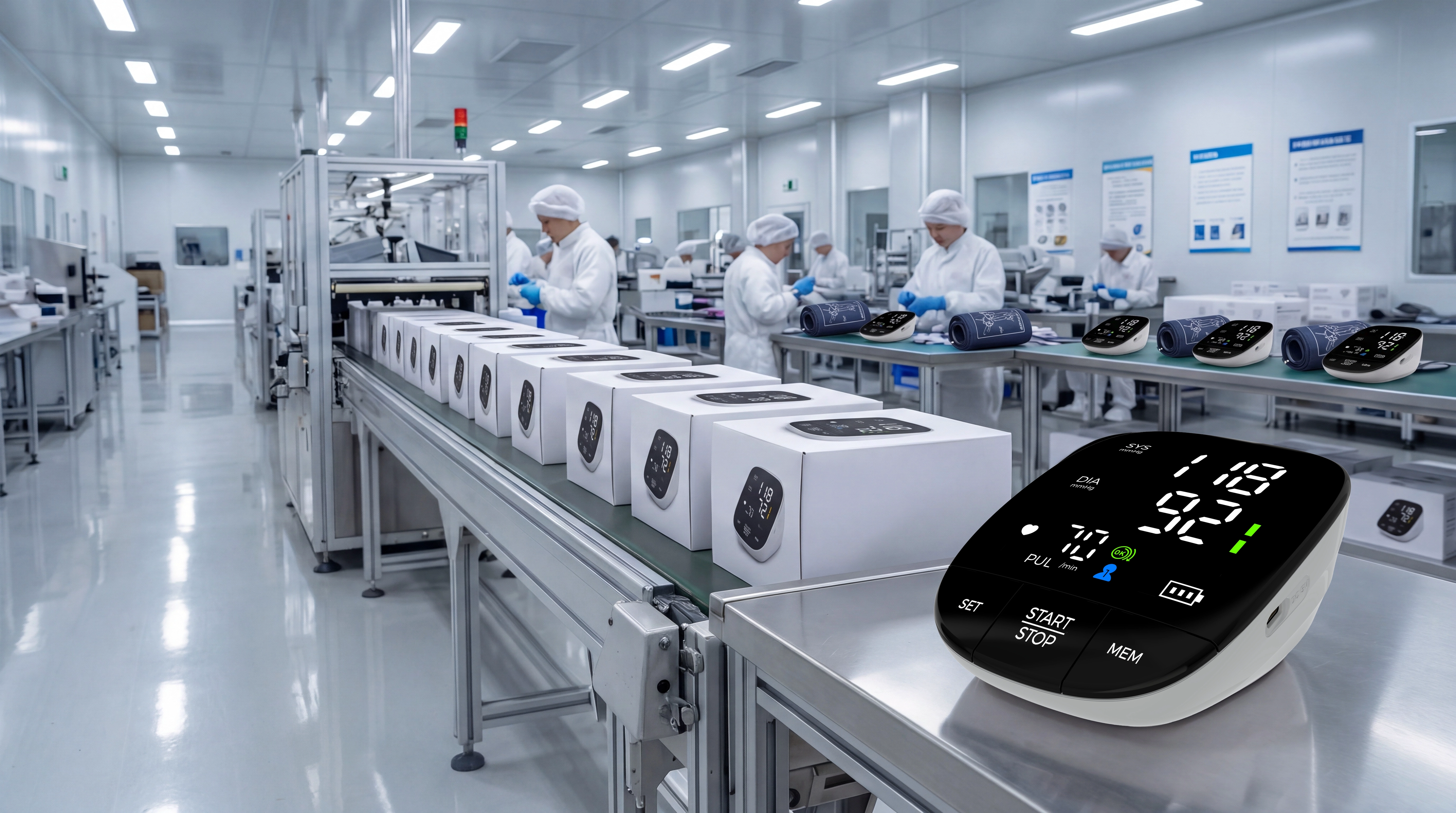
Documents tell you what a supplier claims; the audit tells you what is true. Third-party factory audits in China typically cost between 300 and 1,200 US dollars per day depending on scope and location, which makes an on-site or third-party audit one of the cheapest insurance policies in the entire sourcing process.
A competent medical device factory audit covers four zones. The document review examines the quality manual, ISO 13485 scope, design history files, and regulatory registrations. The production walk-through follows one product from incoming materials through assembly, calibration, and packaging, checking that the process you observe matches the process described in documents. The quality control review inspects incoming inspection records, in-process checks, calibration stickers on test equipment, and final inspection reports against defined acceptance criteria. The management review looks at CAPA records, internal audit schedules, training files, and customer complaint handling, because a factory's response to its own problems predicts its response to yours.
Two techniques make audits dramatically more revealing. First, sample the traceability chain live: pick one serial number from finished goods and follow it back to incoming material lots; a factory that cannot complete this within minutes has a traceability problem that regulators will eventually find. Second, talk to line workers away from management. Coached audits are a documented pattern, and the classic symptom is line staff whose answers contradict what management just said about shift patterns, process controls, or subcontracting.
Buyers who cannot travel can commission third-party audits or conduct structured video walk-throughs, requesting live camera movement through production and QC areas rather than a prepared presentation. Whatever the format, understanding how to find a reliable medical device supplier means understanding that the audit is not a formality but the core of the decision.
6. Red Flags: Warning Signs of an Unreliable Supplier
Audit professionals have catalogued the warning signs that reliably predict trouble, and the 2026 literature converges on a consistent list. Treat any single red flag as a reason for deeper investigation, and treat several together as a decision to walk away.
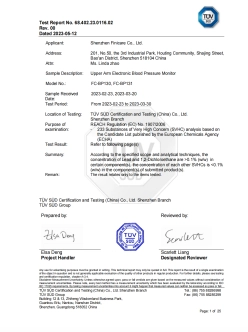
Falsified documents head the list: invalid licenses, expired ISO certificates, or test reports whose issuing laboratories deny authorship. Restricted access is the physical equivalent, because a factory that bars auditors from a warehouse, a sub-assembly room, or a night shift is concealing something specific. Undisclosed subcontracting breaks regulatory traceability and is a documented pattern in device supply chains; if components migrate to an off-site workshop you have never audited, your certificate coverage may end at the factory gate.
On the production floor, dusty or uncalibrated test equipment proves that stated quality control exists only on paper. Missing CAPA records mean the factory does not systematically track defects to closure. No material traceability records mean that a future recall cannot be executed without scrapping entire inventory. Capacity misrepresentation, claimed output that the equipment and headcount cannot physically produce, signals deeper dishonesty.
Organizational signals matter as much as technical ones. High staff turnover drains institutional quality knowledge, and inconsistent answers between workers and management indicate a prepared performance rather than a functioning system. Poor floor organization predicts inconsistent output. Finally, keep economic logic in view: a quotation dramatically below every competitor is the low-cost trap that sourcing guides warn about, because sustainable quality has a floor price, and suppliers below it recover margin somewhere you will eventually discover.
7. Trial Orders, Quality Agreements, and Traceability
Verification does not end when the audit report looks clean. Sourcing advisors uniformly recommend trial orders before scaling procurement: a pilot batch of several hundred units exposes how the factory behaves under a real purchase order, with real deadlines and real money, in a way no audit can simulate.
Structure the trial deliberately. Agree on acceptance quality limits for pre-shipment inspection, and either attend the inspection or commission an independent third-party inspector. Compare the delivered units against the golden sample: packaging, labeling, accessories, firmware behavior, and measurement performance on a reference device. Document every deviation and watch how the supplier responds, because the corrective action loop on a small order predicts the loop on a large one.
Put a written quality agreement in place before the first production order. The agreement should specify which entity manufactures the goods, which standards and regulations apply, how changes to components or processes are notified and approved, how nonconforming product is handled, and where liability sits. Mature manufacturers sign such agreements routinely; hesitation is a signal.
Traceability obligations should be contractual as well. Unique device identification requirements continue to expand across markets, and a supplier whose lot numbering, serial control, and distribution records align with UDI principles protects your ability to answer regulator questions years after shipment. Suppliers with structured data systems handle this naturally; suppliers running on spreadsheets will create the documentation gap that surfaces during your next audit or, worse, during a field safety notice.
8. Finicare BP130: What a Verifiable Manufacturer Looks Like
Finicare BP130 upper-arm blood pressure monitor
Cleanroom production and packaging line for certified home medical devices
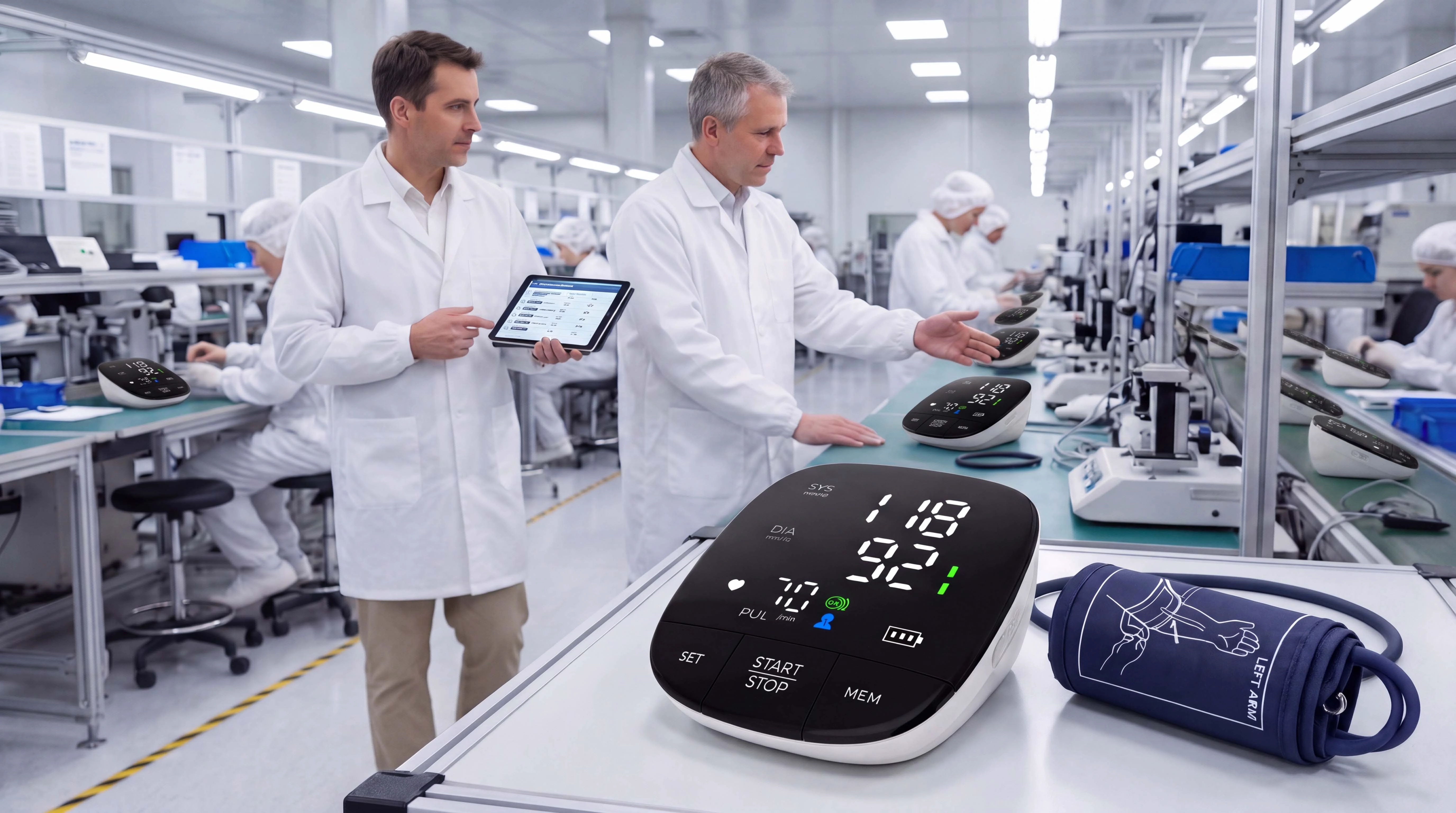
The evaluation framework above has a concrete reference point. Finicare, established in 2017 and integrating research and development, production, and sales, is a Shenzhen-based medical device manufacturer exporting to more than 80 countries. For buyers working through how to find a reliable medical device supplier, Finicare's file illustrates what complete, verifiable documentation looks like in practice.
On the product side, Finicare devices hold FDA 510(k) clearance, CE certification under the MDR, TGA registration for Australia, MDL listing for Canada, UKRP compliance for the United Kingdom, NMPA registration for China, and FSC, FCC, and RoHS certifications covering safety and free-sale requirements across additional markets. On the factory side, the quality system is certified to ISO 13485, with MDSAP recognition covering regulatory audits across multiple jurisdictions and BSCI social compliance auditing the supply chain's labor standards. Every one of these documents can be verified through its issuing body, and prospective buyers are invited to do exactly that.
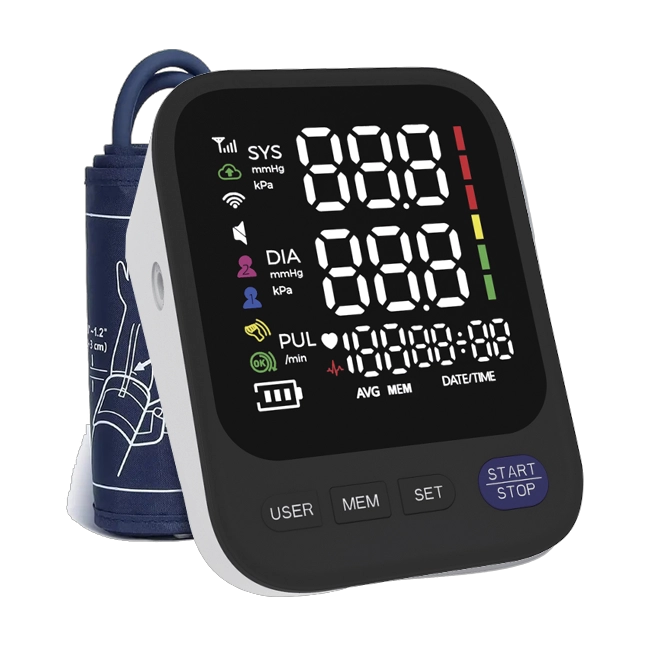
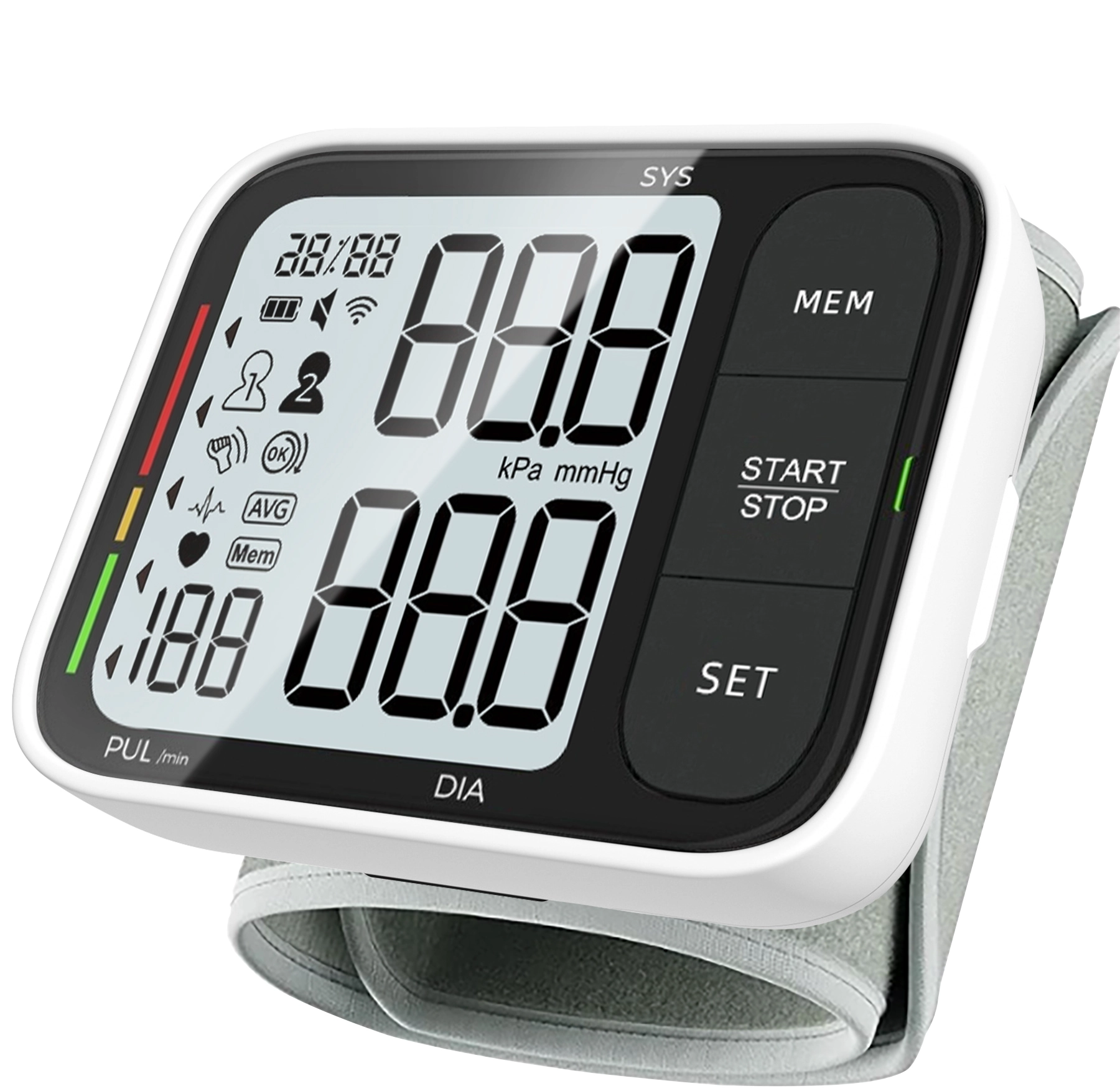
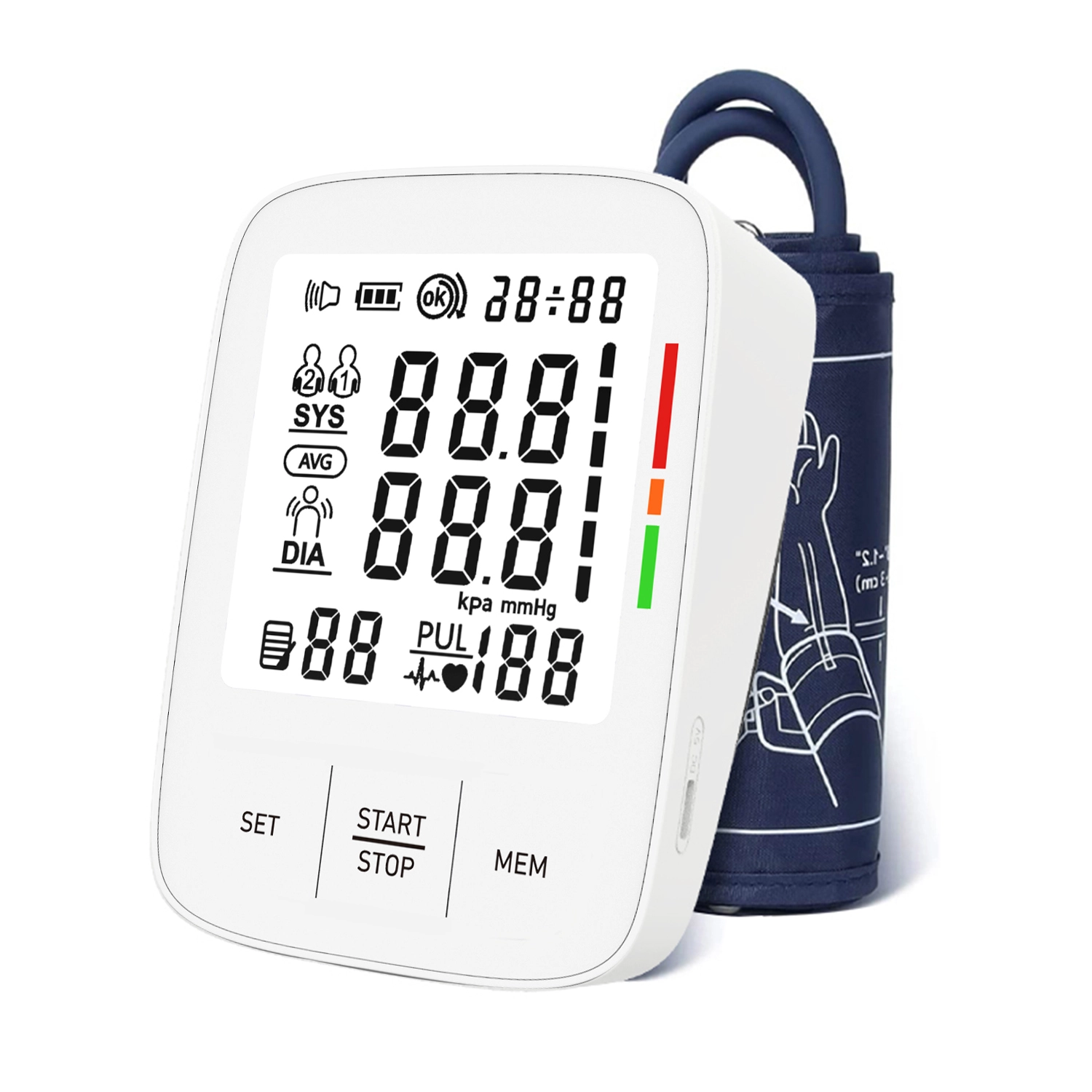
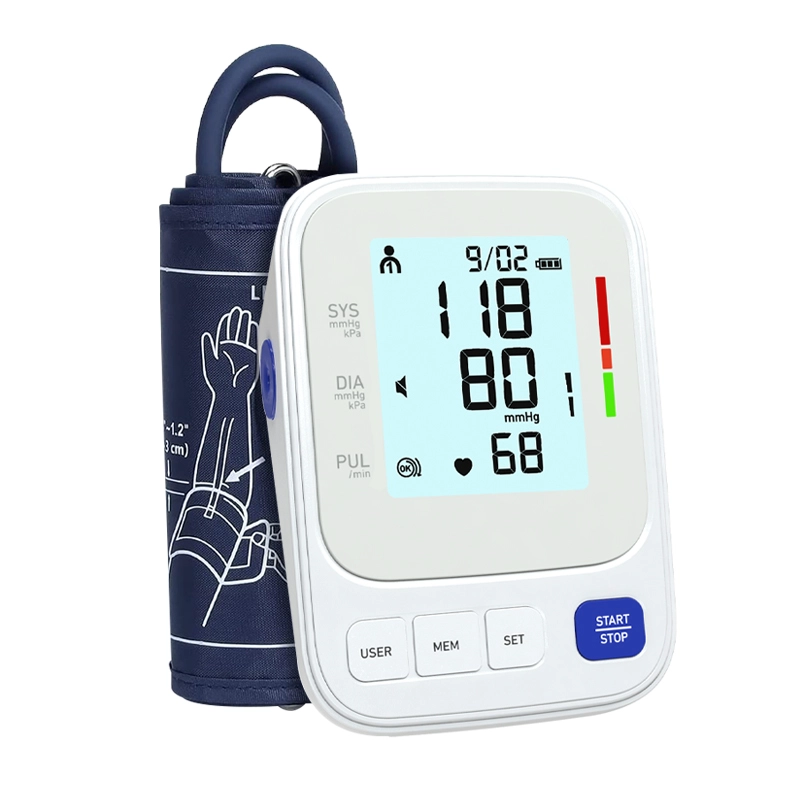
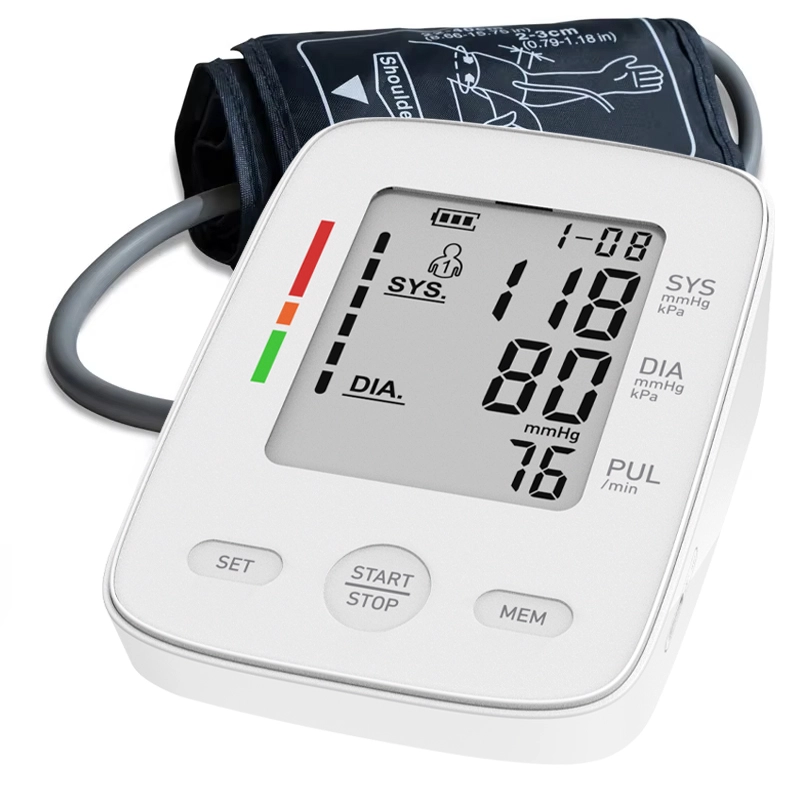
The product portfolio gives the certifications a face. The Finicare BP130 upper-arm blood pressure monitor pairs a glossy white body with a black display panel, a large LCD showing systolic, diastolic, and pulse readings alongside a vertical color-coded risk indicator bar, dual-user memory with average-mode readings, Bluetooth connectivity for health applications, and USB-C charging. Devices of this class ship with the documentation set international buyers should expect: instructions for use in multiple languages, declared accuracy specifications, and conformity documentation matching the destination market.
Finicare's position on supplier evaluation is straightforward: certifications are claims until verified, so the company treats every buyer's verification process as part of the sale. Document packages, audit visits, video factory tours, and trial-order programs are standard parts of the onboarding process rather than exceptions granted to special customers.
9. Building a Long-Term Supplier Partnership
Finding a reliable supplier is the beginning of a relationship, not the end of a project. The buyers who get the best long-term results treat verified manufacturers as partners in continuous improvement rather than interchangeable quote sources.
Establish a communication cadence with defined contacts on both sides: a commercial owner, a quality owner, and an engineering contact for product questions. Hold structured performance reviews covering defect rates, on-time delivery, corrective action closure time, and upcoming regulatory changes. Share your demand forecast honestly, because factories that can see six months ahead reserve capacity and materials; factories kept in the dark quote conservatively and deliver late.
Invest in the relationship during product development. Manufacturers with in-house R&D contribute far more value during design than after it, from component selection that simplifies regulatory approval to packaging engineering that reduces shipping damage. Buyers who involve the factory early consistently receive better products at better cost than buyers who present finished specifications for bidding.
Finally, balance resilience with focus. The 2026 sourcing guidance warning against fragmented sourcing does not mean single points of failure are wise; it means that adding suppliers should follow the same verification discipline as the first one. A small panel of audited, certified manufacturers with clear quality agreements outperforms a long tail of unverified sources on every measure that regulators, insurers, and customers actually track.
Summary
Learning how to find a reliable medical device supplier comes down to a verification sequence that any buyer can execute. Define your device classification, target markets, and volumes before searching, so every later evaluation has a baseline. Verify the business license, the ISO 13485:2016 certificate, and every regulatory registration directly with issuing bodies, because falsified documents remain the most common finding in first-time supplier audits. Use trade shows for face-to-face assessment, B2B platforms only for discovery, and referrals to test real-world performance. Audit the factory on site or through a third party at a typical cost of 300 to 1,200 dollars, walking one product through the full process and sampling the traceability chain live. Recognize the documented red flags: restricted access, undisclosed subcontracting, dusty test equipment, missing CAPA records, no traceability, capacity misrepresentation, high turnover, and quotations below any sustainable floor. Then scale through trial orders, written quality agreements, and UDI-aligned traceability before committing volume.
Reliability, not unit price, is the selection criterion that 2026 procurement guides consistently emphasize, because the true cost of a supplier failure lands in recalls, seizures, and lost market access. Finicare, established in 2017 and integrating R&D, production, and sales, manufactures certified home medical devices, including the BP130 upper-arm blood pressure monitor, exported to more than 80 countries, with product certifications including FDA 510(k), CE (MDR), TGA, MDL, UKRP, NMPA, FSC, FCC, and RoHS, and factory certifications including ISO 13485, MDSAP, and BSCI. Buyers applying the framework in this guide will find that verifiable manufacturers welcome the scrutiny, and that the welcome itself is the strongest reliability signal of all.
References
1. How to Find Medical Device Component Suppliers in China? - Medtec China. https://en.medtecchina.com/media/market-intelligence/how-to-find-medical-device-component-suppliers-china/
2. Global Medical Supplier Selection: 2026 Procurement Guide - IMT Medical Devices. https://imtmedicaldevices.com/blog/global-medical-supplier-selection-2026-procurement
3. China Factory Audit Guide 2026: Checklist, Costs & Red Flags - Elite Global Trade. https://eliteglobaltrade.co/china-factory-audit-complete-guide
4. Factory Audit Red Flags: 12 Warning Signs to Never Ignore - TradeAiders. https://www.tradeaiders.com/red-flags-in-a-factory-audit-report-12-warning-signs-you-should-never-ignore.html