


Bluetooth Pulse Oximeter: What the App Adds, What the Sensor Still Cannot Do
Preface
A bluetooth pulse oximeter looks almost identical to the finger clip sold at a pharmacy counter. The difference is a small radio module that sends SpO2 and pulse rate to a phone, tablet, or care platform.
That single addition changes what a home reading can become: a timestamped record instead of a scribbled number, a trend instead of a snapshot, and a data stream a clinician can review without asking the patient to remember anything. It does not change the physics of the sensor, the limits of light absorption through a fingertip, or the fact that a normal-looking number can be wrong in a cold hand or under dark nail polish.
This guide separates the two questions that buyers usually blend together. First, does it measure oxygen saturation accurately? Second, does the Bluetooth connection make that measurement more useful? The answers are different, and both matter. It is written for caregivers managing a parent with COPD, for patients discharged after surgery, for clinic staff building a remote monitoring program, for athletes tracking altitude adaptation, and for distributors comparing connected pulse oximeters for retail or tender projects. The aim is to describe what the technology does well, where it fails, and how to run a routine that produces data worth trusting.
Table of Contents
- What a Bluetooth Pulse Oximeter Actually Measures
- Why Connectivity Changes Monitoring More Than Accuracy
- What the Accuracy Evidence Says
- Where Bluetooth Monitoring Earns Its Place
- The Limits of the Sensor: Skin Tone, Perfusion, and Interference
- Reading the Numbers: SpO2, Pulse Rate, PI, and Waveform
- Choosing a Data Path: Phone, Tablet, or No App
- Privacy, Accounts, and Records That Last
- Validation and Certification: What to Check Before Buying
- Finicare YM301 with Bluetooth: A Finger Clip Built for Daily Tracking
- Building a Reliable Bluetooth Routine at Home
1. What a Bluetooth Pulse Oximeter Actually Measures
A pulse oximeter shines two wavelengths of light through a fingertip, usually red light near 660 nanometers and infrared near 940 nanometers, and measures how much of each is absorbed by pulsating tissue. Oxygenated and deoxygenated hemoglobin absorb those wavelengths differently, so the ratio of absorption estimates arterial oxygen saturation. The device also detects the rhythmic change in absorption caused by each heartbeat, which produces the pulse rate and the plethysmographic waveform. Everything else in the product, including the display, the memory, the buzzer, and the Bluetooth radio, sits on top of that optical measurement.
The device performs the same optical measurement as a clip with no radio. The sensor, the light path, and the calibration are the accuracy-determining parts. The radio only moves the result somewhere else. This distinction matters because marketing language often implies that connectivity equals clinical sophistication. It does not. A poorly perfused finger will produce a poor signal whether the reading stays on the screen or travels to a smartphone. A validated device with a stable signal will produce a defensible reading either way. The Bluetooth layer determines what happens after the number is generated: whether it is stored, time-stamped, averaged, shared, and compared with yesterday.
The measurement itself has a defined range. Most fingertip devices are labeled for SpO2 between 70 and 100 percent, with a stated accuracy of plus or minus two percent in that range under controlled conditions. Below 70 percent, the relationship between absorption and saturation becomes less reliable, and the displayed value should be treated as directional rather than precise. Pulse rate is usually reported from 30 to 250 beats per minute. Perfusion index, when available, describes the strength of the pulsatile signal at the sensor site and helps the user judge whether the reading is technically solid. These specifications are the vocabulary of the device, and a connected model should publish the same numbers as a standalone one.
2. Why Connectivity Changes Monitoring More Than Accuracy
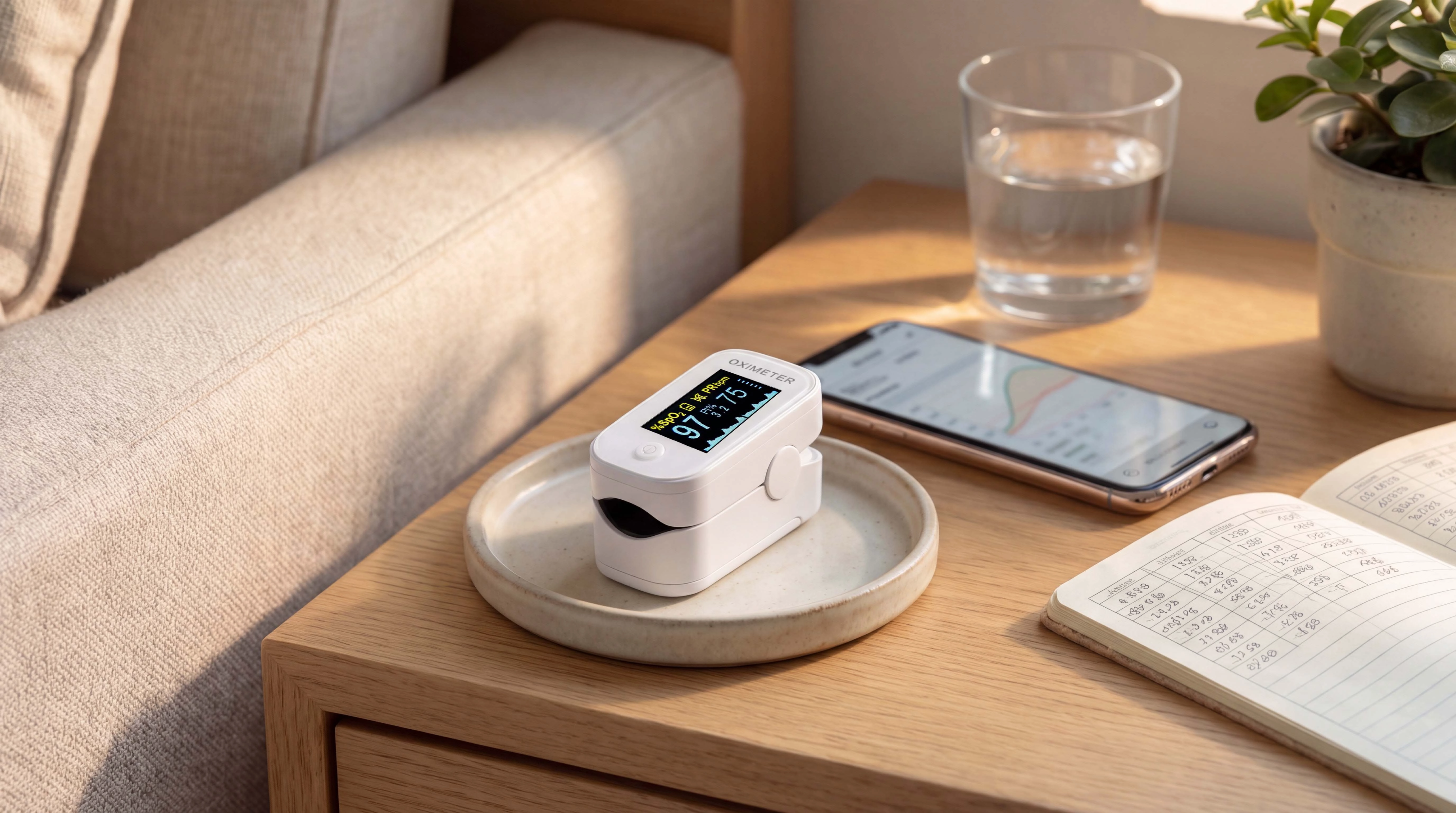
A connected oximeter at home: the reading reaches the app, but technique still decides whether the number is useful.
The strongest argument for a bluetooth pulse oximeter is not that it reads better. It is that it removes three failure modes that have nothing to do with optics. The first is transcription. Handwritten SpO2 values on a paper log are frequently incomplete, undated, or rounded, and a caregiver who is tired at 11 p.m. may skip the entry entirely. An app that receives the reading automatically captures the value and the time. The second is recall bias. Patients asked at a clinic visit how their oxygen behaved over the past week tend to remember the worst night, not the average. A stored series shows the distribution. The third is delayed escalation. Some connected programs set thresholds that notify a nurse when readings fall below a configured value, which shortens the interval between a deterioration and a response.
Connectivity also makes averaging practical. A single spot check can be affected by cold skin, a transient motion artifact, or a finger that was not fully inserted. Software can display a rolling average, flag readings taken under poor signal conditions, and compare morning and evening values. That is useful for chronic conditions where the trend matters more than any one measurement. It is less useful in an emergency, where the number on the screen and the patient's symptoms should drive the decision, not an app's dashboard.
The trade-offs are real. Bluetooth adds a battery load, a pairing step, and a failure point. Apps change, phones change, and accounts expire. A device that depends on a discontinued app can lose its record-keeping function even though the sensor still works. Buyers should ask whether the device can export data, whether it stores readings internally when the phone is absent, and whether the manufacturer documents the app's supported operating systems. A connected oximeter is a system, not just a clip, and the system includes the software that will still need to run three years from now.
3. What the Accuracy Evidence Says
The published evidence on fingertip oximeters is sober and useful. A device accuracy study posted in December 2025 tested six pulse oximeters in 75 participants and found that readings overestimated oxygen saturation by roughly 0.6 to 2.6 percentage points, depending on the device. Price did not predict accuracy. The study also noted that the devices needed at least 30 seconds to settle before the displayed value stabilized, which is a practical detail that many users ignore. A bluetooth pulse oximeter that transmits the first number it sees, before the signal settles, will faithfully record a value that was never ready.
Clinical guidance sets the interpretation frame. Cleveland Clinic describes normal oxygen saturation as 95 to 100 percent and notes that dark nail polish, cold skin, and motion can cause errors. The National Council on Aging describes 90 to 94 percent as mild hypoxia and advises immediate care below 90 percent or when symptoms such as confusion or bluish lips appear. The FDA has emphasized that pulse oximeter readings can be less reliable in people with darker skin pigmentation, particularly at low saturation, and has urged manufacturers to validate devices across diverse populations. None of these points are specific to Bluetooth. They apply to every fingertip oximeter, connected or not.
What the connectivity literature adds is a different kind of evidence. A 2026 study in PLOS Global Public Health evaluated multimodal pulse oximeters in primary care, including devices that connected to tablets over Bluetooth. Usability and satisfaction scores were generally high, often above 80 percent, and agreement for hypoxemia, tachycardia, and fever exceeded 80 percent. Respiratory rate was more variable. The lesson is that connected oximetry can deliver actionable data to clinicians, but the quality of each parameter varies, and the system should be judged on the parameters it actually claims to measure.
4. Where Bluetooth Monitoring Earns Its Place
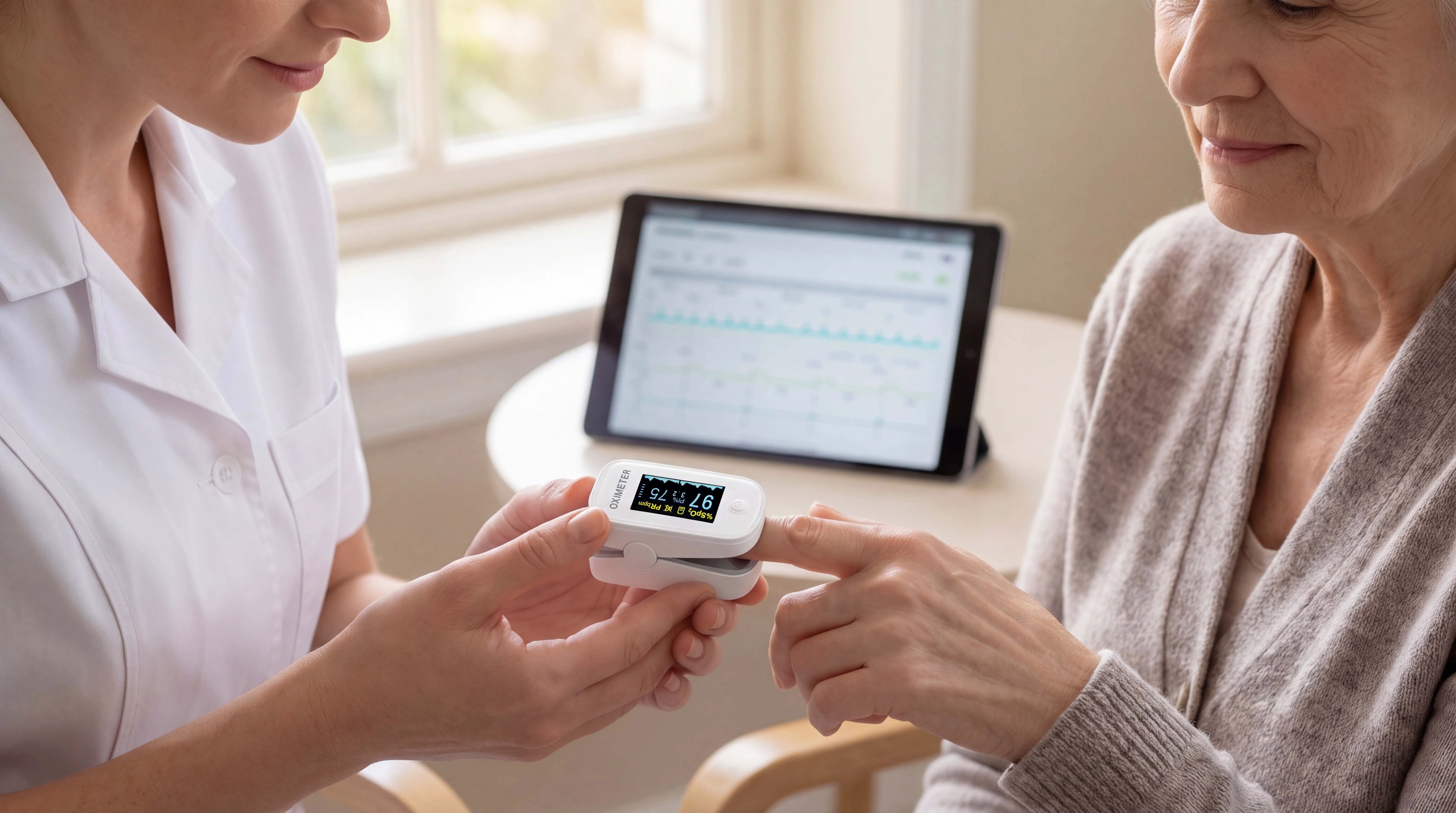
Remote monitoring in practice: a caregiver records a spot check while a tablet keeps the trend.
The clearest use case is chronic respiratory disease. A patient with COPD who checks oxygen at home twice a day and transmits the values allows a care team to see a downward drift before an exacerbation becomes an emergency. The same logic applies after hospitalization for pneumonia or surgery, when a visiting nurse cannot be present every day. Remote programs that combine a bluetooth pulse oximeter with a symptom questionnaire and a phone call have been used to triage patients and to decide who needs an in-person review.
Sleep and altitude are two more settings where trends beat spot checks. A device that records overnight values can reveal desaturation patterns that a single daytime reading would miss, though a fingertip oximeter is not a substitute for a sleep study. Climbers and travelers ascending to altitude can use a connected oximeter to track adaptation and to see how saturation responds to rest and descent. Athletes use the same data to monitor recovery, although training decisions should not rest on SpO2 alone.
Elderly care and caregiver support form a fourth category. An adult child managing a parent's health from another city can receive readings without asking the parent to operate a complex device, provided the setup is simple and the alerts are configured sensibly. The value here is reassurance and early warning, not diagnosis. A bluetooth pulse oximeter should never be the only channel between a frail patient and a clinician, and it should never delay a call when symptoms are worsening.
5. The Limits of the Sensor: Skin Tone, Perfusion, and Interference
Understanding the failure modes is more valuable than memorizing a specification. The first is perfusion. The sensor needs a pulsatile arterial signal, and conditions that reduce blood flow to the finger, such as cold exposure, hypotension, Raynaud phenomenon, or severe peripheral vascular disease, weaken that signal. A reading may still appear, but it becomes less trustworthy. Warming the hand and choosing a finger with good capillary refill improves the odds of a usable signal.
The second is optical interference. Dark nail polish, artificial nails, and henna can absorb the wavelengths the sensor depends on. Bright ambient light, especially direct sunlight or a strong examination lamp, can leak into the detector. Motion causes artifacts that appear as a fluctuating waveform and an unstable number. The third is skin pigmentation. Melanin absorbs light, and the FDA has warned that pulse oximeters can overestimate saturation in patients with darker skin, with the error growing at lower saturation levels. A bluetooth pulse oximeter cannot correct for this in software; the limitation belongs to the optical measurement and to the calibration population used during validation.
The fourth is the boundary of the technology. A fingertip oximeter measures arterial oxygen saturation, not ventilation, not cardiac output, and not tissue oxygen delivery. A normal SpO2 does not exclude serious illness, and a low SpO2 does not identify its cause. Connected devices sometimes invite over-interpretation because the data looks precise. The number is an estimate with a confidence interval, and the clinical picture remains the primary source of truth.
6. Reading the Numbers: SpO2, Pulse Rate, PI, and Waveform
A connected oximeter usually reports more than one number, and each has a role. SpO2 is the percentage of hemoglobin carrying oxygen. Pulse rate is the number of arterial pulsations per minute, which should roughly match the heart rate felt at the wrist. The perfusion index describes signal strength at the sensor site and is useful for judging whether the reading is technically adequate; a very low PI suggests poor perfusion or a poor fit. The plethysmographic waveform shows the pulse beat by beat and is the quickest way to spot motion artifact or an unstable signal.
Trends deserve more attention than single values. A saturation that sits at 96 percent all week and falls to 93 percent for two days is more informative than a single 93 percent reading taken after a cold walk. A pulse rate that climbs steadily at rest can signal fever, pain, dehydration, or deterioration. Software that graphs these values over time adds genuine clinical value, provided the underlying measurements are taken under comparable conditions. That means the same finger, a warm hand, a still body, and a consistent time of day.
Users should also understand how apps process data. Some devices transmit every sample; others send a reading only when the user presses a button. Some apps average values over 8 or 30 seconds; others display the raw number. A bluetooth pulse oximeter that reports an average may look steadier than the screen, which is not a malfunction but a difference in processing. The manufacturer should document what the app displays, how often it samples, and whether the exported file contains raw or processed values.
7. Choosing a Data Path: Phone, Tablet, or No App
Not every user needs a smartphone. A bluetooth pulse oximeter can pair with a tablet that stays on a bedside table, which suits an older adult who does not carry a phone. Some care programs provide a dedicated hub that receives readings and forwards them to a nurse. Others use a phone app with a large-button interface and a single "send" action. The right data path is the one the user will actually operate every day, not the one with the most features.
For buyers comparing products, three questions cut through the marketing. Does the device store readings internally when the phone is out of range, and for how many readings? Does the app allow export to CSV or PDF, and can the user share a report without giving away the account? Does the manufacturer publish the app's privacy policy and the device's supported Bluetooth version? A device that cannot export its data is a closed loop, and a closed loop is a liability when a clinician asks for a week of readings.
Battery life belongs in the same conversation. Bluetooth Low Energy is efficient, but continuous transmission drains a small battery faster than spot checks. A device that runs on two AAA batteries and transmits only during a reading may last months; a device that streams overnight may need recharging every few days. Neither is wrong, but the user should know which pattern the product expects.
8. Privacy, Accounts, and Records That Last
Health data from a consumer bluetooth pulse oximeter is often not covered by the same legal protections as data held by a hospital. The user should read the privacy policy, check whether readings are stored in the cloud by default, and decide whether that is acceptable. A device that keeps data local and exports on demand offers more control, while a cloud platform offers easier sharing with a care team. The trade-off should be a conscious choice rather than a default the buyer discovers later.
Account lifecycle is an underrated issue. Apps are discontinued, companies are acquired, and passwords are forgotten. A user who has relied on an app for two years may find that the record disappears when the service changes. Exporting a copy of the data every few months is a simple safeguard. For clinicians, the relevant question is whether the exported file includes timestamps, device identifiers, and enough context to interpret the readings. A CSV with a column of numbers and no dates is nearly useless.
Security basics still apply. Use a unique password, enable two-factor authentication when offered, keep the phone's operating system updated, and avoid pairing the oximeter on shared devices. None of this is specific to pulse oximetry, but a connected oximeter is a health device that lives in a pocket, and the same care used for a banking app is appropriate.
9. Validation and Certification: What to Check Before Buying
Validation is the line between a medical device and a novelty. A fingertip oximeter should be cleared or registered for its market and should cite the standard it was tested against. The relevant international standard for pulse oximeter basic safety and performance is ISO 80601-2-61. A device label should state its SpO2 accuracy, typically plus or minus two percent for the 70 to 100 percent range, and the conditions under which that accuracy was demonstrated. A bluetooth pulse oximeter should carry the same documentation as a standalone model, plus clear information about the radio and the app.
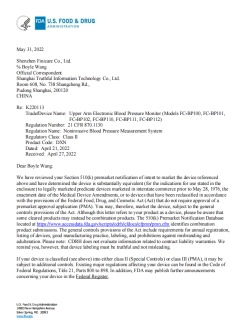
Buyers should be skeptical of claims that connectivity improves accuracy. It does not. They should also be skeptical of a CE mark alone, because a CE mark indicates market access, not independent clinical validation. In the United States, a 510(k) clearance number can be checked in the FDA database, and the cleared indications should match the way the device will be used. For institutional buyers, the validation report, the label, and the app documentation should be reviewed together.
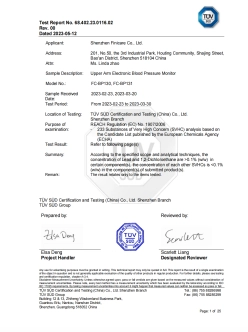
The FDA's work on skin pigmentation is a reminder that validation populations matter. A device tested only on light-skinned volunteers may perform differently on darker skin, especially at low saturation. Distributors and clinic buyers should ask whether the manufacturer has tested across skin tones and whether the labeling discloses the limitation. A bluetooth pulse oximeter intended for a diverse patient population should be selected with that question on the table.
10. Finicare YM301 with Bluetooth: A Finger Clip Built for Daily Tracking
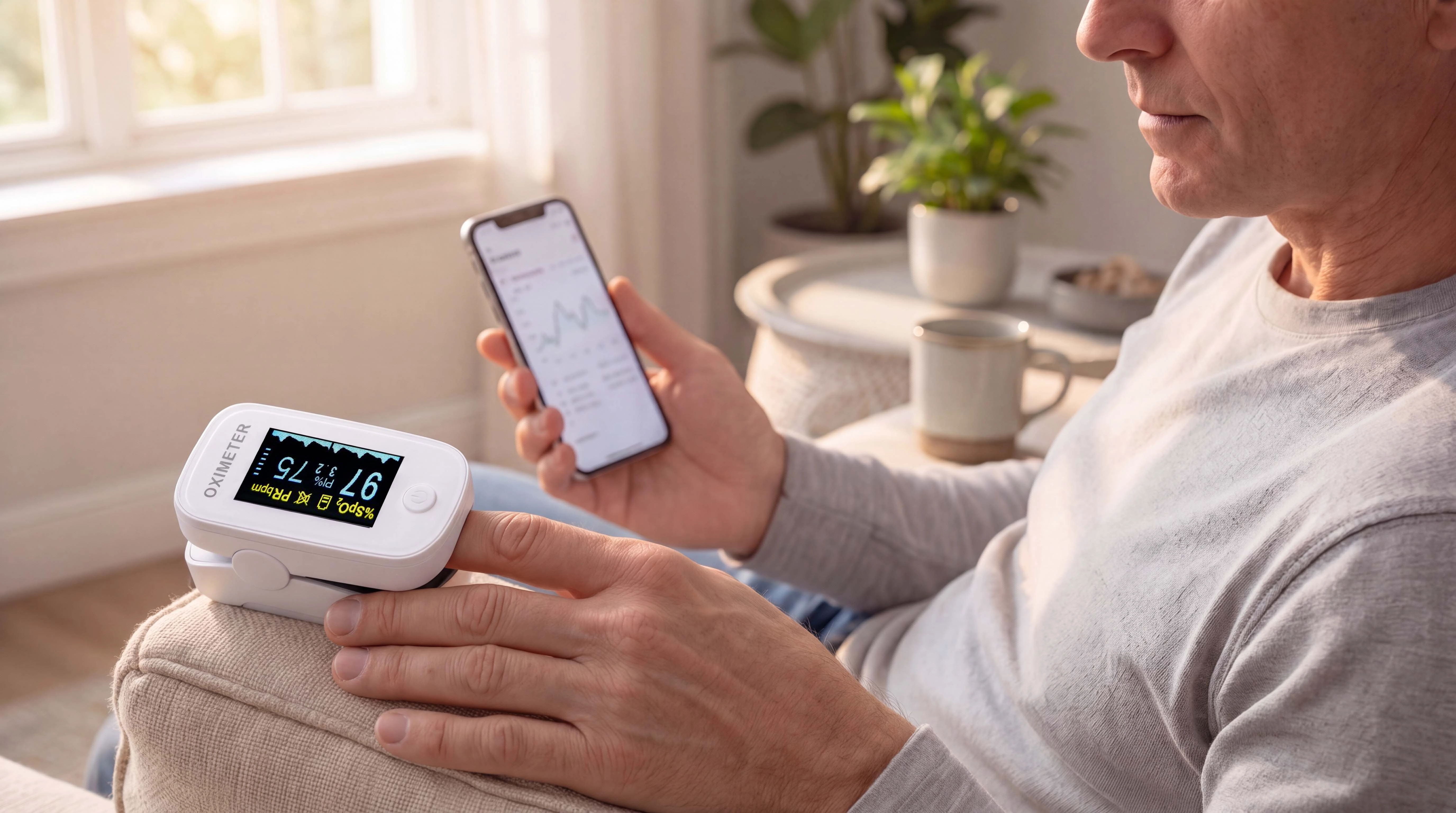
Finicare YM301 fingertip oximeter with a Bluetooth option, pulse waveform, PI, and four display orientations.
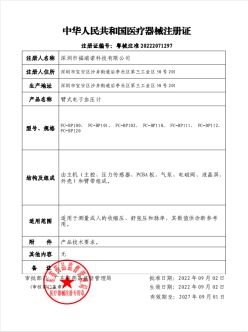
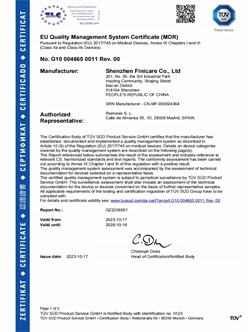
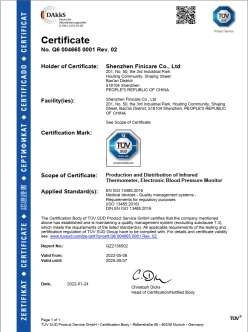
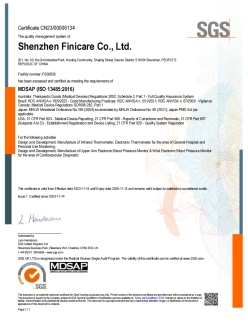
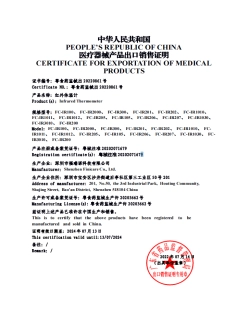
Finicare, established in 2017 and integrating research and development, production, and sales, is a Shenzhen-based medical device manufacturer exporting to more than 80 countries. Its portfolio spans blood pressure monitors, thermometers, nebulizers, and pulse oximeters, and the company holds FDA 510(k), CE (MDR), TGA, MDL, UKRP, NMPA, FSC, FCC, and RoHS certifications, with a factory operating under ISO 13485, MDSAP recognition, and BSCI social compliance. That breadth matters for buyers assembling a home monitoring kit, because the same supplier can support several device categories with a consistent documentation package.
The YM301 is a fingertip pulse oximeter offered with a Bluetooth option for app-based logging. Its white, glossy, rounded clamshell body houses a high-contrast display that shows SpO2, pulse rate, perfusion index, and a pulse waveform; the vertical OXIMETER print on the right side and the single round power button below the screen keep the interface simple. The device supports four display orientations, a menu for settings, and a buzzer, and it shuts down automatically when no finger is detected. It runs on two AAA batteries and includes a low-battery indicator. The Bluetooth link sends readings to a companion app so that a bluetooth pulse oximeter routine can be recorded, reviewed, and exported rather than written by hand.
The YM301 is not a continuous monitor and should not be presented as one. It is a spot-check device for home and clinical use, and its value comes from consistent technique and a stored series of readings. For a caregiver, that means the same finger, a warm hand, a still body, and a reading taken after the value settles. For a distributor, it means a product that can be positioned as a connected oximeter without overstating what the connection does. The Bluetooth option adds convenience and record-keeping; the optical sensor and its validation remain the core of the product.
11. Building a Reliable Bluetooth Routine at Home
A consistent routine: warm hand, still body, and a log that captures the time as well as the number.
A routine is what turns a bluetooth pulse oximeter from a gadget into a monitoring tool. Start with preparation. Remove nail polish and artificial nails from the measuring finger, warm the hand if it is cold, and sit quietly for five minutes. Rest the hand at or slightly below heart level, keep it still, and avoid direct sunlight or a bright lamp on the sensor. Insert the finger fully so that the sensor pads sit on the nail and the pad of the finger, then wait at least 30 seconds for the value to settle before accepting it.
Record under comparable conditions. Use the same finger and the same time of day, and note symptoms, activity, and altitude when they are relevant. Take two readings a minute apart and keep both; if they differ by more than three percentage points, take a third and treat the series as unstable. A bluetooth pulse oximeter that timestamps each reading makes this easy, but the discipline still belongs to the user. Do not edit or delete inconvenient values; the trend is the point.
Know when the number is not the answer. Seek care for saturation below 90 percent, for a sustained fall from a personal baseline, or for symptoms such as confusion, bluish lips, severe breathlessness, or chest pain, regardless of what the app displays. Contact a clinician for readings in the 90 to 94 percent range or for a pattern that worries you. The device supports a conversation with a professional; it does not replace one.
Summary
A bluetooth pulse oximeter measures oxygen saturation with the same optical method as a standard finger clip, and its accuracy depends on the sensor, the calibration, and the conditions of use, not on the radio. The published evidence shows that consumer devices can overestimate saturation by roughly 0.6 to 2.6 percentage points, that price does not predict accuracy, and that readings need at least 30 seconds to settle. Skin pigmentation, cold hands, nail polish, motion, and bright light remain the main sources of error, and the FDA has warned that darker skin can be associated with overestimation, especially at low saturation.
What Bluetooth adds is workflow. A connected device time-stamps readings, stores a series, supports averaging, and lets a caregiver or clinician review a trend without relying on memory or paper. That is valuable for COPD, post-operative care, overnight monitoring, altitude, and elderly care, provided the user understands the limits of the measurement and the lifecycle risks of the app. For buyers, the checklist is the same for connected and standalone devices: a cleared or registered device, a stated accuracy and validation population, a documented app and export path, and a privacy policy that matches the use case. Finicare, established in 2017 and integrating R&D, production, and sales, manufactures the YM301 fingertip oximeter with a Bluetooth option and exports to more than 80 countries under FDA 510(k), CE (MDR), TGA, MDL, UKRP, NMPA, FSC, FCC, and RoHS certifications, with ISO 13485, MDSAP, and BSCI factory certifications. The right bluetooth pulse oximeter is the one whose sensor you can trust and whose record you will actually keep.