













Why FDA Clearance and EU MDR Certification Matter More Than Ever for Home Infrared Thermometers and Blood Pressure Monitors in 2026
The home medical device industry is undergoing a regulatory reckoning. In 2026, the convergence of FDA enforcement actions against unauthorized blood pressure monitors and tightening EU MDR deadlines has made regulatory compliance the defining factor separating trustworthy devices from dangerous imitations. For consumers seeking reliable health monitoring at home and global buyers sourcing infrared thermometers and blood pressure monitors, understanding what FDA clearance and EU MDR certification actually require is no longer optional. It is essential.
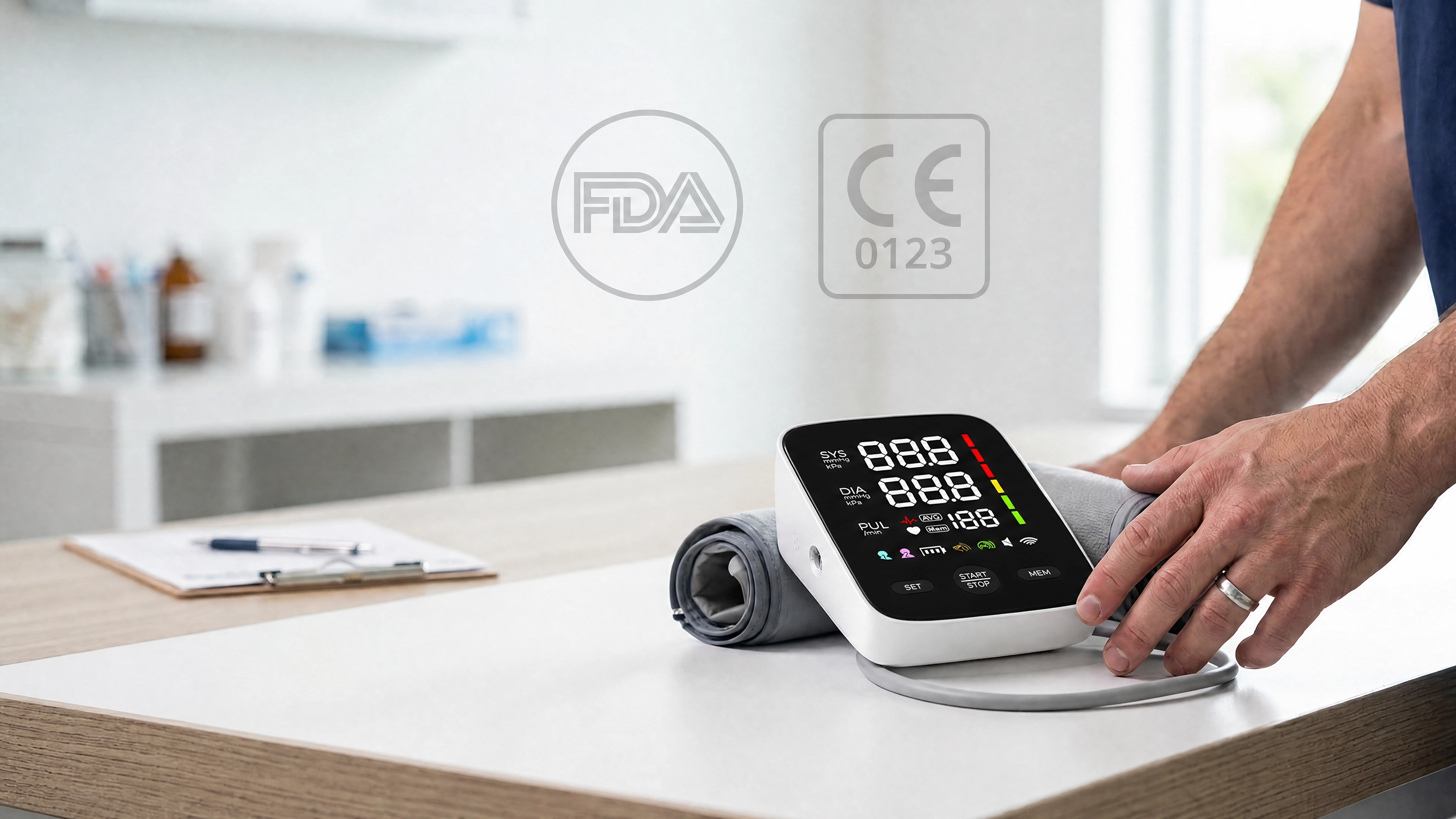
The FDA Is Cracking Down on Unauthorized Blood Pressure Monitors
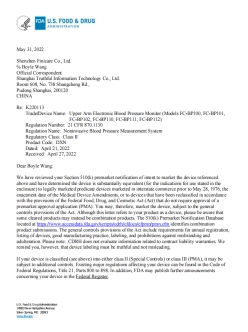
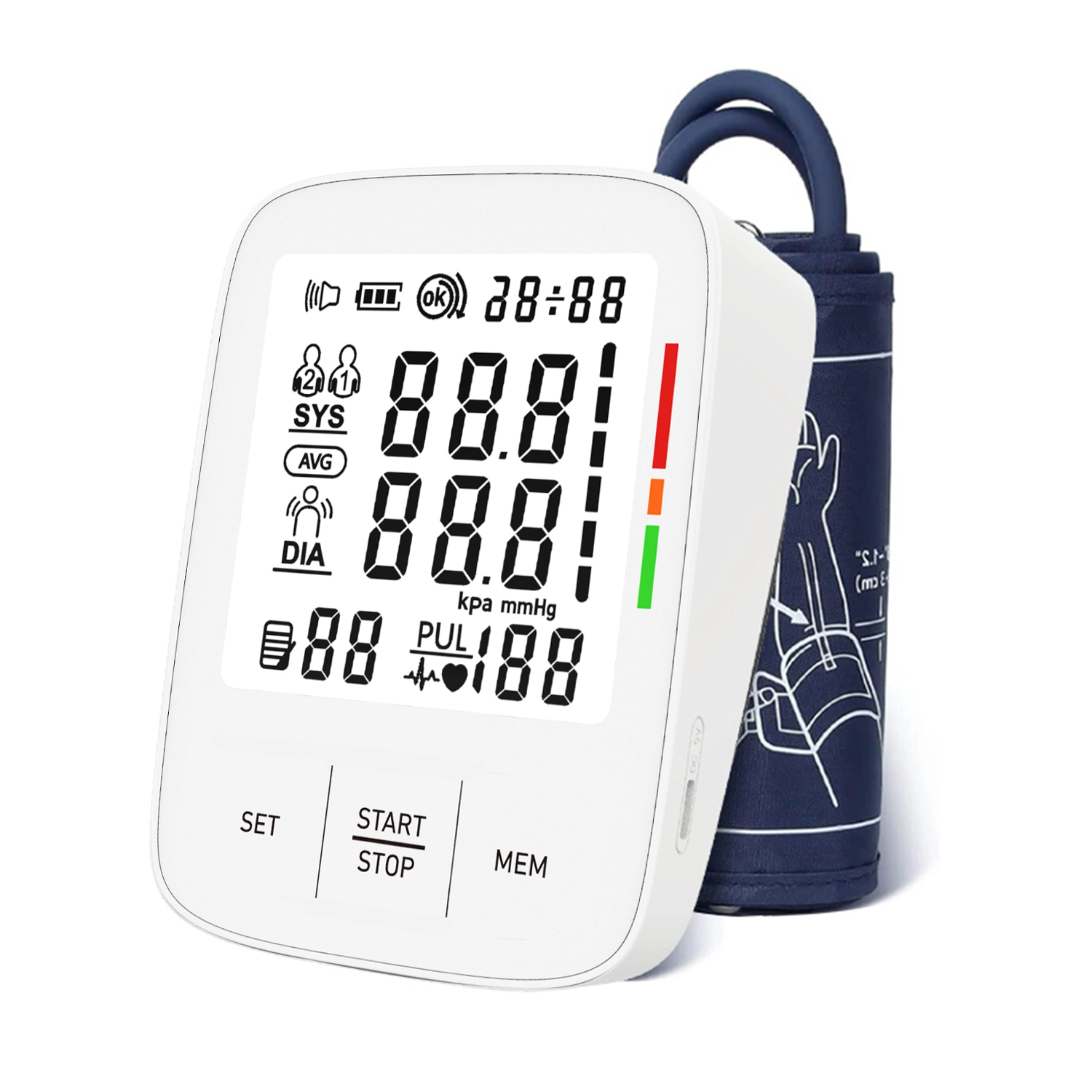
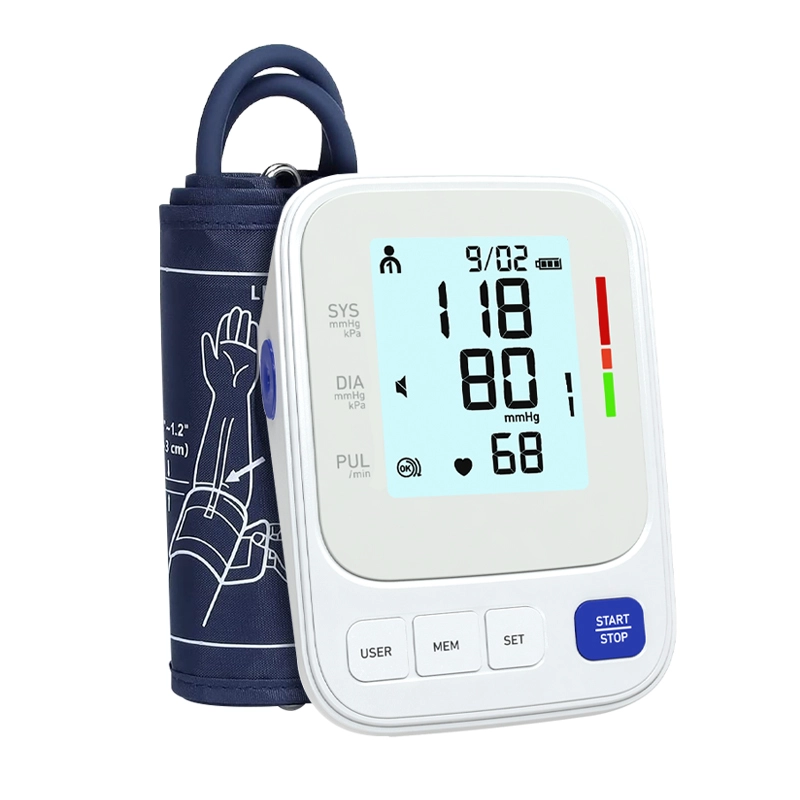
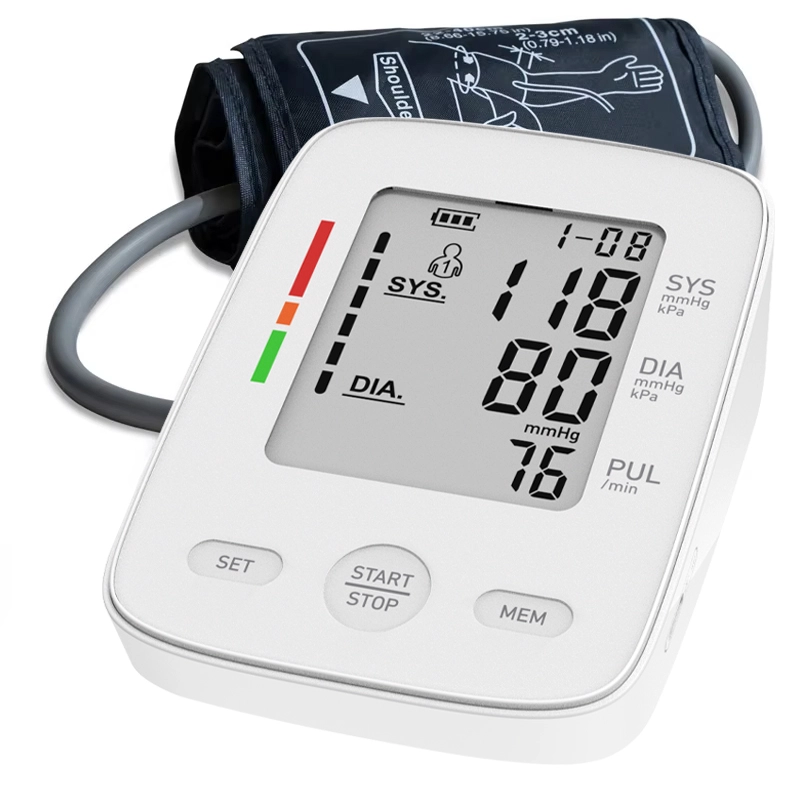
The United States Food and Drug Administration has issued an explicit safety communication warning healthcare providers and consumers not to use unauthorized blood pressure measuring devices. The agency identified serious risks associated with devices that lack proper FDA 510(k) clearance, including inaccurate readings that can lead to missed diagnoses of hypertension or inappropriate medication adjustments.
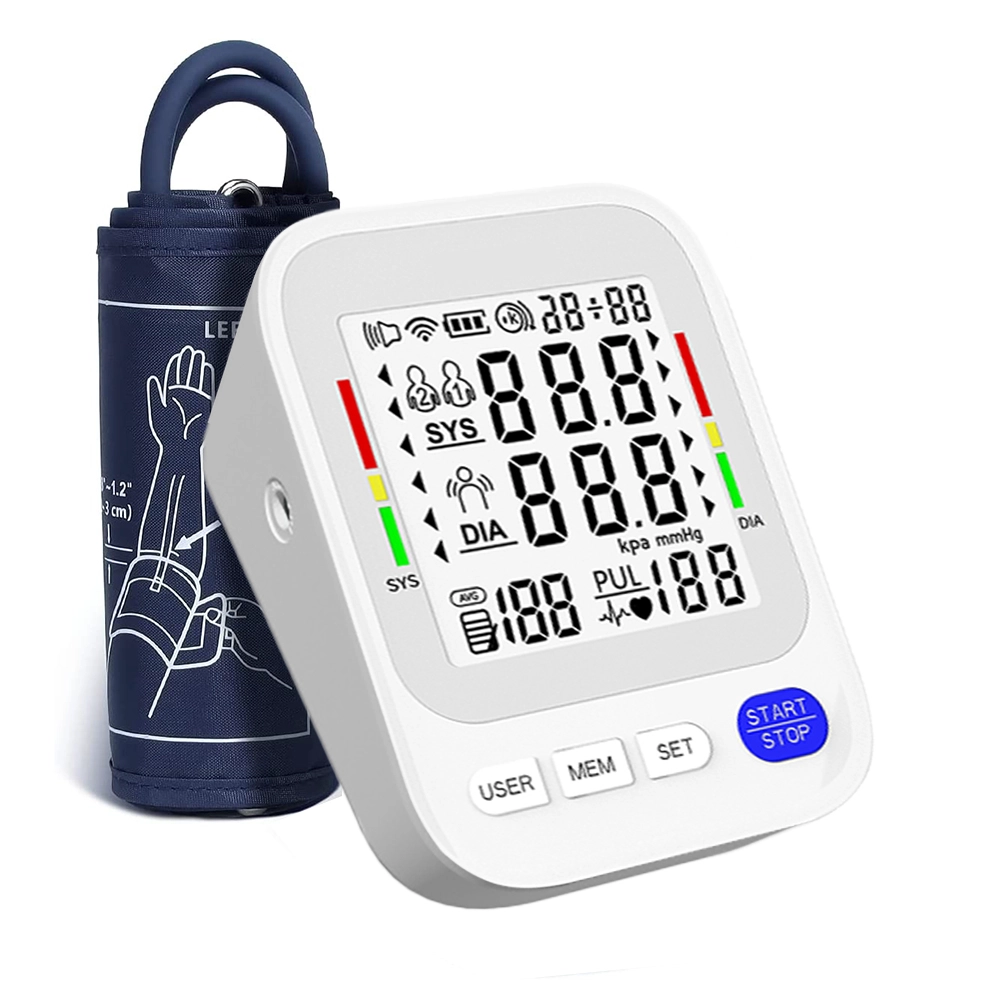
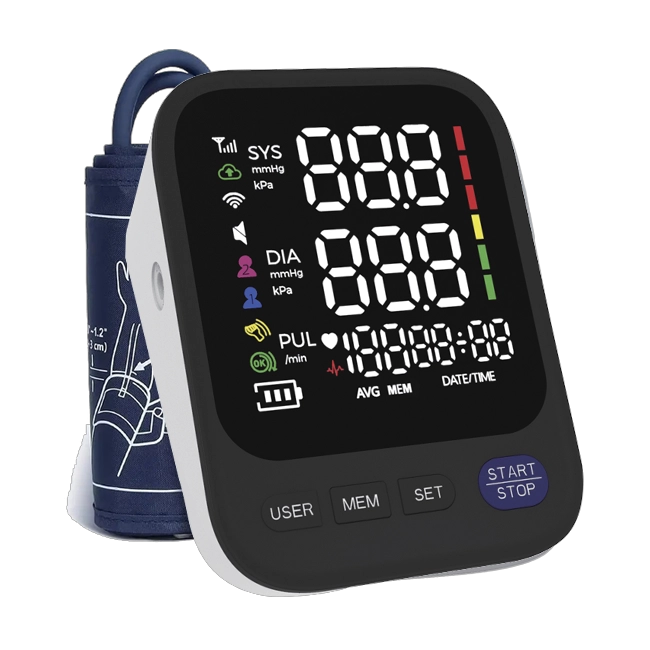
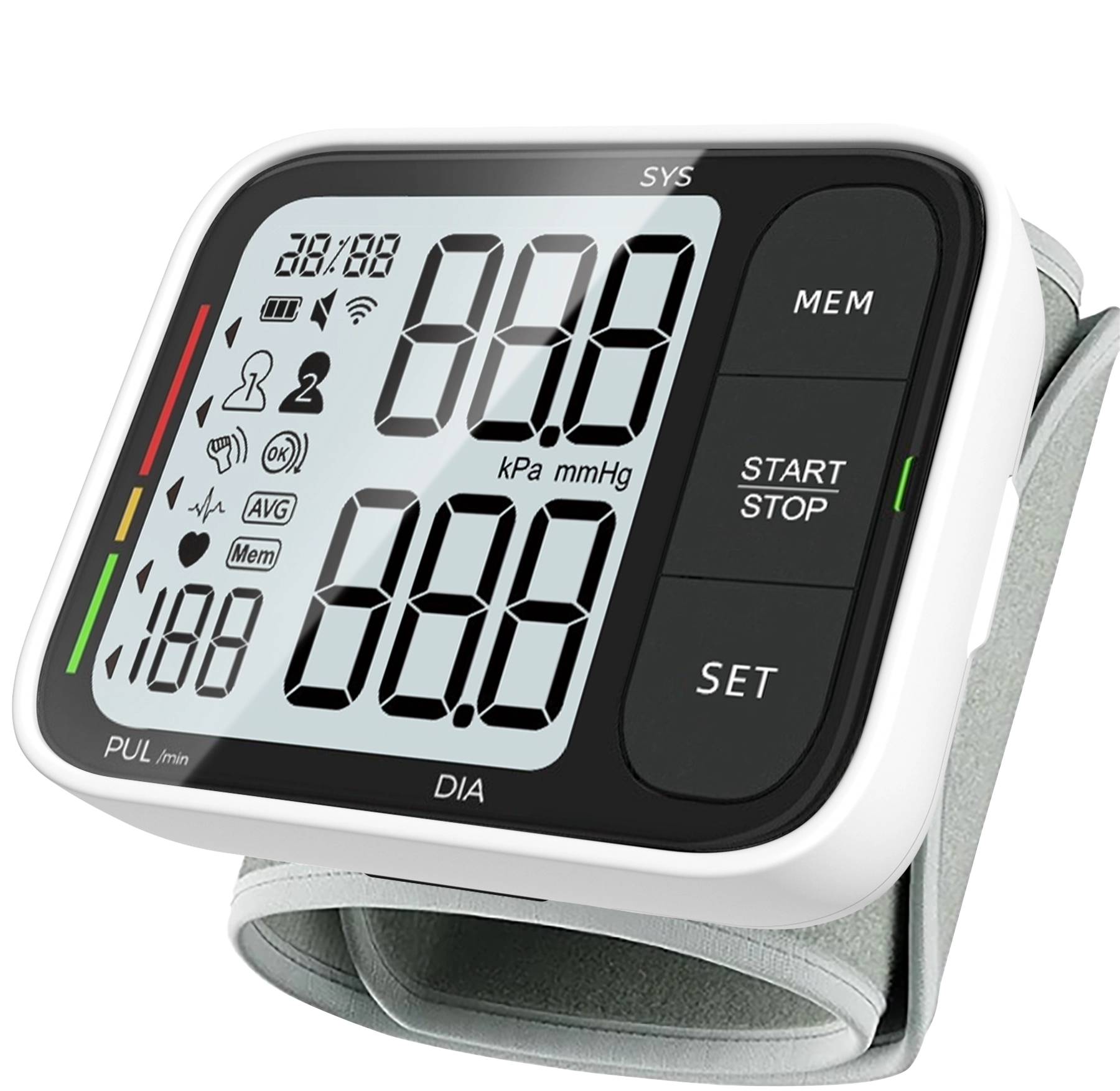
FDA clearance for blood pressure monitors requires manufacturers to demonstrate that their devices meet stringent performance criteria. Readings must fall within plus or minus 5 mmHg compared to a reference standard, validated through clinical studies that enroll diverse demographic groups. The clearance process demands a comprehensive Clinical Validation Report detailing pressure deviations, testing consistency, and device usability under real-world conditions.
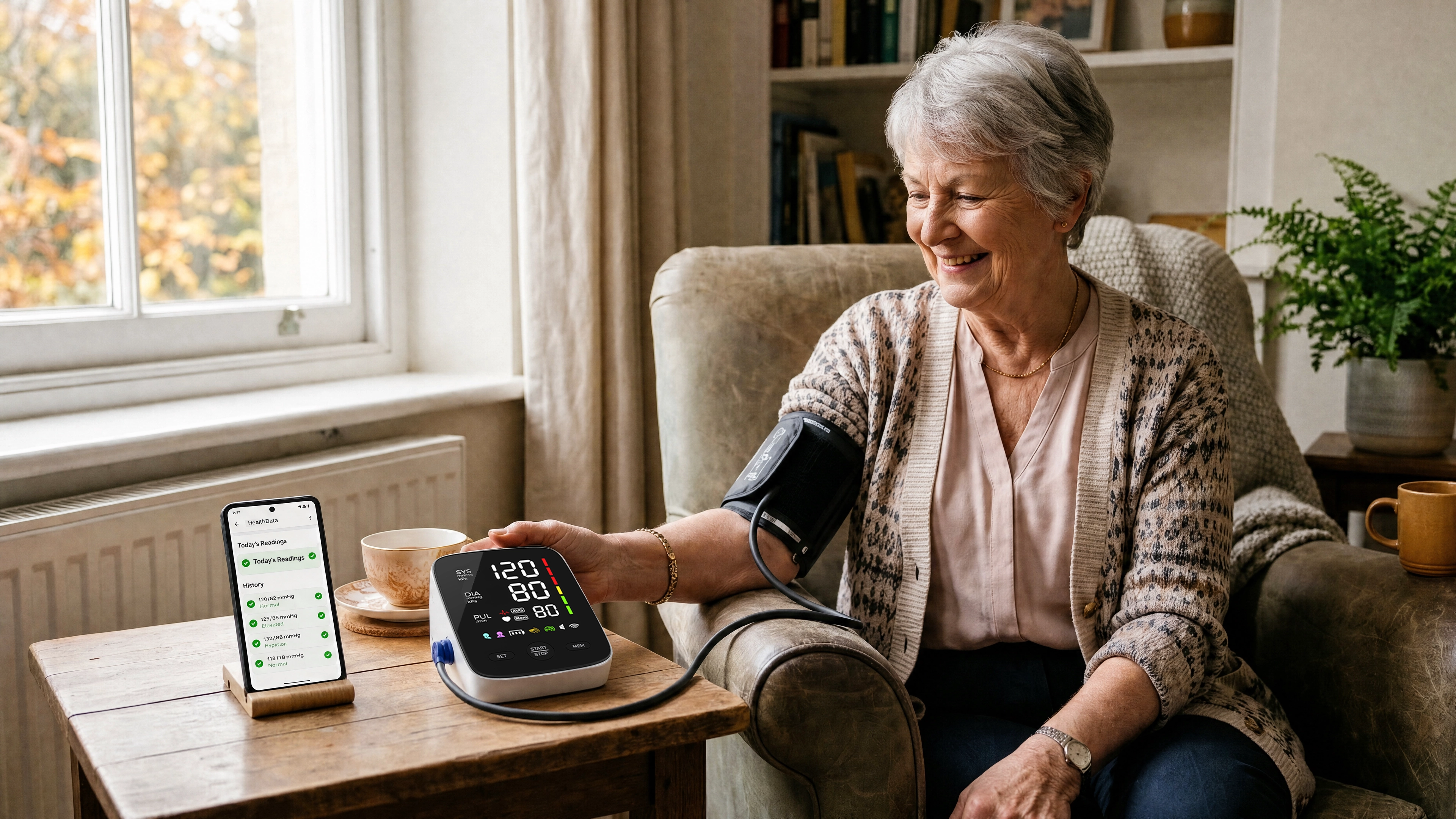
For home users managing hypertension, the implications are direct and serious. A blood pressure monitor that has not undergone FDA validation may produce readings that are systematically high or low by clinically significant margins. This can result in false reassurance for patients with dangerously elevated blood pressure, or unnecessary anxiety and treatment for those whose readings are artificially inflated by an inaccurate device.
EU MDR 2026: A Bottleneck That Reshapes the Supply Chain
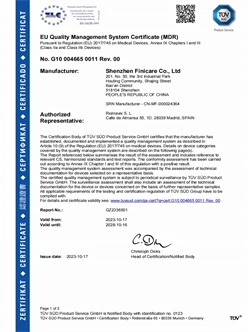
Across the Atlantic, the European Union Medical Device Regulation is creating its own compliance crisis. With multiple deadlines converging in 2026, Notified Body capacity has become severely constrained, creating a bottleneck that is forcing many medical device manufacturers to choose between investing in compliance or losing access to the European market entirely.
EU MDR certification now requires manufacturers to produce a Clinical Evaluation Report and Performance Evaluation Report that demonstrate device safety, accuracy, and clinical performance. For infrared thermometers and blood pressure monitors, this means submitting evidence from comparative validation studies conducted according to AAMI/ANSI/ISO 81060-2:2018 standards or equivalent protocols.
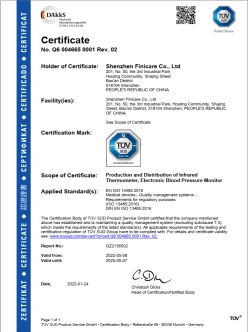
The practical impact on global buyers is significant. Devices that lack current EU MDR certification cannot legally be sold in EU member states. Manufacturers who have not begun the certification process face growing backlogs at Notified Bodies, meaning that products without certification in progress today may not achieve compliance for months or even years. For sourcing professionals, verifying that a supplier holds active EU MDR certification is now a critical due diligence step.
What Clinical Validation Actually Requires for Infrared Thermometers
Clinical validation of infrared thermometers has come under renewed scrutiny following recent research that revealed significant accuracy variations across devices and measurement techniques. A controlled study comparing multiple infrared measurement methods against a zero-heat-flux reference system found that forehead measurements taken at 3 centimeters distance produced the most precise readings, with a bias of just 0.19 degrees Celsius. However, measurements targeting the temple or nasal areas showed substantially larger deviations, with nasal scans producing biases exceeding 1.4 degrees Celsius.
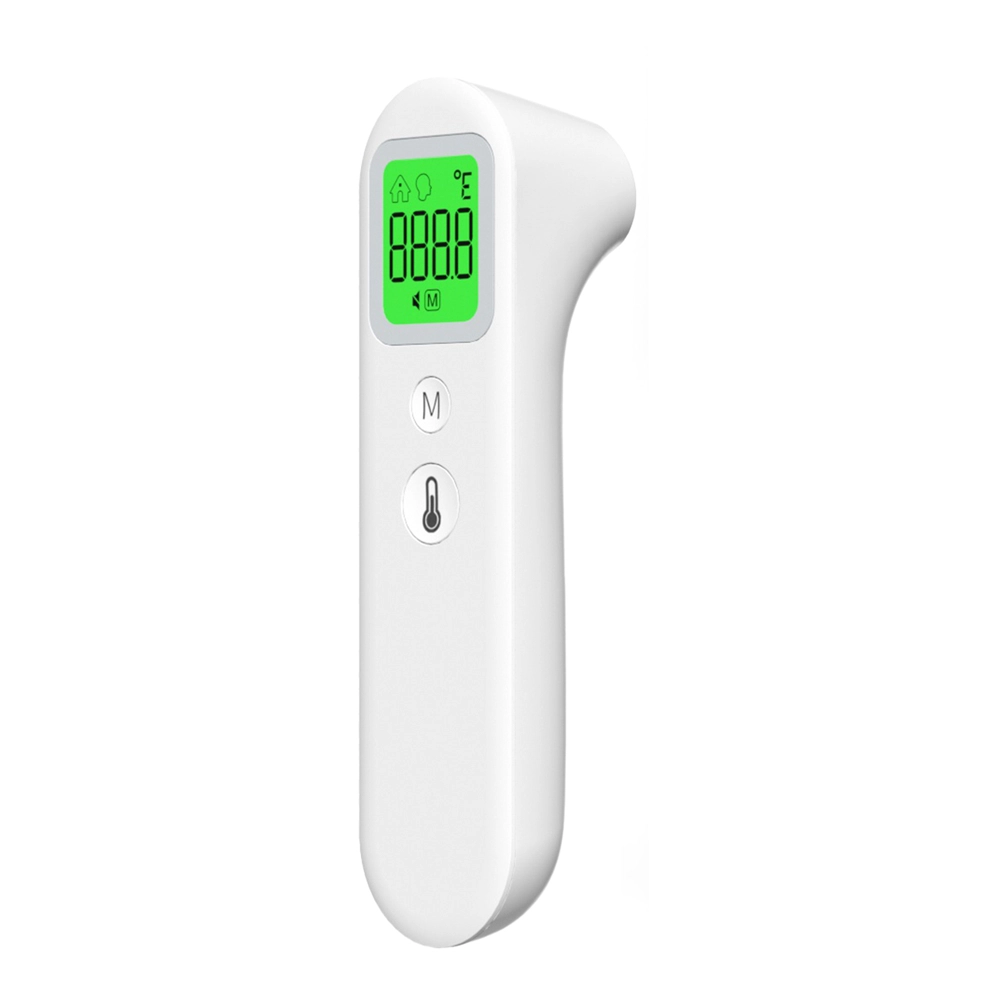
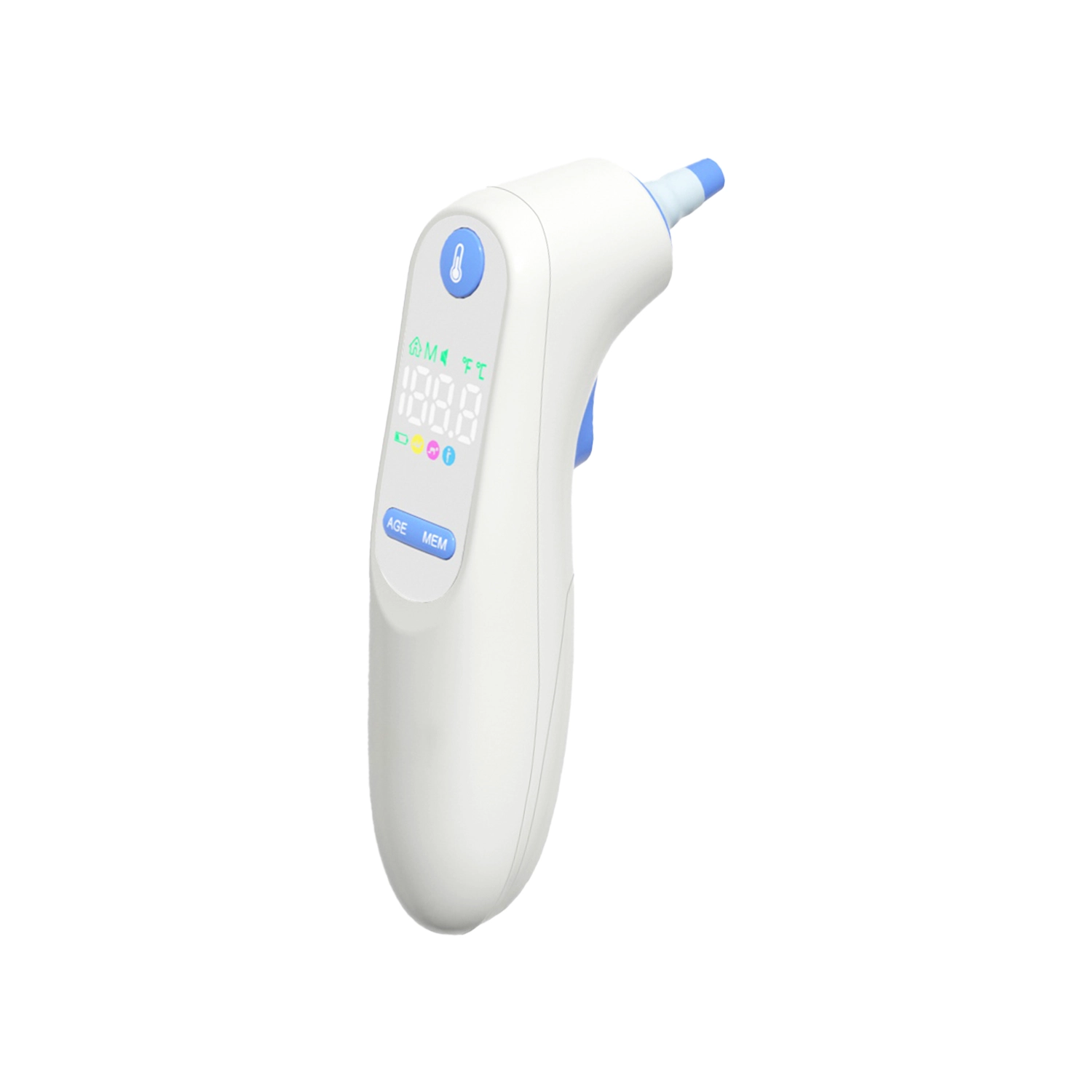
These findings underscore why proper clinical validation matters. An FDA cleared or CE MDR certified infrared thermometer has been tested under controlled conditions to verify that it meets accuracy standards when used according to manufacturer instructions. Devices like the FC-IR109 from Finicare incorporate multi-point detection and environmental adjustment algorithms that compensate for ambient temperature variations, delivering consistent readings that healthcare professionals can trust.
For consumers, the takeaway is clear. A validated infrared thermometer used correctly at the recommended distance from the forehead provides reliable temperature screening. But accuracy depends on both device quality and proper usage technique. Users should position the device 3 to 5 centimeters from a clean, dry forehead and track baseline shifts rather than relying solely on single absolute readings.
The Market Is Rewarding Compliance
The global infrared thermometer market, valued at USD 17.22 billion in 2026 and projected to reach USD 28.20 billion by 2033, is increasingly driven by regulatory compliance as a competitive differentiator. Portable devices are expected to capture 31 percent of market share in 2026, with North America alone accounting for 47.1 percent of global demand. This growth is fueled by expanding telehealth infrastructure, continuous patient monitoring programs, and hospital digital transformation initiatives that require validated, connected devices.
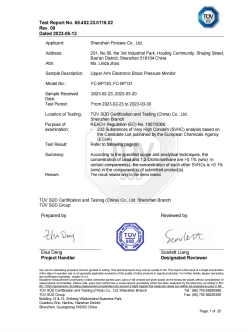
For blood pressure monitors, clinical validation has become a market entry requirement rather than a premium feature. Healthcare systems and insurance providers increasingly mandate that home blood pressure monitors used in remote patient monitoring programs carry FDA clearance or equivalent validation. The clinical validation process itself has evolved, with modern studies combining electronic data collection, mobile application connectivity tracking, and double data entry verification to ensure the highest data integrity.
How to Verify a Device Is Properly Certified
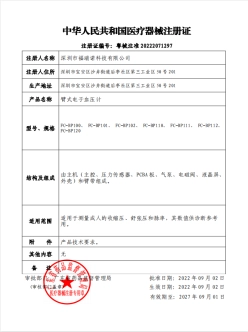
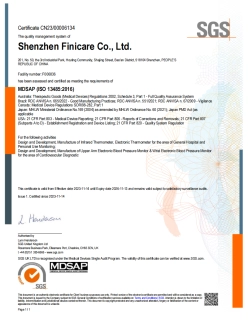
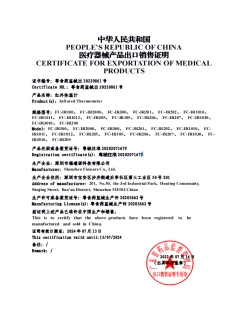
For consumers and buyers navigating the crowded home medical device market, several verification steps can confirm regulatory compliance. First, check for the FDA 510(k) clearance number, which can be verified through the FDA database. For EU MDR certification, look for the CE mark accompanied by the four-digit Notified Body identification number. Be cautious of devices that display a CE mark without a Notified Body number, as this may indicate self-declaration rather than independent assessment.
For blood pressure monitors specifically, the Stride BP organization maintains a list of validated devices that have passed established validation protocols. Choosing a device from this list provides additional assurance that the monitor has been independently verified for accuracy.
For infrared thermometers, verify that the manufacturer specifies measurement accuracy with defined tolerances, typically within plus or minus 0.2 degrees Celsius for clinical-grade devices. Check whether the device has been validated according to ASTM E1965-98 or ISO 80601-2-56 standards, which are the recognized benchmarks for infrared thermometer performance.
Finicare: Compliance as a Foundation, Not an Afterthought
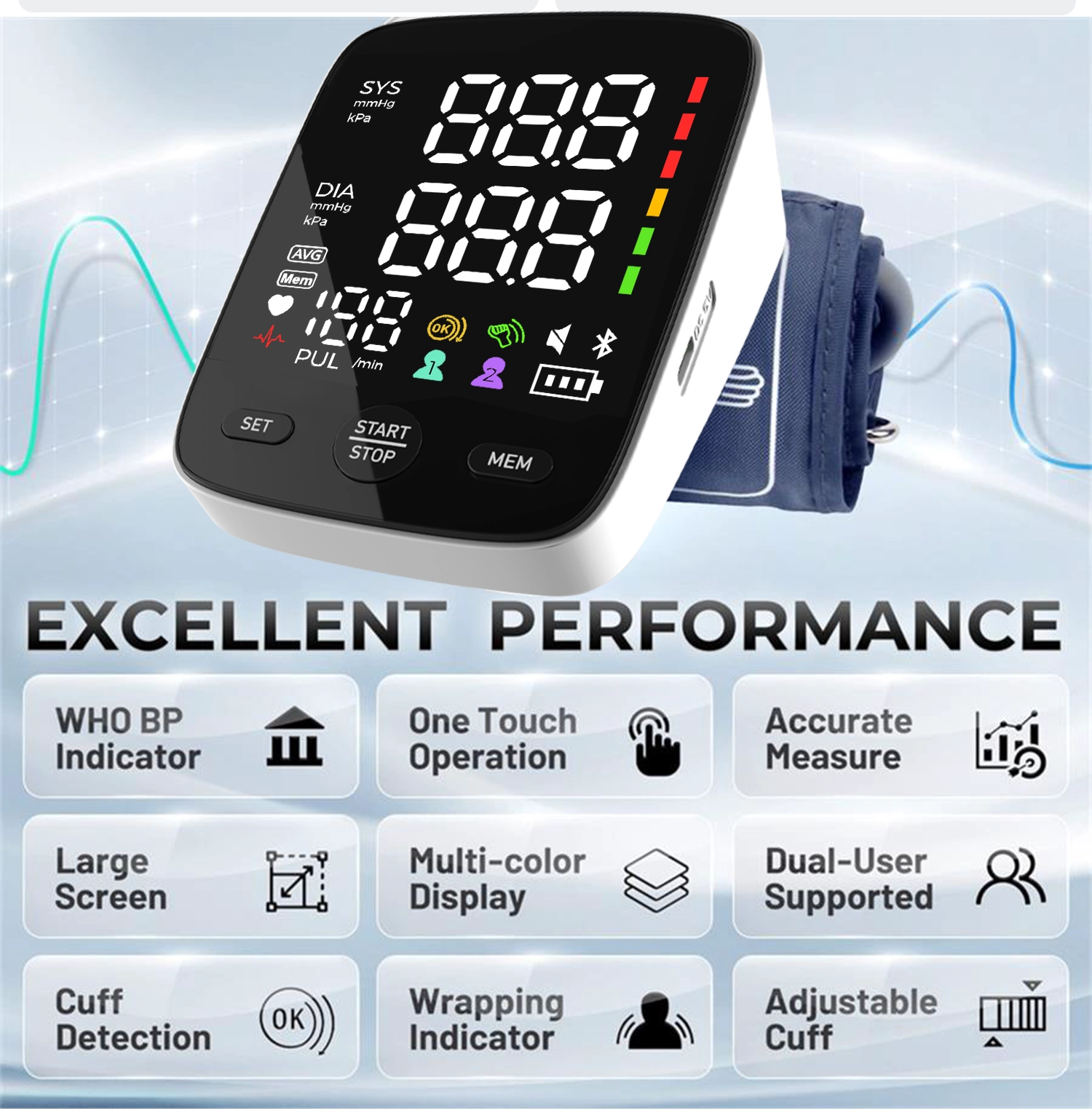
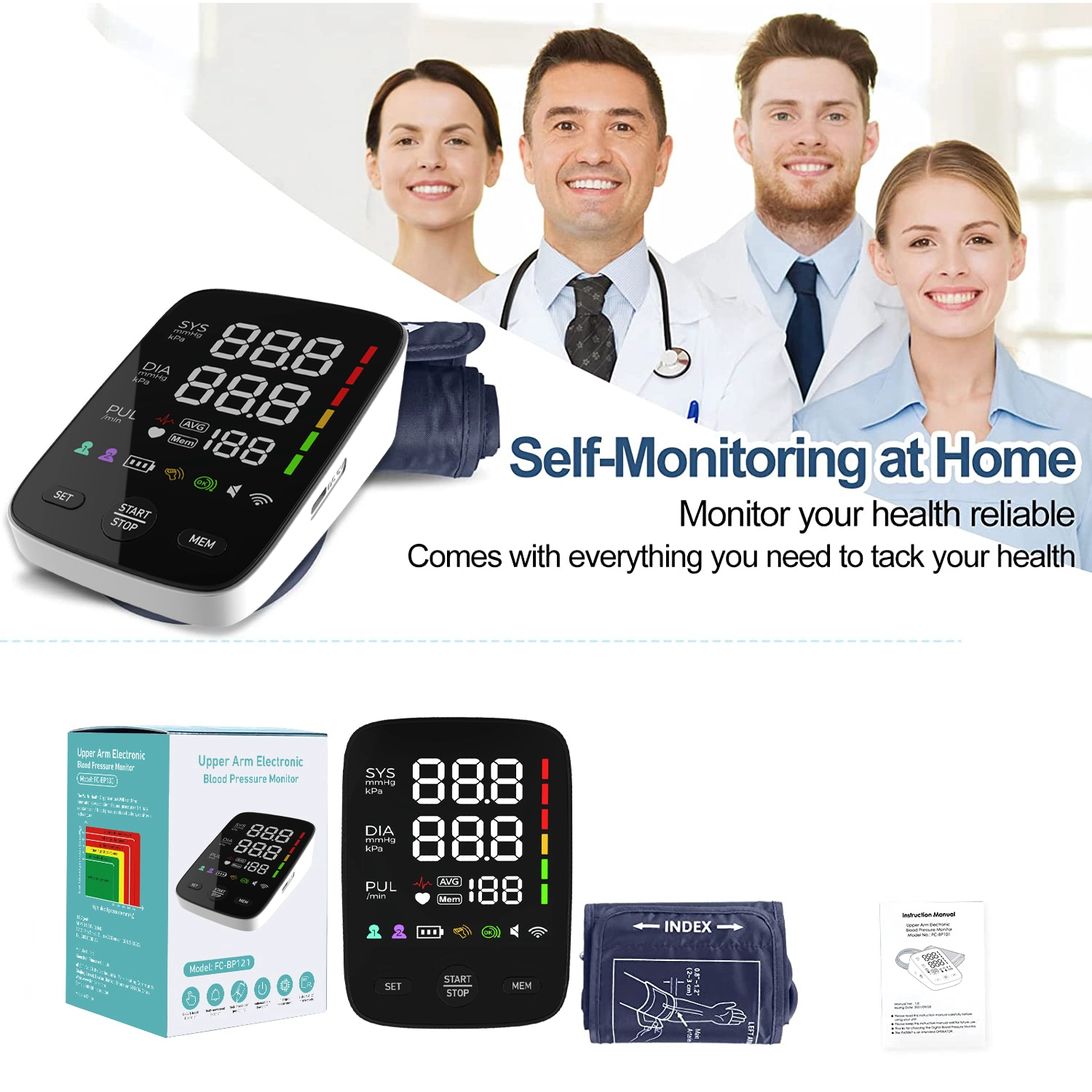
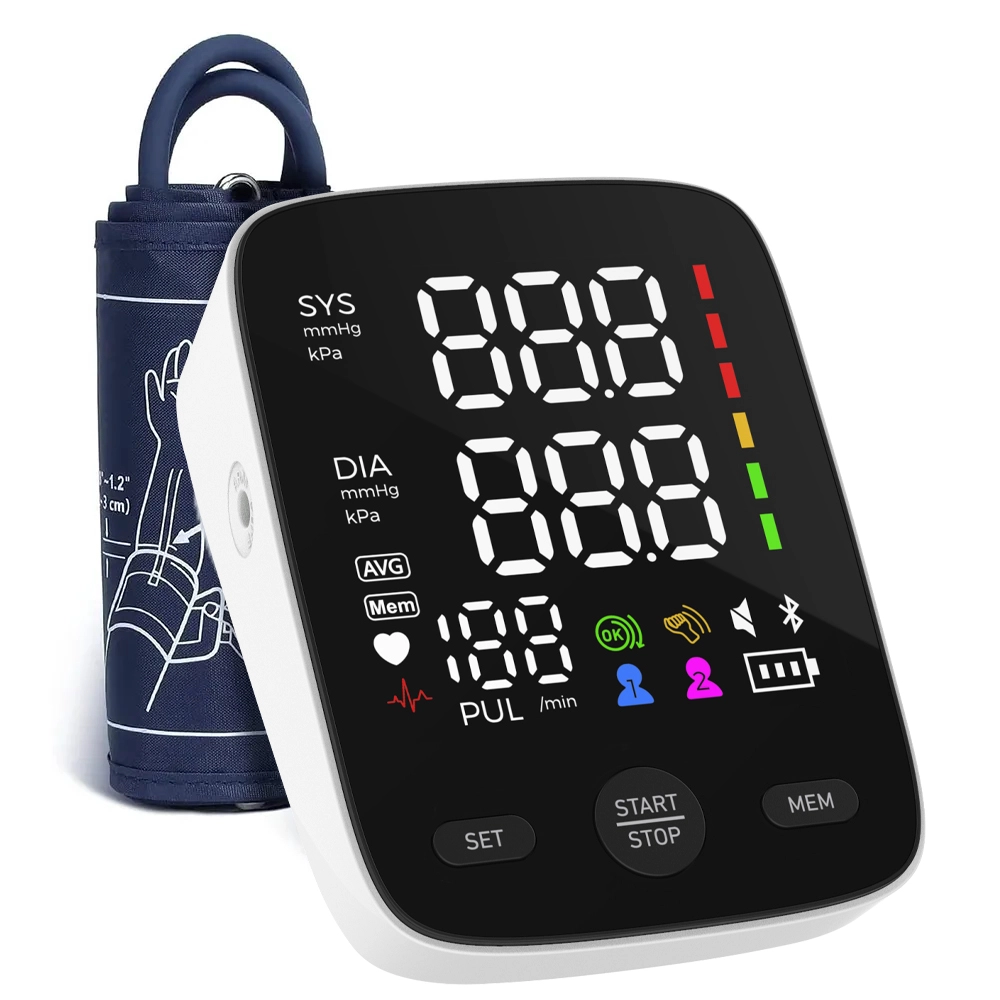
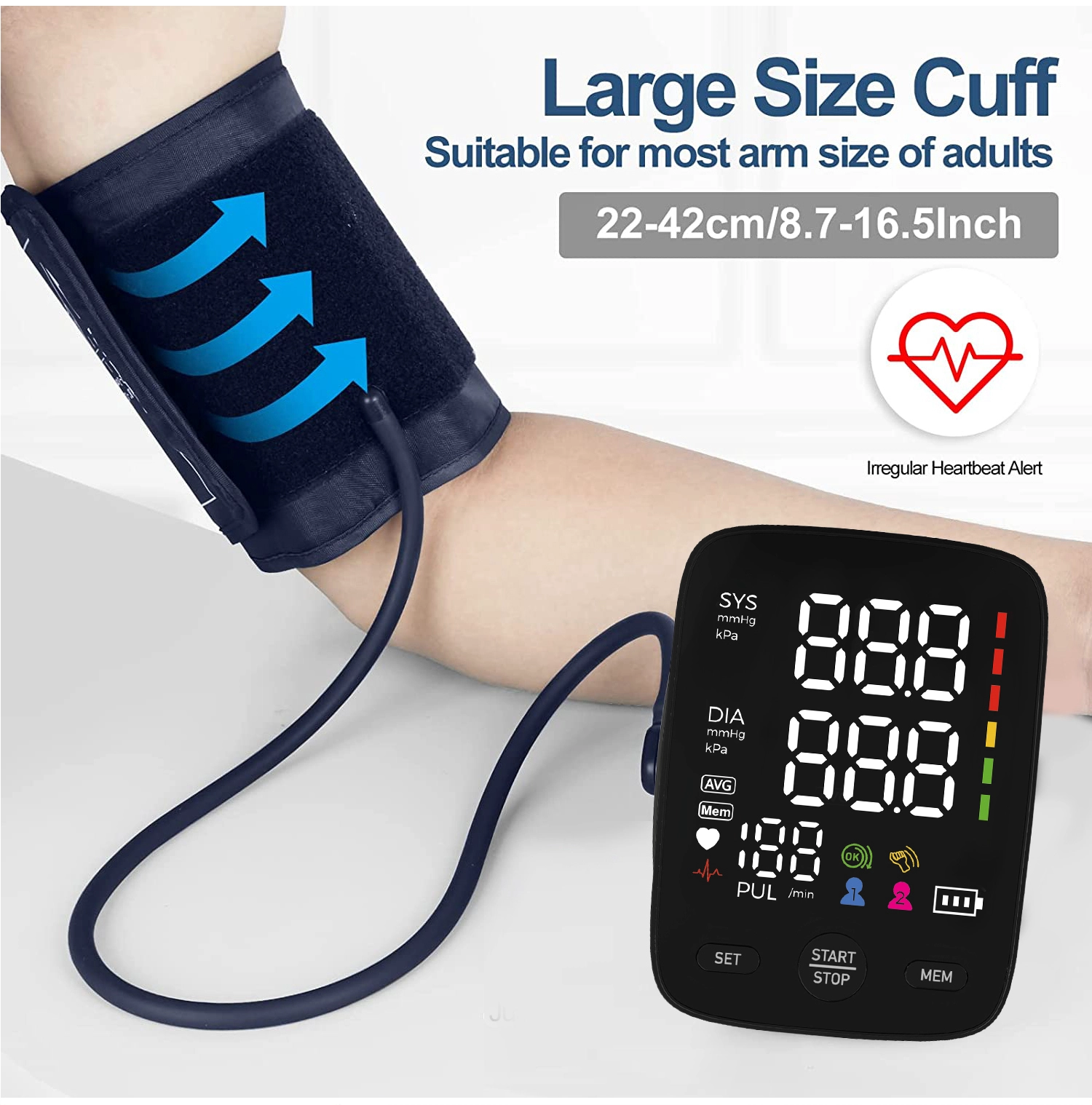
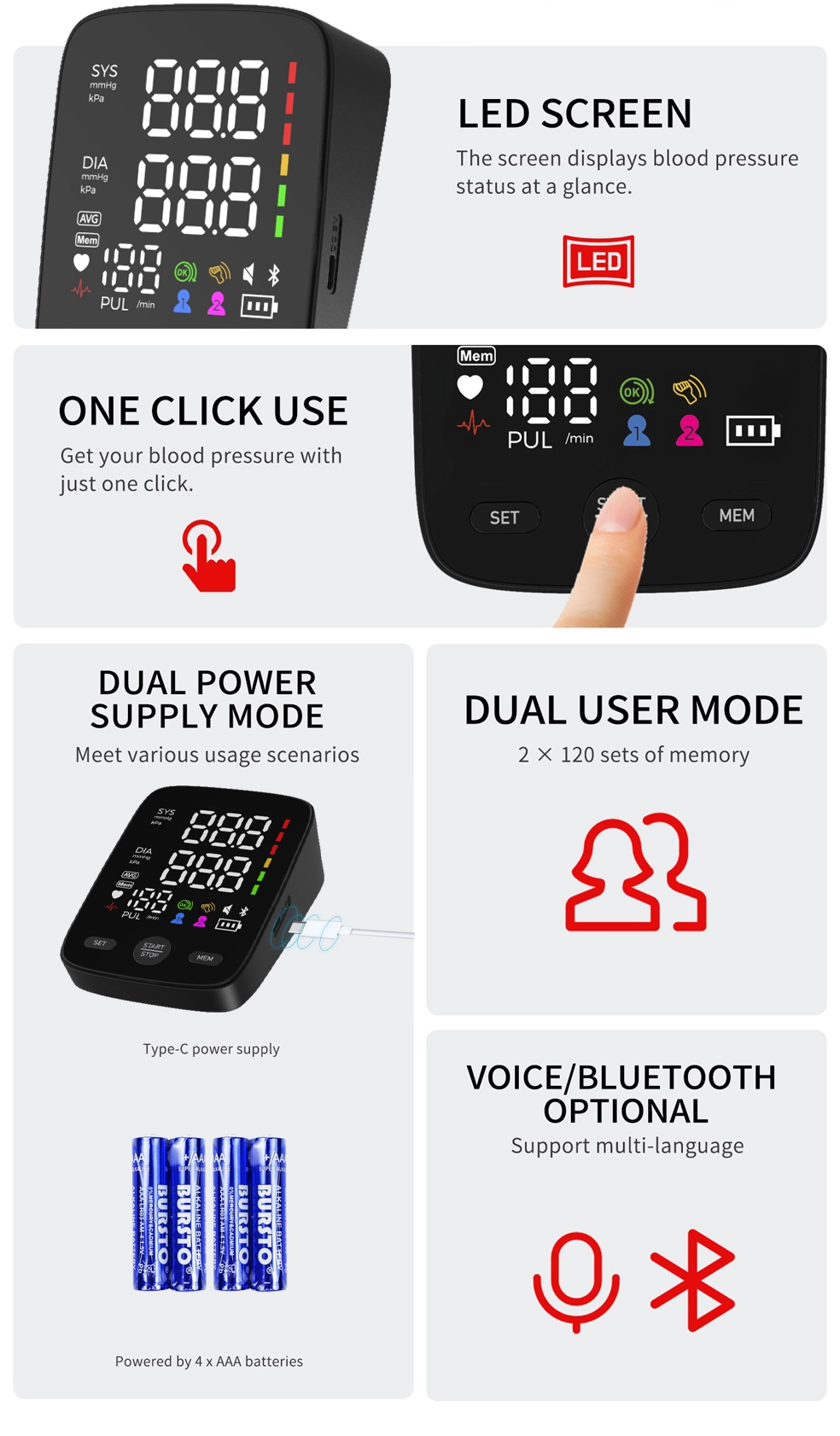
As a manufacturer of both infrared thermometers and blood pressure monitors, Finicare has built its product development process around regulatory compliance from the ground up. Products like the FC-IR109 infrared thermometer and the FC-BP127 blood pressure monitor are designed to meet FDA 510(k) and EU MDR requirements as fundamental design specifications, not retrofit accommodations.
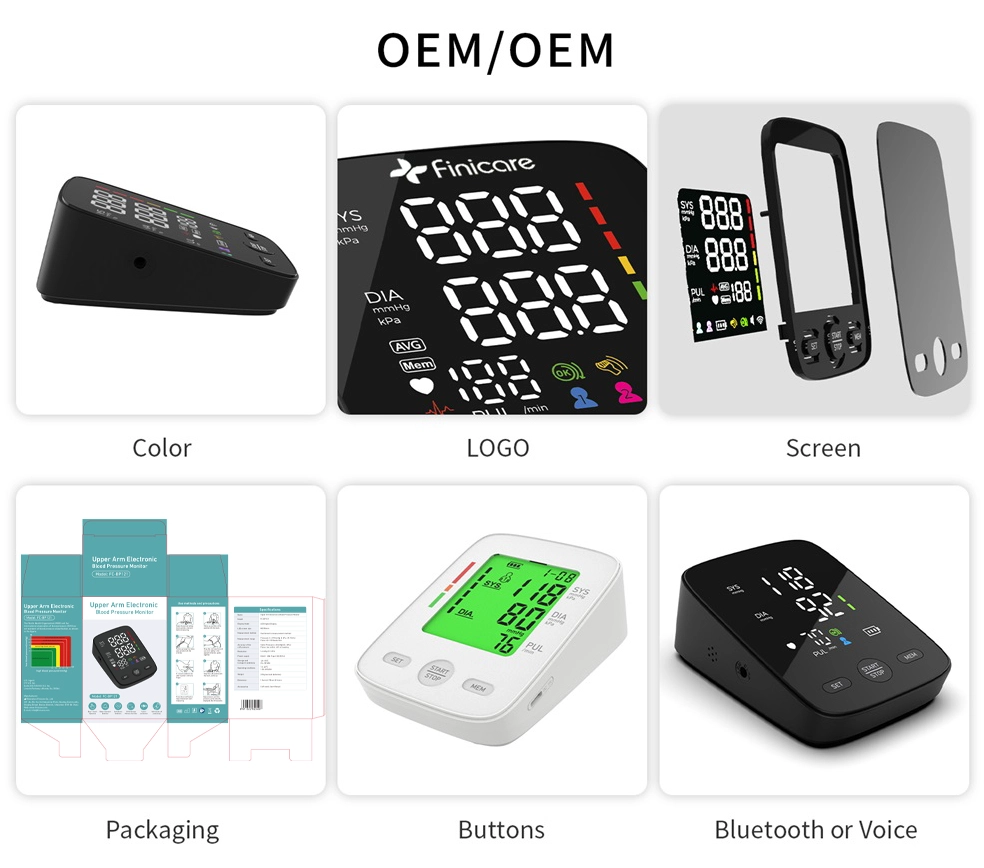
This approach means that every device leaves the factory with validated accuracy, documented clinical performance, and the regulatory credentials that global buyers and healthcare systems require. For OEM partners, this compliance-first methodology eliminates the risk and cost of post-market certification efforts, providing products that are ready for market entry across North America, Europe, and other regulated jurisdictions from day one.
The Path Forward for Home Medical Devices
The regulatory landscape of 2026 sends an unambiguous message. Compliance is not a burden to be minimized but a standard to be embraced. FDA enforcement actions against unauthorized devices protect patients from harm. EU MDR requirements ensure that devices sold in Europe meet consistent safety and performance benchmarks. And clinical validation standards give healthcare providers and consumers the confidence that the numbers on their device screens reflect reality.
For everyone involved in the home medical device ecosystem, from individual consumers tracking their blood pressure to procurement teams sourcing infrared thermometers for hospital networks, choosing validated, certified devices is the single most important decision they can make. The cost of an uncertified device is not measured in purchase price alone but in the potential health consequences of decisions based on inaccurate data.