












The Rising Demand for Home Blood Pressure Monitors and Infrared Thermometers: What Global Buyers Need to Know in 2026
The global home medical device market is experiencing unprecedented growth, driven by an aging population, rising chronic disease rates, and a fundamental shift toward preventive healthcare at home. Among the most sought-after products in this booming sector are home blood pressure monitors and non-contact infrared thermometers - two categories that are redefining how families manage their health on a daily basis.
For distributors, importers, and healthcare brands searching for reliable home medical device manufacturers, understanding the latest market dynamics and product innovations is essential to staying competitive. Here is what you need to know about these two critical product categories in 2026.

Home Blood Pressure Monitors: A Market Fueled by Hypertension Awareness
Hypertension remains one of the most widespread chronic conditions globally, affecting an estimated 1.28 billion adults worldwide according to the World Health Organization. Yet nearly half of those affected are unaware of their condition. This alarming gap between prevalence and diagnosis has created massive demand for accurate, easy-to-use home blood pressure monitoring devices.
The global blood pressure monitors for home use market continues its strong upward trajectory in 2026, driven by increasing physician recommendations for regular home monitoring, growing health literacy among consumers, and advancements in digital blood pressure monitor technology.
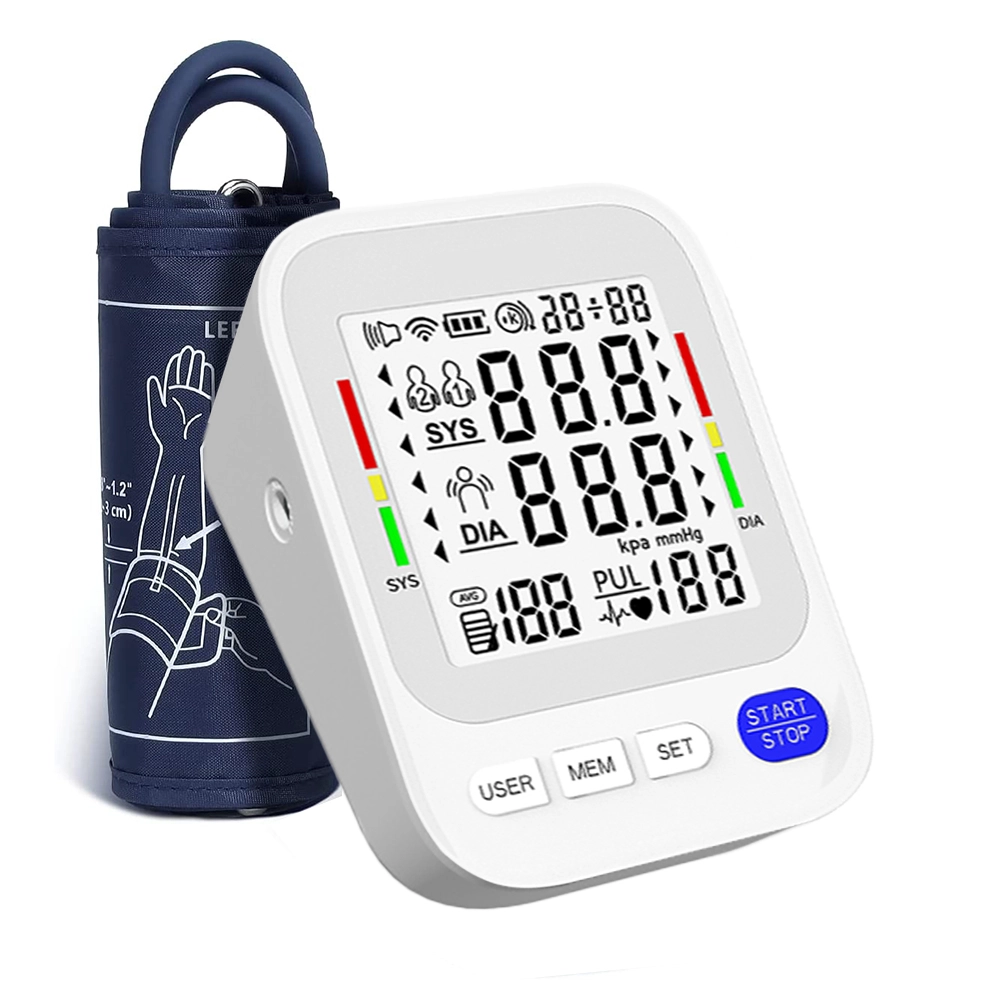
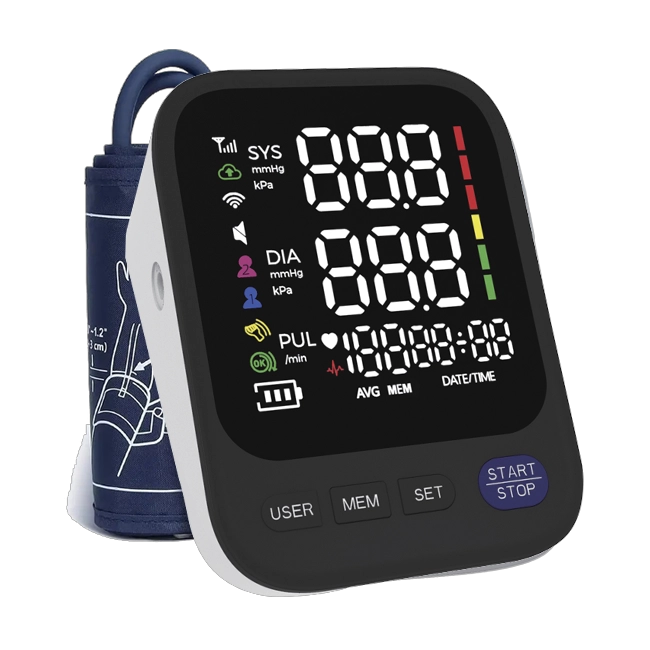
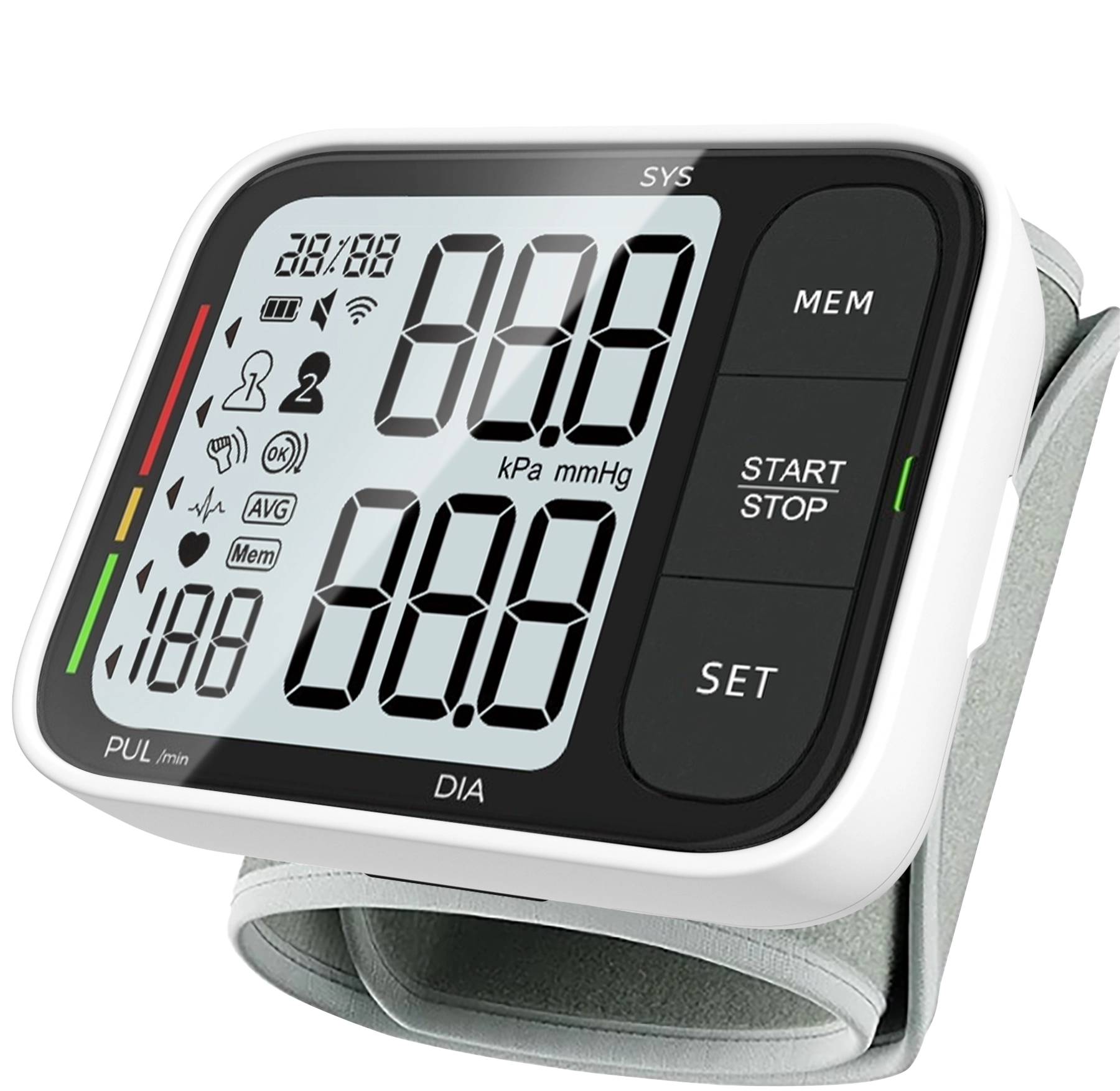
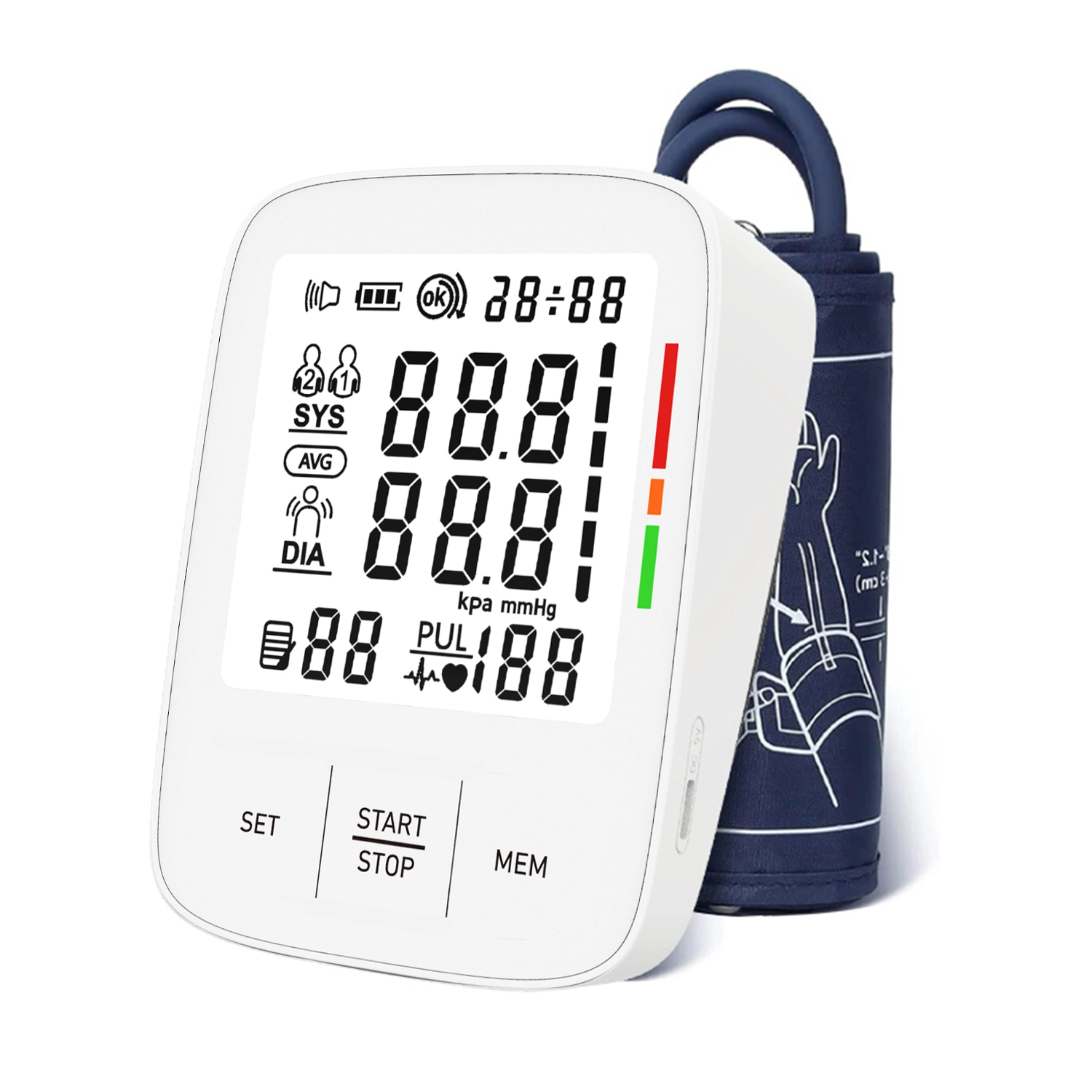
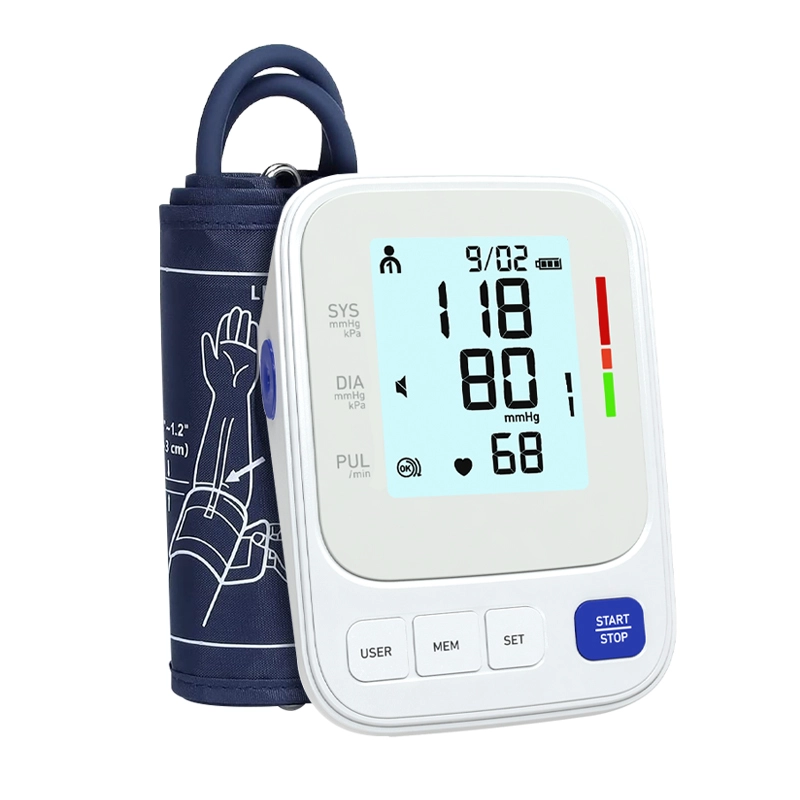
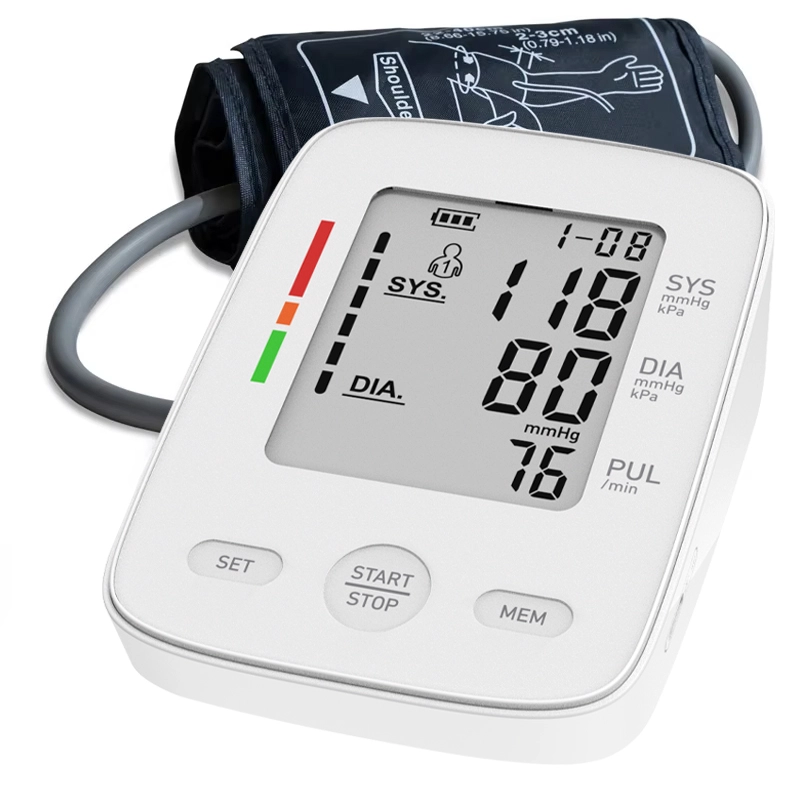
Modern upper-arm blood pressure monitors now offer features that were unimaginable just a few years ago. Large LCD displays with color-coded WHO blood pressure classification indicators help users instantly understand their readings. Dual-user memory storage, with capacities reaching 2x120 sets or more, allows multiple family members to track their measurements over time. Arrhythmia detection algorithms provide an additional layer of cardiovascular screening during routine blood pressure checks.
One-button operation has become the standard, making these devices accessible even to elderly users who may struggle with complex technology. The best home blood pressure monitors in 2026 deliver clinical-grade accuracy in a compact, battery-powered format that requires no medical training to operate. Features like 60-second fast response measurement and low battery indicators ensure a seamless user experience every time.
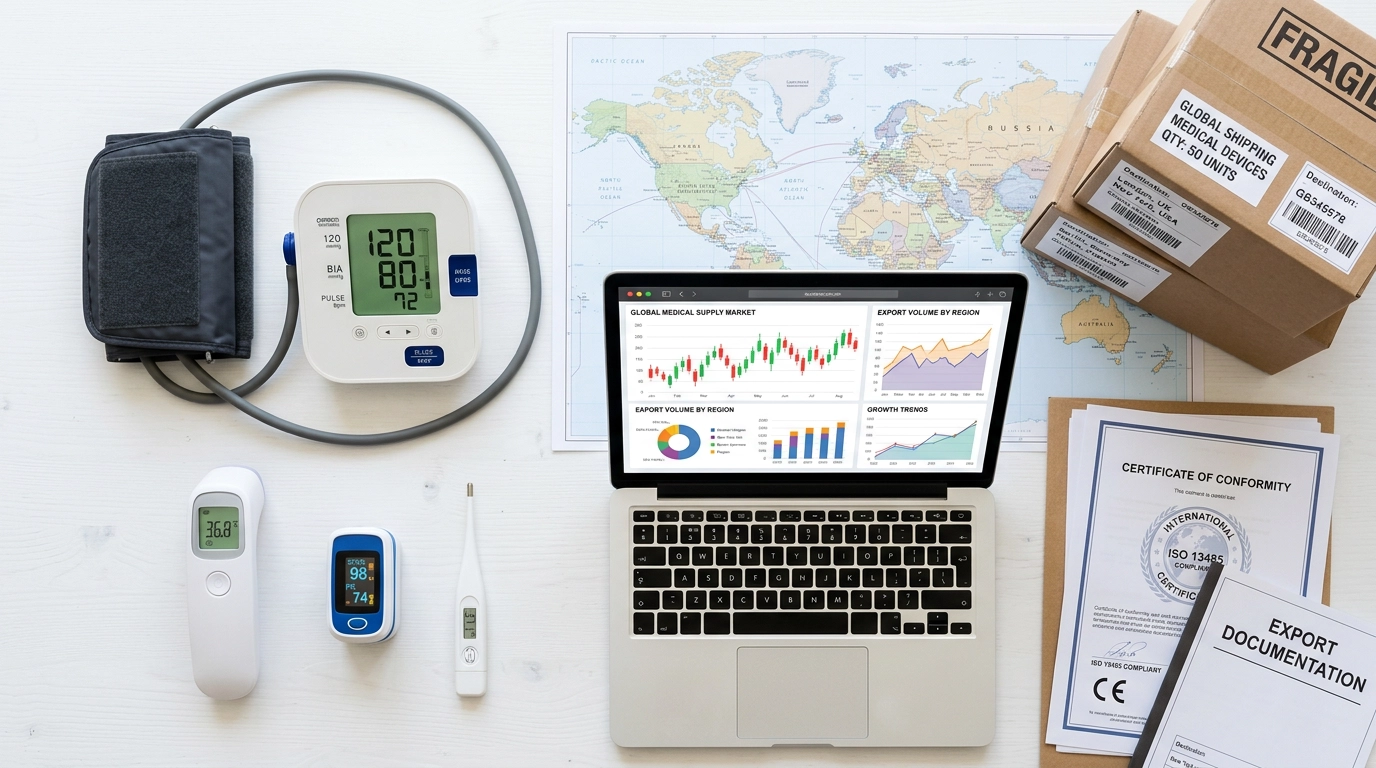
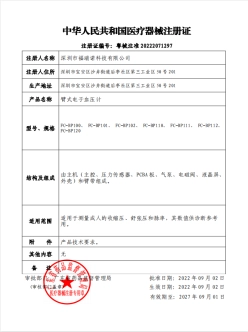
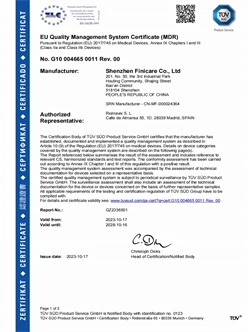
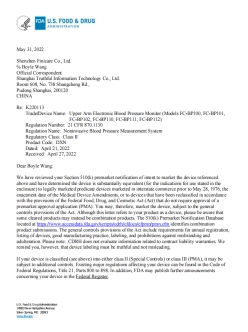
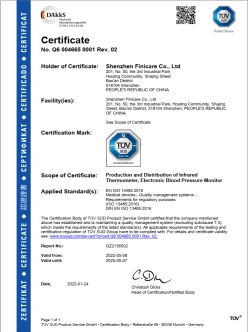
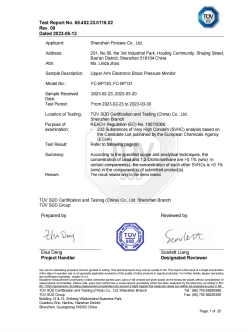
For OEM buyers and private label brands, the key differentiator in this category is finding a manufacturer that combines regulatory compliance with genuine product innovation. Certifications such as FDA 510(k), CE MDR, and ISO 13485 are non-negotiable for entering major markets including the United States, European Union, and Australia.

Non-Contact Infrared Thermometers: Technology That Keeps Getting Smarter
The infrared thermometer market reached USD 727.4 million in 2025 and is projected to grow to USD 1.156 billion by 2034, registering a compound annual growth rate of 5.4%. Asia Pacific currently dominates the market with a 32.67% share, though demand is accelerating across all regions.
What is driving this sustained growth? The answer lies in a combination of factors: ongoing infection control awareness in healthcare and workplace settings, the expansion of home healthcare and remote patient monitoring programs, and continuous technological improvements that make these devices more accurate and user-friendly than ever.
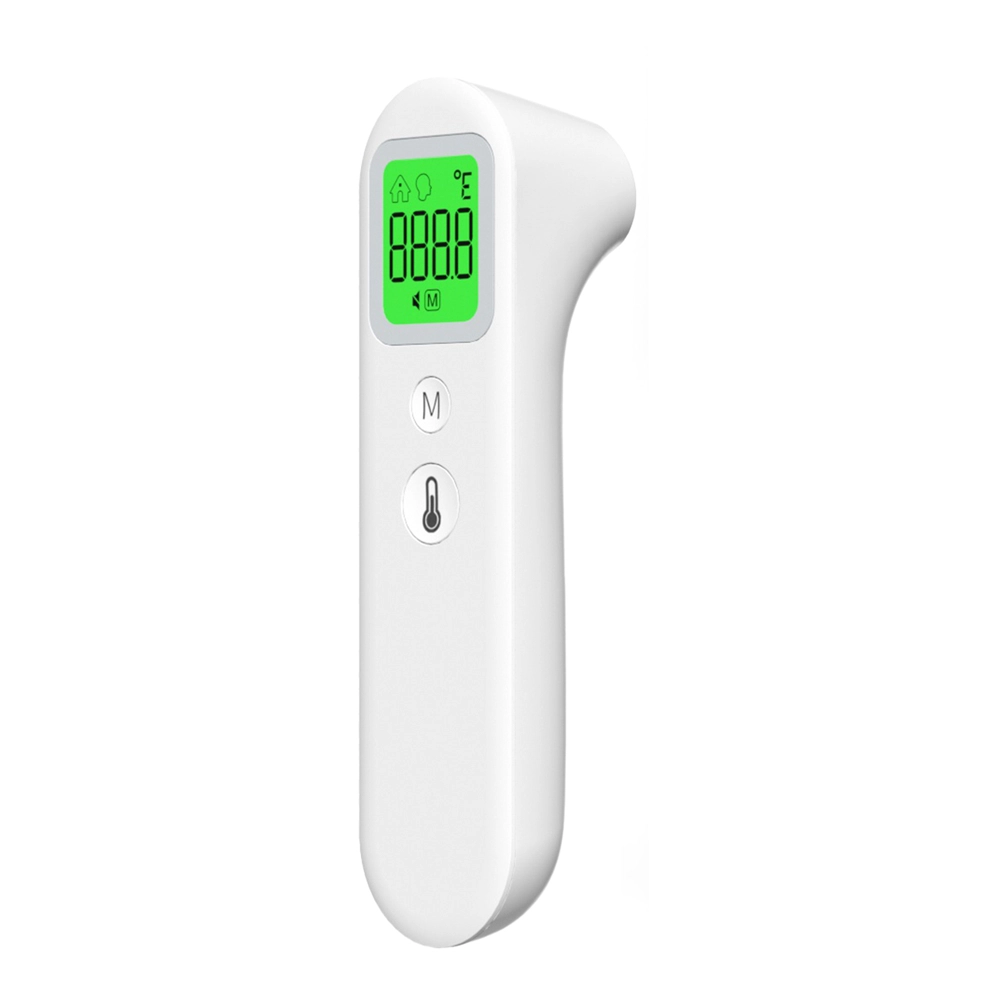
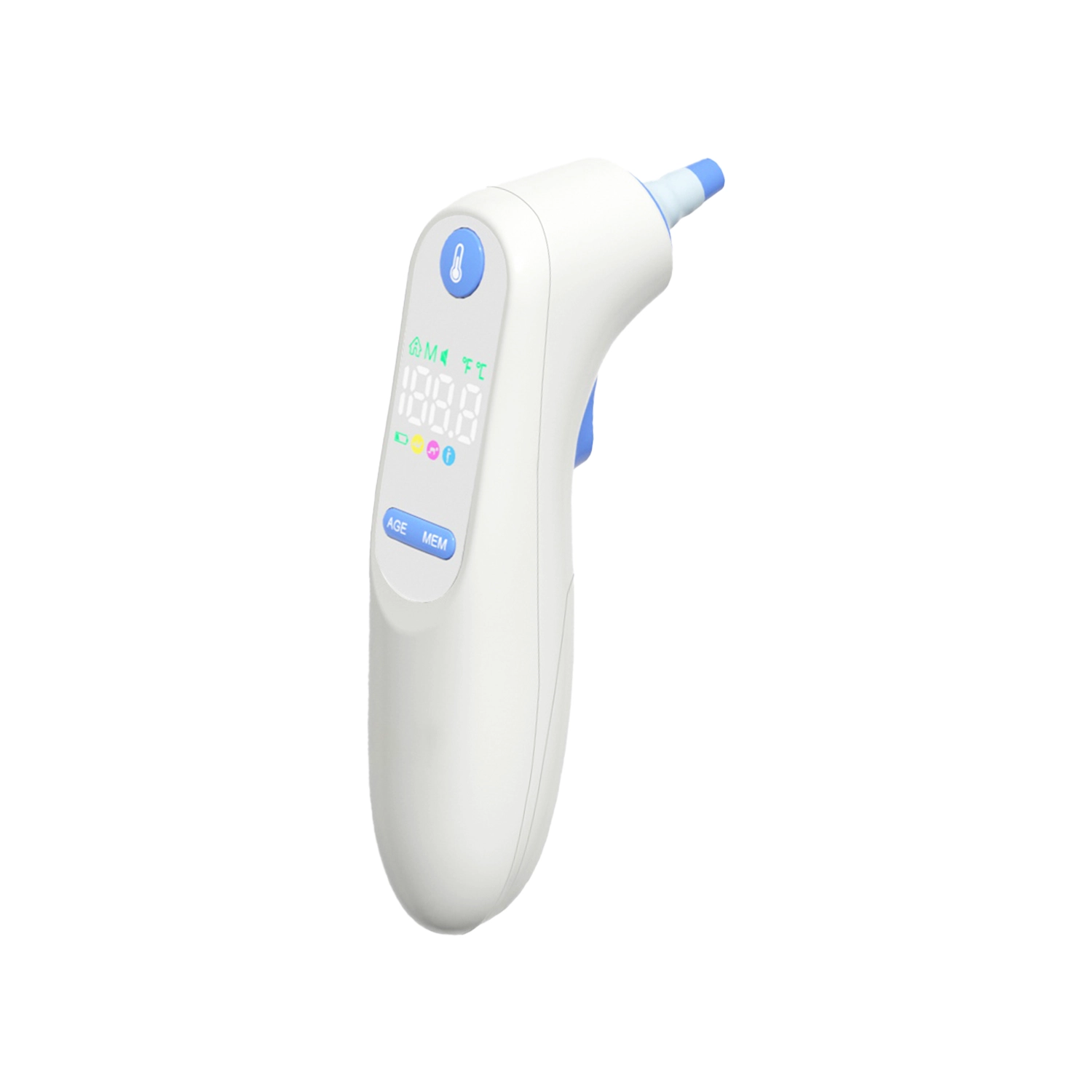
Today's non-contact infrared forehead thermometers deliver readings in as little as one second, with clinical-grade precision that rivals traditional mercury thermometers. Advanced models incorporate dual-wavelength sensor technology for improved accuracy across different skin tones and ambient temperatures. Features such as age-mode calibration automatically adjust fever thresholds for infants, children, and adults, eliminating guesswork for parents monitoring a sick child.
The trend toward smaller, smarter devices is unmistakable. Consumers increasingly expect their infrared thermometers to sync with mobile applications for data tracking and sharing with healthcare providers. This connectivity transforms a simple temperature reading into part of a comprehensive health monitoring ecosystem.
For wholesale buyers and distributors, the infrared thermometer category offers strong margins and consistent year-round demand. Unlike some seasonal medical products, thermometers are essential household items purchased continuously - not just during flu season.
What Sets Leading Manufacturers Apart
In a market flooded with low-cost alternatives, quality and compliance are what separate successful products from those that fail to gain market traction. Buyers sourcing home blood pressure monitors and infrared thermometers should prioritize manufacturers with the following credentials:
Comprehensive Regulatory Approvals
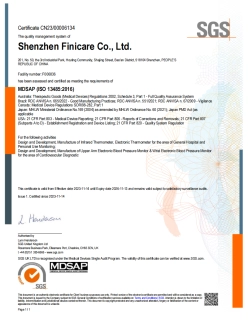
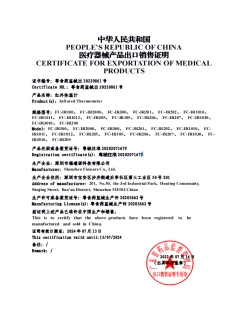
Look for FDA 510(k) clearance for the US market, CE MDR certification for Europe, TGA approval for Australia, and MDL registration for other key markets. MDSAP certification demonstrates that a manufacturer meets the regulatory requirements of multiple countries through a single audit.
Proven Manufacturing Scale
Factories with 13 or more years of experience in home medical device production have refined their quality systems, supply chains, and production processes to deliver consistent results at scale.
Market Validation
Manufacturers whose products rank as top sellers on major e-commerce platforms like Amazon, and who maintain 5-star ratings on international B2B platforms like Alibaba, have proven that their products meet real consumer expectations.
OEM/ODM Capabilities
The ability to customize products with private labeling, custom packaging, specific feature configurations, and compliance documentation for different markets is essential for brands building their own product lines.
Social Compliance
Certifications like BSCI demonstrate ethical manufacturing practices, which is increasingly important for European and North American buyers who must ensure their supply chain meets social responsibility standards.
The Home Healthcare Revolution Is Just Beginning
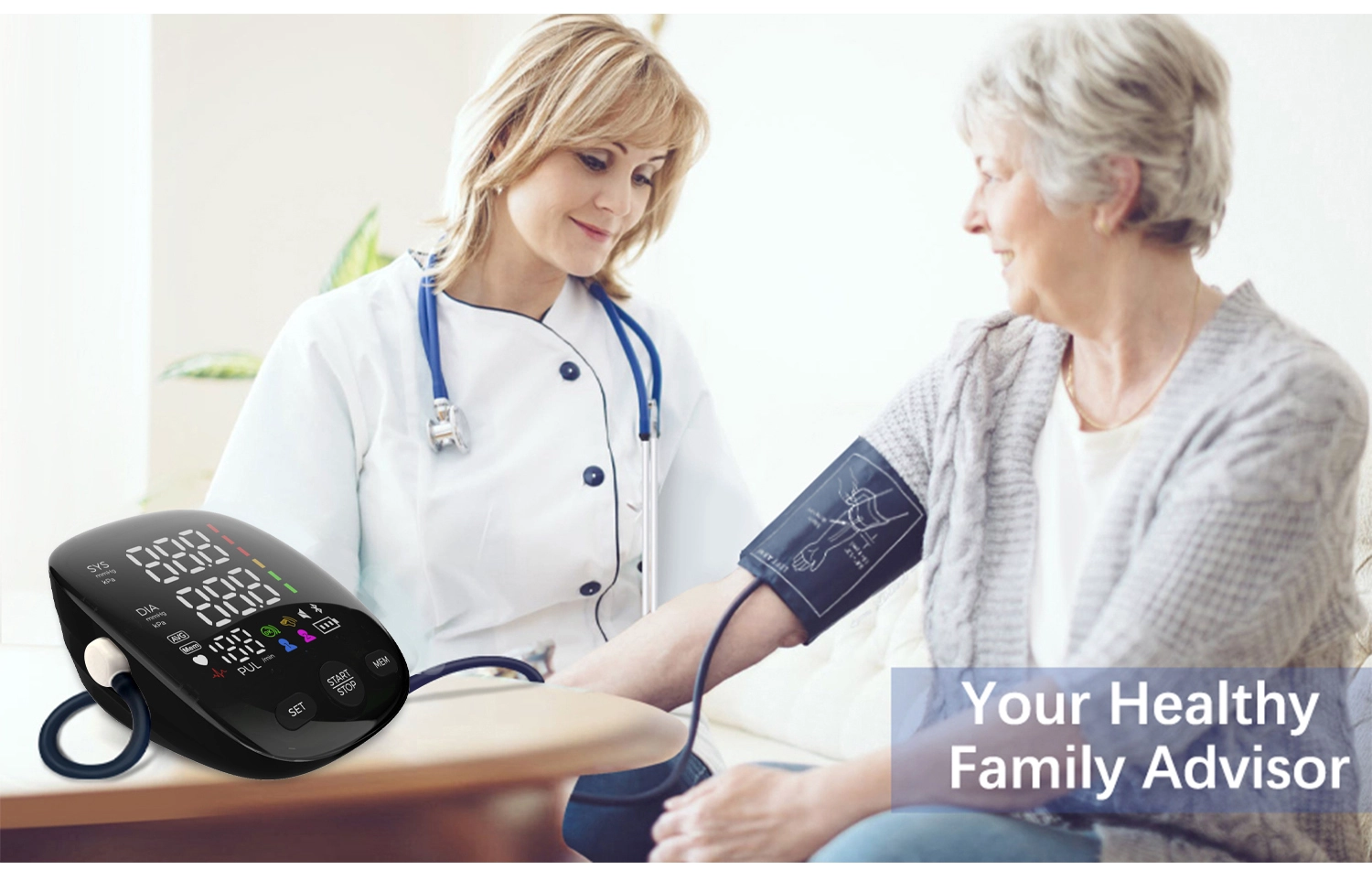
The convergence of several macro trends suggests that demand for home medical devices will only accelerate in the coming years. Aging populations in developed markets need simple, reliable health monitoring tools. Emerging markets in Africa, Southeast Asia, and Latin America are seeing rapid growth in middle-class consumers who are investing in family health for the first time. Telemedicine and remote patient monitoring programs are creating new distribution channels and use cases for home blood pressure monitors and infrared thermometers.
For businesses looking to enter or expand in this market, the time to act is now. The most successful distributors and brands are those who partner with established, certified manufacturers who can provide not just products, but also technical support, regulatory guidance, and flexible production arrangements.
Whether you are a pharmacy chain looking to launch a private label blood pressure monitor line, a distributor seeking reliable infrared thermometer supplies for emerging markets, or a healthcare brand exploring OEM partnerships for your next-generation home medical devices, choosing the right manufacturing partner is the single most important decision you will make.
The home healthcare revolution is here. The question is not whether to participate, but how quickly you can bring the right products to your market.