












Infrared Thermometer vs Digital Thermometer: Which Is Better for Home Use?
Preface
Choosing a thermometer for your family often comes down to two options: an infrared thermometer or a digital contact thermometer. Both technologies have been refined over decades and both can deliver clinically reliable results when used correctly — yet they differ in speed, technique requirements, accuracy, and suitability for different users. Parents, caregivers, and health-conscious adults all face the same question: which one should you actually trust?
This guide explains how each technology works, compares their accuracy based on published clinical evidence, outlines the best use cases for each, and introduces the quality standards that modern manufacturers like Finicare apply to bridge the gap between convenience and reliability. Whether you are buying your first home thermometer or upgrading an aging one, this article gives you the evidence-based knowledge to make the right choice.
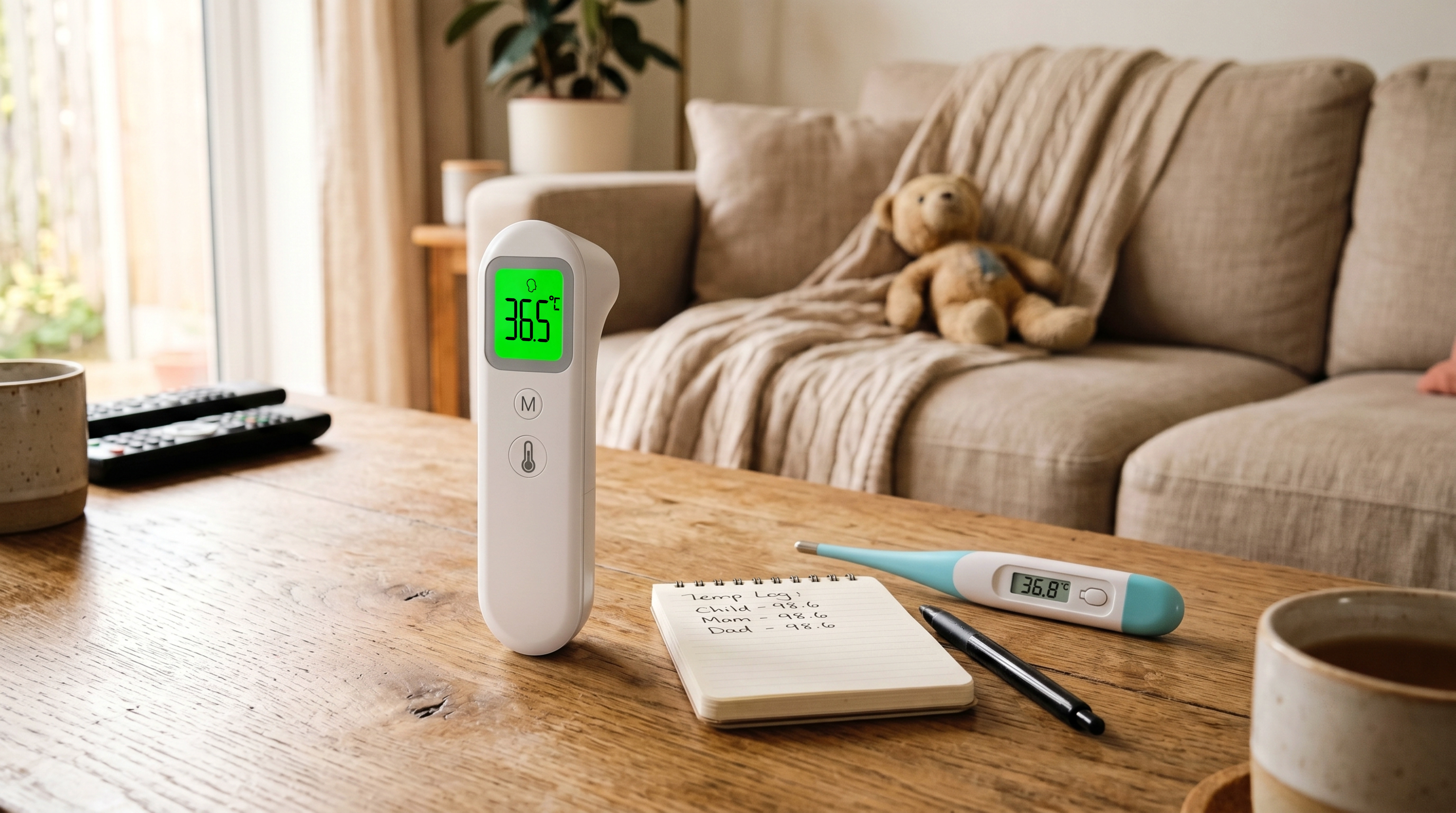
Table of Contents
1. How Infrared Thermometers Work
2. How Digital Contact Thermometers Work
3. Accuracy Comparison: What the Clinical Evidence Shows
4. Speed, Convenience, and User Experience
5. Best Use Cases by Age Group
6. Environmental and Technique Factors That Affect Accuracy
7. Finicare Infrared Thermometer Technology and Quality System
8. Choosing the Right Thermometer for Your Home
9. Common Mistakes That Skew Readings
10. The Future of Home Thermometry
Summary
References
1. How Infrared Thermometers Work
An infrared thermometer measures body temperature without physical contact — or with very brief contact, depending on the model. Forehead (temporal) non-contact models detect the infrared radiation naturally emitted by the skin surface. A sensor inside the device converts this heat energy into an electrical signal, which is then translated into a temperature reading and displayed on the screen within one to two seconds.
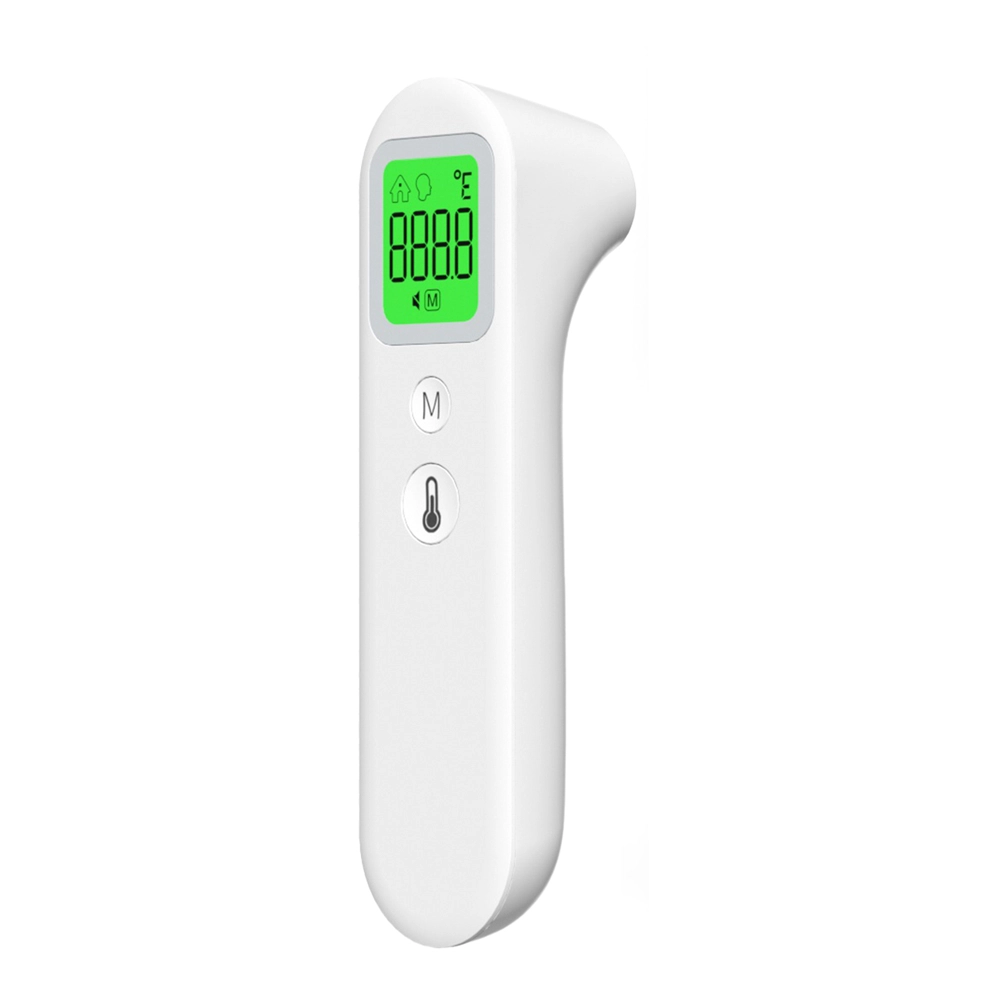
Modern infrared thermometers such as the Finicare IR213 feature a green-backlit LCD display, memory recall, and multi-mode switching (body, room, surface) in a compact handheld design roughly 143 mm tall and 40 mm thick. This is why, in the debate over infrared thermometer vs digital thermometer, infrared models are often favored for speed and hygiene — no probe ever touches the skin.
2. How Digital Contact Thermometers Work
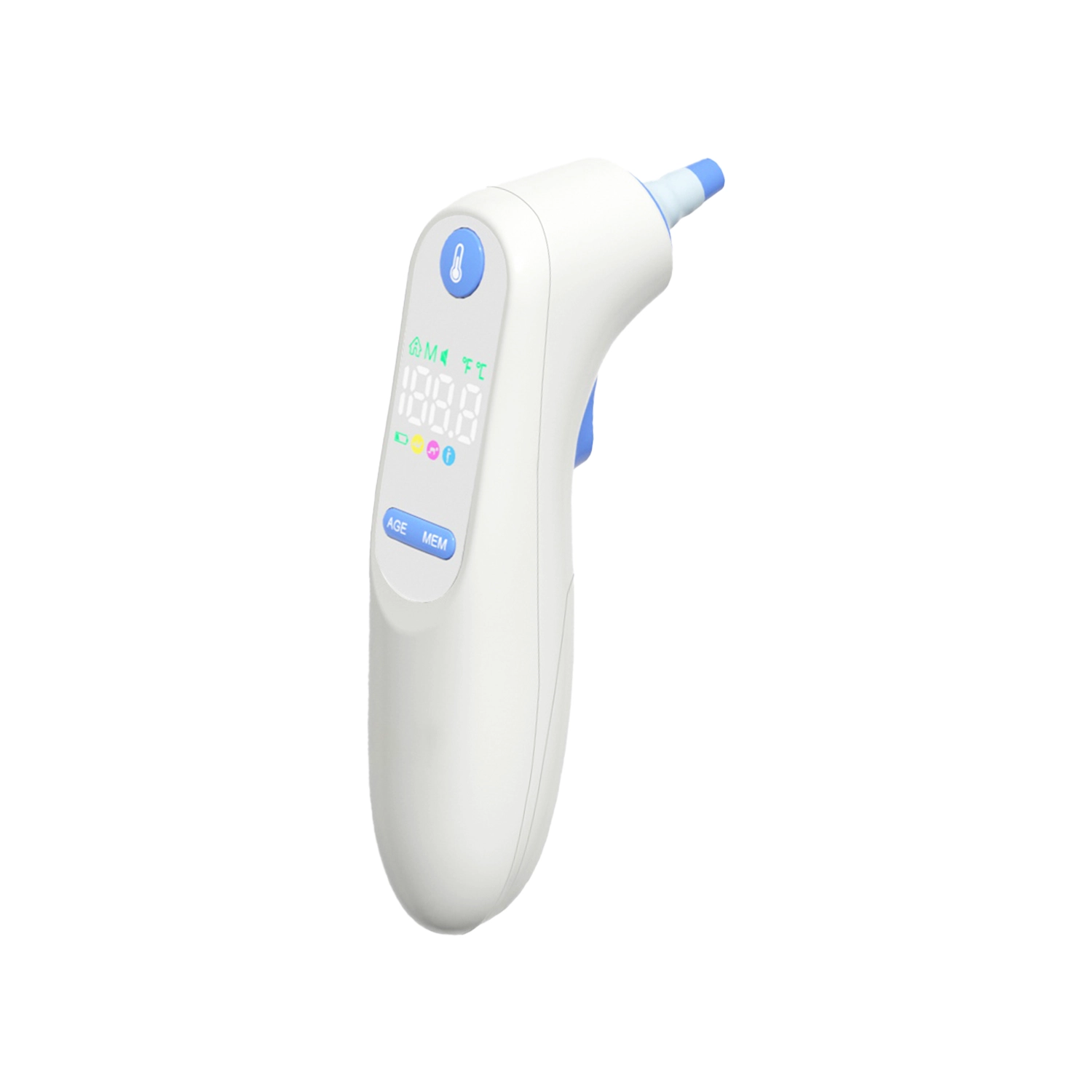
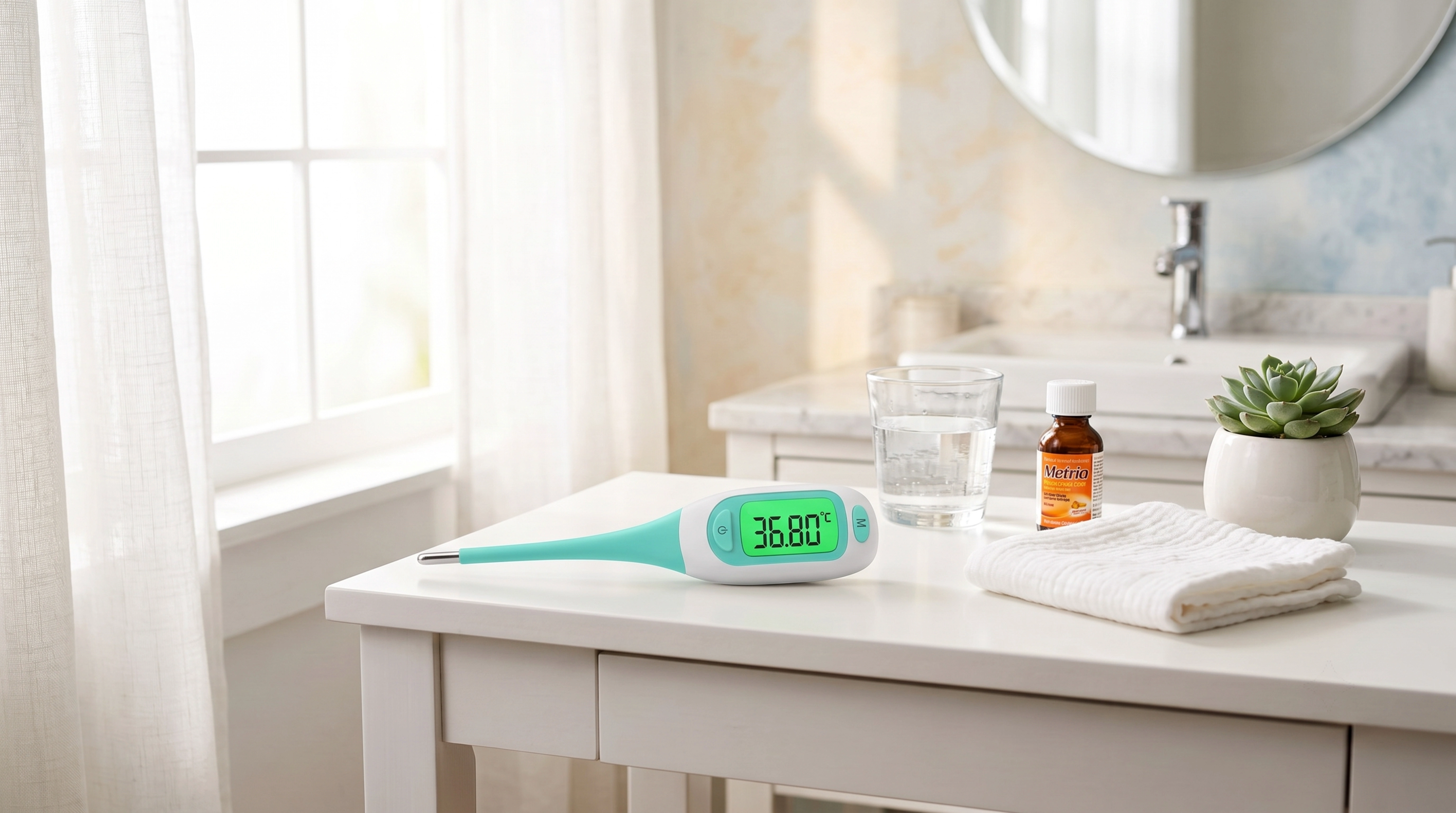
Digital contact thermometers use a thermistor or thermocouple sensor at the tip of a metal or flexible plastic probe. When the probe is placed under the tongue, in the armpit, or rectally, the sensor slowly absorbs body heat until it reaches thermal equilibrium. A microcontroller then converts the resistance change into a temperature value displayed on the LCD screen.
Contact digital thermometers are the most traditional home option. They are inexpensive, robust, and do not require special technique beyond correct probe placement. However, measurement time typically ranges from 10 seconds for fast-predictive models to several minutes for full equilibrium readings. The choice between infrared thermometer vs digital thermometer often begins with how much time you are willing to spend on each measurement.
3. Accuracy Comparison: What the Clinical Evidence Shows
Accuracy is the central question in every infrared thermometer vs digital thermometer comparison. A 2022 clinical study published in PeerJ tested three infrared thermometers against an oral digital reference in 200 adult outpatients and found that temporal artery infrared thermometers showed 88% sensitivity for fever detection, while contactless forehead infrared models showed lower readings compared to the oral electronic reference. The study concluded that not all infrared devices are equal, and proper technique remains essential.
A 2024 systematic review published in Clinical Medicine analyzed infrared temperature measurement devices and confirmed that while infrared thermometers can achieve high accuracy under controlled conditions, they are more susceptible to environmental and user-related errors than digital contact thermometers. Digital oral and rectal models remain the clinical gold standard for baseline readings, while infrared models are increasingly accepted for rapid screening when technique is strictly followed.
In practical terms, a high-quality digital contact thermometer may be more consistent in a controlled home environment, while a quality infrared thermometer offers superior speed and comfort with a small trade-off in absolute accuracy.
4. Speed, Convenience, and User Experience
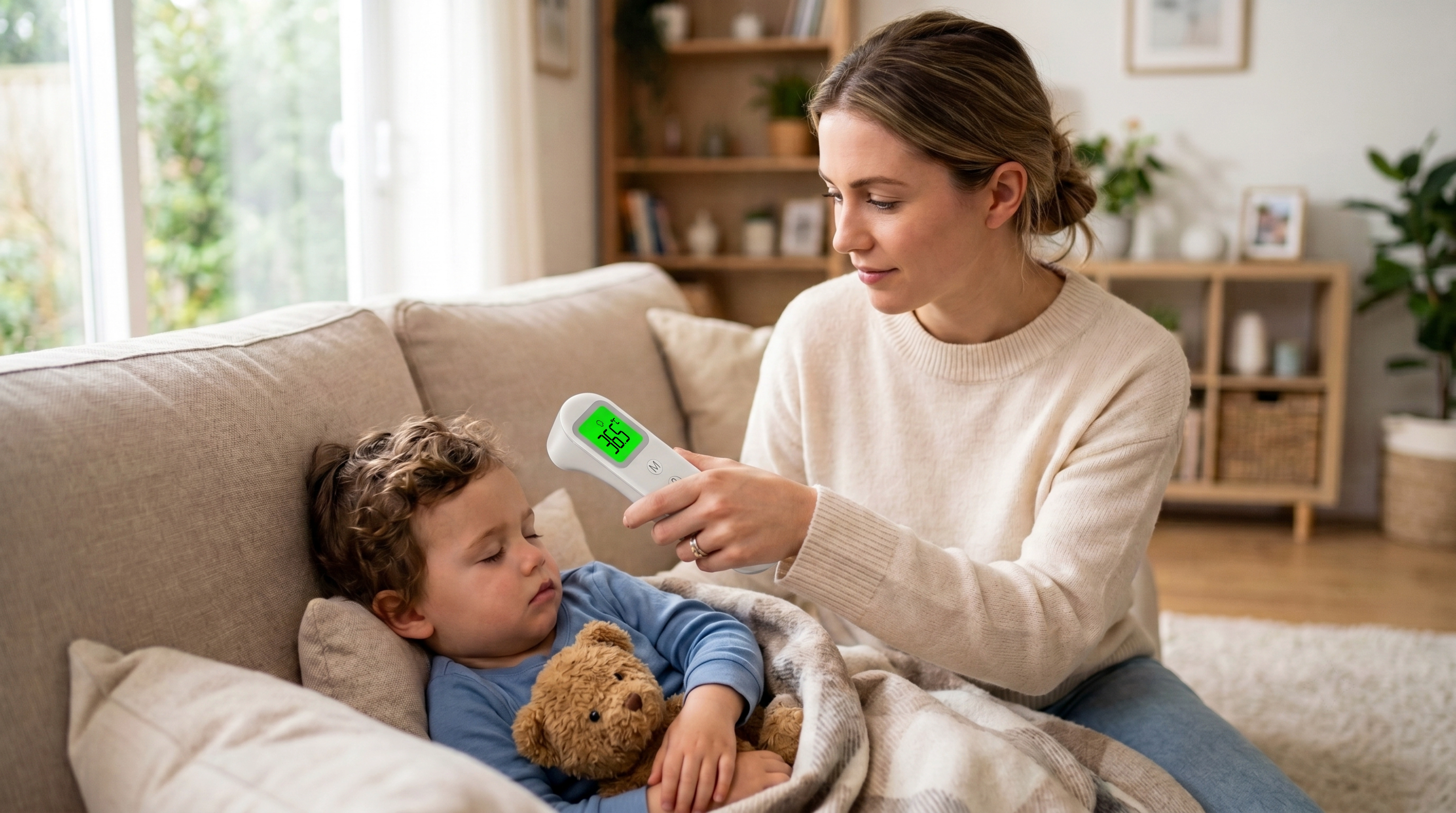
This is where infrared thermometers clearly win. A non-contact forehead reading takes just one to two seconds and does not wake a sleeping child or require a cooperative patient. Digital contact thermometers, even fast-predictive models, typically need 10 to 30 seconds of steady placement.
For parents checking on a feverish child at night, caregivers monitoring elderly patients, or schools screening dozens of students in the morning, the convenience of infrared is often the deciding factor. However, convenience must be balanced with technique — holding the device at the correct distance and angle is essential for an accurate infrared reading.
5. Best Use Cases by Age Group
For infants and toddlers, infrared forehead or ear thermometers are often preferred because they reduce distress and allow repeated measurements without cooperation issues. For school-age children and adults, both infrared and digital contact thermometers work well; digital oral models may offer slightly more consistent trend tracking when used under similar conditions each time.
For older adults, ease of use and display readability are critical. Infrared no-touch devices are convenient for caregivers, while contact digital devices provide a stable, repeatable method for long-term monitoring. The best choice often depends on who will be doing the measuring and how often.
6. Environmental and Technique Factors That Affect Accuracy
No thermometer is immune to user and environmental factors. Infrared models are sensitive to:
- Distance and angle from the forehead
- Sweat, hair, hats, or recent outdoor exposure
- Room temperature, airflow, and direct sunlight
- Battery condition and sensor cleanliness
Digital contact models are less affected by room conditions but are sensitive to:
- Incorrect probe placement
- Reading taken too soon before thermal equilibrium
- Recent consumption of hot or cold drinks (for oral readings)
- Using axillary readings as if they were oral values
Understanding these factors is essential when comparing infrared thermometer vs digital thermometer — the more accurate device is usually the one used correctly under the right conditions.
7. Finicare Infrared Thermometer Technology and Quality System
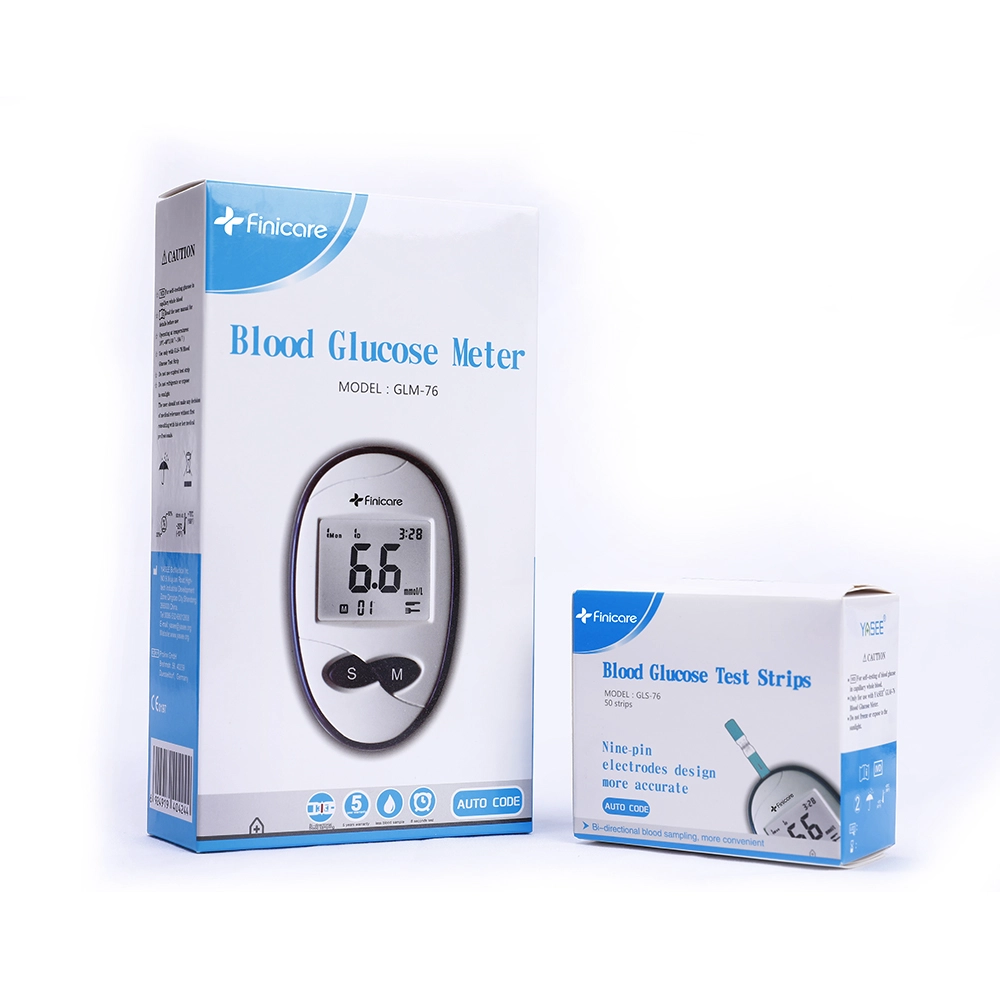
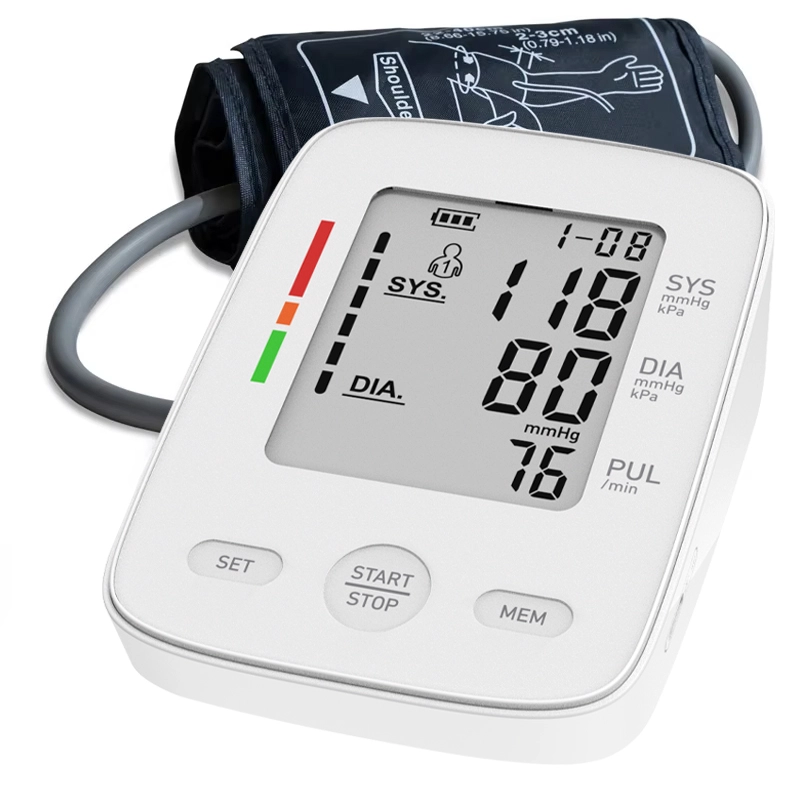
Finicare was established in 2017 and is a high-tech enterprise integrating R&D, production, and sales. Headquartered in Shenzhen, China, the company specializes in infrared thermometers, electronic blood pressure monitors, pulse oximeters, and other home medical devices. Its products are exported to more than 80 countries across Europe, North America, the Middle East, and Southeast Asia.
Finicare's infrared thermometers, such as the IR213, combine medical-grade sensor technology with consumer-friendly design. The IR213 features a non-contact forehead scanning mode with 1-2 second measurement time, a green-backlit LCD display readable in low light, multi-mode switching for body and surface temperature, and memory recall for tracking trends over time. The ergonomic handheld form factor — 143 mm tall, 35.5 mm wide, 40 mm thick — fits comfortably in any hand.
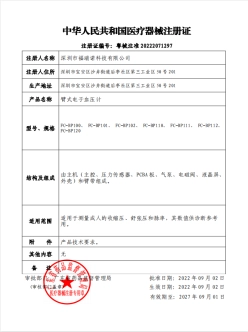
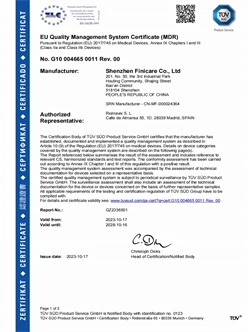
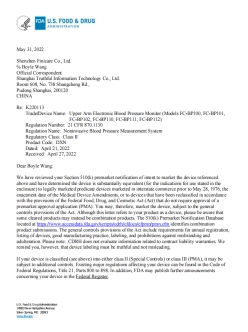
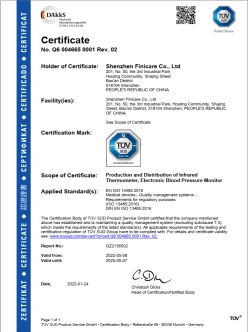
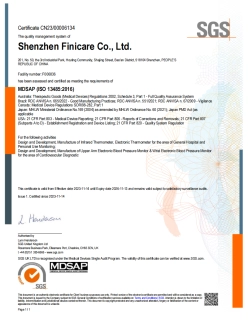
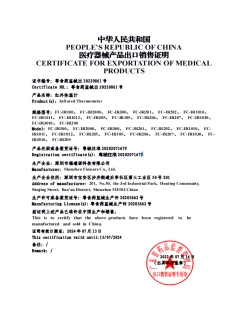
Every Finicare device carries FDA 510(k), CE (MDR), ISO 13485, and MDSAP certifications. The company's integrated quality system — from sensor calibration to environmental stress testing — ensures that when customers compare infrared thermometer vs digital thermometer options, Finicare devices deliver reliable, clinically acceptable accuracy across both product lines.
8. Choosing the Right Thermometer for Your Home
For many families, the best strategy is to own both types. Use an infrared thermometer for quick screening — especially at night, with children, or when checking multiple people. Confirm any unexpected high or low result with a digital contact thermometer for a more definitive reading.
When buying, consider:
- Intended user: families with small children often value no-touch speed
- Measurement workflow: forehead for screening, oral for confirmation
- Display and usability: backlit screen, fever alerts, memory recall
- Hygiene: no-touch models reduce direct contact between users
- Battery life and durability for long-term use
The infrared thermometer vs digital thermometer debate is not about which is universally better — it is about which is better for your specific situation.
9. Common Mistakes That Skew Readings
The most frequent infrared thermometer errors include measuring too close or too far from the forehead, not wiping sweat or hair from the scanning area, and using the device in a room with strong airflow or direct sunlight. Digital contact errors include taking the reading too soon, placing the probe incorrectly, and using the same value for axillary and oral readings without adjustment.
Regardless of which technology you choose, always read the manual fully, let the person rest for a few minutes before measurement, use the same measurement site consistently, and take a second reading if the first seems unexpected.
10. The Future of Home Thermometry
The next generation of thermometers is blurring the line between infrared and digital contact technologies. Multi-sensor devices now combine infrared screening with contact confirmation in a single unit. Smartphone apps track temperature trends over weeks, alerting users to abnormal patterns before symptoms appear.
Finicare's R&D team is actively developing next-generation algorithms that compensate for environmental variables and skin pigmentation differences, ensuring that future infrared thermometers deliver accuracy that approaches digital contact standards while preserving the speed and convenience that make infrared the preferred choice for modern home use.
Summary
The choice between an infrared thermometer and a digital contact thermometer depends on your priorities. Infrared thermometers offer speed (1-2 seconds), hygiene, and convenience — ideal for children, sleeping patients, and rapid screening. Digital contact thermometers offer slightly higher consistency in controlled environments and remain the clinical gold standard for baseline readings. Clinical studies confirm that high-quality infrared models can achieve reliable accuracy when technique is strictly followed, though they remain more sensitive to environmental factors.
For most households, the best approach is to own both types: use infrared for quick screening and confirm unexpected results with a digital contact device. Finicare manufactures both technologies, with models like the IR213 non-contact infrared thermometer combining medical-grade sensors, multi-mode measurement, and FDA, CE, and ISO 13485 certifications to deliver trustworthy readings in everyday use.