














How to Use a Blood Pressure Monitor: A Step-by-Step Guide for Accurate Home Readings
Preface
High blood pressure affects more than one billion adults worldwide, yet nearly half of those who have it are unaware of their condition. Home blood pressure monitoring is one of the simplest and most effective ways to detect hypertension early, track treatment progress, and share reliable data with your doctor. But an accurate reading depends on far more than just pressing a button — your posture, cuff placement, timing, and even what you ate or drank beforehand can shift the result by 10 percent or more.
This guide walks you through every step of how to use a blood pressure monitor correctly, explains what your numbers mean, and helps you avoid the most common mistakes that lead to false readings. Whether you are monitoring for the first time or looking to improve your technique, this article is written for patients, caregivers, and health-conscious individuals who want trustworthy data at home.
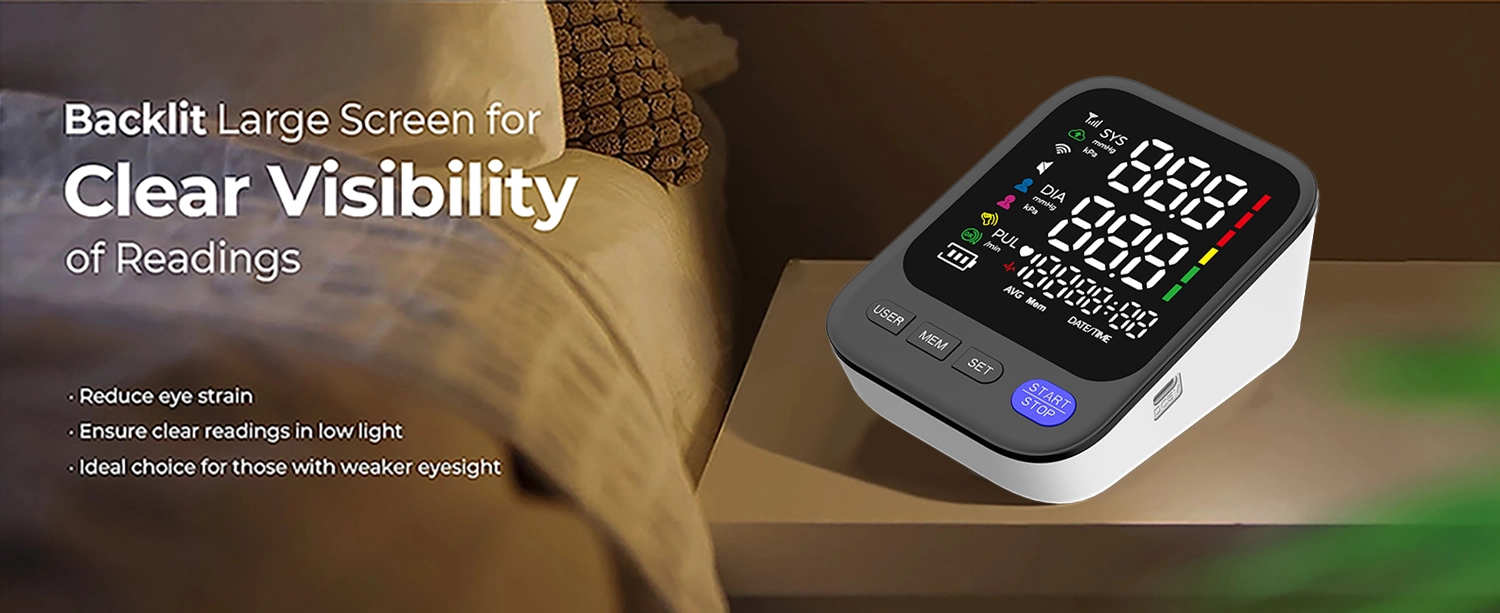
Table of Contents
1. Why Home Blood Pressure Monitoring Matters
2. Understanding Your Blood Pressure Numbers
3. Choosing the Right Blood Pressure Monitor
4. Preparing for an Accurate Reading
5. How to Use a Blood Pressure Monitor: Step by Step
6. Common Mistakes That Skew Your Readings
7. Finicare Blood Pressure Monitors: Technology and Quality
8. When and How Often to Measure
9. Sharing Your Readings with Your Doctor
10. Maintaining Your Blood Pressure Monitor
Summary
References
1. Why Home Blood Pressure Monitoring Matters
Blood pressure is not a static number. It fluctuates throughout the day in response to activity, stress, diet, and sleep. A single reading in a doctor's office — often affected by "white coat syndrome" — may not reflect your true baseline. The American Heart Association recommends home monitoring for all patients with elevated or high blood pressure because it provides a richer picture of cardiovascular health over time.
When you learn how to use a blood pressure monitor at home, you gain the ability to detect patterns that a single clinic visit cannot capture. Studies have shown that home blood pressure monitoring correlates more strongly with cardiovascular events than office readings, making it one of the most valuable tools for long-term heart health management.
2. Understanding Your Blood Pressure Numbers
Every blood pressure reading consists of two numbers. The first, systolic pressure, measures the force in your arteries when your heart beats. The second, diastolic pressure, measures the force between beats. Both are expressed in millimeters of mercury (mmHg).
According to Harvard Health Publishing, blood pressure is categorized as follows:
- Normal: Less than 120/80 mmHg
- Elevated: 120-129 / below 80 mmHg
- Stage 1 hypertension: 130-139 / 80-89 mmHg
- Stage 2 hypertension: 140/90 mmHg or higher
A key reason to learn how to use a blood pressure monitor properly is that small technique errors can push a normal reading into the hypertension range — or mask a genuinely high reading. Understanding these categories helps you interpret your results and know when to seek medical advice.
3. Choosing the Right Blood Pressure Monitor
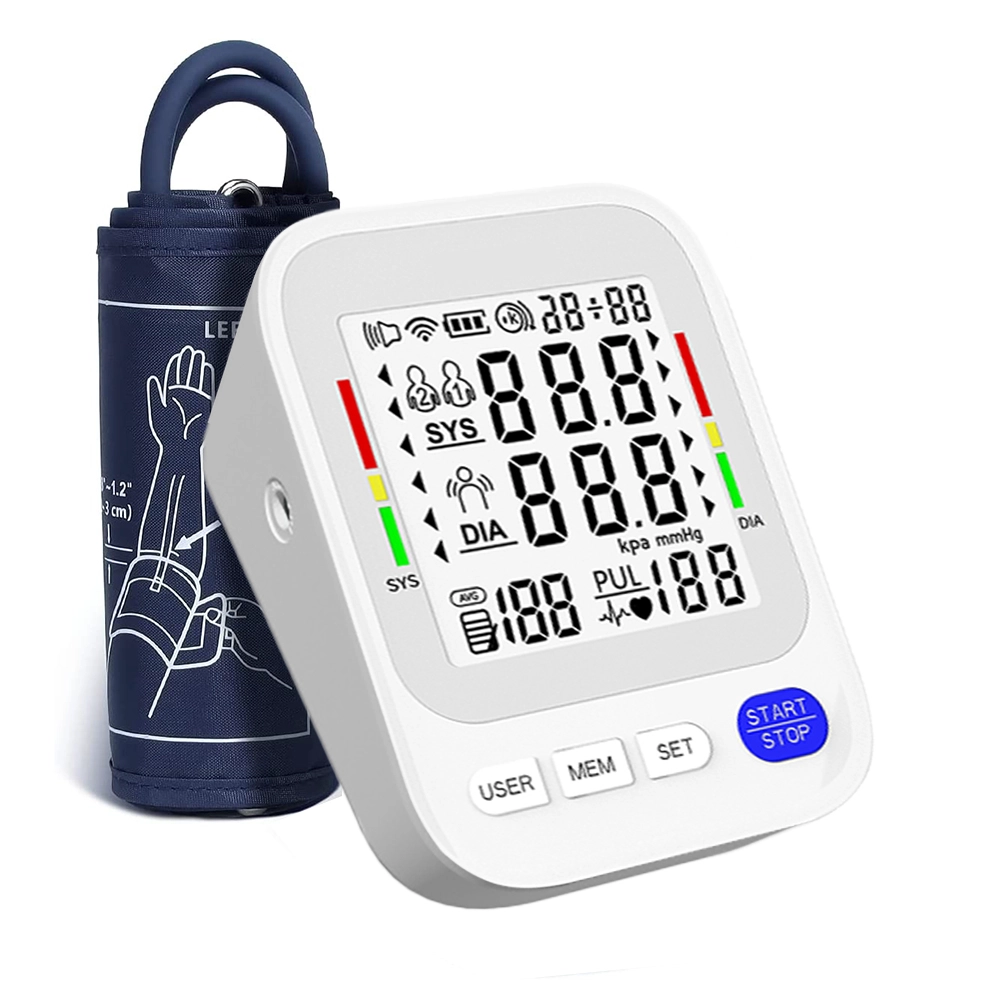
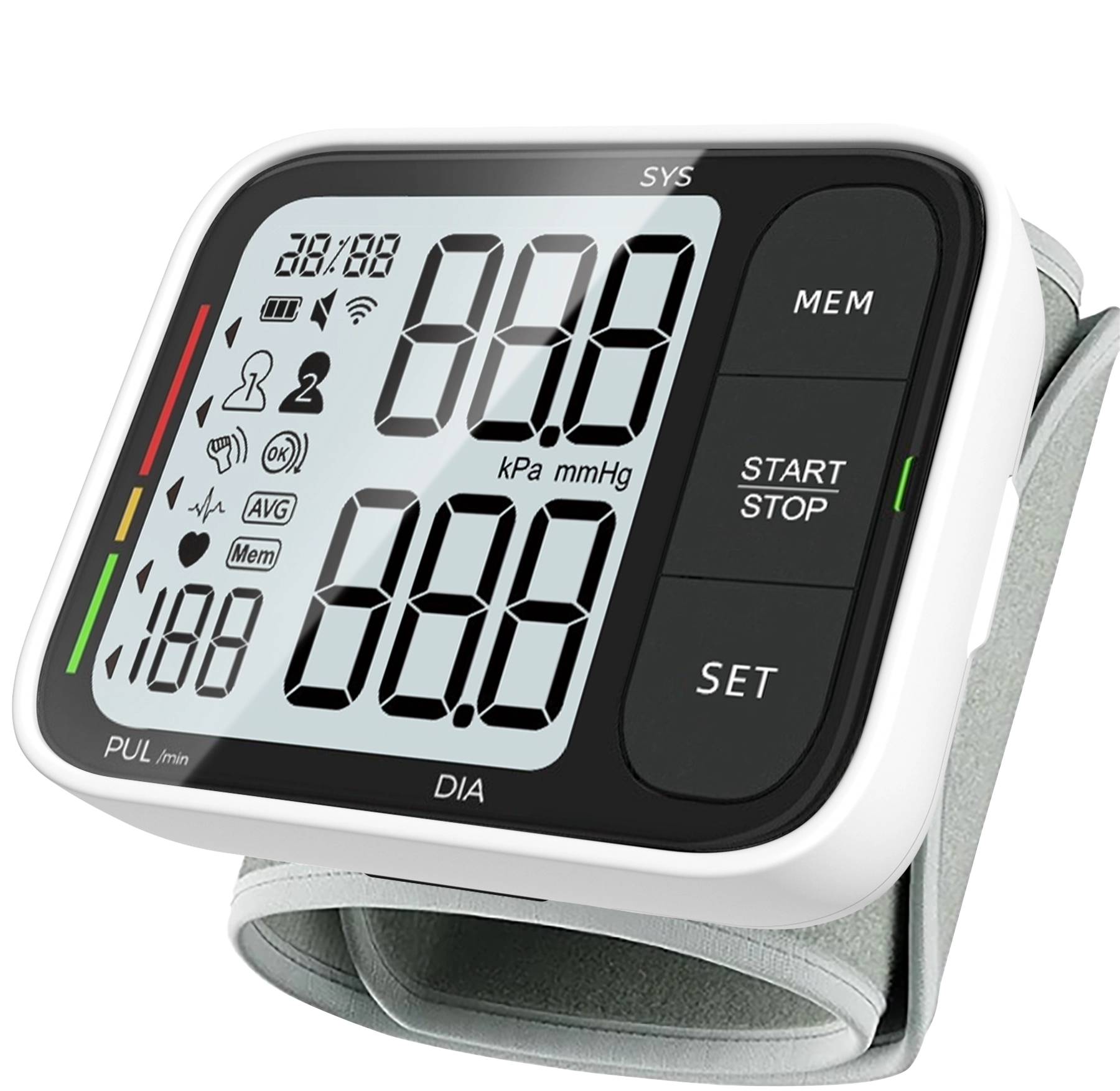
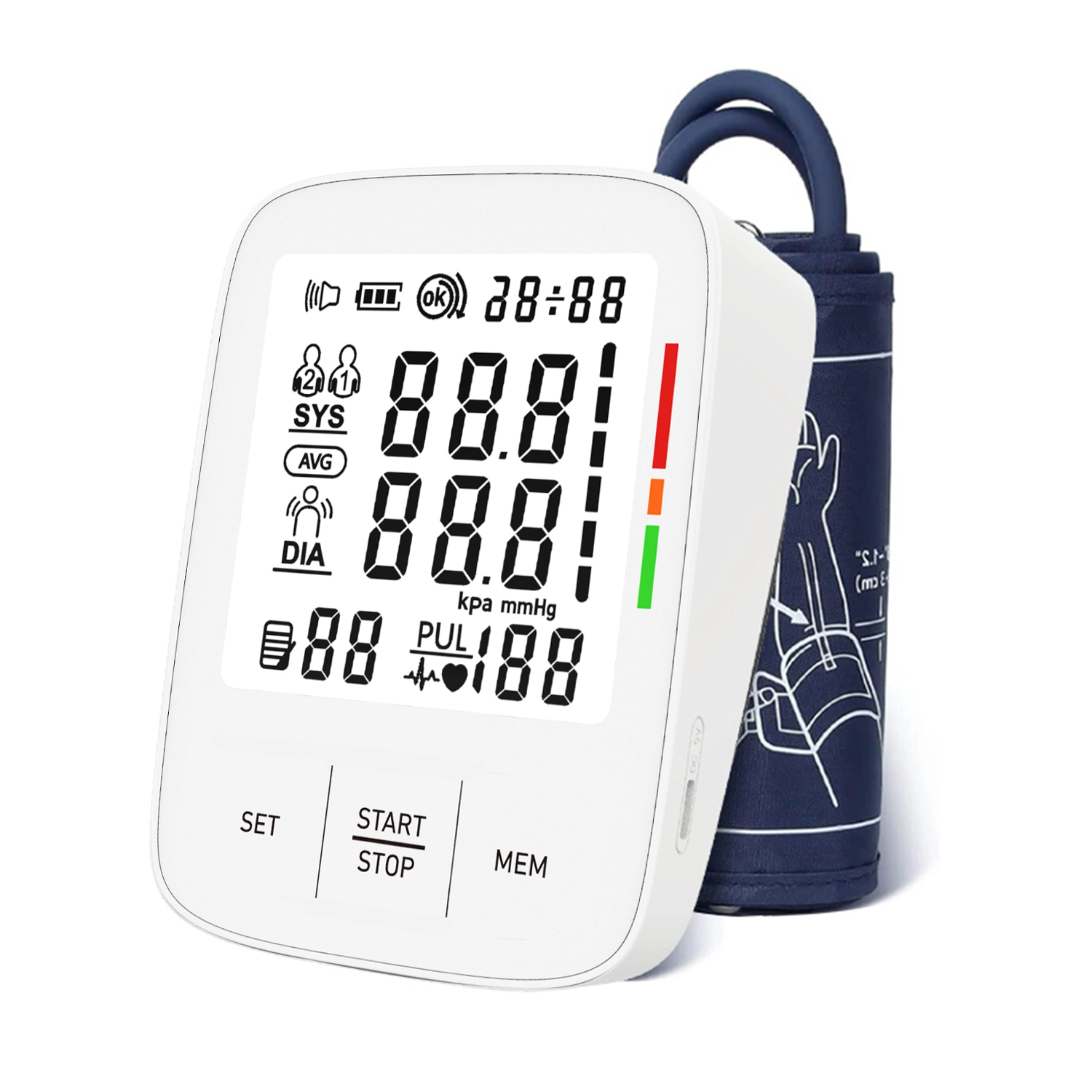
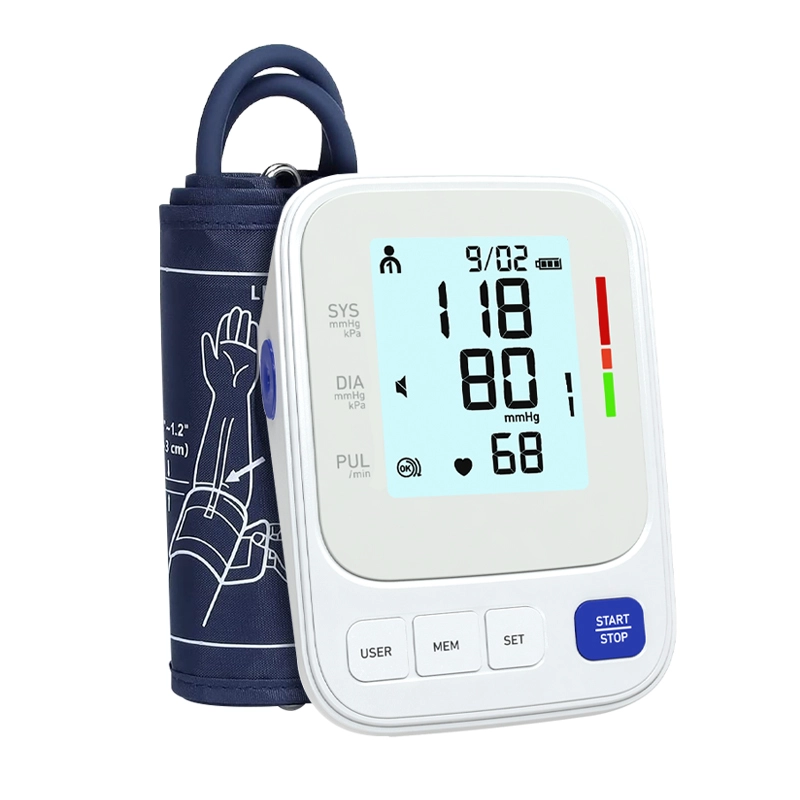
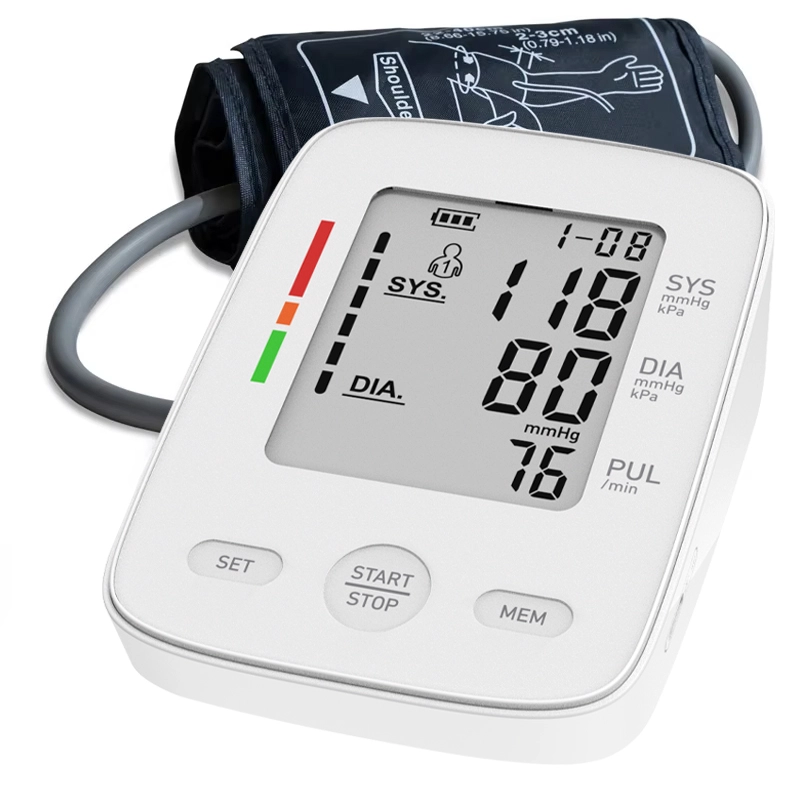
Not all blood pressure monitors are created equal. The most widely recommended type for home use is the upper arm cuff monitor, which tends to be the most accurate for the general population. Wrist monitors are more portable but require careful positioning at heart level, which can be difficult for some users. Finger monitors are generally not recommended for clinical accuracy.
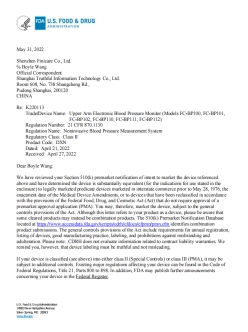
When selecting a device, look for validation by recognized organizations such as the European Society of Hypertension, the Association for the Advancement of Medical Instrumentation, or FDA 510(k) clearance. Other useful features include multiple user profiles, memory storage, irregular heartbeat detection, and a color-coded pressure category indicator. Knowing how to use a blood pressure monitor starts with choosing one that fits your arm circumference and lifestyle.
4. Preparing for an Accurate Reading
Preparation is where most home readings go wrong. The American Heart Association and Harvard Medical School recommend the following before every measurement:
- Avoid caffeine, alcohol, smoking, and exercise for at least 30 minutes beforehand.
- Empty your bladder — a full bladder can raise blood pressure by up to 10 points.
- Sit quietly for five minutes in a comfortable chair with your back supported.
- Keep your feet flat on the floor — do not cross your legs.
- Rest your arm on a flat surface with your upper arm at heart level.
- Wear short sleeves or roll up your sleeve so the cuff sits on bare skin.
These steps may seem minor, but each one can change your result by several points. Anyone learning how to use a blood pressure monitor should treat preparation as seriously as the measurement itself.
5. How to Use a Blood Pressure Monitor: Step by Step
Once you are prepared, the actual measurement takes less than a minute. Here is the correct step-by-step procedure:
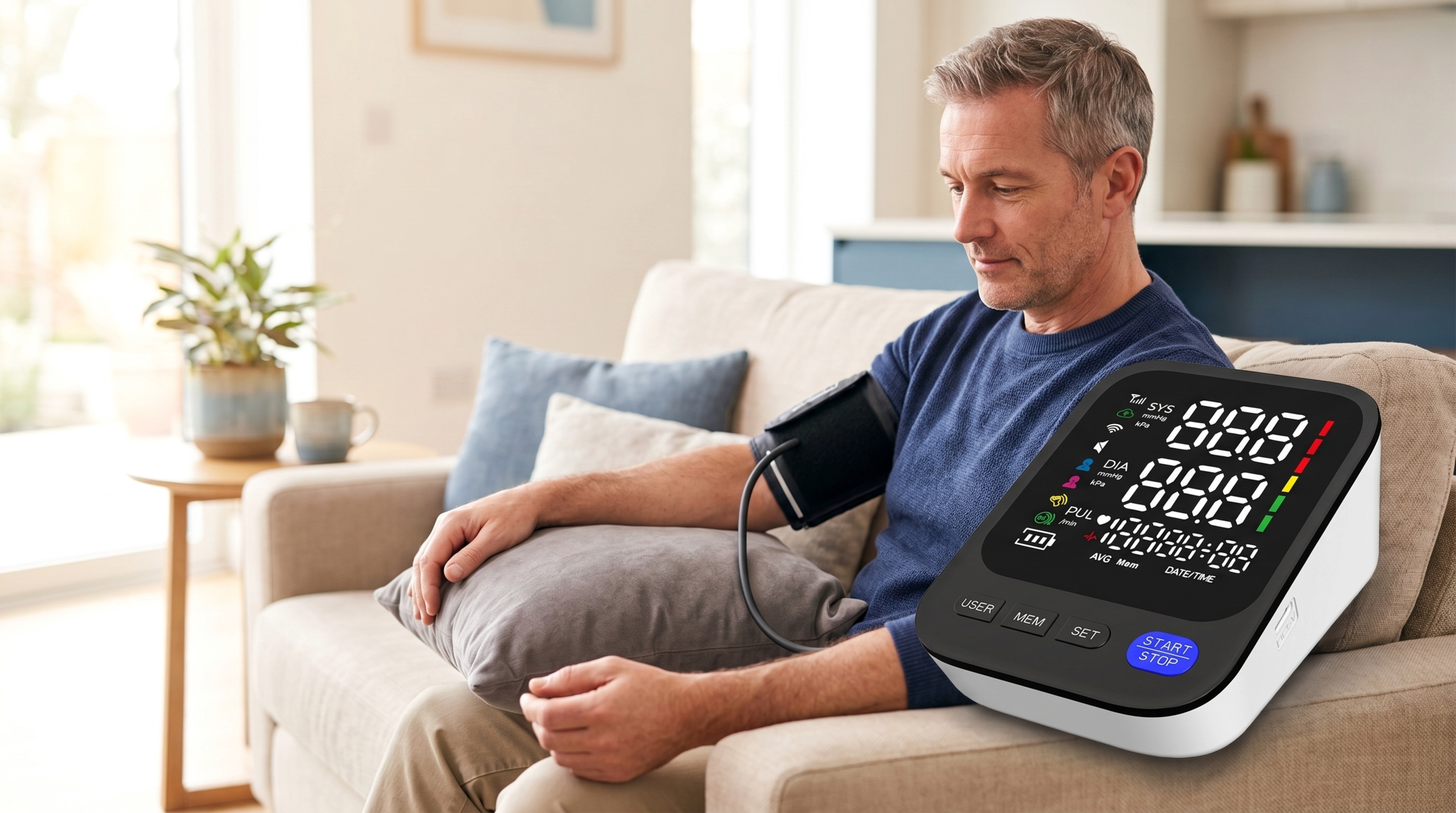
1. Wrap the cuff snugly around your bare upper arm, about one inch (2-3 cm) above the elbow crease. The tube should run down the inside of your arm, aligned with your middle finger.
2. Make sure the cuff is tight enough that you can slide only one finger underneath. A loose cuff is one of the most common causes of inaccurate readings.
3. Sit still and do not talk or move during the measurement.
4. Press the start button. The cuff will inflate and then slowly deflate automatically.
5. Wait for the display to show your systolic, diastolic, and pulse readings.
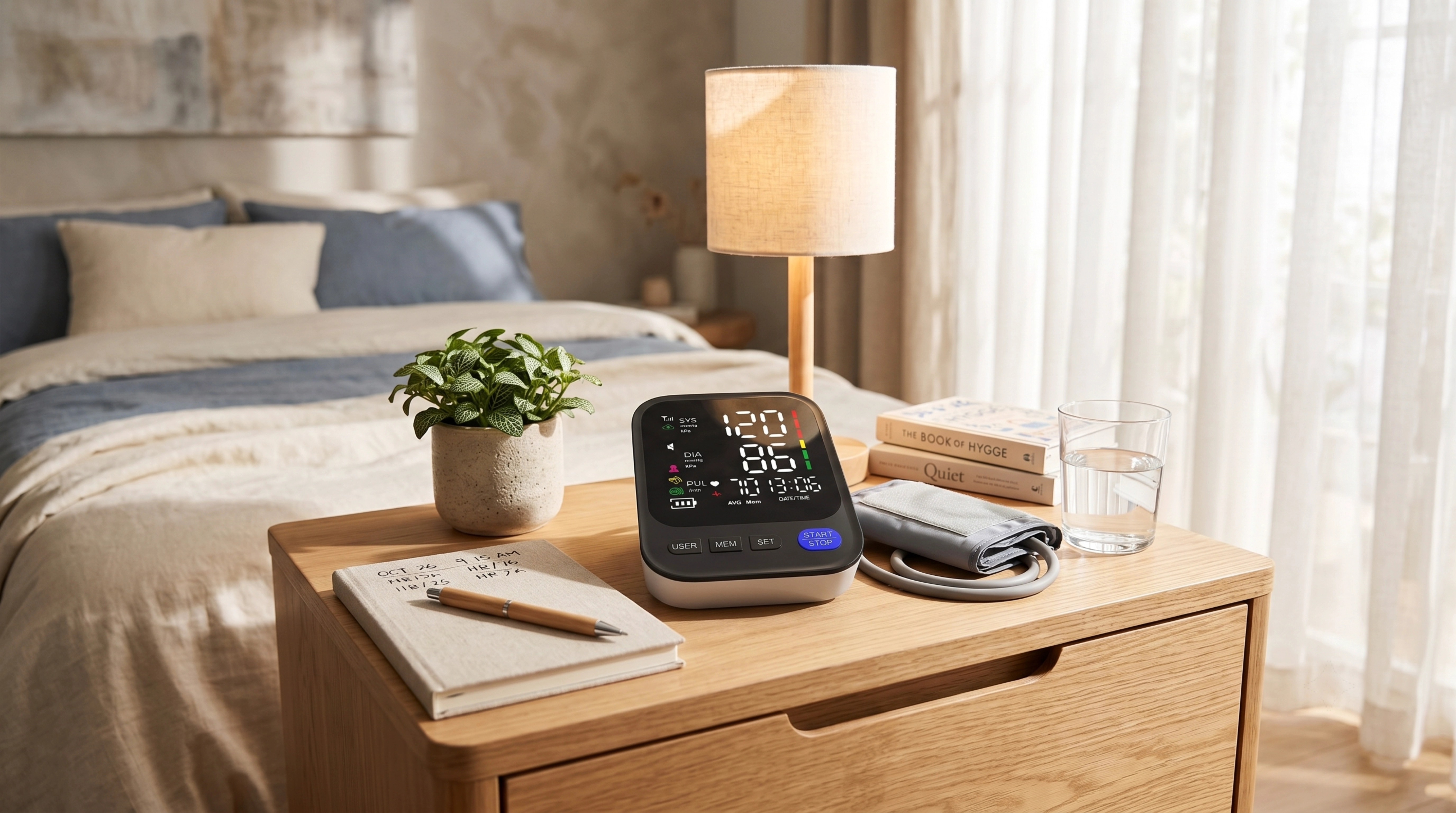
6. Record the numbers along with the date, time, and which arm you used.
7. Wait at least one minute, then take a second reading. If the two readings differ by more than 5 points, take a third.
8. Average the readings for your final result.
This procedure answers the core question of how to use a blood pressure monitor in a way that produces clinically reliable data every time.
6. Common Mistakes That Skew Your Readings
Even with a good device and the best intentions, certain mistakes can make your readings unreliable. The following are the most frequent pitfalls:
- Talking or texting during measurement — even casual conversation can raise systolic pressure by 5-10 points.
- Placing the cuff over clothing — fabric between the cuff and skin blocks proper compression.
- Using the wrong cuff size — a cuff that is too small overestimates pressure; one that is too large underestimates it.
- Measuring right after eating, exercising, or bathing.
- Taking only one reading and treating it as definitive.
- Using an arm that is not supported — letting the arm hang down can raise the reading.
If you are researching how to use a blood pressure monitor for the first time, being aware of these errors is just as important as learning the correct steps.
7. Finicare Blood Pressure Monitors: Technology and Quality
Finicare was established in 2017 and is a high-tech enterprise integrating R&D, production, and sales. Headquartered in Shenzhen, China, the company specializes in electronic blood pressure monitors, infrared thermometers, pulse oximeters, and other home medical devices. Its products are exported to more than 80 countries across Europe, North America, the Middle East, and Southeast Asia.
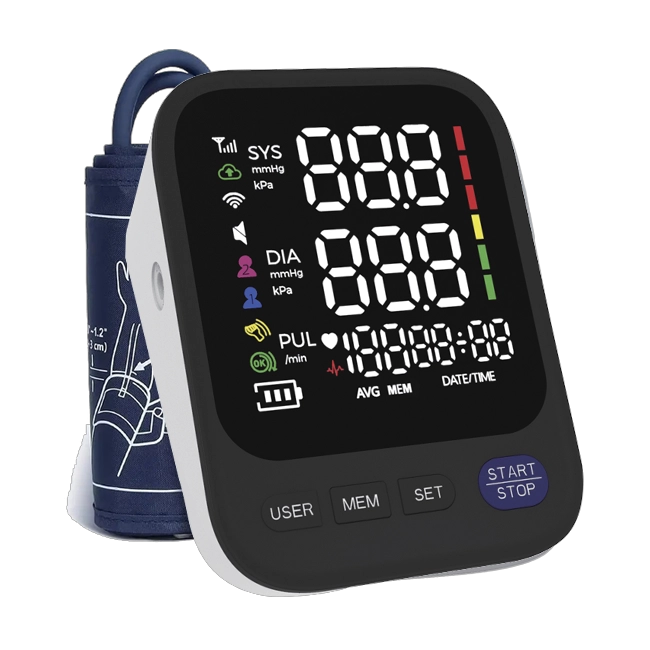
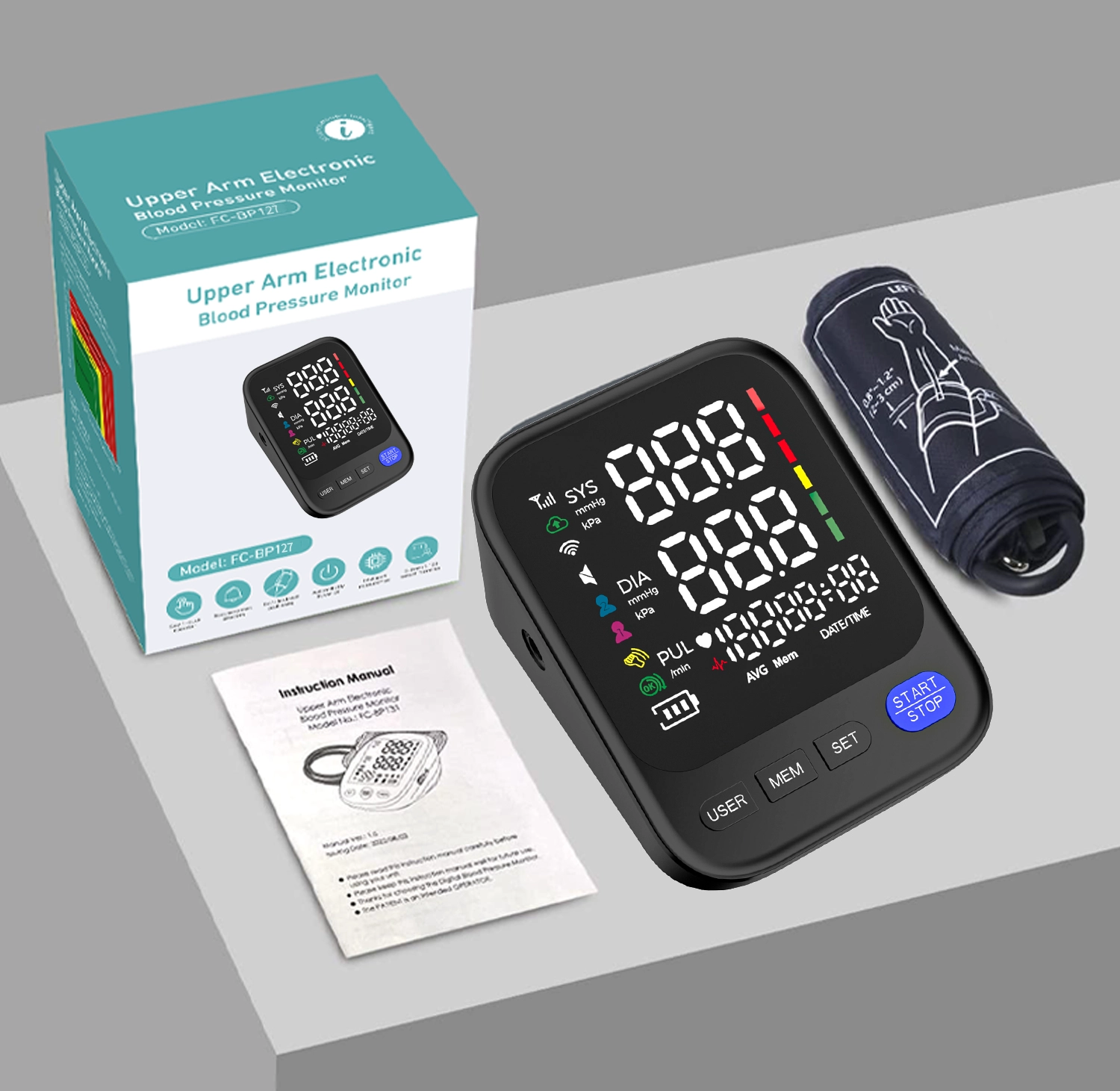
Finicare's blood pressure monitors, such as the BP127, are designed with both clinical accuracy and user convenience in mind. The BP127 features a matte black casing with soft rounded edges, a large high-contrast LCD display showing systolic, diastolic, and pulse values simultaneously, and a color-coded health indicator bar that visually classifies each reading into normal, elevated, or high ranges. A prominent blue start button makes one-touch operation effortless, while built-in memory supports multiple user profiles and date-stamped readings for trend tracking.
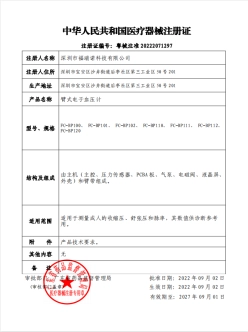
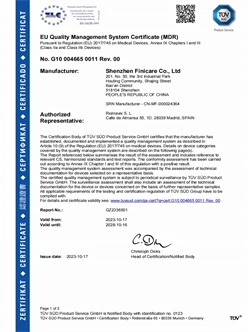
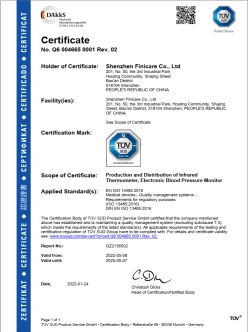
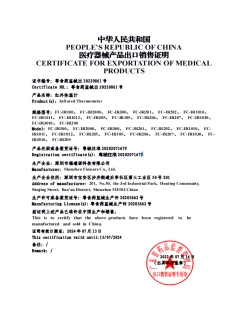
Every Finicare device carries FDA 510(k), CE (MDR), ISO 13485, and MDSAP certifications, ensuring that users who want to know how to use a blood pressure monitor can trust the data they collect. The company's integrated quality system — from sensor calibration to drop testing — supports OEM and ODM partnerships for hospitals, distributors, and private-label brands worldwide.
8. When and How Often to Measure
Consistency matters more than frequency. The American Heart Association recommends taking two readings in the morning (before medication and breakfast) and two in the evening, every day for one week before a doctor's visit. After that, a less intensive schedule of a few times per week is usually sufficient for ongoing monitoring.
Measure at roughly the same time each day, and always use the same arm. If your doctor asks you to measure both arms, use the arm with the higher reading for all future measurements. Learning how to use a blood pressure monitor on a regular schedule transforms isolated numbers into a meaningful trend that your doctor can use to adjust treatment.
9. Sharing Your Readings with Your Doctor
Home readings are most valuable when shared with your healthcare provider. Bring your monitor to your next appointment so your doctor can verify its accuracy against a clinical device. Share a log of your readings — ideally with morning and evening averages — rather than relying on memory.
Many modern monitors, including Finicare models, store readings internally and can display averages. If your device has this feature, use it. If you are still learning how to use a blood pressure monitor and its memory functions, a simple notebook with date, time, systolic, diastolic, and pulse columns works just as well.
Your doctor may ask you to measure under specific conditions — for example, before and after starting a new medication, or both sitting and standing if you experience dizziness. Always follow their guidance.
10. Maintaining Your Blood Pressure Monitor
A well-maintained monitor can last for years. Follow these care tips:
- Store the device in a cool, dry place away from direct sunlight.
- Do not fold or crease the cuff tubing sharply.
- Replace batteries when the low-battery indicator appears, or use the USB-C charging port if your model supports it.
- Clean the cuff with a soft, slightly damp cloth — never submerge the device.
- Have the monitor recalibrated or checked against a clinical device every one to two years.
Proper maintenance ensures that the effort you put into learning how to use a blood pressure monitor continues to pay off with reliable readings over the lifetime of the device.
Summary
Knowing how to use a blood pressure monitor correctly is one of the most practical skills for managing cardiovascular health at home. The key steps are: prepare properly by avoiding caffeine and exercise for 30 minutes, sit quietly for five minutes, position the cuff on bare skin one inch above the elbow, keep your arm at heart level, remain still during measurement, and take at least two readings one minute apart. Normal blood pressure is below 120/80 mmHg, while readings of 130/80 or higher indicate hypertension. Avoid common mistakes like talking, crossing legs, or using the wrong cuff size. Choose a validated device such as a Finicare BP127, which combines clinical-grade accuracy with intuitive design and holds FDA, CE, and ISO 13485 certifications. Measure consistently at the same times each day, record your results, and share them with your doctor for the best long-term health outcomes.