














Infrared Thermometer Factory Guide: Manufacturing Standards, Accuracy Benchmarks, and How to Choose a Reliable Supplier in 2026
Preface
The global demand for accurate, affordable temperature measurement devices continues to grow. Whether you are a healthcare distributor sourcing products for hospitals and clinics, a retailer expanding your home medical device lineup, or a consumer researching the technology behind your everyday thermometer, understanding how these devices are made and tested is essential. The infrared thermometer factory sector has evolved rapidly, with advances in sensor technology, quality management systems, and regulatory compliance reshaping the industry.
This guide draws on three authoritative sources published in 2026, including a comprehensive supplier analysis by Kellyunion, a peer-reviewed study on non-contact thermometer development from Atlantis Press, and clinical accuracy research comparing infrared, oral, and ear thermometers from MedPat Solutions. Together, these references provide a complete picture of manufacturing standards, accuracy benchmarks, and supplier selection criteria for the industry.
Table of Contents
1. The Global Manufacturing Landscape
2. Sensor Technology: The Heart of Every Non-Contact Thermometer
3. Accuracy Standards and Clinical Performance Benchmarks
4. Comparing Infrared, Ear, and Oral Thermometer Accuracy
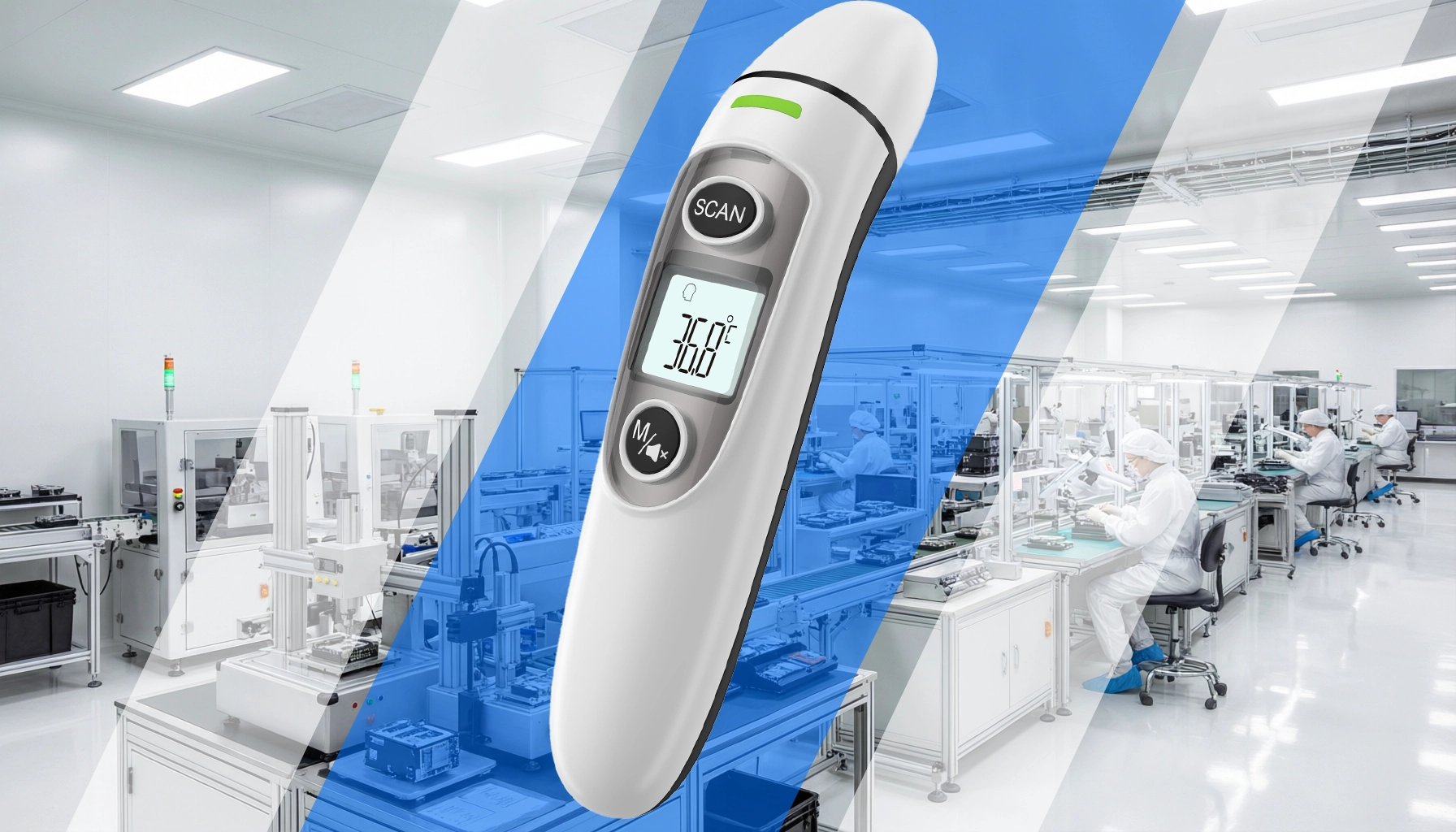
5. Quality Control Processes in a Modern Production Facility
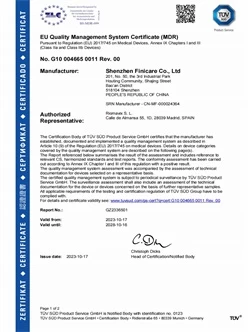
6. Regulatory Certifications: What Every Manufacturer Must Have
7. How to Evaluate and Select a Supplier
8. Summary
1. The Global Manufacturing Landscape
China remains the world's largest production hub for home medical thermometer devices. According to Kellyunion's 2026 analysis of the top medical device suppliers in China, the country hosts dozens of specialized factories ranging from small assembly operations to large-scale manufacturers producing millions of units per month. The leading companies share several common traits: robust quality management systems, international regulatory certifications, and significant investment in research and development.
Production capacity varies widely across the sector. Top-tier suppliers can produce up to 3 million units per month, while mid-range factories typically handle 500,000 to 1 million units. This capacity difference directly affects lead times, pricing, and the ability to handle large-volume orders for global distribution.
The infrared thermometer market continues to expand globally. According to Coherent Market Insights, the market valuation is estimated to grow steadily through 2033, driven by increasing healthcare awareness, the shift toward preventive medicine, and growing demand for non contact infrared thermometer devices in both clinical and household settings.
2. Sensor Technology: The Heart of Every Non-Contact Thermometer
The accuracy and reliability of any device for baby care or clinical use depends on its sensor technology. A peer-reviewed study published by Atlantis Press details the development of a modern contactless thermometer built around the MLX90614 sensor, one of the most widely used thermopile sensors in the industry.
This sensor operates across a measurement range of 0 to 55 degrees Celsius with a resolution of 0.1 degrees Celsius, making it suitable for both body temperature screening and environmental monitoring applications. The sensor communicates with a single-chip microcomputer that processes the raw infrared data and displays results on an LCD screen. Advanced designs also incorporate over-temperature alarm functions that alert users when readings exceed predefined thresholds.
The manufacturing sector has seen significant innovation in sensor calibration techniques. Modern production lines use automated blackbody calibration systems that verify each sensor's accuracy against known reference temperatures. This process ensures that every unit leaving the factory meets tight accuracy specifications.
Leading manufacturers are also integrating multi-spectral sensor arrays that measure infrared radiation at multiple wavelengths simultaneously. This approach compensates for variations in skin emissivity, ambient temperature, and humidity, delivering more consistent readings across diverse environmental conditions.
3. Accuracy Standards and Clinical Performance Benchmarks
Understanding accuracy benchmarks is critical when evaluating products from any manufacturer. Clinical research provides clear data on how different devices perform in real-world conditions.
The medical infrared thermometer segment generally targets accuracy within plus or minus 0.2 degrees Celsius for body temperature mode. However, clinical studies show that actual performance varies depending on the measurement site, environmental conditions, and user technique. Forehead readings, for example, can be influenced by perspiration, hair coverage, and recent physical activity.
According to research cited by MedPat Solutions, non-contact devices used for fever screening can exhibit false-negative rates above 50 percent at the fever threshold when used improperly. This finding highlights the importance of proper training and consistent measurement protocols, especially in high-throughput screening environments such as hospitals, schools, and airports.
For home use, the accuracy requirements are somewhat less stringent than clinical settings. Most thermometer devices provide reliable fever detection when users follow manufacturer guidelines for measurement distance, typically 1 to 5 centimeters, and ensure the forehead surface is clean and dry.
4. Comparing Infrared, Ear, and Oral Thermometer Accuracy
Different thermometer types offer varying levels of accuracy and convenience. Clinical research provides clear comparisons that help consumers and healthcare providers make informed choices.
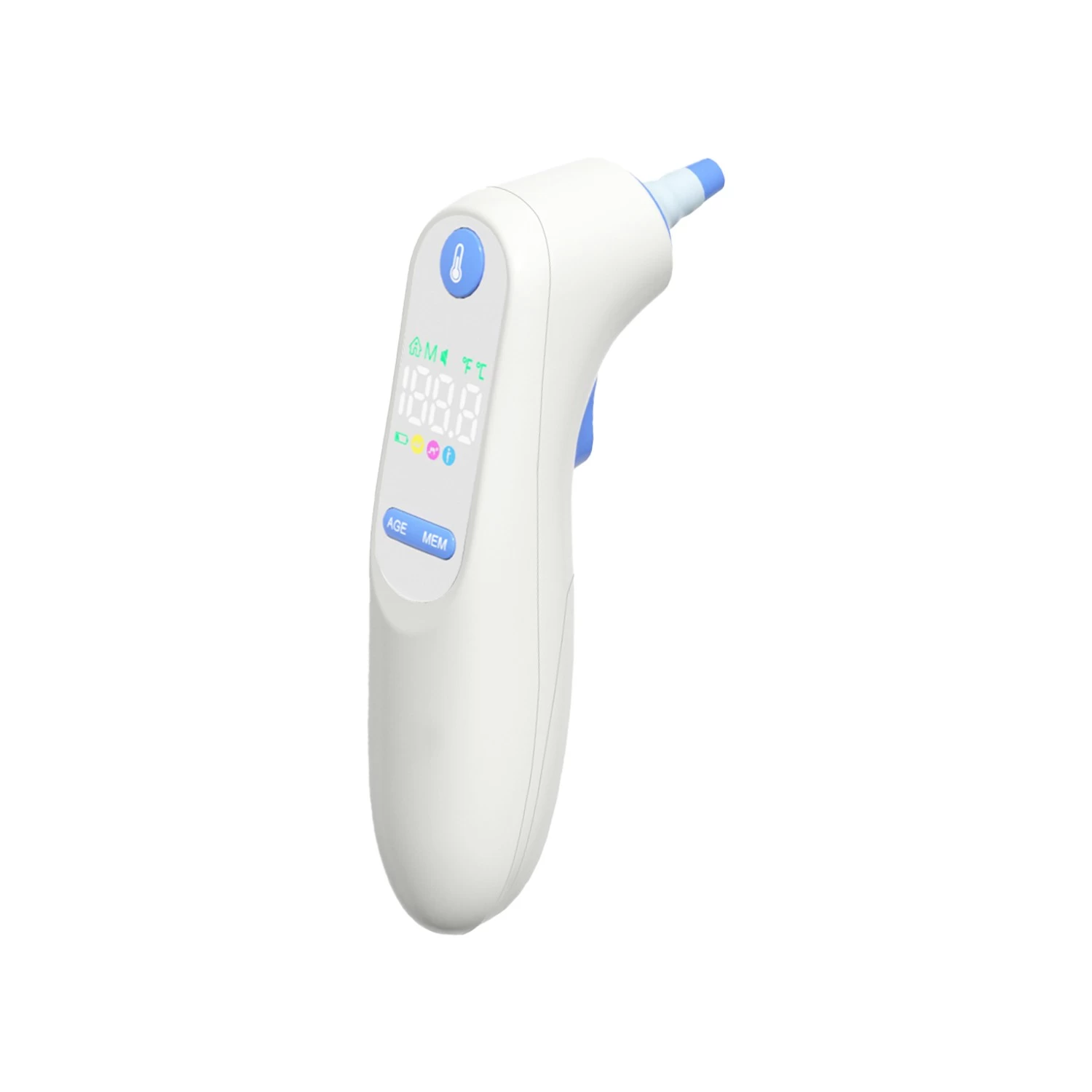
Ear thermometers, also known as tympanic thermometers, demonstrate the highest accuracy among non-invasive options. According to a study published in PMC, ear thermometers showed a mean difference of only negative 0.044 degrees Celsius compared to reference measurements. This level of precision makes them particularly suitable for pediatric and geriatric care.
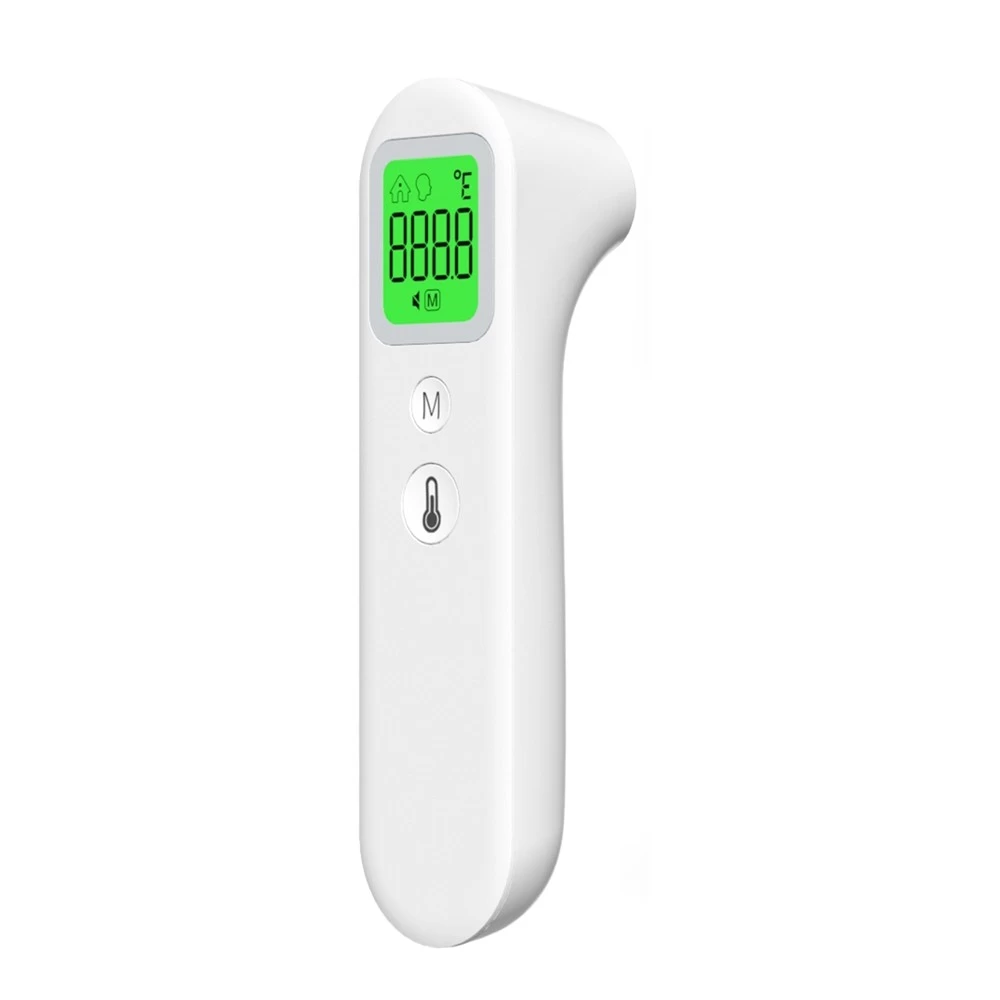
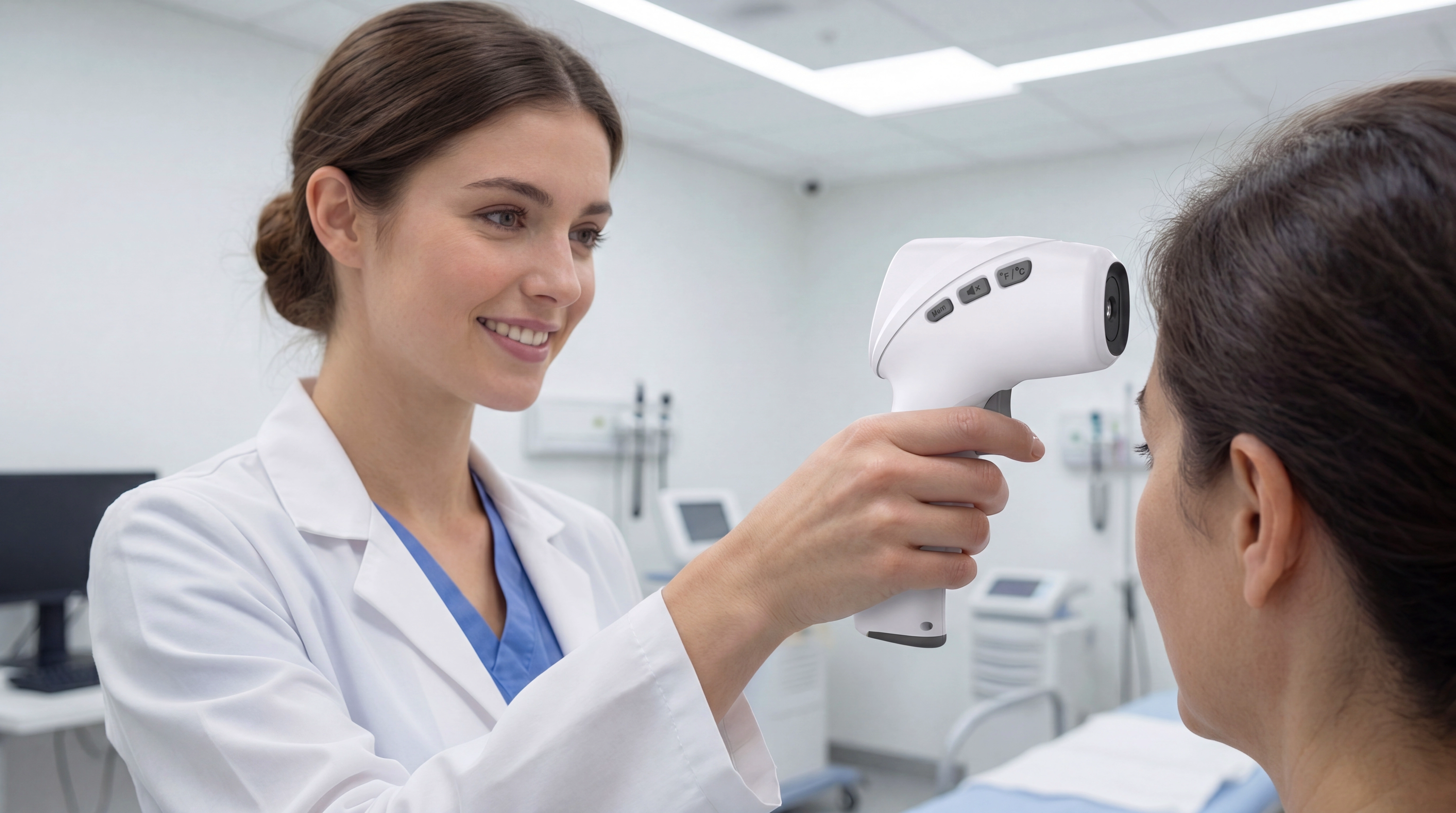
Forehead models offer the advantage of completely non-contact measurement, which is invaluable for infection control and screening sleeping infants. However, their accuracy is more sensitive to environmental factors than ear thermometers. The best practice recommended by clinical experts is to use forehead devices for initial screening and confirm elevated readings with a secondary method.
Oral thermometers remain a reliable option for cooperative adults and older children. For accurate results, users should wait at least 15 minutes after eating or drinking before taking a measurement. While less convenient than non-contact options, oral thermometers provide consistent readings when used correctly.
For baby care applications, the non-contact approach is generally preferred because it requires no patient cooperation and minimizes disturbance. Many modern households keep both a contactless device for quick screening and an ear or oral thermometer for confirmation.
5. Quality Control Processes in a Modern Production Facility
Quality control is the backbone of reliable medical device manufacturing. A reputable factory implements multiple layers of inspection throughout the production process.
Incoming material inspection verifies that all raw components, including sensors, microchips, LCD displays, and plastic housings, meet specification requirements before entering the assembly line. Sensor components undergo individual calibration testing to ensure baseline accuracy.
In-process quality checks occur at each major assembly stage. Automated optical inspection systems verify solder joint quality on printed circuit boards, while functional testing stations confirm that each assembled unit produces accurate readings within the specified range. Top manufacturers conduct 100 percent functional testing, meaning every single unit is tested before packaging.
Environmental stress testing subjects sample units from each production batch to temperature cycling, humidity exposure, and drop testing. These tests simulate real-world conditions that the device may encounter during shipping, storage, and daily use.
Final inspection includes visual checks for cosmetic defects, verification of labeling accuracy, and confirmation that all accessories, including probe covers, batteries, and instruction manuals, are included in each package. The best factory operations maintain defect rates below 0.1 percent through these rigorous quality protocols.
6. Regulatory Certifications: What Every Manufacturer Must Have
International market access requires compliance with multiple regulatory frameworks. The most important certifications for medical thermometer products include the following.
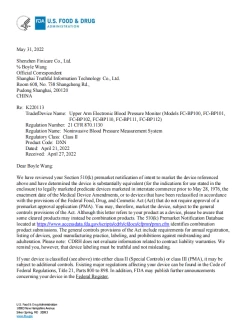
FDA clearance is mandatory for selling medical devices in the United States. The FDA classifies thermometers as Class II medical devices, requiring 510(k) premarket notification and compliance with specific performance standards.
CE marking under the European Union Medical Device Regulation (EU MDR) demonstrates compliance with European safety and performance requirements. The transition from the old MDD to the new MDR framework has raised the bar for clinical evidence and post-market surveillance.
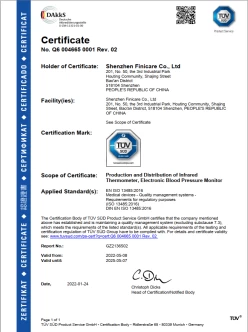
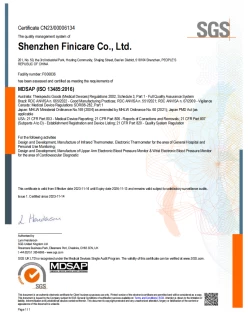
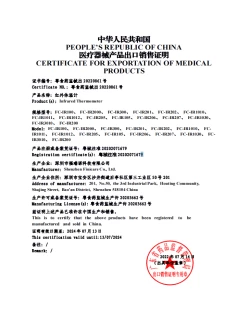
ISO 13485 certification covers the quality management system for medical device design, manufacturing, and distribution. This certification is recognized globally and is often a prerequisite for doing business with hospitals, government agencies, and major distributors.
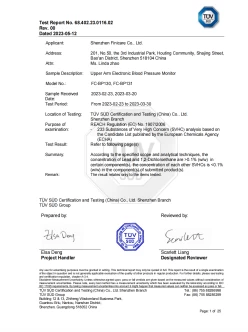
Additional certifications that strengthen a supplier's credibility include ISO 14001 for environmental management, RoHS compliance for restriction of hazardous substances, and FCC certification for electromagnetic compatibility. When evaluating a supplier, verify that all claimed certifications are current and issued by accredited bodies.
7. How to Evaluate and Select a Supplier
Choosing the right partner involves assessing multiple factors beyond just price. Here are the key evaluation criteria.
Manufacturing scale and capacity determine whether a factory can handle your order volume and delivery timeline. Large-scale operations with monthly capacity exceeding 1 million units are better suited for high-volume distribution, while smaller factories may offer more flexibility for customized or niche products.
Technical capability is demonstrated by the supplier's investment in research and development. Companies that design their own sensor calibration algorithms, develop proprietary firmware, and hold relevant patents are more likely to produce innovative, high-quality digital infrared thermometer products.
Certification portfolio should include FDA, CE, and ISO 13485 at minimum. Additional certifications for specific target markets, such as TGA approval for Australia or PMDA registration for Japan, indicate a supplier's commitment to global compliance.
After-sales support and warranty terms are often overlooked but critically important. Reliable suppliers provide responsive technical support, replacement part availability, and clear warranty policies that protect your investment.
Customization and OEM/ODM services allow you to differentiate your products in competitive markets. The best infrared thermometer factory partners offer full customization of product design, packaging, branding, and firmware features to meet your specific market requirements.
Pricing should be evaluated in context of the total value proposition, including quality, certifications, support, and delivery reliability. The lowest price rarely represents the best value in medical device sourcing.
8. Summary
The manufacturing sector in 2026 is characterized by rapid technological advancement, stringent quality requirements, and growing global demand. Sensor innovations such as the MLX90614 thermopile and multi-spectral arrays are pushing accuracy boundaries, while automated calibration and 100 percent testing protocols ensure consistent product quality.
Clinical research confirms that non contact infrared thermometer devices are effective for fever screening when used properly, though ear thermometers demonstrate slightly higher accuracy in non-invasive measurements. Forehead models remain the preferred choice for home use and infant care due to their convenience and hygiene advantages.
When selecting an infrared thermometer manufacturer, prioritize regulatory certifications, production capacity, quality control processes, and technical capability. Whether you are sourcing a home medical thermometer for retail distribution or building your own product line, a thorough supplier evaluation will help you find a reliable partner.
The infrared thermometer market continues to grow, driven by healthcare modernization, preventive medicine trends, and increasing consumer awareness. By understanding the manufacturing standards, accuracy benchmarks, and supplier selection criteria outlined in this guide, you can make confident decisions in the evolving landscape of medical temperature measurement.