














Digital Blood Pressure Monitor Manufacturer Guide: How to Source Quality BPM Devices from China
Preface
Hypertension remains one of the leading causes of cardiovascular disease worldwide, affecting over 1.28 billion adults globally, according to the World Health Organization (WHO, 2021).
The WHO further reports that approximately 17.9 million individuals died from cardiovascular diseases in 2019, with 85% of those deaths attributed to heart attack and stroke — underscoring the critical role of accurate blood pressure monitoring in disease prevention.
Digital blood pressure monitors have become indispensable tools for hospitals, clinics, pharmacies, home healthcare providers, and wellness programs. China has become the dominant manufacturing base for these devices, producing the majority of the world's digital BPM units through OEM, ODM, and private-label partnerships.
This guide is written for healthcare distributors, medical device importers, hospital procurement managers, pharmacy chains, and private-label brand owners who want to identify and work with reliable digital blood pressure monitor manufacturers. Whether you need bulk wholesale, custom manufacturing, or branded production, this comprehensive resource covers everything you need to know.
Table of Contents
1. Why China Is the Global Hub for Digital Blood Pressure Monitor Manufacturing
1.1 Key Advantages of Sourcing from Chinese BPM Manufacturers
1.2 Cost Efficiency
1.3 Technology Integration
1.4 Supply Chain Completeness
1.5 Export Experience
2. Types of Digital Blood Pressure Monitors Available from Chinese Manufacturers
2.1 Upper Arm Monitors
2.2 Wrist Monitors
2.3 Finger Monitors
2.4 Ambulatory Blood Pressure Monitors (ABPM)
2.5 Smart Connected Monitors
2.6 Fully Automatic vs. Semi-Automatic
2.7 Core Components
3. Key Certifications Every BPM Manufacturer Must Have
3.1 FDA 510(k)
3.2 CE Marking (MDR)
3.3 ISO 13485:2016
3.4 MDSAP Certification
3.5 Additional Certifications
4. How to Evaluate and Select a Digital Blood Pressure Monitor Manufacturer
4.1 Factory Audit
4.2 Certification Portfolio
4.3 Production Capacity
4.4 R&D Capability
4.5 Quality Track Record
4.6 Testing Equipment
4.7 Key Chinese BPM Manufacturers to Consider
5. OEM and Private Label Manufacturing Services
5.1 OEM Services
5.2 ODM Capabilities
5.3 Typical OEM/ODM Timeline
6. Finicare — A Trusted Digital Blood Pressure Monitor Manufacturer
6.1 Product Portfolio
6.2 Certification System
6.3 Manufacturing Excellence
7. Pricing, MOQ, and Payment Terms Explained
7.1 Price Ranges (FOB Shenzhen)
7.2 Factors Affecting Price
7.3 Minimum Order Quantities
7.4 Payment Terms
8. Quality Control and Factory Testing Standards
8.1 Incoming Quality Control (IQC)
8.2 In-Process Quality Control (IPQC)
8.3 Final Quality Control (FQC)
8.4 Additional Testing
9. Global Market Trends and Growth Forecasts for 2026–2035
9.1 Market Size and Projections
9.2 Regional Dynamics
9.3 Key Growth Drivers
9.4 Emerging Trends
10. How to Import Digital Blood Pressure Monitors from China
10.1 Supplier Selection
10.2 Order Placement
10.3 Production Monitoring
10.4 Shipping
10.5 Customs Clearance
10.6 Documentation Checklist
1. Why China Is the Global Hub for Digital Blood Pressure Monitor Manufacturing
China produces over 70% of the world's digital blood pressure monitors, and this dominance is built on a mature electronics manufacturing ecosystem. Provinces such as Guangdong and Zhejiang host dense industrial clusters where component suppliers, assembly factories, testing laboratories, and packaging companies operate within close proximity, creating unmatched cost and efficiency advantages.
The Shenzhen region in particular serves as the heart of medical device manufacturing, with hundreds of BPM factories benefiting from immediate access to pressure sensor suppliers, LCD/LED display manufacturers, microcontroller programming services, injection molding facilities, and logistics infrastructure.
1.1 Key Advantages of Sourcing from Chinese BPM Manufacturers
China's blood pressure monitor manufacturing sector offers four decisive advantages that make it the preferred sourcing destination for global buyers.
1.2 Cost Efficiency
Chinese factories benefit from economies of scale and integrated supply chains, delivering production costs 40-60% lower than Western facilities. A standard upper arm digital blood pressure monitor that costs $20-30 to produce in Europe or North America can be manufactured for $5-12 in China, depending on specifications and volume.
1.3 Technology Integration
Modern Chinese BPM factories operate automated SMT (Surface Mount Technology) production lines, precision pressure sensor calibration systems, advanced microprocessor programming, and high-quality LCD/LED display modules. Many facilities maintain ISO 13485 certification for medical device quality management.
1.4 Supply Chain Completeness
From precision pressure sensors and air pumps to microcontrollers, display modules, batteries, and ABS plastic housings, China's domestic supply chain covers virtually every component needed for digital blood pressure monitor production, reducing procurement lead times and import dependency.
1.5 Export Experience
Leading Chinese BPM manufacturers have over 20 years of export experience, shipping to more than 80 countries with established freight forwarding relationships and deep understanding of regulatory requirements across different global markets.
2. Types of Digital Blood Pressure Monitors Available from Chinese Manufacturers
Chinese manufacturers produce a wide range of digital blood pressure monitors to serve different clinical and consumer needs.
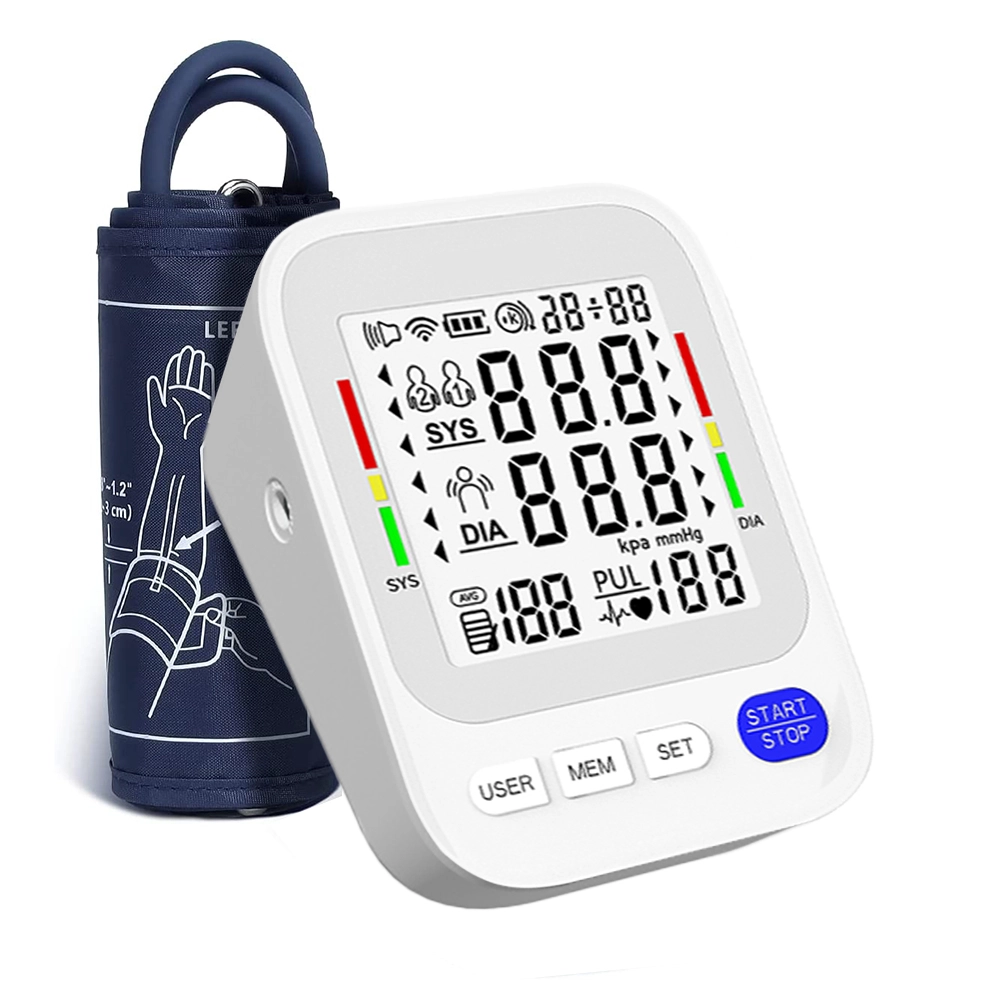
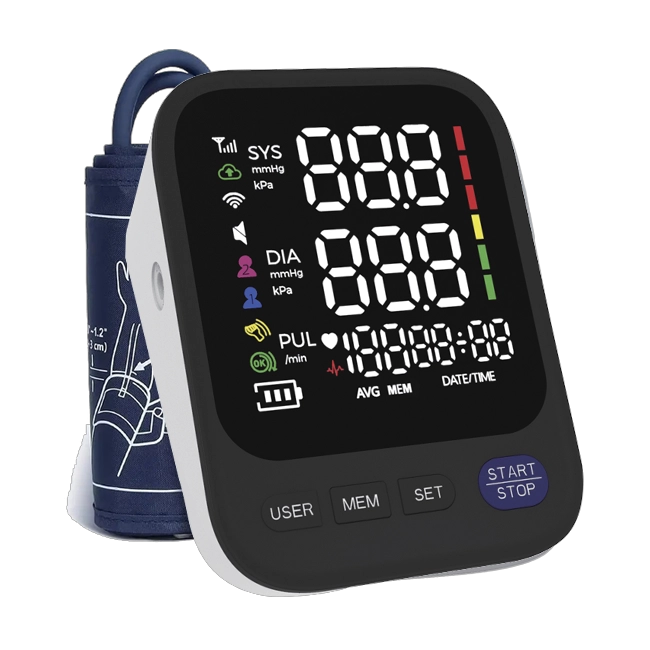
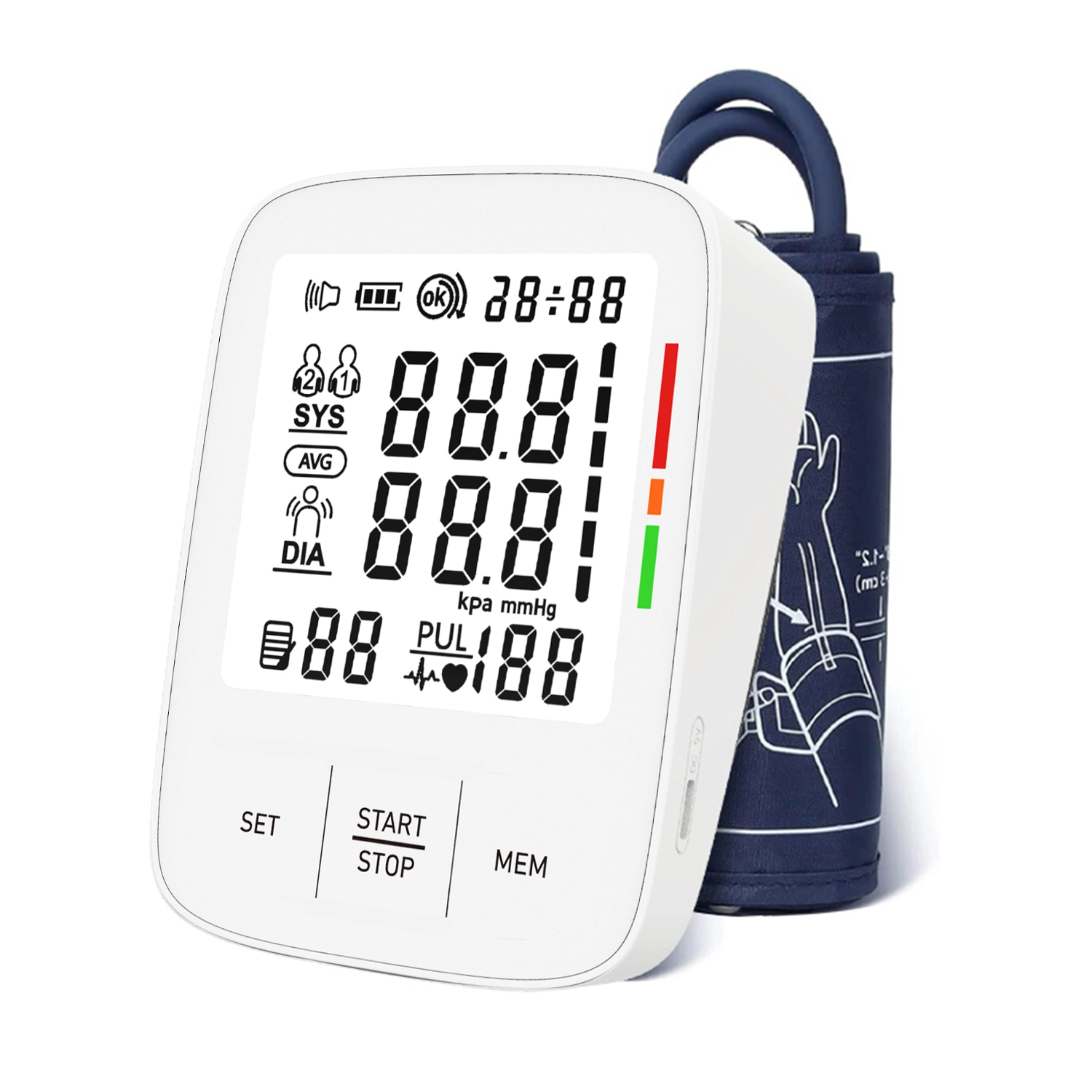
2.1 Upper Arm Monitors
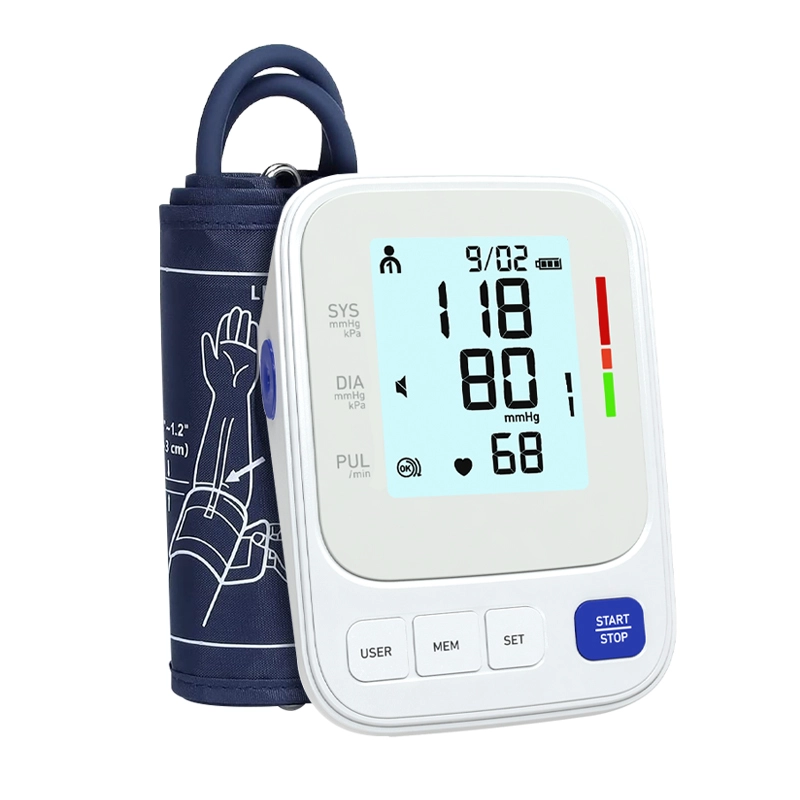
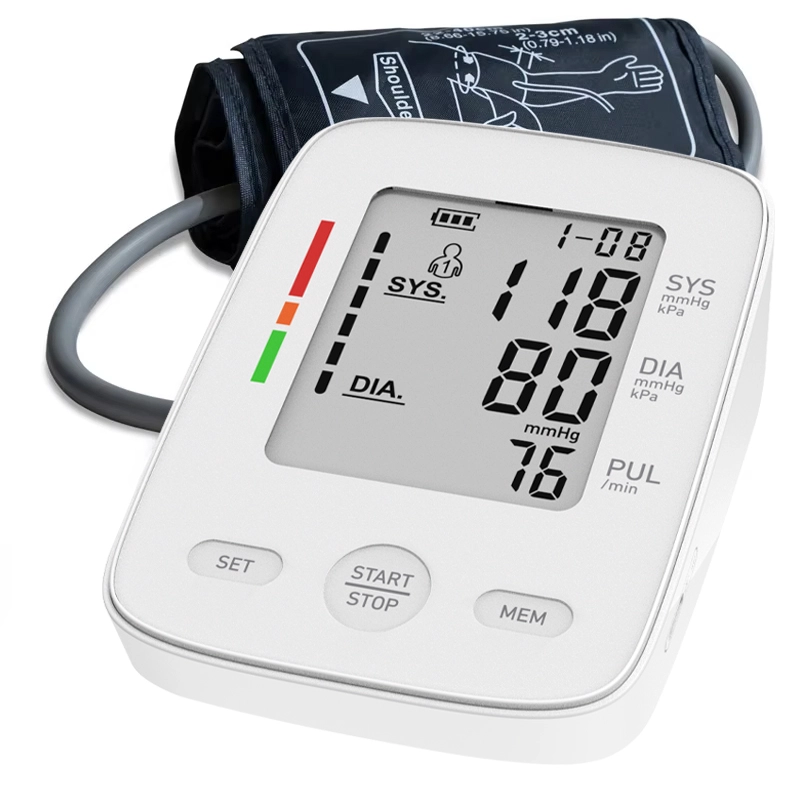
The most clinically accurate and widely used type. The cuff wraps around the upper arm at heart level, providing reliable systolic, diastolic, and pulse readings. Available in standard and compact cuff sizes. This category holds approximately 60.7% of the global digital BPM market share (Coherent Market Insights, 2026). Clinical validation per ISO 81060-2:2018 (Non-invasive sphygmomanometers — Part 2: Clinical investigation of automated measurement type) confirms that upper arm monitors meet the accuracy requirements of mean difference within ±5 mmHg and standard deviation within 8 mmHg.
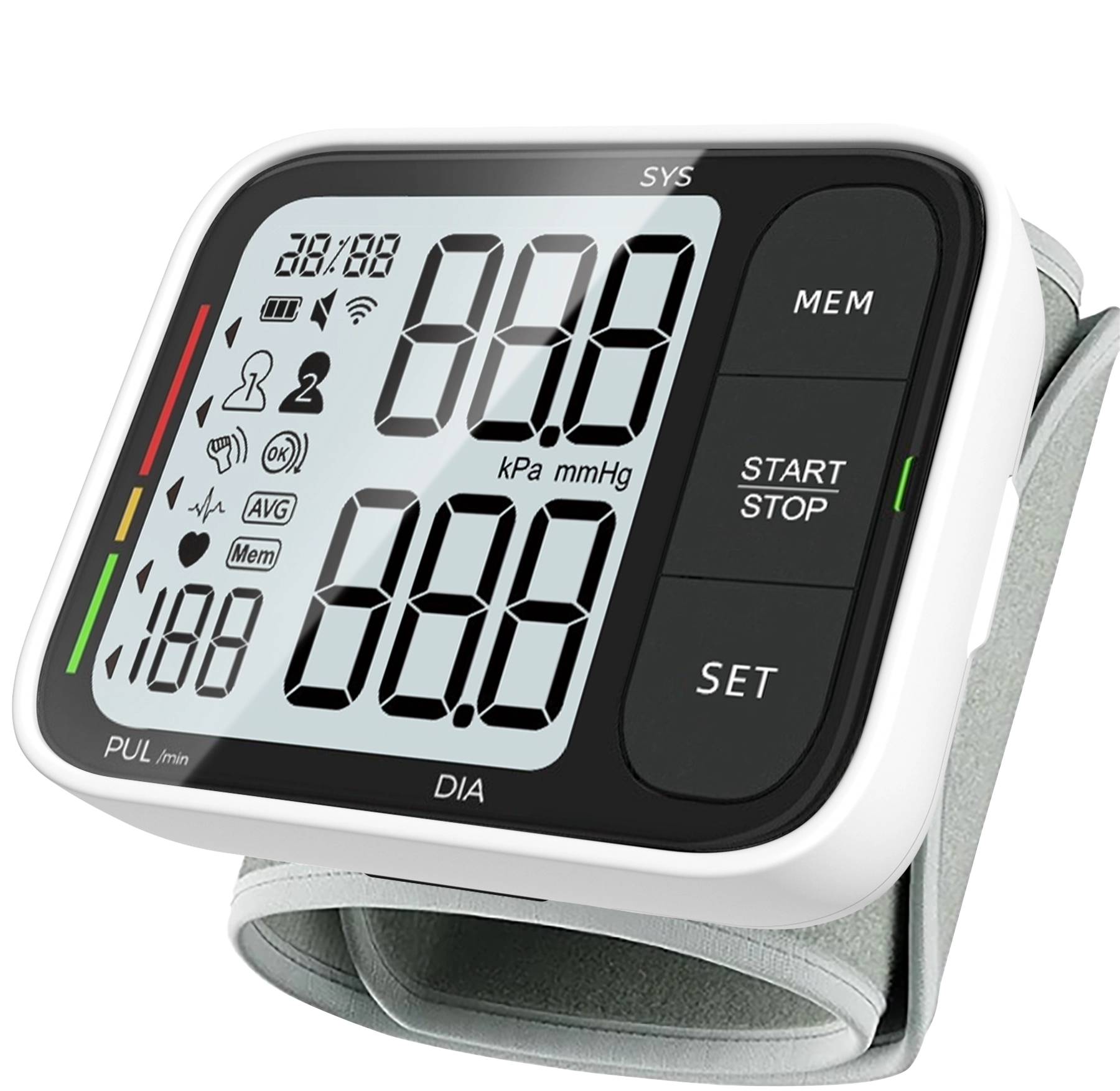
2.2 Wrist Monitors
Compact devices with the cuff integrated around the wrist. These offer portability and convenience but require proper positioning at heart level. Popular for personal travel use and compact retail packaging.
2.3 Finger Monitors
Small clip-on devices that measure blood pressure at the fingertip. While convenient, they offer lower clinical accuracy and are primarily used for wellness screening rather than medical diagnosis.
2.4 Ambulatory Blood Pressure Monitors (ABPM)
Professional devices worn by patients for 24-hour continuous monitoring, recording readings at programmed intervals. Used in clinical settings for hypertension diagnosis and medication management.
2.5 Smart Connected Monitors
Premium devices with Bluetooth and Wi-Fi connectivity, mobile app integration, cloud data synchronization, and multi-user profile support. This is the fastest-growing segment, driven by remote patient monitoring (RPM) and telehealth adoption.
2.6 Fully Automatic vs. Semi-Automatic
Fully automatic monitors dominate the market with 44.3% share, as they inflate and deflate the cuff without user intervention, making them ideal for elderly users and patients with limited hand dexterity.
2.7 Core Components
Every digital blood pressure monitor consists of: an inflatable cuff with air bladder, electric air pump and release valve, precision pressure sensor, microprocessor for signal processing, LCD or LED display, power source (batteries or USB-C rechargeable), and medical-grade ABS plastic housing.
3. Key Certifications Every BPM Manufacturer Must Have
When sourcing blood pressure monitors from China, verifying certifications is essential for regulatory compliance and market access.
3.1 FDA 510(k)
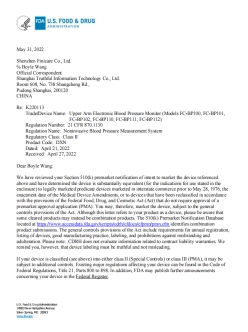
Mandatory for US market access. Under 21 CFR 870.1130 (Non-invasive blood pressure measurement system), Chinese BPM manufacturers must demonstrate substantial equivalence to a legally marketed predicate device. The FDA classifies automated blood pressure monitors as Class II medical devices (Product Code DXN). The 510(k) submission requires comprehensive technical documentation, biocompatibility testing per ISO 10993, clinical validation data, and bench testing per IEC 60601-1 (medical electrical equipment safety) and IEC 60601-2-30 (particular requirements for automatic cycling indirect blood pressure monitoring equipment). The review process typically takes 3-6 months.
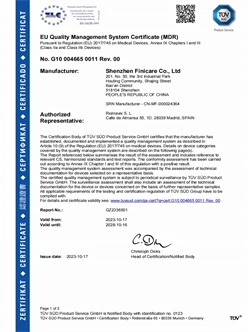
3.2 CE Marking (MDR)
Required for European Union market access. Under the EU Medical Device Regulation (EU) 2017/745, Annex IX, digital blood pressure monitors are classified as Class IIa devices (Rule 10: active devices intended for diagnosis). Conformity assessment by a Notified Body is required, including clinical evaluation per Annex XIV, risk management per ISO 14971:2019, quality system audit per ISO 13485:2016, and compliance with harmonized standards EN 60601-1 and EN 60601-2-30.
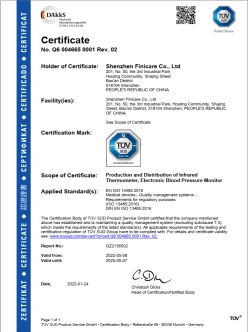
3.3 ISO 13485:2016 — Medical devices
Reputable manufacturers maintain current ISO 13485 certification covering design controls (Clause 7.3), production and service controls (Clause 7.5), supplier management (Clause 7.4), and post-market surveillance. This standard is recognized by regulatory authorities in over 100 countries.
3.4 MDSAP Certification
The Medical Device Single Audit Program allows manufacturers to satisfy requirements of five regulatory jurisdictions (US, Canada, Brazil, Australia, Japan) through a single audit, enabling faster global market entry.
3.5 Additional Certifications
FCC (electromagnetic interference), RoHS (hazardous substance restriction), BSCI (social compliance audit), and TGA approval for the Australian market.
4. How to Evaluate and Select a Digital Blood Pressure Monitor Manufacturer
Choosing the right manufacturing partner requires systematic evaluation across multiple dimensions.
4.1 Factory Audit
Request a comprehensive audit report or arrange an on-site visit. Evaluate production environment cleanliness, automation level, calibration equipment accuracy, worker training protocols, and cleanroom conditions for sensor assembly.
4.2 Certification Portfolio
Verify ISO 13485, CE, and FDA 510(k) certifications by cross-checking certificate numbers with issuing bodies. Look for MDSAP, RoHS, FCC, and BSCI as additional indicators of quality commitment.
4.3 Production Capacity
A typical mid-sized Chinese BPM factory produces 30,000-100,000 units per month. Larger facilities with 8+ production lines can exceed 300,000 units monthly. Ensure capacity aligns with your current and projected volume needs.
4.4 R&D Capability
Strong manufacturers invest in R&D, holding patents for sensor calibration algorithms, cuff design, measurement accuracy improvements, and smart connectivity features. Evaluate their ability to develop custom specifications and new product features within your timeline.
4.5 Quality Track Record
Request defect rate data (target: below 0.5%), customer complaint records, and corrective action reports. Ask for references from existing international clients, particularly those in your target market.
4.6 Testing Equipment
Professional manufacturers maintain in-house testing laboratories with pressure calibration systems, environmental chambers, drop test equipment, EMC testing facilities, and biocompatibility testing capabilities.
4.7 Key Chinese BPM Manufacturers to Consider
The Chinese market includes several established manufacturers: Contec Medical Systems (est. 1996, Qinhuangdao), Bioland Technology (Shenzhen, 100,000 units/day capacity), Guangdong Transtek (24 years export experience), Shenzhen Urion Technology (8 production lines), Hangzhou Hua'an Medical (28 years experience), and Shenzhen Finicare (founded 2017, comprehensive certification portfolio). Each offers different strengths in pricing, capacity, and specialization.
5. OEM and Private Label Manufacturing Services
Chinese BPM factories provide comprehensive OEM and ODM services for creating branded blood pressure monitors.
5.1 OEM Services
5.1.1 Custom Branding
Logo printing on device housing, custom retail packaging design, branded user manuals in multiple languages, personalized carrying cases, and co-branded marketing materials.
5.1.2 Product Customization
Options include custom color schemes (black, white, or custom Pantone colors), display configurations (large LCD, backlit LED, full-color TFT), measurement memory capacity, multi-user profile systems (2-4 users), voice broadcast functions in multiple languages, arrhythmia and irregular heartbeat detection, and Bluetooth/Wi-Fi connectivity with mobile app development.
5.1.3 Packaging Solutions
From basic white box to premium retail packaging with window displays, blister cards, foam inserts, and multilingual documentation. Manufacturers work with local printing partners for cost-effective packaging production.
5.1.4 Regulatory Support
Experienced OEM manufacturers provide technical documentation packages to support regulatory submissions, including device master records, risk management files, clinical evaluation reports, and biocompatibility certificates.
5.2 ODM Capabilities
For differentiated products, ODM services include custom industrial design, unique sensor configurations, AI-powered arrhythmia detection, cellular (4G) connectivity for elderly remote monitoring, cloud-integrated health platforms, and subscription-based health analytics services.
5.3 Typical OEM/ODM Timeline
Sample development: 2-4 weeks
Sample approval and modification: 1-2 weeks
Tooling and mold preparation: 3-5 weeks
Pilot production run: 1-2 weeks
Full-scale production: 2-4 weeks
Total lead time: 8-16 weeks depending on complexity
6. Finicare — A Trusted Digital Blood Pressure Monitor Manufacturer
Shenzhen Finicare Co., Ltd, founded in 2017, is a professional medical device manufacturer based in Shenzhen, China, specializing in the research, development, manufacturing, and global distribution of home healthcare and clinical diagnostic devices.
As a fully integrated manufacturer combining R&D, production, and sales capabilities, Finicare has rapidly established itself as a reliable partner for international buyers seeking high-quality digital blood pressure monitors and other medical diagnostic devices. The company exports to over 80 countries across North America, Europe, Southeast Asia, the Middle East, Africa, and South America, with an annual export revenue of approximately $7.5 million.
6.1 Product Portfolio
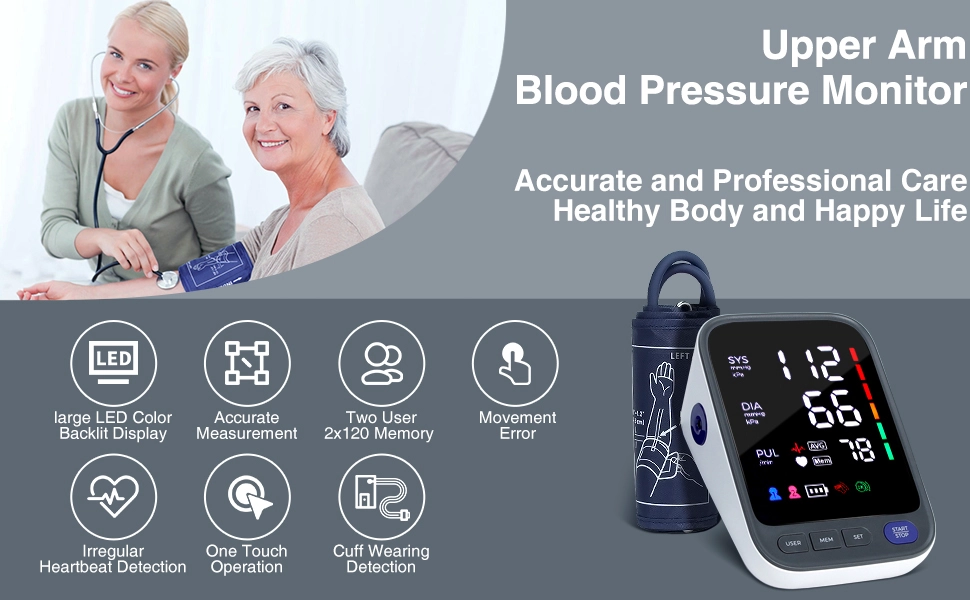
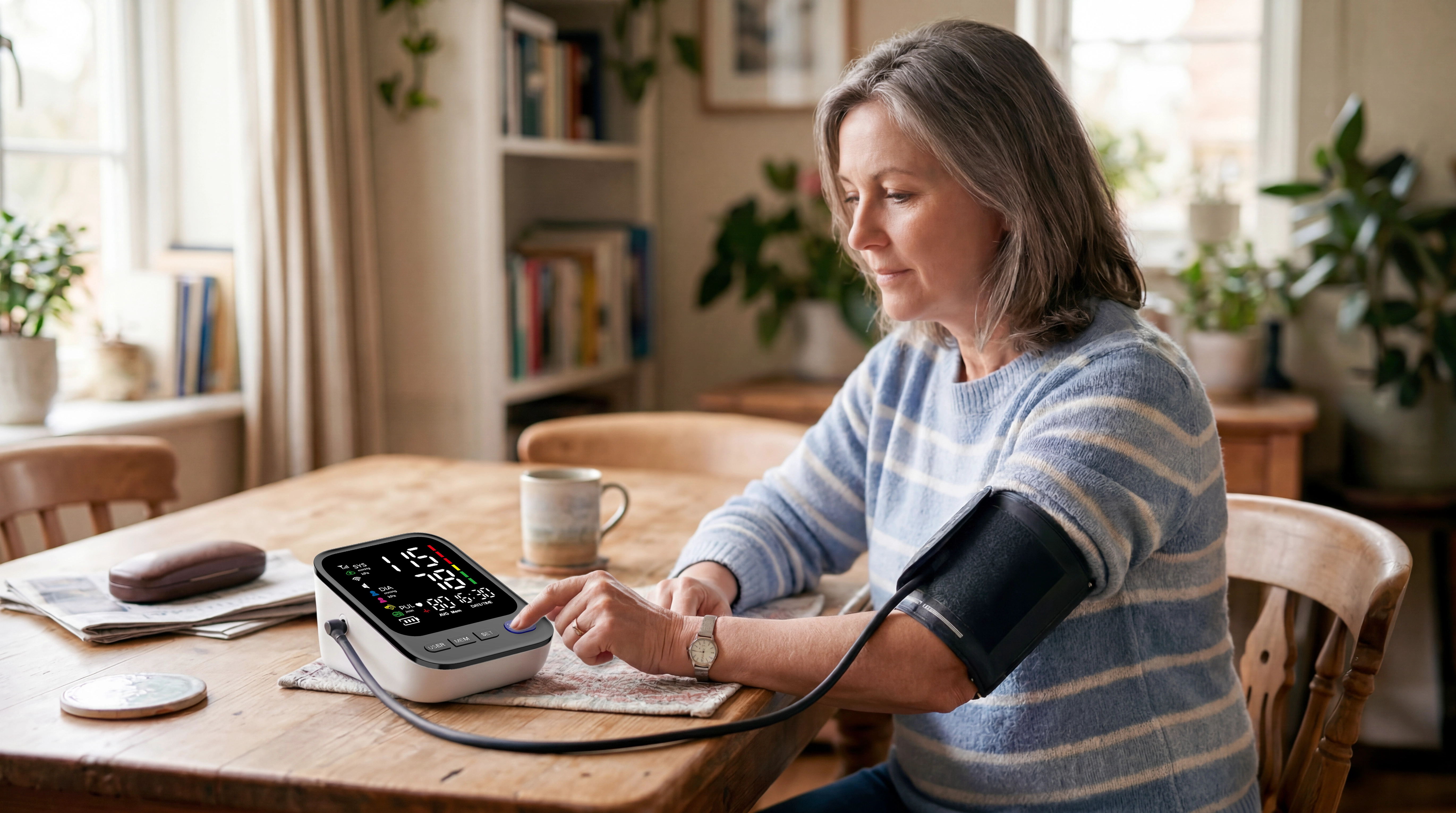
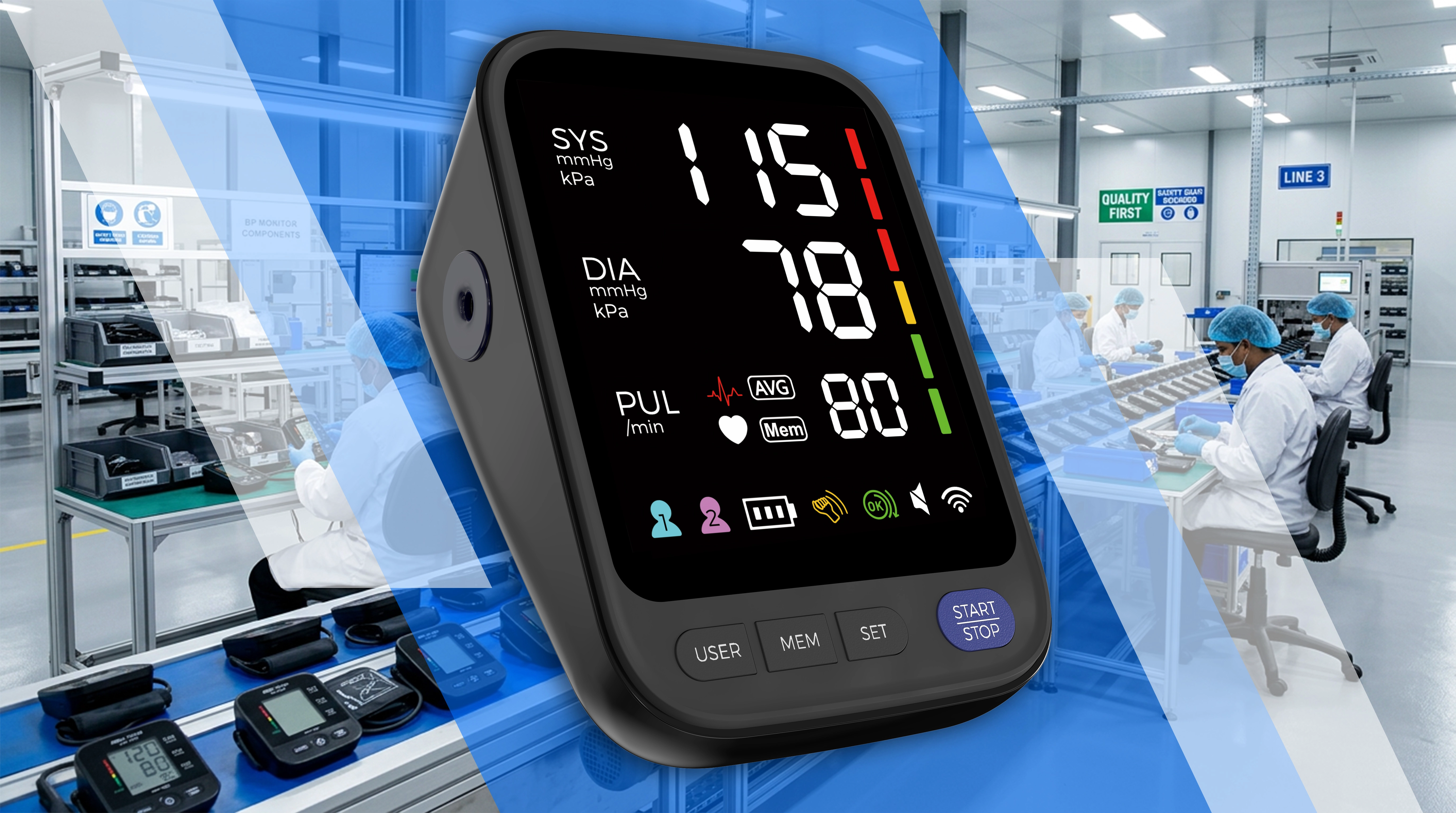
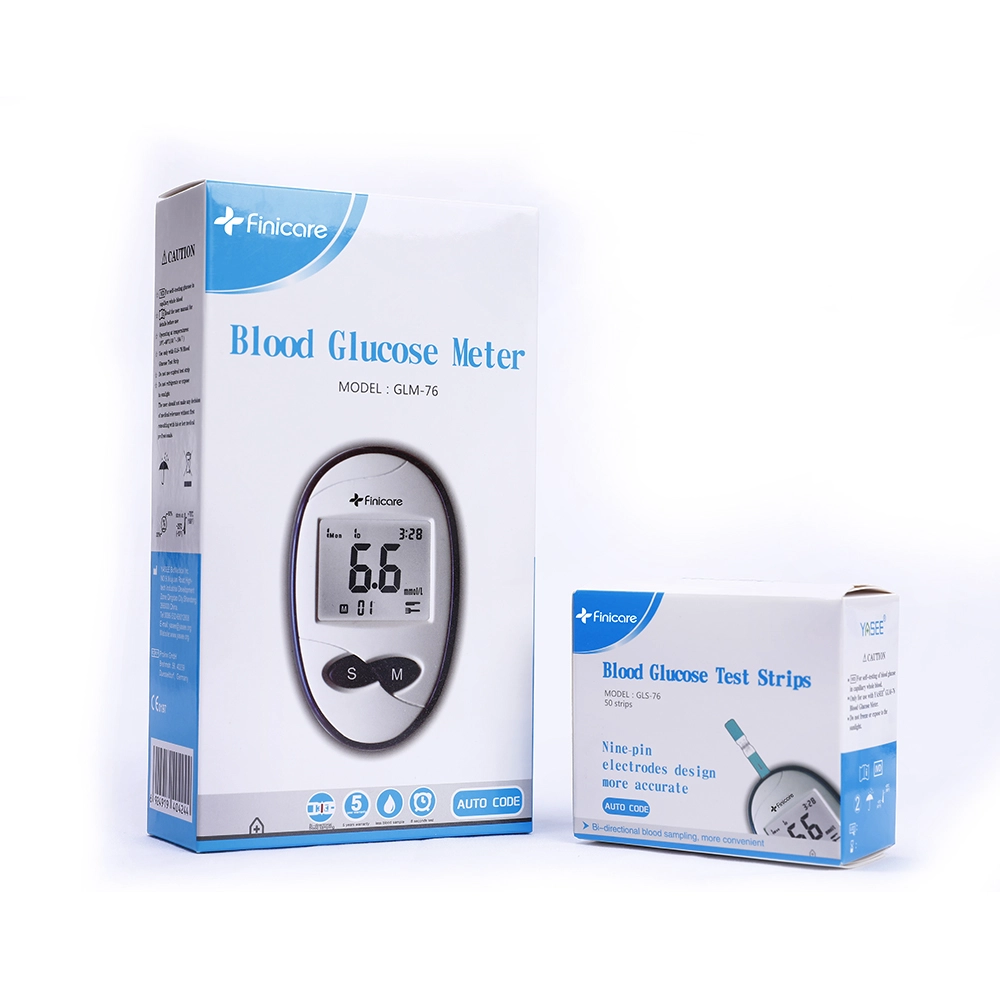
Finicare offers a comprehensive range of blood pressure monitors including upper arm models (BP103, BP113, BP120, BP121, BP123, BP127, BP130 series), wrist models, and smart connected devices, alongside infrared thermometers, blood glucose meters, pulse oximeters, and nebulizers. All products feature modern designs with large LCD/LED displays, multi-user memory functions, and clinically validated accuracy.
6.2 Certification System
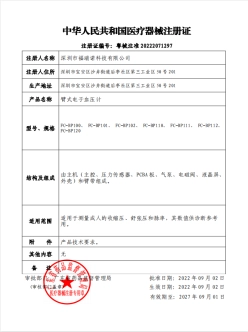
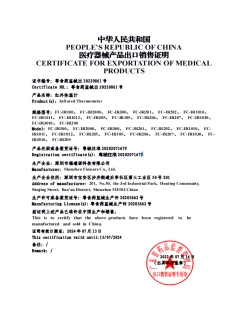
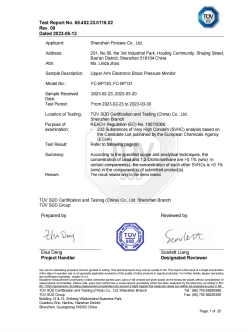
Finicare products have obtained multiple international certifications including FDA 510(k) clearance, CE marking (TUV certified), CFDA approval, FCC certification, RoHS compliance, MDSAP, BSCI social audit, and TGA approval. This comprehensive certification portfolio enables buyers to access major global markets with confidence.
6.3 Manufacturing Excellence
The company operates modern production facilities equipped with automated SMT lines, precision injection molding equipment, advanced calibration systems, and comprehensive quality testing laboratories. Finicare maintains a 32% reorder rate and 98.6% on-time delivery performance, reflecting consistent quality and reliable service.
7. Pricing, MOQ, and Payment Terms Explained
Understanding pricing dynamics is essential when sourcing digital blood pressure monitors from China.
7.1 Price Ranges (FOB Shenzhen)
Basic Upper Arm BPM: $4.00 - $7.00 per unit (standard LCD display, basic functions, white box packaging)
Mid-Range Upper Arm BPM: $7.00 - $13.00 per unit (large backlit LED display, memory function, arrhythmia detection, retail packaging)
Professional/Smart BPM: $13.00 - $30.00 per unit (Bluetooth/Wi-Fi connectivity, TFT color display, mobile app, premium packaging)
Wrist BPM: $3.50 - $6.00 per unit
7.2 Factors Affecting Price
Order volume (price breaks at 500, 1,000, 5,000, 10,000, and 50,000 units), display type (LCD vs. LED backlight vs. TFT color), connectivity features (non-connected vs. Bluetooth vs. Wi-Fi/cellular), sensor quality (domestic vs. imported pressure sensors), customization level, and certification requirements.
7.3 Minimum Order Quantities
Standard models: MOQ typically 50-500 units
OEM customized models: MOQ typically 500-2,000 units
ODM new designs: MOQ typically 2,000-10,000 units
7.4 Payment Terms
Common structures include 30% deposit with 70% balance before shipment (T/T), irrevocable L/C at sight for orders exceeding $50,000, and Alibaba Trade Assurance for buyer protection on initial orders.
8. Quality Control and Factory Testing Standards
Reputable Chinese BPM manufacturers implement rigorous multi-layered quality control.
8.1 Incoming Quality Control (IQC)
Pressure sensor accuracy testing, LCD display functionality verification, PCB electrical inspection, air pump performance testing, cuff fabric quality checks, and plastic housing dimensional accuracy verification.
8.2 In-Process Quality Control (IPQC)
Solder joint quality monitoring, sensor alignment checks, button functionality testing, air tube connection integrity, and housing seal verification. Statistical process control (SPC) is applied to critical parameters.
8.3 Final Quality Control (FQC)
100% functional testing of completed units including pressure accuracy verification against calibrated reference standards at multiple points (typically 0, 100, 200, and 300 mmHg), inflation/deflation performance checks, display readability verification, memory function testing, and battery operation testing.
8.4 Additional Testing
Environmental testing (temperature cycling -10°C to 50°C, humidity 95% RH, altitude simulation), mechanical testing (1.2m drop test, 10,000 button cycles, cuff durability), electrical safety testing (dielectric withstand, insulation resistance, EMC), and biocompatibility testing per ISO 10993 (Biological evaluation of medical devices). All testing protocols comply with IEC 60601-1-2:2014 (electromagnetic disturbances) and IEC 60601-1:2012 (general requirements for basic safety and essential performance).
9. Global Market Trends and Growth Forecasts for 2026–2035
The global blood pressure monitoring devices market is experiencing strong, sustained growth.
9.1 Market Size and Projections
According to Grand View Research (2025), the global blood pressure monitoring devices market was valued at approximately $4.2 billion in 2025 and is projected to grow from $4.6 billion in 2026 to $8.6 billion by 2033, at a CAGR of 9.3%. Fortune Business Insights (2026) reports the blood pressure monitors market specifically is valued at $2.15 billion in 2025, projected to reach $4.83 billion by 2034 at a CAGR of 9.5%. The digital blood pressure monitors segment is estimated at $1.92 billion in 2026, expected to reach $3.76 billion by 2033 at a CAGR of 10.1% (Coherent Market Insights, 2026).
9.2 Regional Dynamics
North America leads the market with approximately 40.5% share, driven by high hypertension prevalence, advanced healthcare infrastructure, and strong reimbursement policies. Asia Pacific is the fastest-growing region at 23.4% share, fueled by China's growing geriatric population, rising healthcare investment, and expanding insurance coverage.
9.3 Key Growth Drivers
The global burden of hypertension affects 1.28 billion adults, with only 42% diagnosed and treated, according to the WHO Global Report on Hypertension (2023). This creates massive untapped demand. The American Heart Association (AHA) recommends regular home blood pressure monitoring for hypertension management, further validating the clinical importance of accurate home devices. Post-pandemic health awareness has permanently elevated home monitoring adoption. Government programs promoting preventive care and telehealth expansion drive demand for connected devices.
9.4 Emerging Trends
Remote Patient Monitoring (RPM) is the fastest-growing application, with homecare expected to grow at ~11% CAGR (Grand View Research, 2025). AI-powered arrhythmia detection, cuffless wearable BP devices, and cellular-connected monitors for elderly care represent premium product opportunities. Smartwatch-integrated BP monitoring (such as Apple Watch Series 11, launched September 2025 with AI-driven high blood pressure alerts) is expanding the addressable market beyond traditional medical device channels.
10. How to Import Digital Blood Pressure Monitors from China
A structured import process ensures quality products and smooth delivery.
10.1 Supplier Selection
Use platforms like Alibaba, Made-in-China.com, and trade shows (Canton Fair, MEDICA, Arab Health, CMEF) to identify manufacturers. Request samples from 3-5 suppliers and conduct factory audits.
10.2 Order Placement
Finalize specifications, pricing, and delivery schedule in a detailed purchase order. Include customization requirements, packaging specifications, and quality acceptance criteria.
10.3 Production Monitoring
Request weekly production updates with photos. Arrange pre-shipment inspection through SGS, Bureau Veritas, or Intertek for orders exceeding $10,000.
10.4 Shipping
Sea freight is cost-effective for orders over 3,000 units (25-35 days transit). Air freight is faster for smaller orders (5-7 days). Major shipping ports include Shenzhen Yantian, Guangzhou Nansha, and Hong Kong.
10.5 Customs Clearance
Required documents include commercial invoice (HS code 9025.19 for blood pressure monitors), packing list, bill of lading/airway bill, certificate of origin, and product certifications. Work with an experienced customs broker.
10.6 Documentation Checklist
Purchase order, proforma invoice, commercial invoice, packing list, bill of lading or airway bill, certificate of origin (Form A for GSP tariffs), ISO 13485 certificate, FDA 510(k) or CE certificate, and test reports (accuracy, safety, EMC).
Summary
China remains the undisputed global center for digital blood pressure monitor manufacturing, offering unmatched cost efficiency (40-60% lower than Western production), complete supply chain integration, and extensive export experience. The global blood pressure monitoring market is projected to grow from $4.6 billion in 2026 to $8.6 billion by 2033 at a CAGR of 9.3%, driven by rising hypertension prevalence, aging populations, and expanding home healthcare adoption.
When selecting a digital blood pressure monitor manufacturer, prioritize companies with valid international certifications (FDA 510(k), CE, ISO 13485, MDSAP), proven production capacity, comprehensive quality control, and strong export track records. Manufacturers like Finicare, with their integrated R&D-production-sales model, 80+ country export network, $7.5 million annual export revenue, and 98.6% on-time delivery, represent the caliber of partners available in China.
Whether you are a healthcare distributor, hospital system, pharmacy chain, or private-label brand, Chinese BPM manufacturers offer the flexibility, quality, and pricing to support your growth objectives. Begin by requesting samples, conducting factory audits, and establishing clear quality agreements to build a successful long-term sourcing partnership.
References
1. World Health Organization (WHO). "Hypertension." 2021. https://www.who.int/news-room/fact-sheets/detail/hypertension
2. World Health Organization (WHO). "Global Report on Hypertension: The Race Against a Silent Killer." 2023. https://www.who.int/publications/i/item/9789240081062
3. U.S. Food and Drug Administration (FDA). 21 CFR 870.1130 — Non-invasive blood pressure measurement system. https://www.ecfr.gov/current/title-21/chapter-I/subchapter-H/part-870/subpart-B/section-870.1130
4. U.S. Food and Drug Administration (FDA). 510(k) Premarket Notification — Product Code DXN. https://www.accessdata.fda.gov/scripts/cdrh/cfdocs/cfpmn/pmn.cfm
5. European Commission. Regulation (EU) 2017/745 on Medical Devices (MDR). https://eur-lex.europa.eu/eli/reg/2017/745/oj
6. International Organization for Standardization (ISO). ISO 81060-2:2018 — Non-invasive sphygmomanometers — Part 2: Clinical investigation of automated measurement type. https://www.iso.org/standard/71607.html
7. International Organization for Standardization (ISO). ISO 13485:2016 — Medical devices — Quality management systems — Requirements for regulatory purposes. https://www.iso.org/standard/59752.html
8. International Organization for Standardization (ISO). ISO 14971:2019 — Medical devices — Application of risk management to medical devices. https://www.iso.org/standard/72704.html
9. International Organization for Standardization (ISO). ISO 10993 — Biological evaluation of medical devices. https://www.iso.org/standard/75749.html
10. International Electrotechnical Commission (IEC). IEC 60601-1:2012 — Medical electrical equipment — General requirements for basic safety and essential performance. https://www.iec.ch/homepage
11. International Electrotechnical Commission (IEC). IEC 60601-2-30 — Particular requirements for the basic safety and essential performance of automatic cycling indirect blood pressure monitoring equipment. https://www.iec.ch/homepage
12. International Electrotechnical Commission (IEC). IEC 60601-1-2:2014 — Electromagnetic disturbances — Requirements and tests. https://www.iec.ch/homepage
13. Grand View Research. "Blood Pressure Monitoring Devices Market Size Report, 2033." 2025. https://www.grandviewresearch.com/industry-analysis/blood-pressure-monitoring-devices-market
14. Fortune Business Insights. "Blood Pressure Monitors Market Share | Global Report [2034]." 2026. https://www.fortunebusinessinsights.com/industry-reports/blood-pressure-monitors-market-100059
15. Coherent Market Insights. "Digital Blood Pressure Monitors Market Size and Share Analysis — Growth Trends and Forecasts (2026-2033)." 2026. https://www.coherentmarketinsights.com/industry-reports/digital-blood-pressure-monitors-market
16. American Heart Association (AHA). "Monitoring Your Blood Pressure." https://www.heart.org/en/health-topics/high-blood-pressure/understanding-blood-pressure-readings/monitoring-your-blood-pressure