












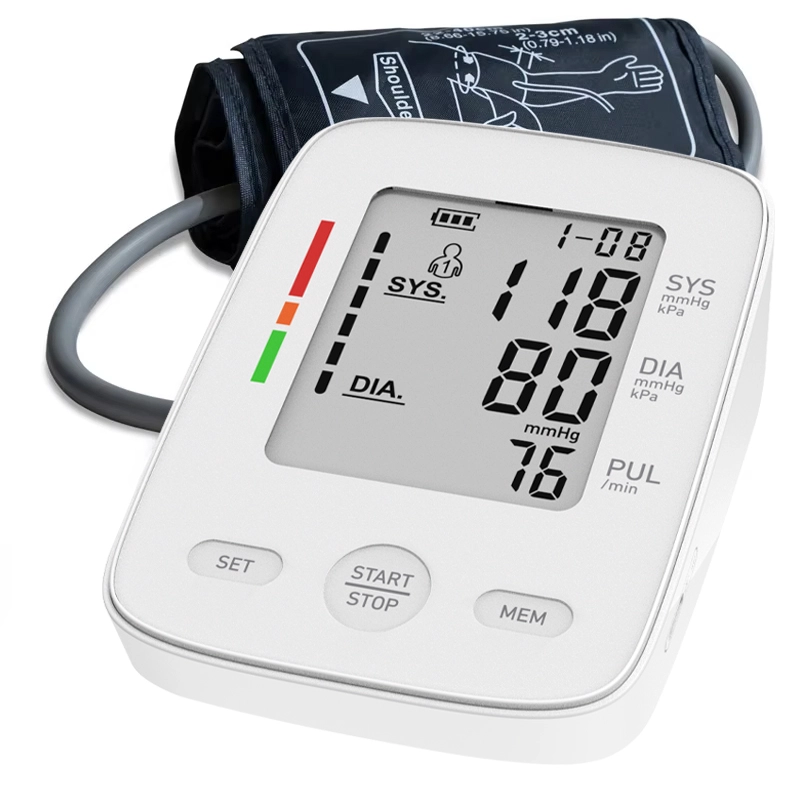
China BPM Factory Guide: Sourcing Digital Blood Pressure Monitors from China
Preface
Blood pressure monitoring is one of the most important routine health checks for adults worldwide, and digital blood pressure monitors have become essential devices for hospitals, clinics, pharmacies, and home healthcare. China has emerged as the global manufacturing hub for blood pressure monitors, supplying a significant share of the world's digital BPM devices through OEM, ODM, and private-label production. This guide is written for healthcare distributors, medical device importers, hospital procurement teams, pharmacy chains, and private-label brand owners who want to source high-quality digital blood pressure monitors from reliable China BPM factories. Whether you need custom manufacturing, wholesale supply, or branded production, this comprehensive resource covers everything you need to know about working with China blood pressure monitor manufacturers.
Table of Contents
1. Why China Leads Global Blood Pressure Monitor Manufacturing
2. Understanding Digital Blood Pressure Monitor Technology and Types
3. Key Certifications and Regulatory Requirements
4. How to Evaluate a China BPM Factory
5. OEM and Private Label Services for Blood Pressure Monitors
6. Finicare — A Trusted China BPM Factory
7. Pricing Structure and Minimum Order Quantities
8. Quality Control and Testing Standards in Chinese Factories
9. Global Market Trends and Growth Forecasts
10. How to Import Blood Pressure Monitors from China
Summary

──────────────────────────────────────────────────
1. Why China Leads Global Blood Pressure Monitor Manufacturing
China's dominance in the global blood pressure monitor manufacturing industry is built on decades of electronics manufacturing expertise, a complete medical device supply chain, and strong export infrastructure. Regions such as Guangdong and Jiangsu have developed dense industrial clusters of medical device factories, component suppliers, testing laboratories, and logistics providers specializing in diagnostic equipment.
The Shenzhen region in Guangdong province serves as a major center for BPM factory operations, offering manufacturers access to precision electronics suppliers, injection molding companies, LCD display manufacturers, and packaging suppliers within a compact geographic area. This clustering effect dramatically reduces production costs and lead times.
Key advantages of sourcing from China BPM factories include
Cost Efficiency: Chinese manufacturers benefit from economies of scale, with production costs 40-60% lower than comparable facilities in Europe or North America. A digital upper arm blood pressure monitor that costs $20-30 to manufacture in the US can often be produced for $6-12 in China, depending on specifications and volume.
Technology Integration: Modern Chinese BPM factories utilize automated SMT production lines, precision pressure sensor calibration systems, advanced microprocessor programming, and high-quality LCD/LED display modules. Many facilities have achieved ISO 13485 certification for medical device quality management systems.
Supply Chain Completeness: From pressure sensors and air pumps to microcontrollers, LCD displays, batteries, and ABS plastic housings, China's domestic supply chain covers nearly every component needed for digital blood pressure monitor production. This reduces dependency on imports and shortens procurement cycles.
Export Experience: Leading China BPM factories have decades of experience exporting to over 80 countries, with established relationships with international freight forwarders and deep understanding of regulatory requirements across different markets.
2. Understanding Digital Blood Pressure Monitor Technology and Types
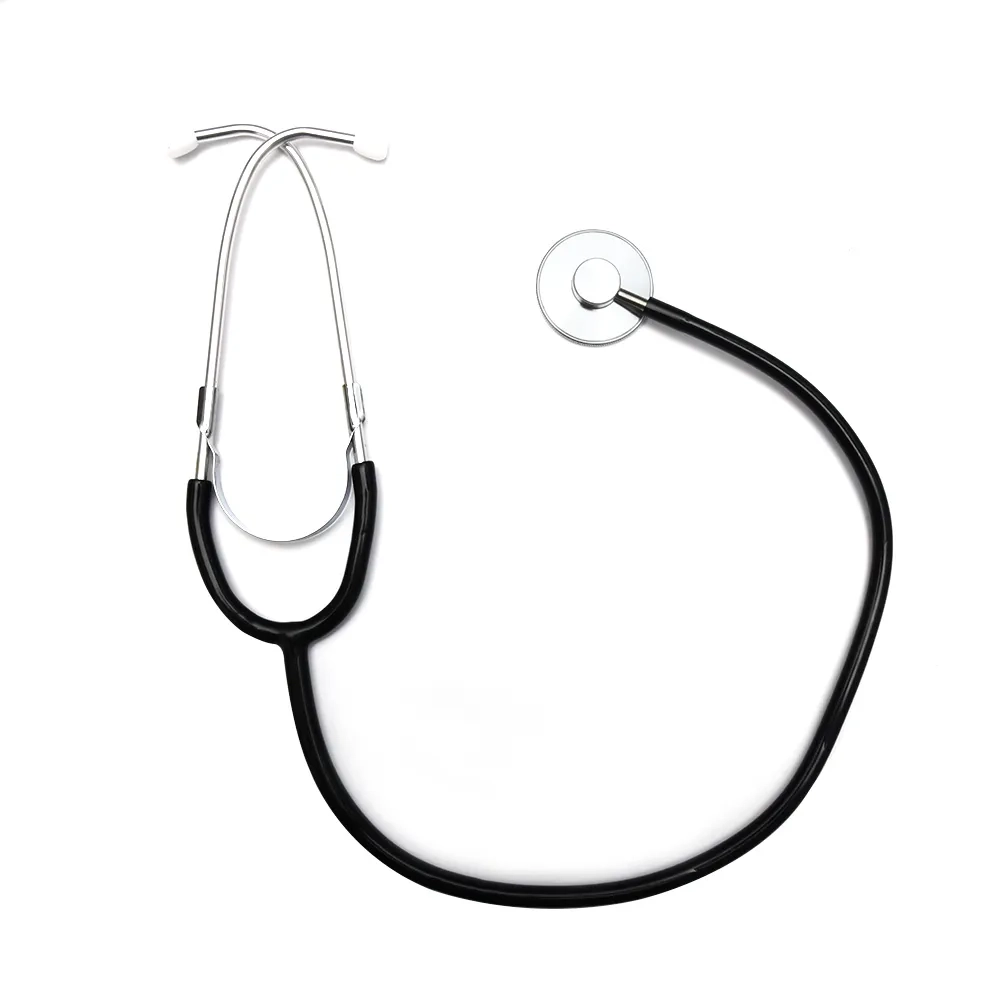
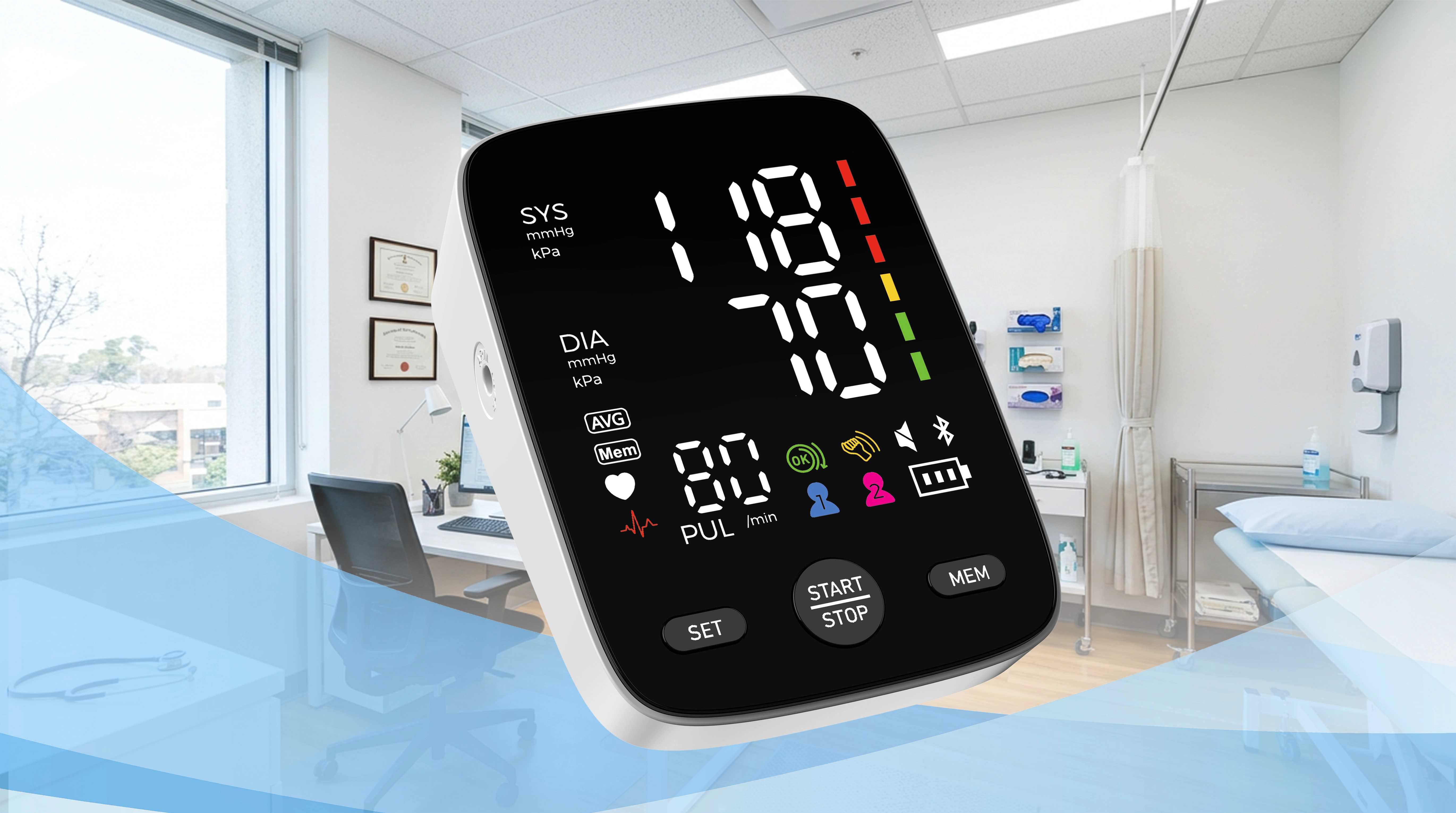
Digital blood pressure monitors measure blood pressure using oscillometric technology, which detects pressure fluctuations in the cuff caused by arterial blood flow. Modern devices provide systolic, diastolic, and pulse rate readings automatically within seconds, eliminating the need for manual inflation or stethoscope use.
Types of Blood Pressure Monitors
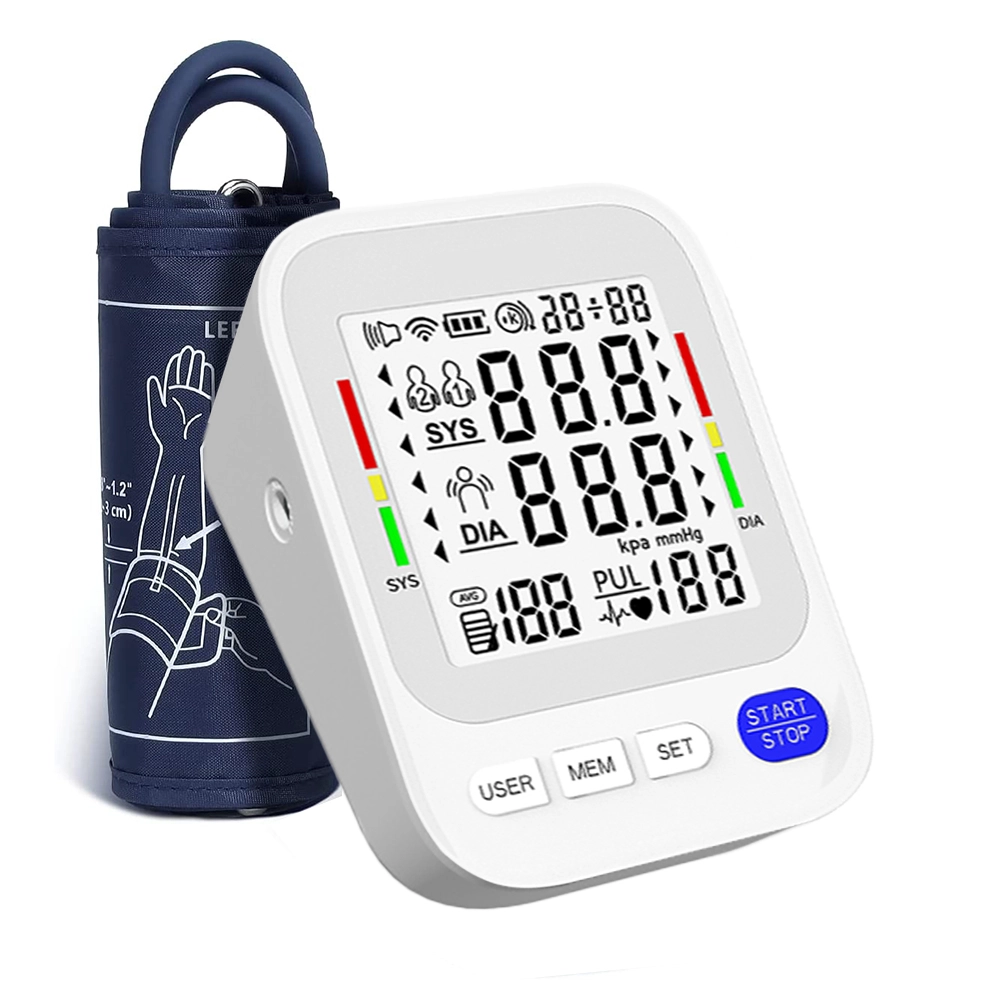
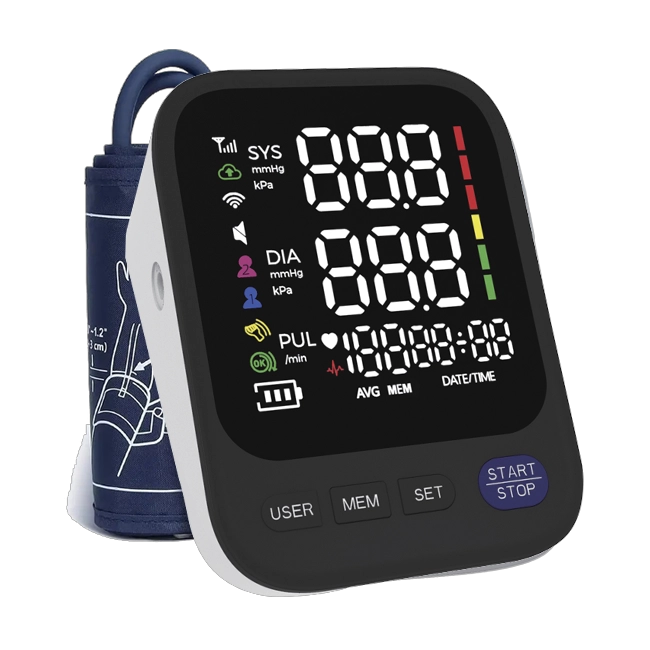
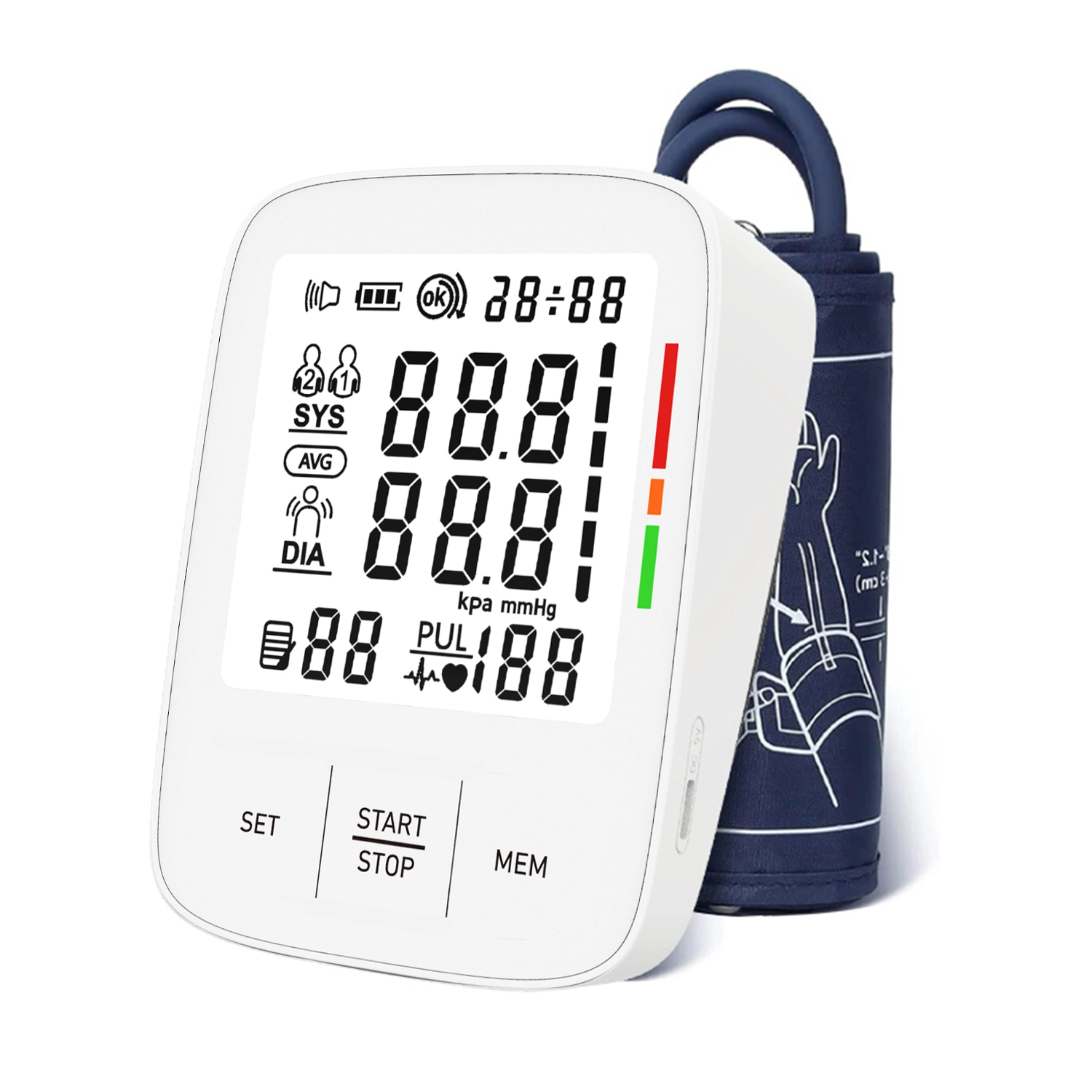
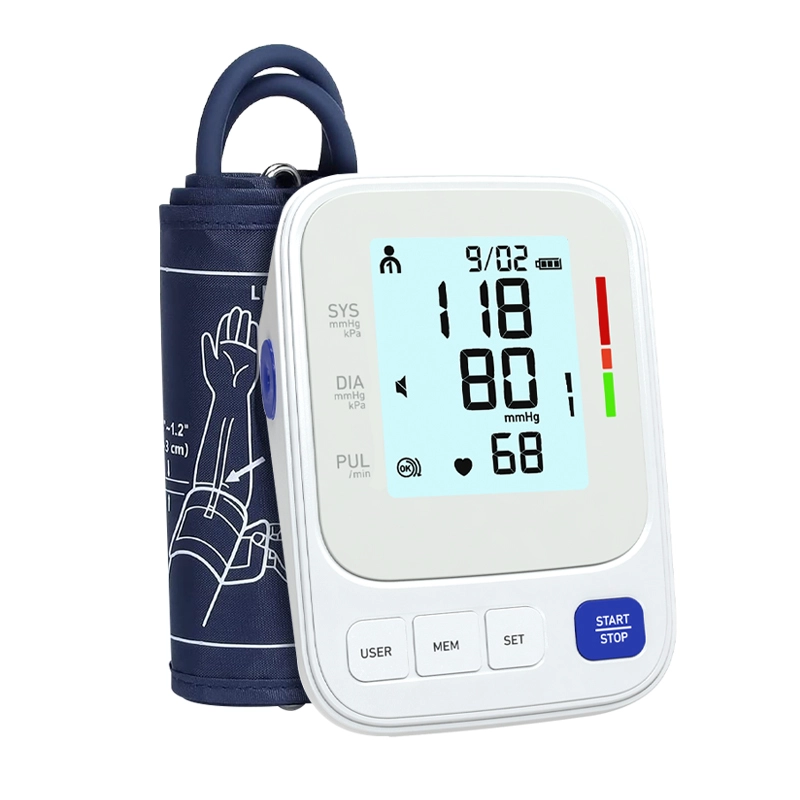
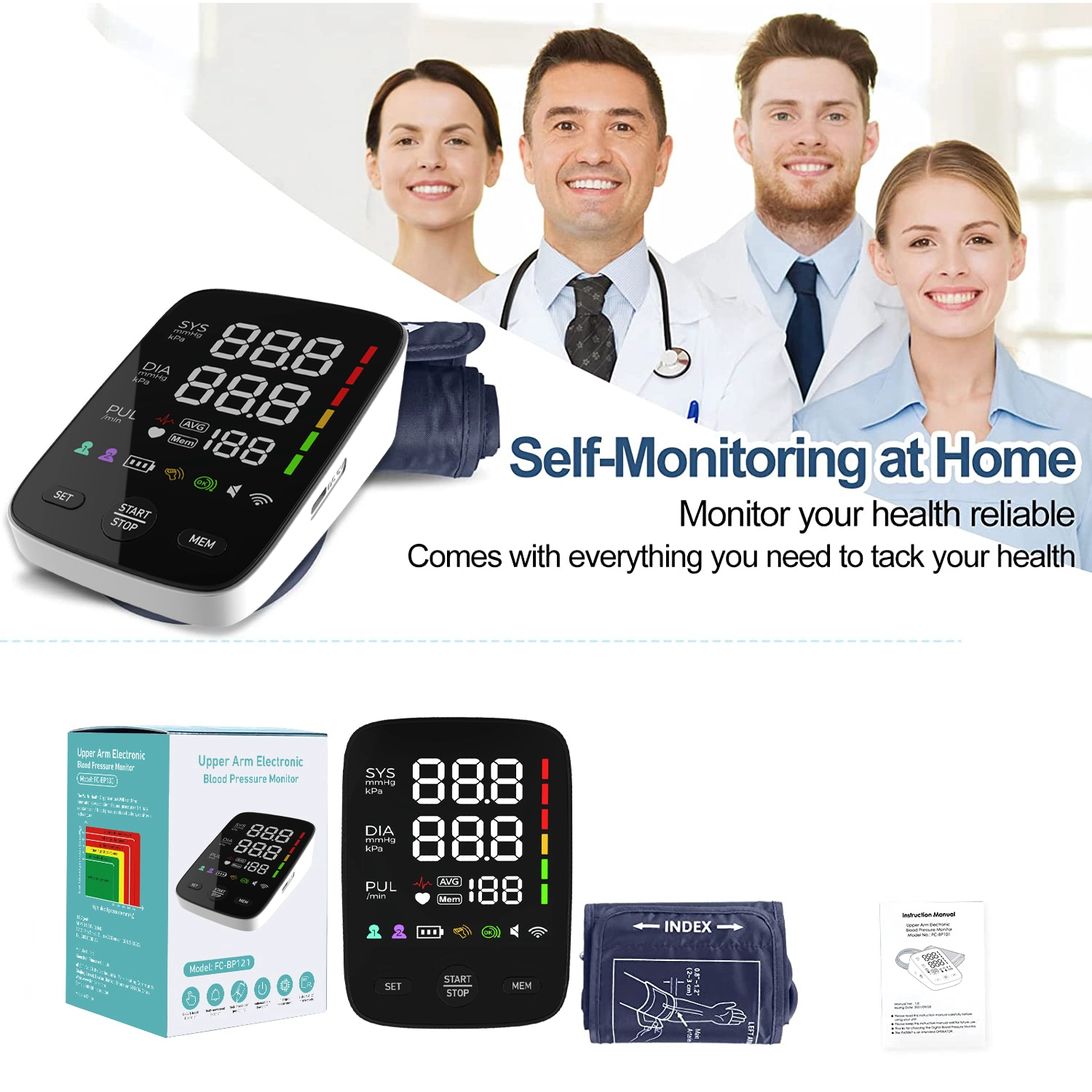
Upper Arm Monitors: The most common and clinically preferred type. The cuff wraps around the upper arm at heart level, providing accurate and reliable readings. Standard upper arm monitors and compact mid-upper arm monitors are the two main subcategories.
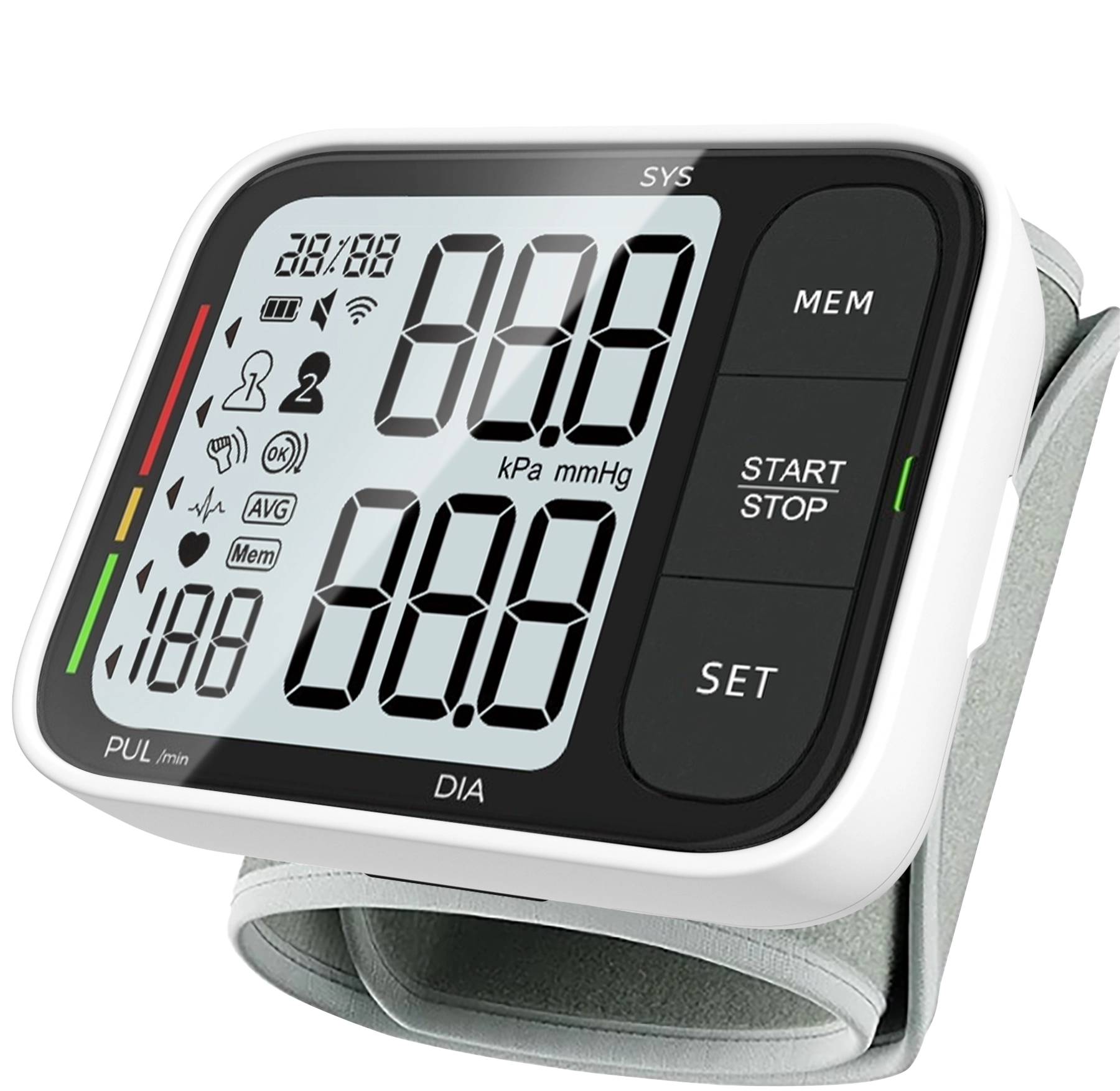
Wrist Monitors: Compact devices with the cuff integrated around the wrist. These offer portability and convenience but require proper positioning at heart level for accurate results. They are popular for travel and personal use.
Finger Monitors: Small, portable devices that clip onto a finger. While convenient, they generally offer lower clinical accuracy and are less commonly used for medical diagnosis.
Ambulatory Blood Pressure Monitors (ABPM): Worn by patients for 24-hour continuous monitoring, recording blood pressure at programmed intervals throughout the day and night. These are used primarily in clinical settings for hypertension diagnosis and treatment adjustment.
Wearable Cuffless BP Devices: Emerging smartwatch and patch-based devices that use optical sensors and algorithms to estimate blood pressure without an inflatable cuff. These represent a growing premium segment.
Core Components
Every digital blood pressure monitor consists of several critical components: an inflatable cuff with an air bladder, an electric air pump and pressure release valve, a pressure sensor, a microprocessor for signal processing, an LCD or LED display for results presentation, a power source (typically 4 AA batteries or a rechargeable battery), and an ABS plastic housing that meets medical device biocompatibility requirements.
3. Key Certifications and Regulatory Requirements
When sourcing blood pressure monitors from China, understanding the certification landscape is critical for market access in your target regions.
International Certifications
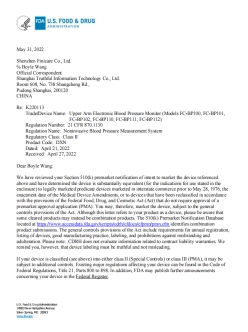
FDA 510(k): Required for selling medical devices in the United States. Chinese BPM manufacturers must demonstrate substantial equivalence to a legally marketed predicate device. The process typically takes 3-6 months and requires comprehensive technical documentation, biocompatibility testing, and clinical performance data.
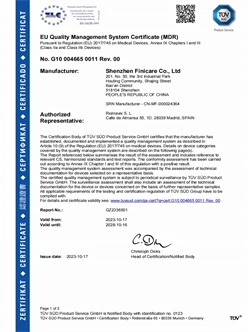
CE Marking (MDR): Mandatory for European Union market access. Under the Medical Device Regulation (EU) 2017/745, digital blood pressure monitors are classified as Class IIa devices, requiring conformity assessment by a Notified Body. This includes clinical evaluation, risk management per ISO 14971, and quality system audit.
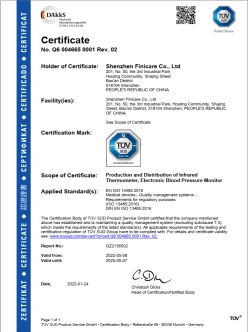
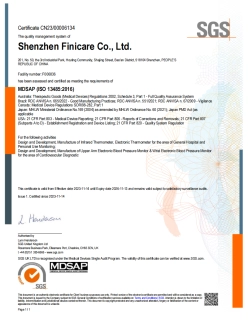
ISO 13485: The international standard for medical device quality management systems. Reputable China BPM factories maintain ISO 13485 certification, which covers design controls, production processes, supplier management, and post-market surveillance.
MDSAP Certification: The Medical Device Single Audit Program allows manufacturers to satisfy multiple regulatory jurisdictions (US, Canada, Brazil, Australia, Japan) through a single quality system audit, streamlining global market access.
Regional Requirements
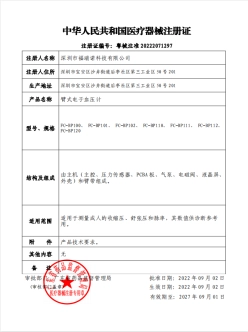
Additional certifications may be required depending on the target market, including TGA approval for Australia, Health Canada licensing, ANVISA registration for Brazil, and CFDA/NMPA registration for domestic Chinese sales.
4. How to Evaluate a China BPM Factory
Selecting the right manufacturing partner is the most important decision in your blood pressure monitor sourcing process. Here are the key evaluation criteria:
Factory Audit: Request a comprehensive factory audit report or arrange an on-site visit. Evaluate the production environment cleanliness, production line automation level, calibration equipment accuracy, and worker training protocols.
Certification Portfolio: Verify that the manufacturer holds current ISO 13485, CE, and FDA 510(k) certifications. Cross-check certificate numbers with issuing bodies to confirm validity. Look for additional certifications such as MDSAP, RoHS, FCC, and BSCI social compliance audits.
Production Capacity: Assess whether the manufacturer can meet your volume requirements. A typical mid-sized China BPM factory produces 30,000-100,000 units per month, while larger facilities can exceed 300,000 units monthly.
R&D Capability: Strong manufacturers invest in research and development, holding patents for sensor calibration algorithms, cuff design, and measurement accuracy improvements. Evaluate their ability to develop custom specifications and new product features.
Quality Track Record: Request quality performance data including defect rates (target: below 0.5%), customer complaint records, and corrective action reports. Ask for references from existing international clients.
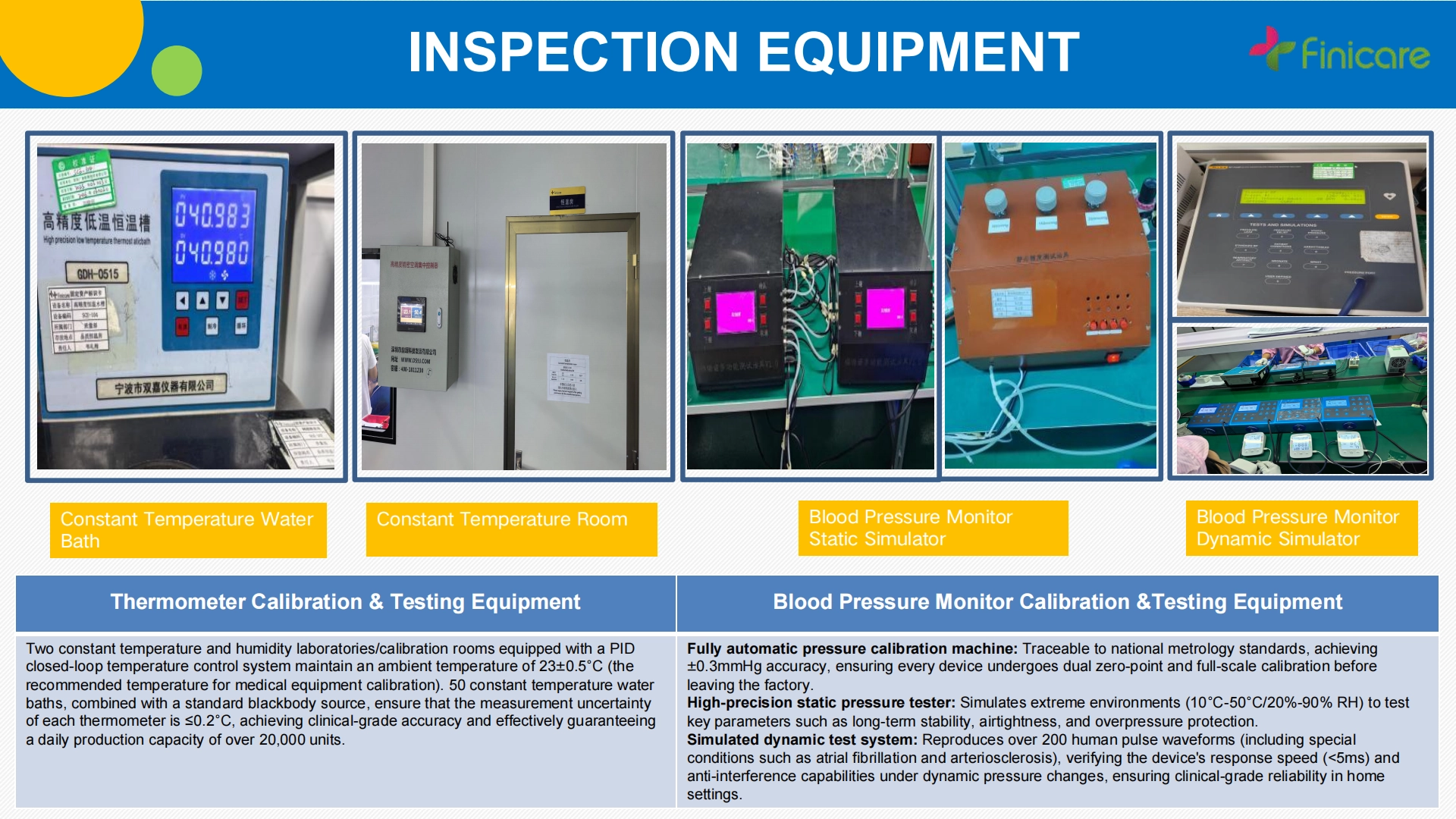
Testing Equipment: Professional manufacturers maintain in-house testing laboratories equipped with pressure calibration systems, environmental chambers, drop test equipment, and electromagnetic compatibility (EMC) testing facilities.
5. OEM and Private Label Services for Blood Pressure Monitors
China BPM factories offer comprehensive OEM (Original Equipment Manufacturing) and ODM (Original Design Manufacturing) services to help buyers create their own branded blood pressure monitors.
OEM Services Include
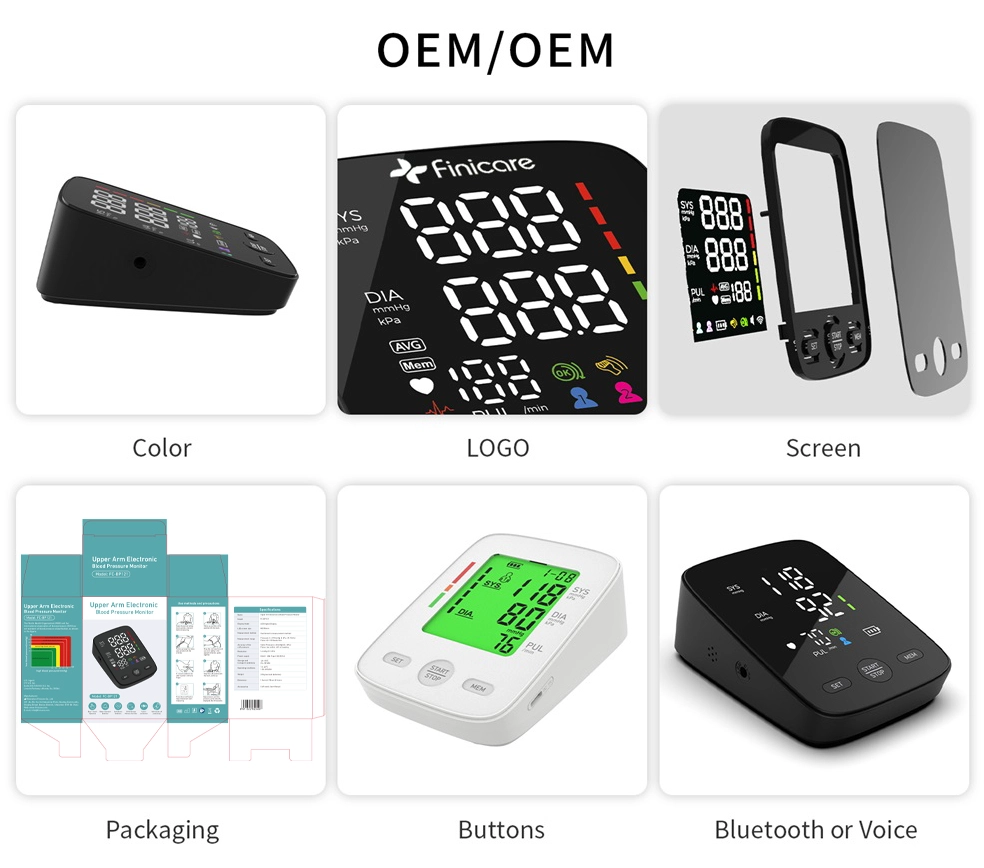
Custom Branding: Logo printing on device housing, custom packaging design, branded user manuals in multiple languages, and personalized carrying cases.
Product Customization: Options include custom color schemes, display configurations (large LCD vs. LED, backlit displays, °C/°F or mmHg/kPa units), measurement memory settings, voice broadcast functions, arrhythmia detection, and multi-user profile systems.
Packaging Solutions: From basic white box packaging to premium retail packaging with window displays, blister cards, and multilingual inserts. Manufacturers typically work with local printing suppliers to deliver high-quality packaging at competitive costs.
Regulatory Support: Many experienced OEM manufacturers provide technical documentation packages to support your regulatory submissions, including device master records, risk management files, clinical evaluation reports, and biocompatibility test certificates.
ODM Capabilities
For buyers seeking differentiated products, ODM services include custom industrial design, unique sensor configurations, Bluetooth connectivity integration, mobile app development, and smart features such as data logging, cloud synchronization, and AI-powered health analytics.
Typical OEM/ODM Process
The standard workflow involves initial consultation and specification definition, sample development (2-4 weeks), sample approval and modification, tooling and mold preparation (3-5 weeks), pilot production run, full-scale production, and quality inspection before shipment. Total lead time from concept to delivery typically ranges from 8-16 weeks depending on complexity.
6. Finicare — A Trusted China BPM Factory
Shenzhen Finicare Co., Ltd, founded in 2017, is a professional medical device manufacturer based in Shenzhen, China, specializing in the research, development, manufacturing, and global distribution of home healthcare and clinical diagnostic devices.
As a fully integrated manufacturer combining R&D, production, and sales capabilities, Finicare has rapidly established itself as a reliable partner for international buyers seeking high-quality blood pressure monitors and other medical diagnostic devices. The company exports to over 80 countries across North America, Europe, Southeast Asia, the Middle East, Africa, and South America.
Product Portfolio
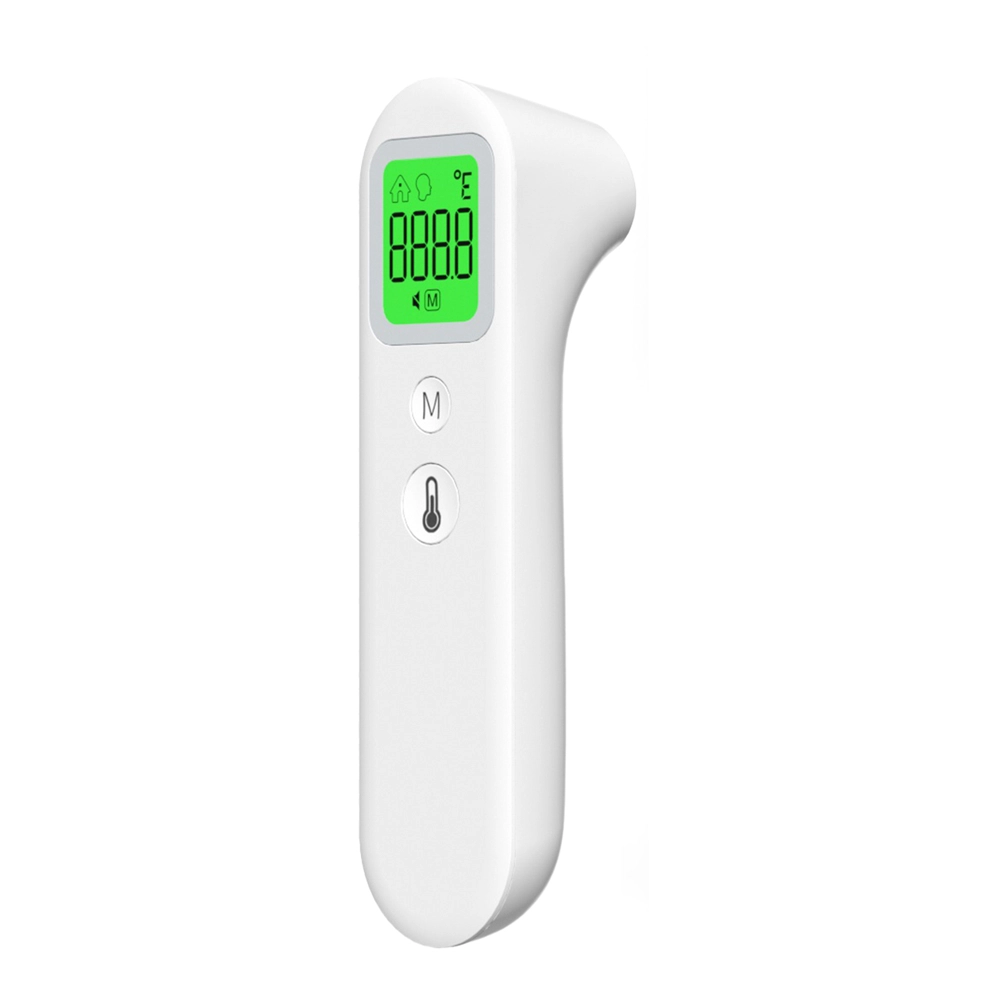
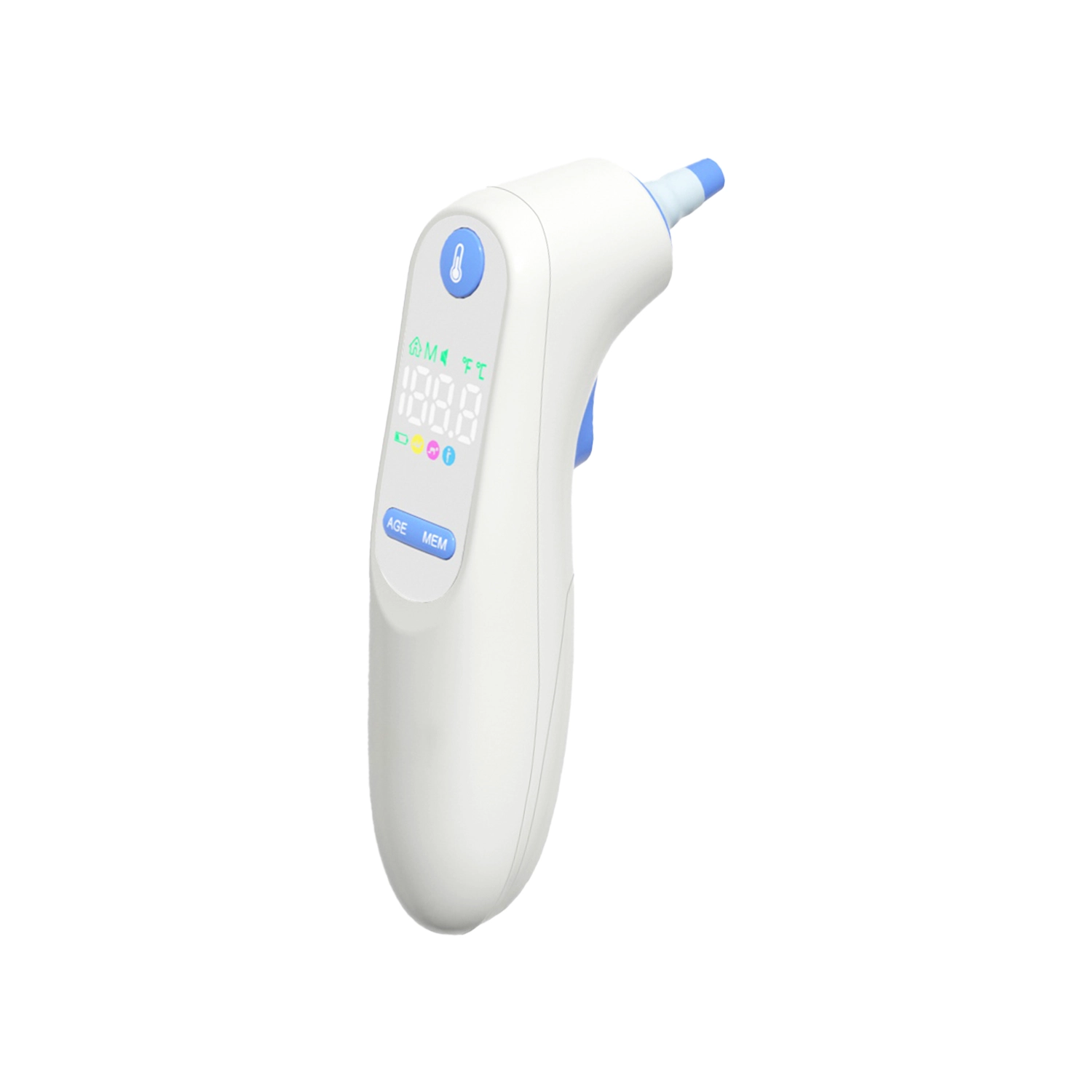
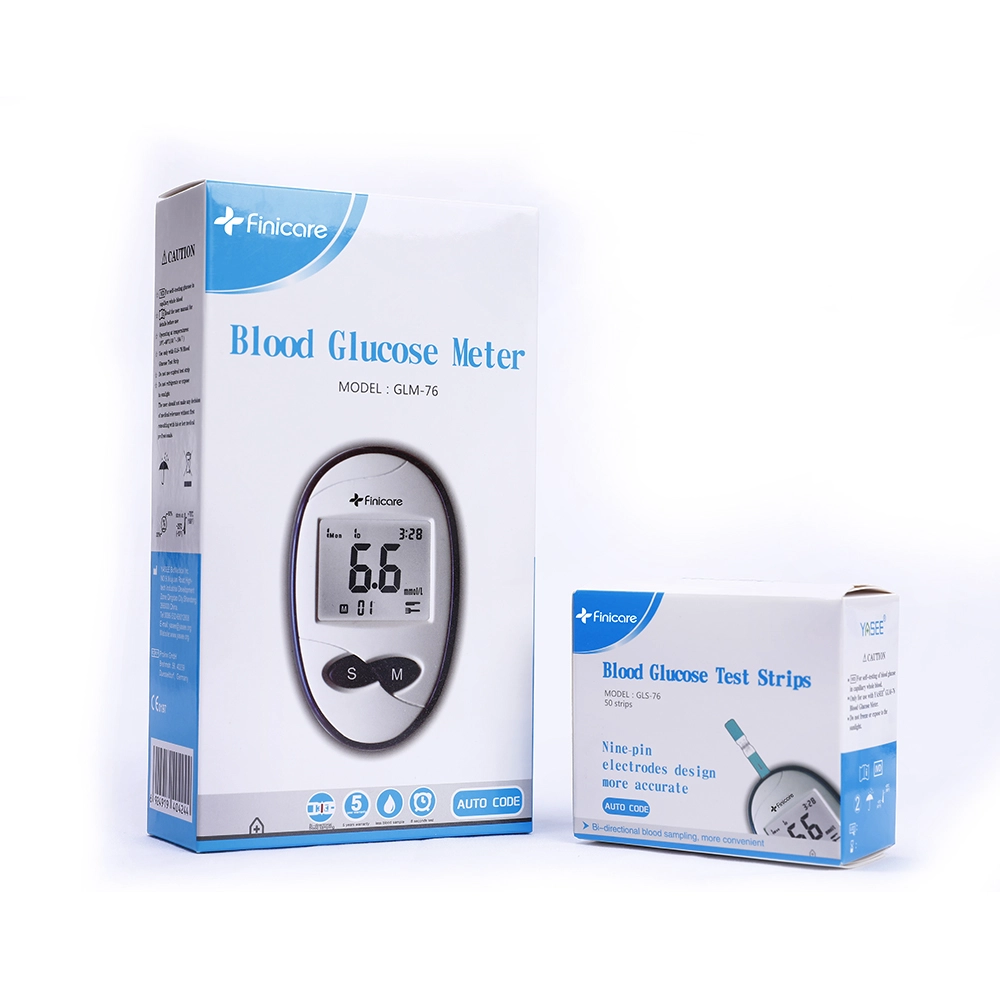
Finicare offers a comprehensive range of blood pressure monitors including upper arm models, wrist models, and fully automatic digital BPM devices, alongside infrared thermometers, blood glucose meters, pulse oximeters, and other home medical devices. All products are designed and manufactured to meet international medical device standards.
Certification System
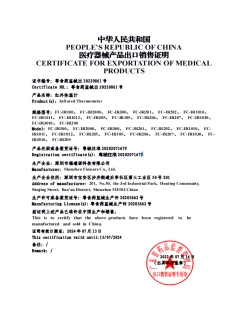
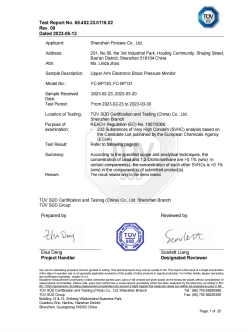
Finicare products have obtained multiple international certifications including FDA 510(k) clearance, CE marking (TUV certified), CFDA approval, FCC certification, RoHS compliance, BSCI social audit, and TGA approval. This comprehensive certification portfolio enables buyers to access major global markets with confidence.
Manufacturing Excellence
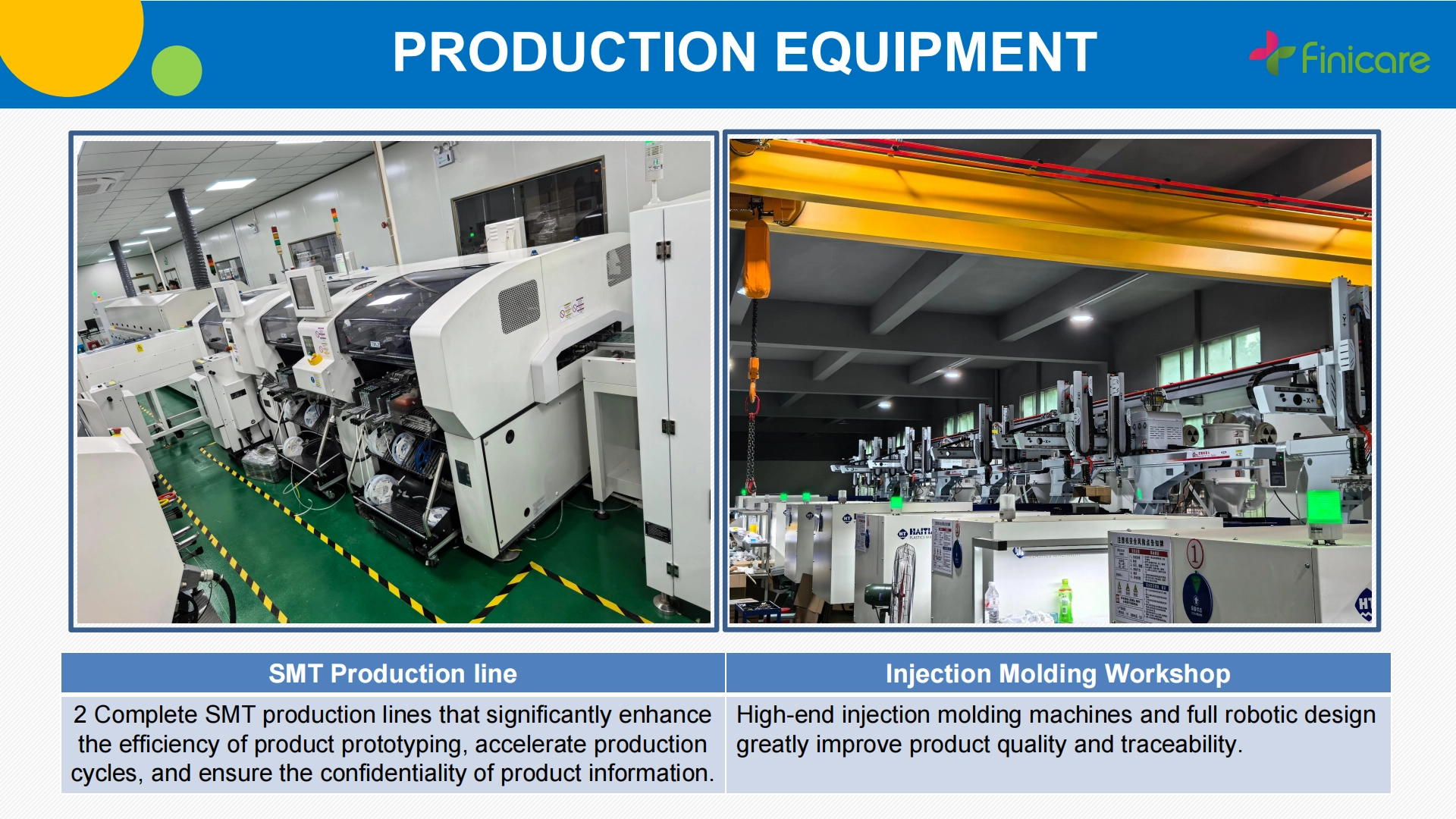
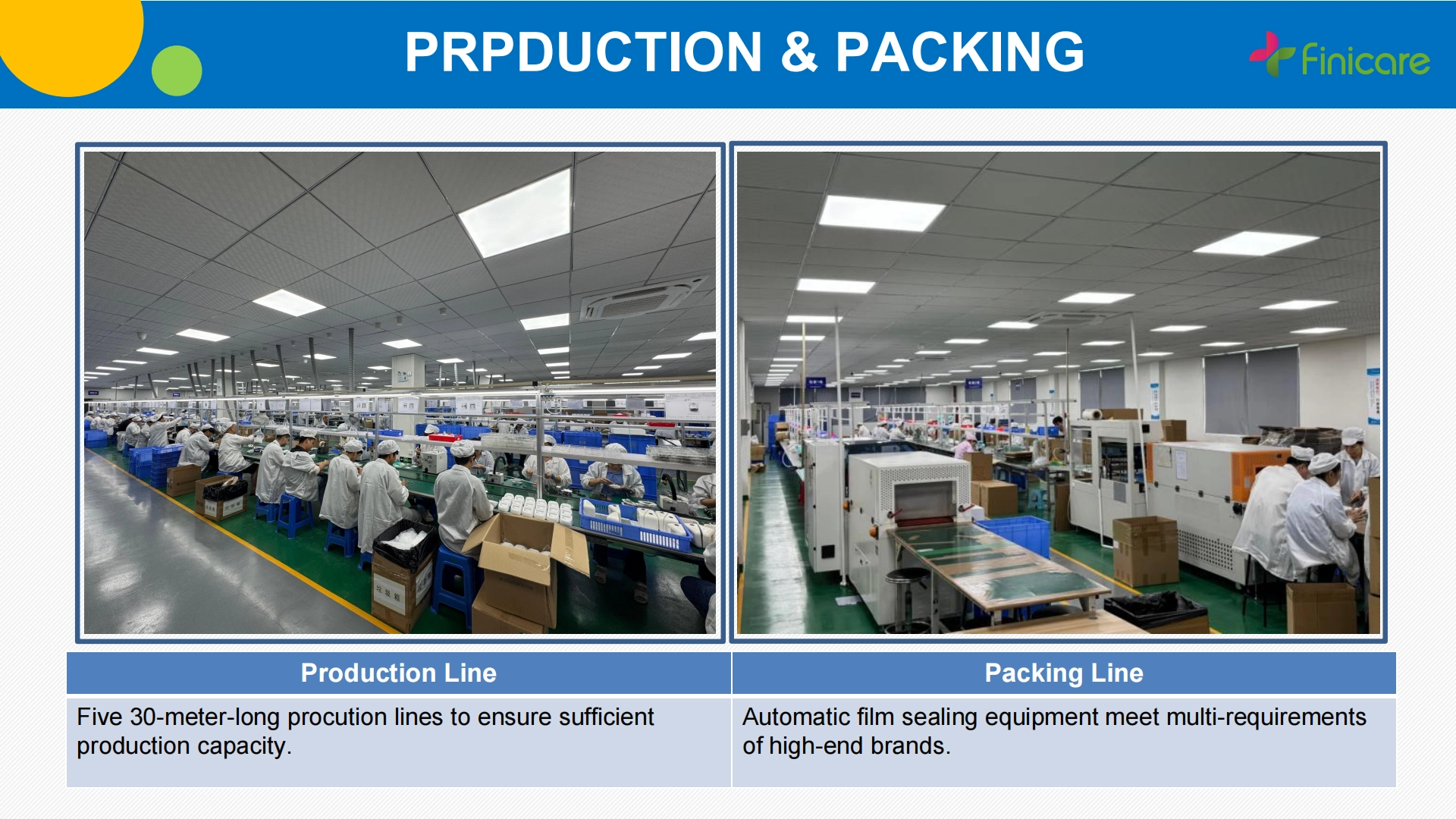
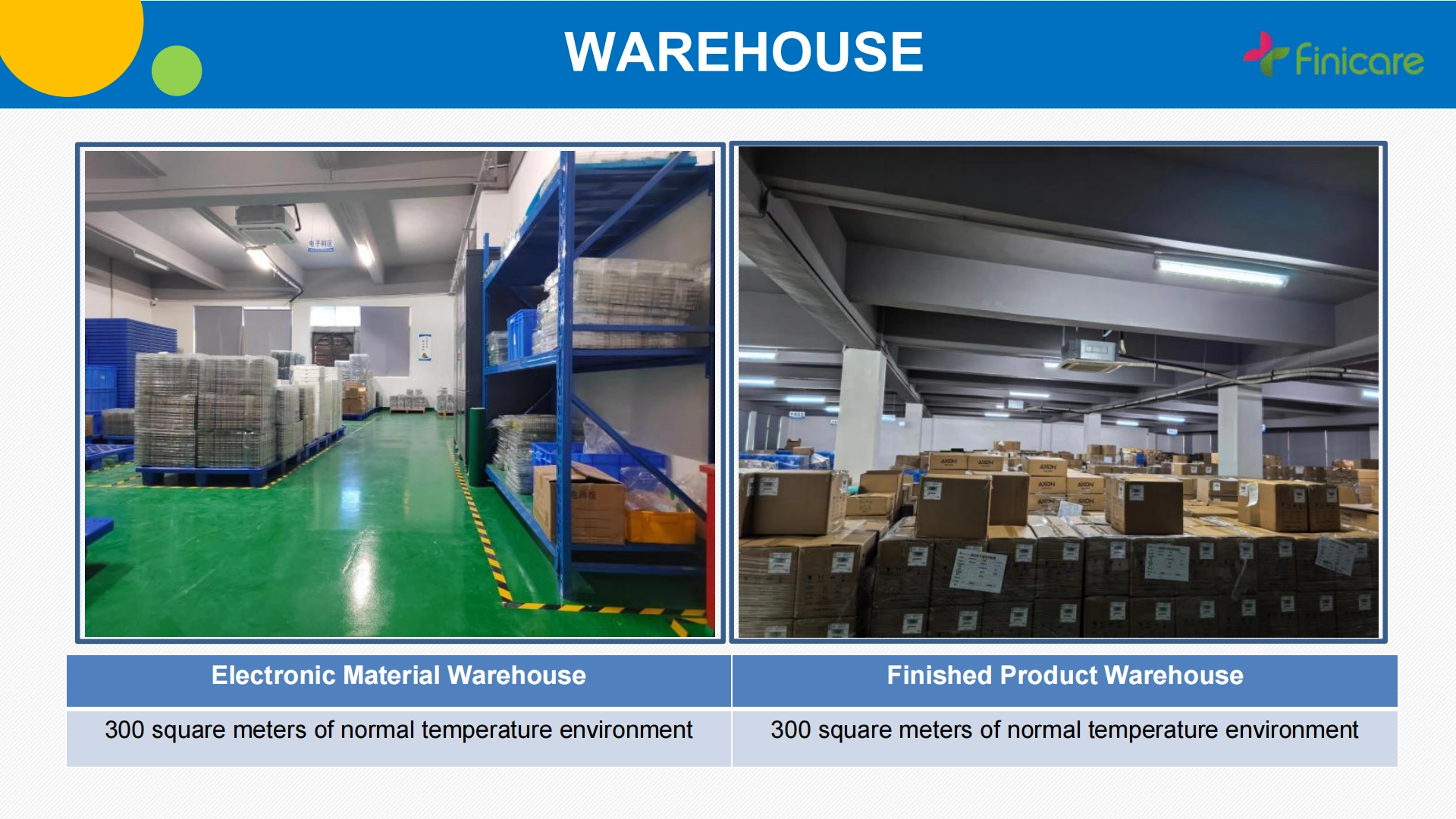
The company operates modern production facilities equipped with automated SMT lines, precision injection molding equipment, advanced calibration systems, and comprehensive quality testing laboratories. Every blood pressure monitor undergoes rigorous quality checks including pressure accuracy verification, environmental stress testing, drop testing, and battery life validation.
Why Choose Finicare
With competitive pricing, flexible MOQ requirements, professional OEM/ODM services, and a dedicated export team experienced in international logistics and regulatory compliance, Finicare provides a one-stop solution for businesses looking to source premium blood pressure monitors from China.

7. Pricing Structure and Minimum Order Quantities
Understanding pricing dynamics is essential for budgeting and supplier negotiations when sourcing blood pressure monitors from China.
Price Ranges (FOB Shenzhen)
Basic Upper Arm BPM: $5.50 - $8.00 per unit (simple design, standard LCD, basic packaging)
Mid-Range Upper Arm BPM: $8.00 - $14.00 per unit (large backlit display, memory function, arrhythmia detection, retail packaging)
Professional Upper Arm BPM: $14.00 - $25.00 per unit (clinical grade, premium sensors, voice function, premium packaging)
Factors Affecting Price
Order volume (price breaks typically at 1,000, 5,000, 10,000, and 50,000 units), customization level (standard vs. custom housing, branding, packaging), certification requirements (FDA, CE documentation costs), sensor quality (imported vs. domestic pressure sensors), display type (basic LCD vs. LED backlight vs. full-color display), and additional functions (Bluetooth, voice broadcast, rechargeable battery).
Minimum Order Quantities
Standard products: MOQ typically 500-1,000 units
OEM customized products: MOQ typically 2,000-5,000 units
ODM new design products: MOQ typically 5,000-10,000 units
Payment Terms
Common payment structures include 30% deposit upon order confirmation with 70% balance before shipment (T/T), irrevocable L/C at sight for orders exceeding $50,000, and Alibaba Trade Assurance for buyer protection on initial orders.
8. Quality Control and Testing Standards in Chinese Factories
Reputable China BPM factories implement multi-layered quality control systems to ensure product reliability and regulatory compliance.
Incoming Quality Control (IQC)
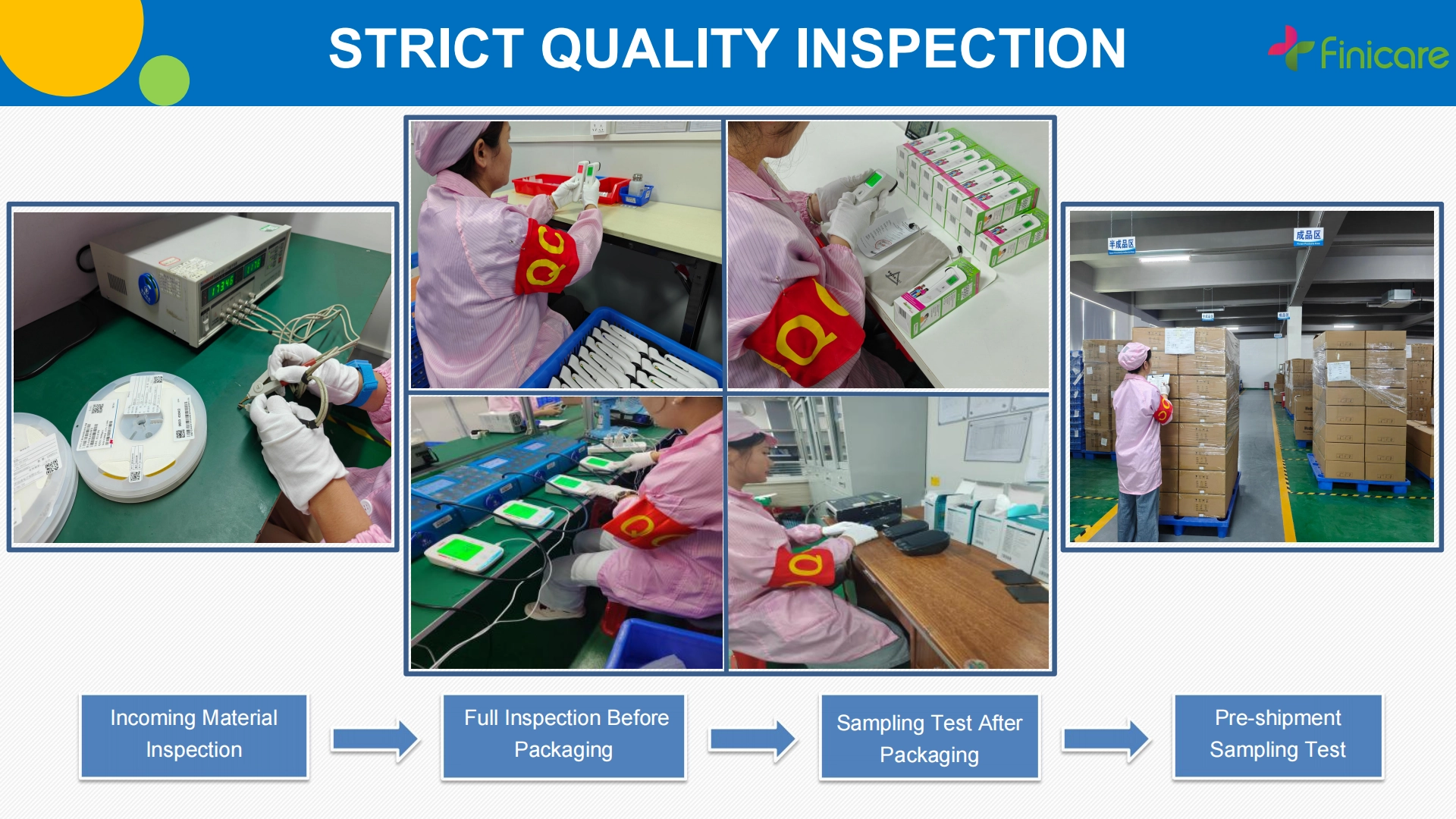
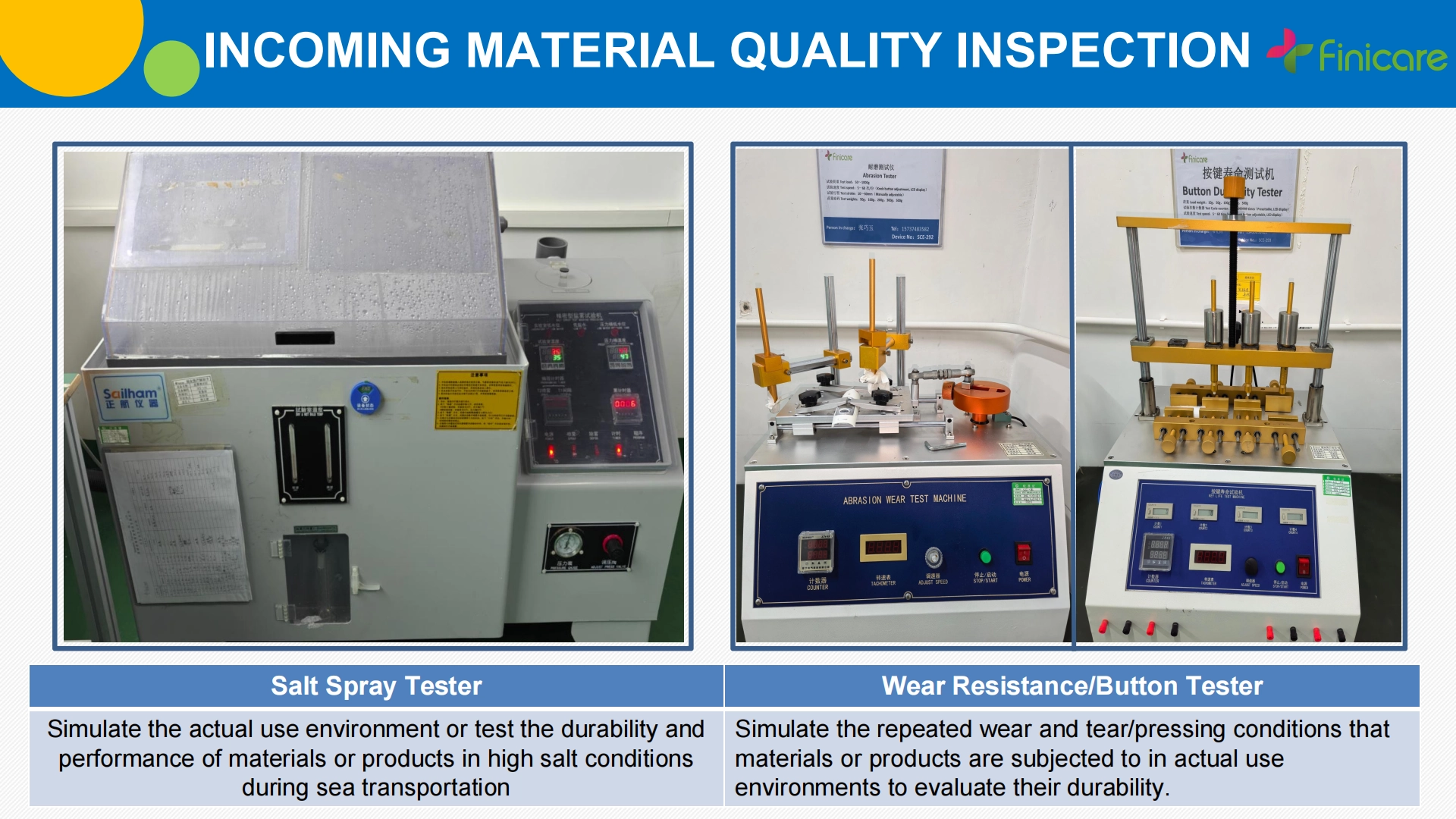
All incoming components undergo inspection including pressure sensor accuracy testing, LCD display functionality verification, PCB board visual and electrical inspection, air pump performance testing, cuff fabric quality checks, and plastic housing dimensional accuracy checks.
In-Process Quality Control (IPQC)
During assembly, production line inspectors monitor solder joint quality, sensor alignment, button functionality, air tube connection integrity, and housing seal integrity. Statistical process control (SPC) methods are applied to critical parameters.
Final Quality Control (FQC)
Completed units undergo 100% functional testing including pressure accuracy verification (using calibrated pressure simulators at multiple reference points), inflation and deflation performance checks, display readability verification, button operation testing, memory function testing, and battery compartment inspection.
Additional Testing Protocols
Environmental Testing: Temperature cycling (-10°C to 50°C), humidity resistance (95% RH), and altitude simulation testing.
Mechanical Testing: Drop testing from 1.2 meters, button durability (10,000 cycles), cuff inflation durability, and connector strength testing.
Electrical Safety Testing: Dielectric withstand voltage, insulation resistance, and electromagnetic compatibility (EMC) verification.
Biocompatibility Testing: Skin contact materials tested per ISO 10993 standards for cytotoxicity, sensitization, and irritation.
9. Global Market Trends and Growth Forecasts
The global blood pressure monitor market is experiencing robust growth driven by rising hypertension prevalence, aging populations, and increased adoption of home healthcare devices.
Market Size and Projections
The global blood pressure monitors market is valued at approximately USD 2.15 billion in 2025 and is projected to grow from USD 2.33 billion in 2026 to USD 4.83 billion by 2034, exhibiting a CAGR of 9.5%. The global digital blood pressure monitors market is estimated to be valued at USD 1.92 billion in 2026 and is expected to reach USD 3.76 billion by 2033, growing at a CAGR of 10.1%.
Segment Highlights
In 2026, upper arm monitors are expected to lead the digital BPM market with 60.7% market share, due to their clinical accuracy and ease of use. The fully automatic technology segment is projected to dominate with 44.3% market share, driven by convenience for elderly users. North America leads regional demand with approximately 40.5% market share, while Asia Pacific is anticipated to be the fastest-growing region with 23.4% market share.
Key Growth Drivers
The growing global burden of hypertension and cardiovascular diseases creates sustained demand for monitoring devices. Post-pandemic health awareness has permanently increased home health monitoring adoption. Government healthcare programs promoting preventive care and remote patient monitoring further accelerate market growth. The aging population in developed and emerging markets requires easy-to-use, accurate blood pressure monitoring solutions.
Emerging Trends
Smart connected blood pressure monitors with Bluetooth and Wi-Fi integration are gaining traction, enabling data sharing with healthcare providers and mobile health apps. AI-enabled devices can detect arrhythmias such as atrial fibrillation during routine measurements. Subscription-based health analytics platforms and remote patient monitoring services are creating new business models around connected BPM devices.
10. How to Import Blood Pressure Monitors from China
Navigating the import process requires understanding of logistics, customs procedures, and regulatory documentation.
Step-by-Step Import Process
Supplier Selection: Conduct due diligence through factory audits, sample evaluation, and reference checks. Platforms like Alibaba, Made-in-China, and trade shows (Canton Fair, MEDICA, Arab Health, CMEF) are excellent sourcing channels.
Order Placement: Finalize product specifications, pricing, payment terms, and delivery schedule. Ensure all customization requirements are documented in a detailed purchase order.
Production Monitoring: Request regular production updates and arrange pre-shipment inspection through third-party inspection companies such as SGS, Bureau Veritas, or Intertek.
Shipping Arrangements: Choose between sea freight (cost-effective for orders over 5,000 units, 25-35 days transit) or air freight (faster for smaller orders, 5-7 days transit). Major shipping ports include Shenzhen, Guangzhou, and Hong Kong.
Customs Clearance: Prepare required documentation including commercial invoice, packing list, bill of lading, certificate of origin, and product certifications (FDA, CE as applicable). Work with an experienced customs broker to ensure smooth clearance.
Warehousing and Distribution: Arrange local warehousing and last-mile delivery. Many importers use third-party logistics providers for distribution to retail channels or healthcare facilities.
Documentation Checklist
Essential documents include: Purchase order and proforma invoice, commercial invoice with HS code (9025.19 for blood pressure monitors), packing list with carton dimensions and weight, bill of lading or airway bill, certificate of origin (Form A for GSP preferential tariffs), ISO 13485 certificate copy, product-specific certifications (FDA 510(k), CE certificate), and test reports (accuracy, safety, EMC).
Summary
China has firmly established itself as the global center for blood pressure monitor manufacturing, offering unmatched combinations of cost efficiency, technological capability, and supply chain completeness. The market is projected to grow at a CAGR of 9.5-10.1% through 2034, driven by rising hypertension prevalence, aging populations, and expanding home healthcare adoption worldwide.
When selecting a China BPM factory, prioritize companies with valid international certifications (FDA 510(k), CE, ISO 13485), proven production capacity, comprehensive quality control systems, and extensive export experience. Manufacturers like Finicare, with their integrated R&D-production-sales model, 80+ country export network, and comprehensive certification portfolio, represent the caliber of partners available in the Chinese market.
Whether you are a healthcare distributor building inventory, a hospital system standardizing equipment, a pharmacy chain expanding its private-label offerings, or a brand launching a new product line, China's BPM factories offer the flexibility, quality, and pricing to support your business objectives. Start by requesting samples, conducting factory audits, and establishing clear quality agreements to build a successful long-term sourcing relationship.