












Clinical Digital Thermometer: Types, Accuracy Standards, and Selection Guide
Preface
Temperature measurement remains one of the most frequently performed clinical assessments in healthcare settings worldwide. A single reading can influence antimicrobial therapy decisions, blood culture orders, patient isolation protocols, and discharge assessments.
Yet an accuracy study conducted at Songklanagarind Hospital in Thailand found that only 14 percent of electronic thermometers met the manufacturer-specified accuracy tolerance of plus or minus 0.2 degrees Celsius, while just 51 percent met the broader plus or minus 0.3 degrees Celsius threshold. This finding raises a fundamental question for every healthcare facility: are the thermometers in use accurate enough for the clinical decisions that depend on them?
A clinical digital thermometer is a medical-grade electronic device that measures body temperature using a thermistor or thermocouple sensor, providing a digital readout of the measured value. Unlike traditional mercury-in-glass thermometers that have been phased out globally due to toxicity concerns, these devices offer rapid readings, memory recall, and compatibility with modern electronic health record systems. This guide is written for hospital procurement teams, clinical engineers, infection control officers, pediatric specialists, and informed consumers who need to understand the types, accuracy characteristics, regulatory standards, and selection criteria for digital thermometers used in hospitals, clinics, and home care settings.
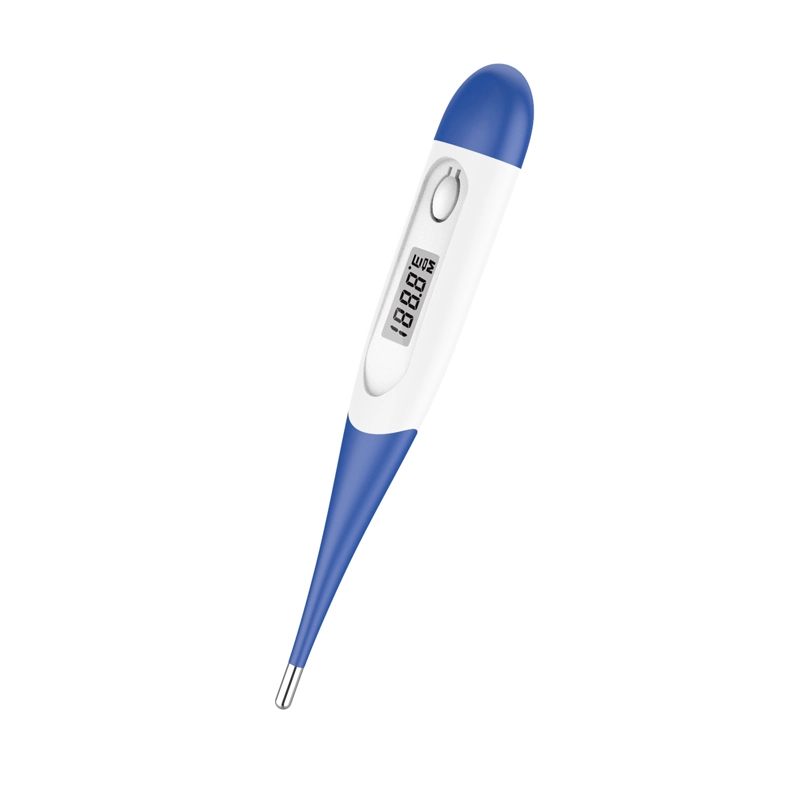
Table of Contents
1. What Is a Clinical Digital Thermometer?
2. How Digital Thermometers Measure Body Temperature
3. Types of Clinical Digital Thermometers: Oral, Rectal, Tympanic, and Temporal
4. Accuracy Comparison: What Pediatric Research Reveals
5. Regulatory Standards: FDA, ASTM E1112, and ISO 80601-2-56
6. The Clinical Digital Thermometer Market: Size, Growth, and Trends
7. Finicare Clinical Digital Thermometer Technology
Finicare TM130 Clinical Digital Thermometer
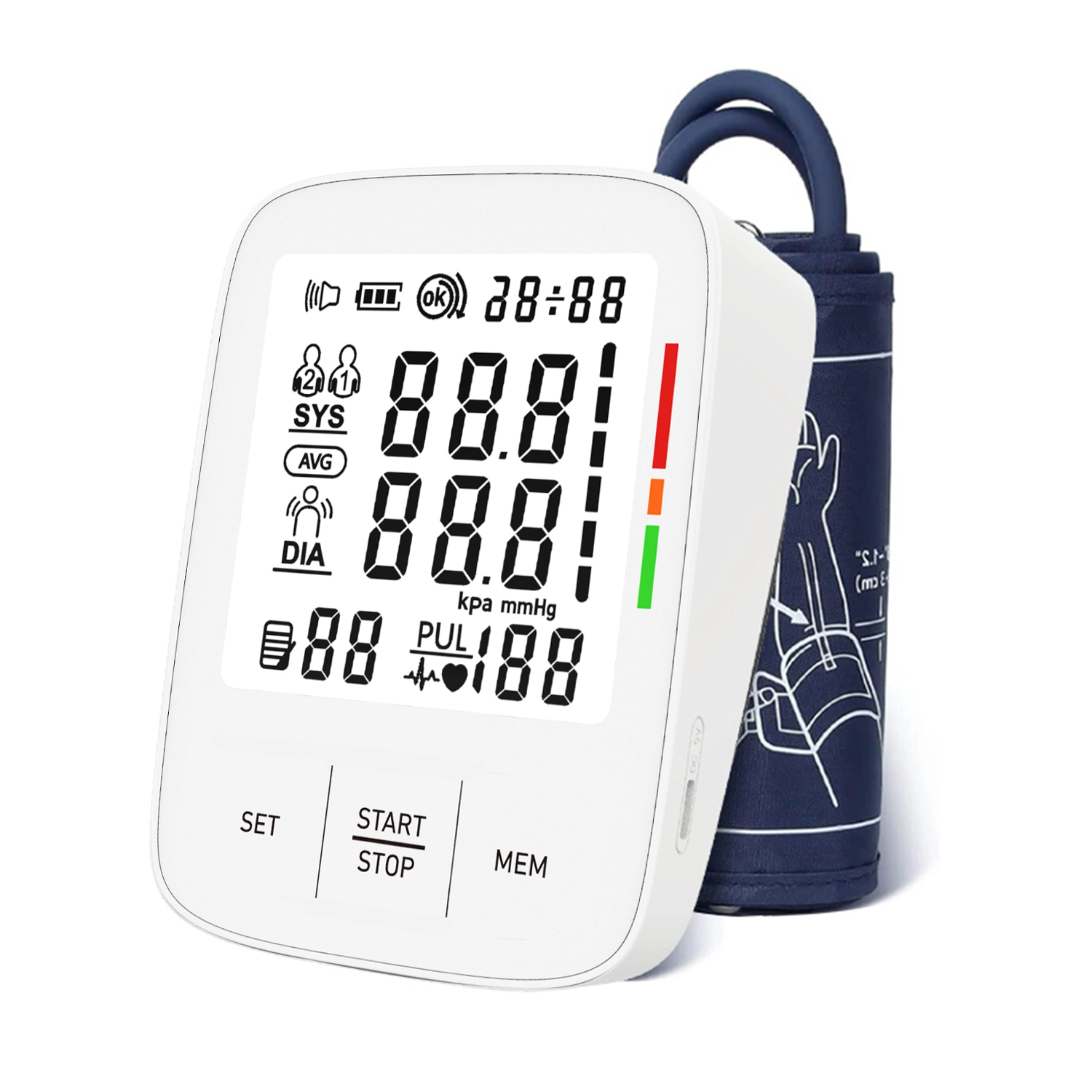
Clinical temperature measurement in a hospital setting
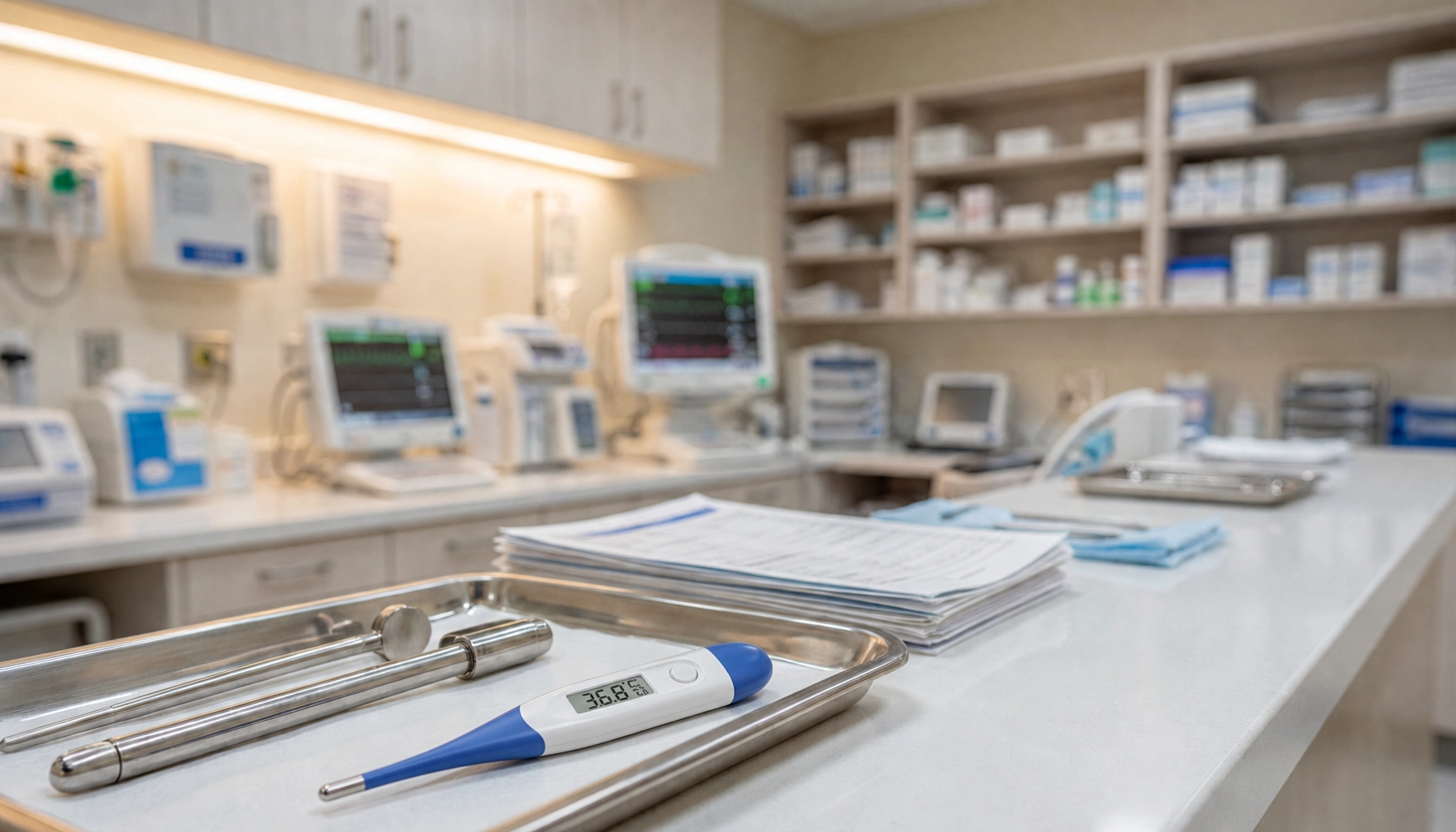
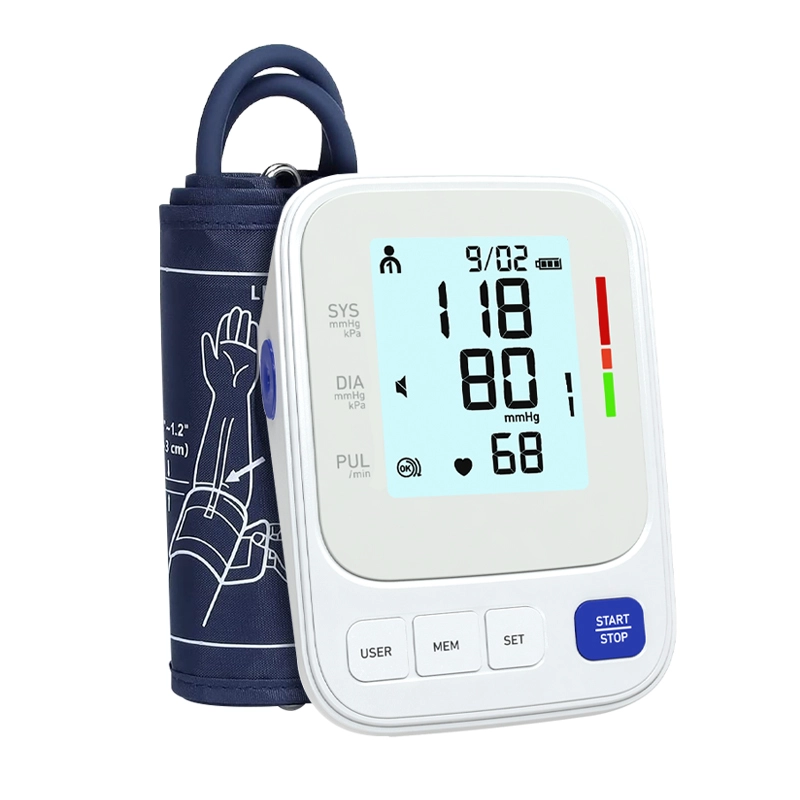
Home temperature measurement for pediatric care
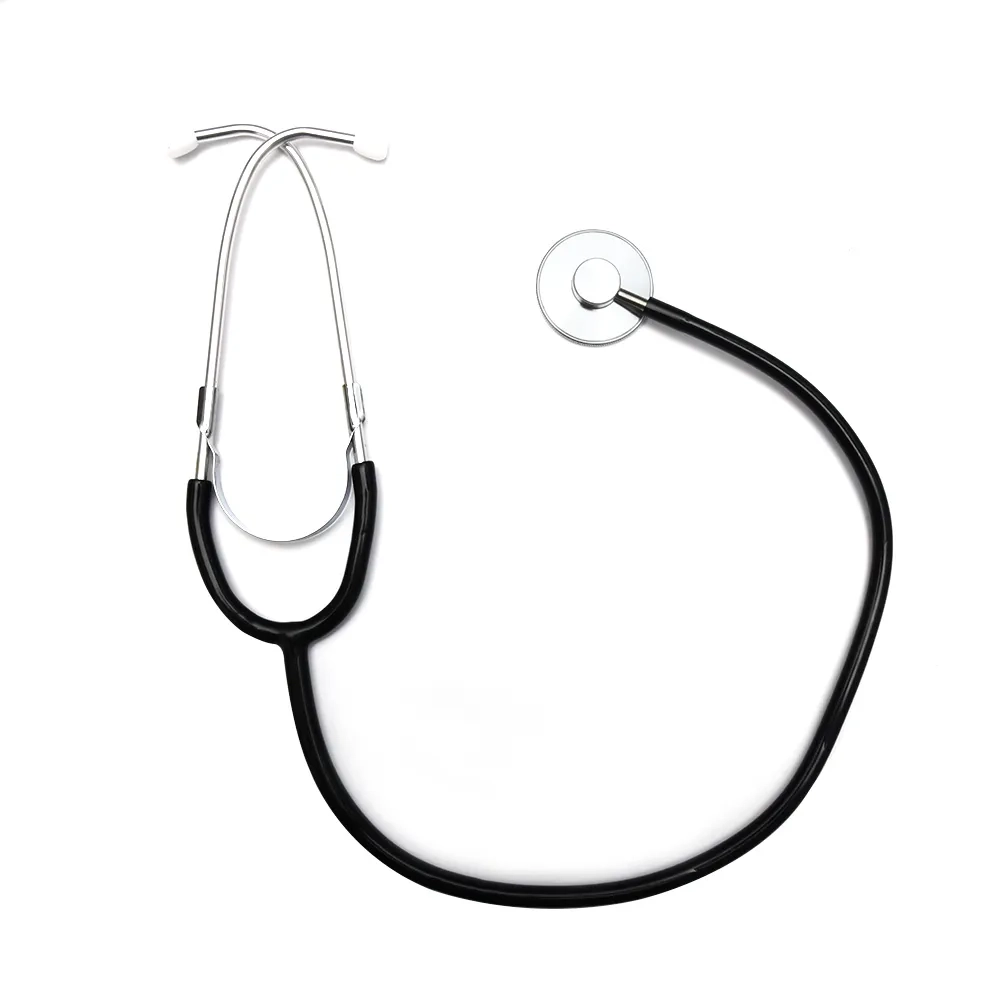
Professional medical environment with clinical devices
8. Best Practices for Accurate Temperature Measurement
9. Special Populations: Pediatrics, Elderly, and Home Care
10. Choosing the Right Clinical Digital Thermometer: A Checklist
Summary
References
1. What Is a Clinical Digital Thermometer?
A clinical digital thermometer is an electronic medical device that measures body temperature by detecting changes in electrical resistance or voltage generated by a thermistor or thermocouple sensor in contact with body tissue. The device converts this electrical signal into a temperature value displayed on a liquid crystal display or LED screen. The term "clinical" distinguishes these devices from consumer-grade or industrial thermometers, indicating that they have been validated against recognized accuracy standards suitable for medical decision-making.
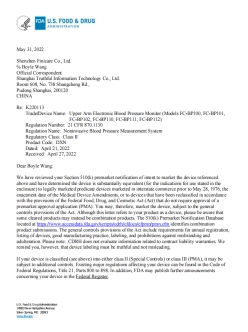
The FDA classifies these devices as Class II medical devices under product code FLL (21 CFR 880.2910). In June 2025, the FDA issued a final rule exempting certain Class II clinical electronic thermometers from premarket notification (510(k)) requirements, provided they exclude telethermographic and continuous monitoring functions and meet validated performance standards under ISO 80601-2-56 and applicable ASTM specifications. This regulatory update reduced the compliance burden for standard devices while maintaining safety oversight for advanced technologies such as infrared thermometers with telethermographic functions.
A typical digital thermometer features a thermistor sensor housed in a metallic probe tip, a microprocessor that converts the sensor signal into a temperature reading, a digital display, memory storage for multiple readings, and audible or visual fever alerts. The device may support oral, rectal, or axillary measurement modes, with some models offering interchangeable probe covers for infection control. These features distinguish clinical devices from basic consumer thermometers that may lack calibration traceability, memory functions, or the accuracy specifications required for clinical use.
2. How Digital Thermometers Measure Body Temperature
All digital thermometers operate on the same fundamental principle: a thermistor sensor detects temperature changes by measuring variations in electrical resistance. As the sensor warms from contact with body tissue, its resistance changes in a predictable manner. The device microprocessor converts this resistance change into a temperature value using a calibration curve established during manufacturing.
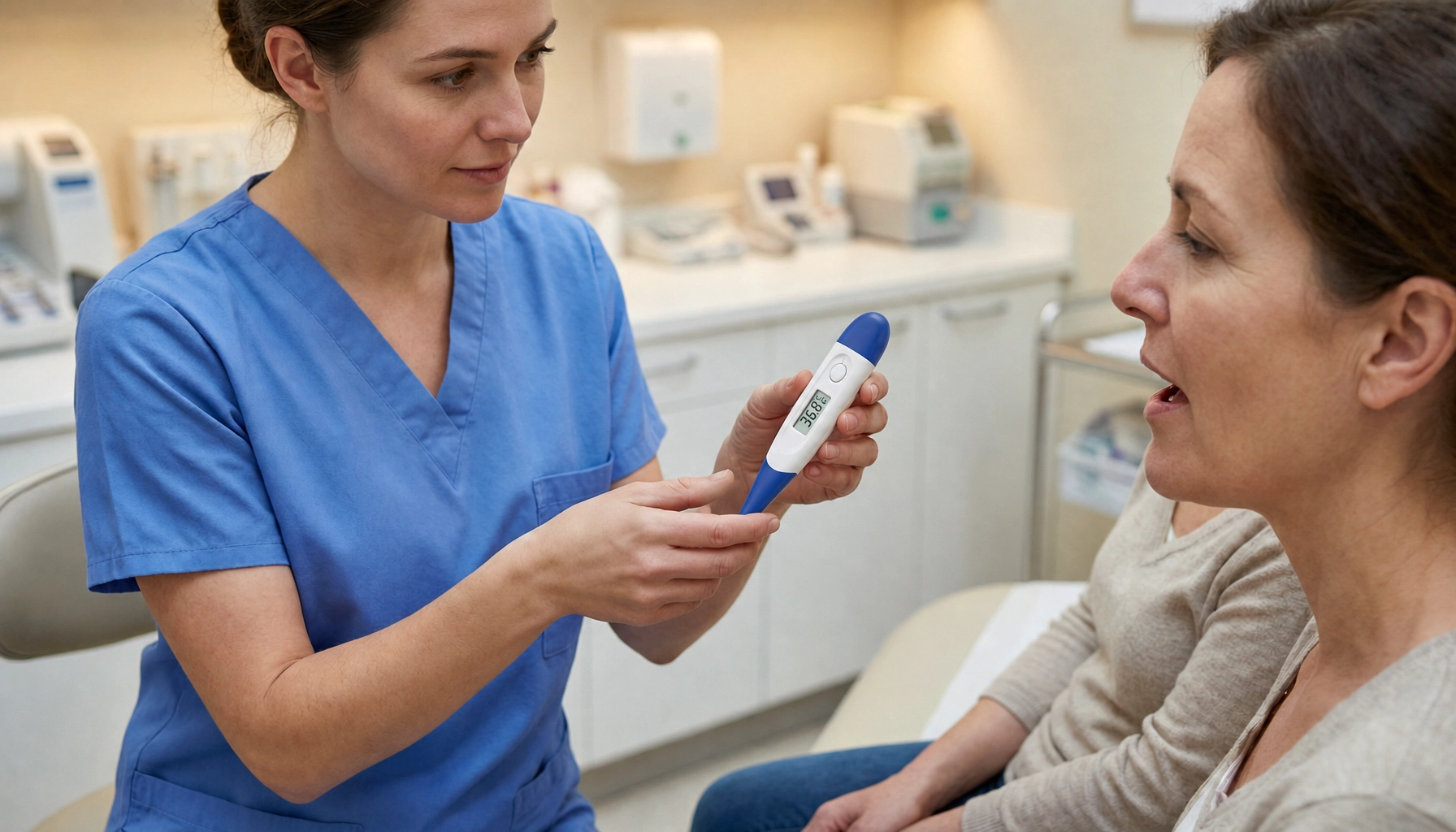
For oral measurement, the probe tip is placed under the tongue in the sublingual pocket, where the rich blood supply provides a close approximation of core body temperature. The patient closes their mouth around the probe, and the device records the temperature once the reading stabilizes, typically within 10 to 60 seconds depending on the model. Oral measurement is widely considered the standard clinical method for cooperative adult patients.
For rectal measurement, the probe is lubricated and gently inserted approximately one inch into the rectum. This method provides the closest approximation of true core body temperature and is considered the gold standard for infants and young children who cannot reliably hold an oral thermometer. Rectal readings typically run 0.5 to 1.0 degrees Fahrenheit higher than oral readings.
For axillary measurement, the probe tip is placed in the center of the armpit with the arm held firmly against the body. This method is less accurate than oral or rectal measurement, with readings typically 0.5 to 1.0 degrees Fahrenheit lower than oral temperature. Axillary measurement is useful for screening purposes but is not recommended when precise temperature determination is clinically necessary.
3. Types of Clinical Digital Thermometers: Oral, Rectal, Tympanic, and Temporal
The digital thermometer category encompasses several measurement technologies, each with distinct accuracy characteristics and clinical applications.
Oral digital thermometers represent the most widely used type, commanding approximately 42 percent of the global market revenue in 2026. These devices are versatile, cost-effective, and suitable for cooperative patients aged five years and older. When used correctly with proper sublingual placement and mouth closure, oral digital thermometers provide reliable readings within plus or minus 0.1 degrees Celsius of true oral temperature.
Rectal digital thermometers remain the clinical gold standard for infants and young children under three years of age. They provide the closest approximation of core body temperature and are essential in neonatal intensive care units, pediatric emergency departments, and veterinary settings. The primary limitations are patient discomfort and the need for probe cover replacement between uses.
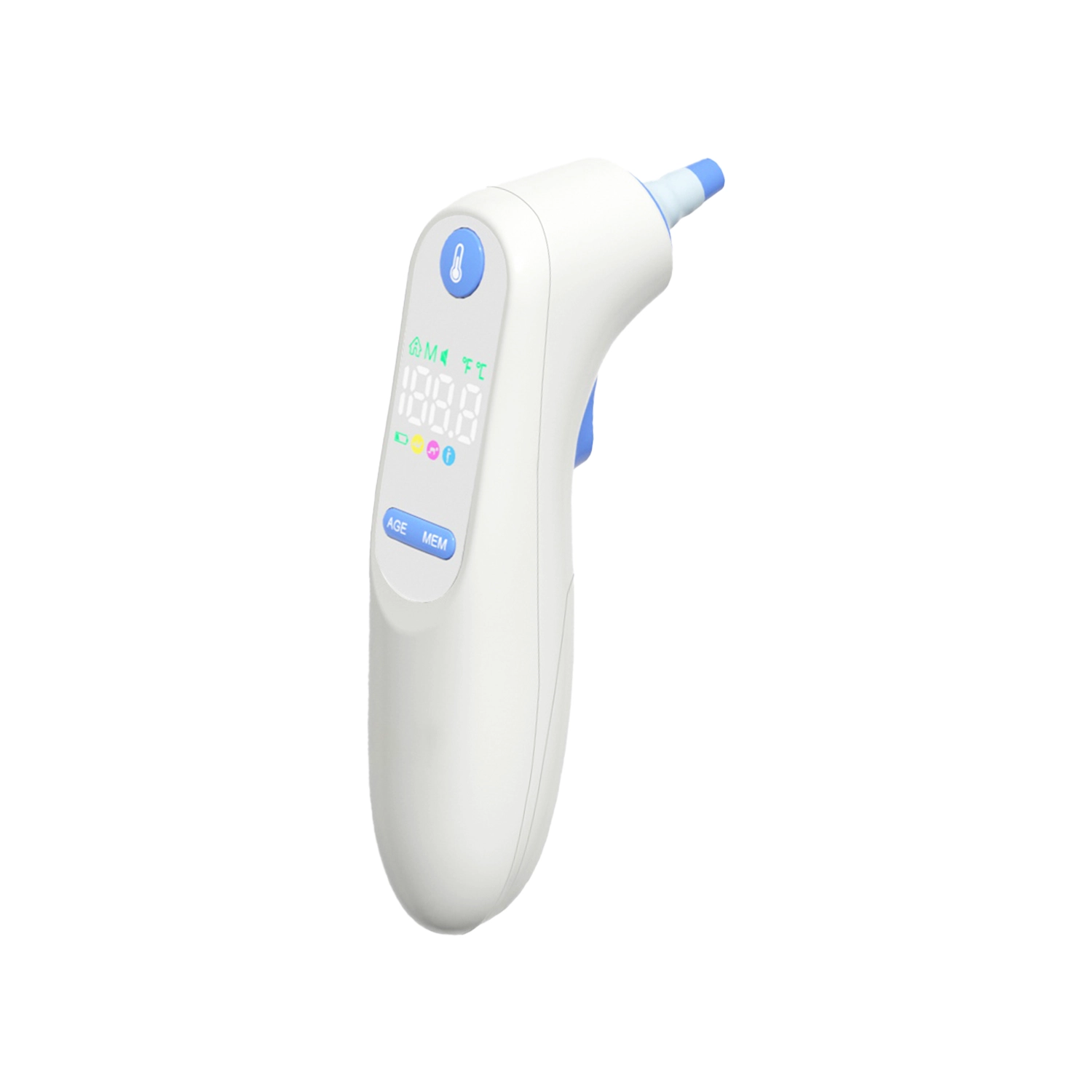
Tympanic (ear) digital thermometers use an infrared sensor to measure heat radiating from the eardrum. They are the fastest-growing product type, projected at 8.5 percent CAGR through 2033, driven by non-invasive, rapid, and hygienic design. A 2025 pediatric study published in Turkish Archives of Pediatrics found that tympanic thermometers showed the closest agreement with oral measurements, with a mean difference of only 0.1 degrees Celsius. However, earwax buildup and improper probe positioning can affect accuracy, and these devices are not recommended for infants under six months.
Temporal artery thermometers use an infrared sensor to scan the temporal artery across the forehead. A 2025 pediatric study found that temporal artery thermometers consistently overestimated oral temperature by a mean of 0.2 degrees Celsius. While convenient and non-invasive, their accuracy is affected by sweating, ambient temperature, and measurement technique.
4. Accuracy Comparison: What Pediatric Research Reveals
A cross-sectional study published in Turkish Archives of Pediatrics in 2025 by Savas and Bayhan provides one of the most rigorous comparisons of digital thermometer accuracy across multiple measurement methods. The researchers enrolled 104 pediatric patients aged 3 to 9 years and measured body temperature using four methods: non-contact cutaneous thermometer (NCCT), tympanic thermometer (TT), temporal artery thermometer (TAT), and electronic oral thermometer as the reference standard.
The results revealed significant differences between measurement methods. The NCCT underestimated oral temperature by a median of 0.4 degrees Celsius. The tympanic thermometer underestimated by 0.1 degrees Celsius, showing the closest agreement with the oral reference. The temporal artery thermometer overestimated oral temperature by 0.2 degrees Celsius. These differences were all statistically significant with p-values less than 0.001.
The study also established fever cut-off values for each device type using ROC analysis. For the NCCT, the optimal fever threshold was 37.4 degrees Celsius with 63.9 percent sensitivity and 100 percent specificity. For the tympanic thermometer, the threshold was 37.7 degrees Celsius with 83.3 percent sensitivity and 98.5 percent specificity. For the temporal artery thermometer, the threshold was 38.0 degrees Celsius with 91.7 percent sensitivity and 97.1 percent specificity.
These findings demonstrate that no single peripheral measurement method can perfectly replicate core body temperature. However, when the accuracy characteristics and appropriate fever thresholds of each thermometer type are well understood, clinicians can interpret readings more reliably and make better-informed decisions.
5. Regulatory Standards: FDA, ASTM E1112, and ISO 80601-2-56
Three layers of regulatory and technical standards govern electronic thermometers intended for medical use.
FDA regulatory framework. The FDA classifies clinical electronic thermometers as Class II medical devices. In June 2025, the FDA issued a final rule exempting certain Class II clinical electronic thermometers from 510(k) premarket notification requirements, provided they exclude telethermographic and continuous monitoring functions. Devices with advanced features such as Bluetooth connectivity, continuous temperature monitoring, or AI-powered analytics still require 510(k) clearance. This distinction is important for manufacturers and buyers: standard digital thermometers face reduced regulatory burden, while advanced devices must demonstrate substantial equivalence to predicate devices.
ASTM E1112-00. Published by ASTM International, this standard specifies performance requirements for electronic thermometers used for intermittent determination of patient temperature. It defines accuracy tolerances, response time requirements, environmental operating conditions, and calibration procedures. Compliance with ASTM E1112 ensures that a digital thermometer meets minimum performance criteria for clinical use.
ISO 80601-2-56 (2017). This internationally harmonized standard establishes particular requirements for basic safety and essential performance of clinical thermometers for body temperature measurement. It is referenced by regulatory bodies worldwide, including the FDA, and represents the most widely accepted benchmark for clinical thermometer performance. The standard requires laboratory accuracy testing against a reference standard, clinical validation with human subjects, and ongoing quality management system compliance.
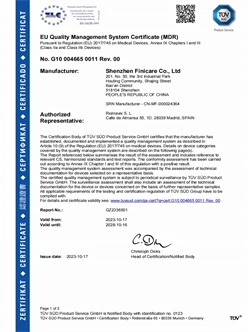
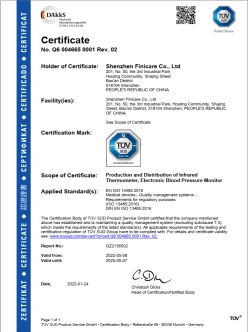
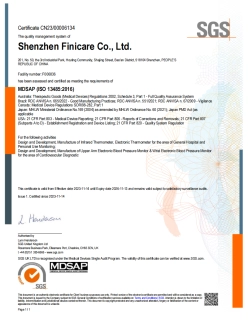
In addition to device-level standards, manufacturing quality management systems are critical. ISO 13485 certification ensures that the manufacturer maintains a quality management system specific to medical devices. The MDSAP (Medical Device Single Audit Program) enables a single audit to satisfy regulatory requirements for multiple jurisdictions including the United States, Canada, Australia, Brazil, and Japan.
6. The Clinical Digital Thermometer Market: Size, Growth, and Trends
The global clinical electronic thermometer market is projected to grow from US$ 1.7 billion in 2026 to US$ 2.9 billion by 2033, representing a compound annual growth rate of 8.1 percent. This growth is driven by increased investment in healthcare infrastructure, the ongoing shift from mercury thermometers to electronic devices, and heightened post-pandemic awareness of infection control.
Oral thermometers command approximately 42 percent of market revenue, while ear thermometers are the fastest-growing product type at 8.5 percent CAGR. Hospitals hold an estimated 55 percent of the market, driven by high patient volumes and regulatory requirements for precise, reliable thermometry. Home care settings are the fastest-growing end-user segment at 9 percent CAGR, fueled by telehealth adoption and consumer demand for self-monitoring tools.
Several industry developments highlight the market momentum. In December 2025, Smart Meter launched the first handheld cellular-connected thermometer capable of transmitting temperature data directly via cellular networks without requiring Bluetooth or Wi-Fi. In November 2025, the FDA cleared a new AI-powered thermometer that integrates temperature measurement with cardiac and pulmonary monitoring. In January 2026, Nextemp enhanced its single-use thermometer line with a smart tracking app for digital temperature data management.
North America leads the global market with an estimated 38 percent share, supported by advanced healthcare infrastructure and widespread telehealth adoption. Asia Pacific is the fastest-growing region at 9 percent CAGR through 2033, driven by expanding healthcare access, government initiatives, and rising smartphone penetration.
7. Finicare Clinical Digital Thermometer Technology
Finicare was established in 2017 and is a high-tech enterprise integrating research and development, manufacturing, and sales. Headquartered in Shenzhen, China, the company specializes in digital thermometers, infrared thermometers, blood pressure monitors, pulse oximeters, mesh nebulizers, and other home and clinical medical devices. Finicare products are exported to more than eighty countries across Europe, North America, the Middle East, and Southeast Asia.
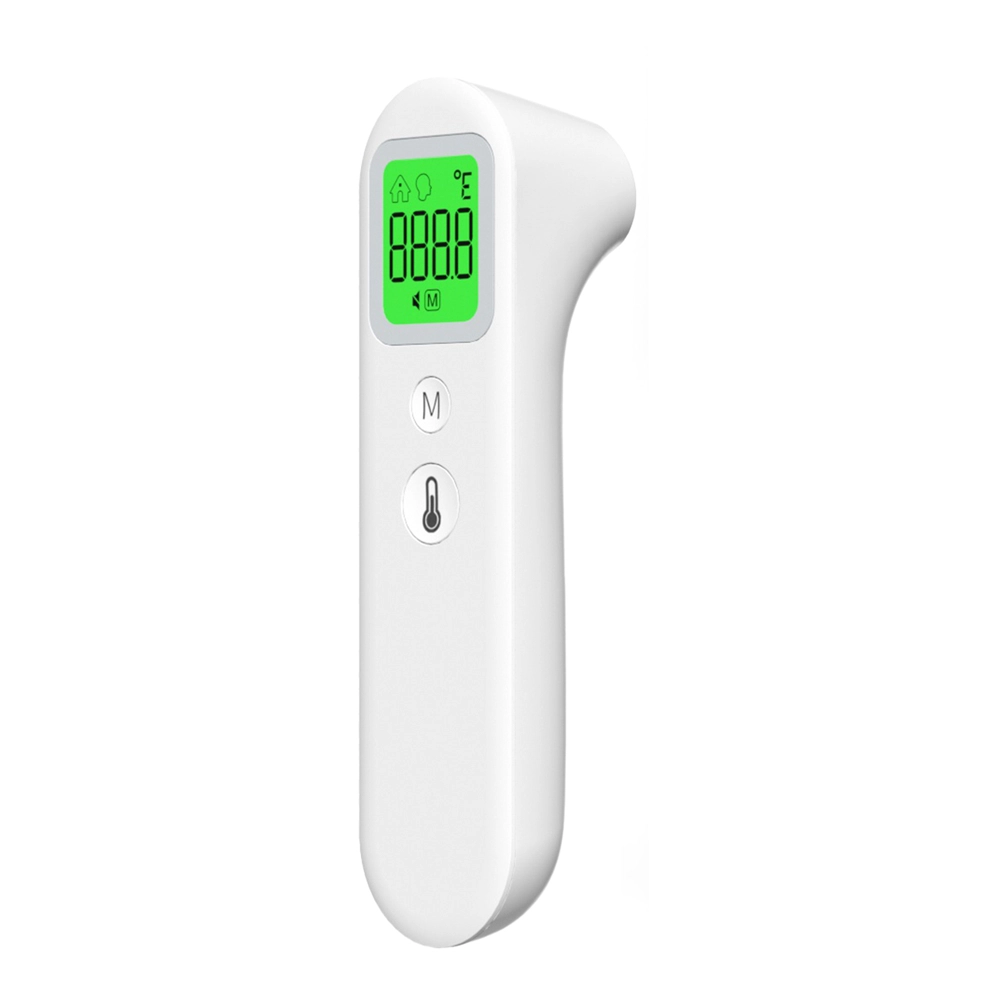
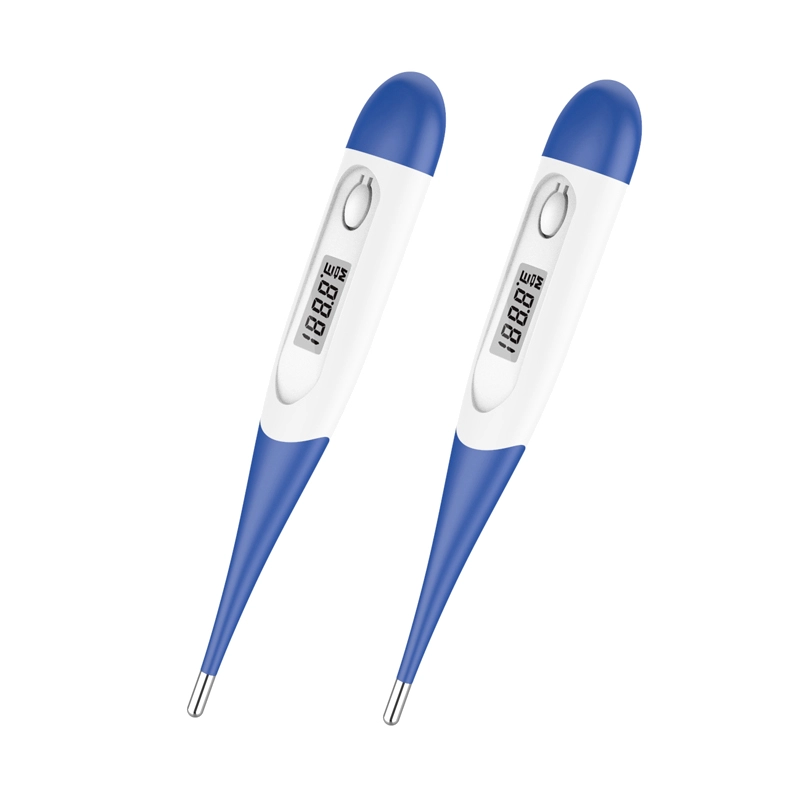
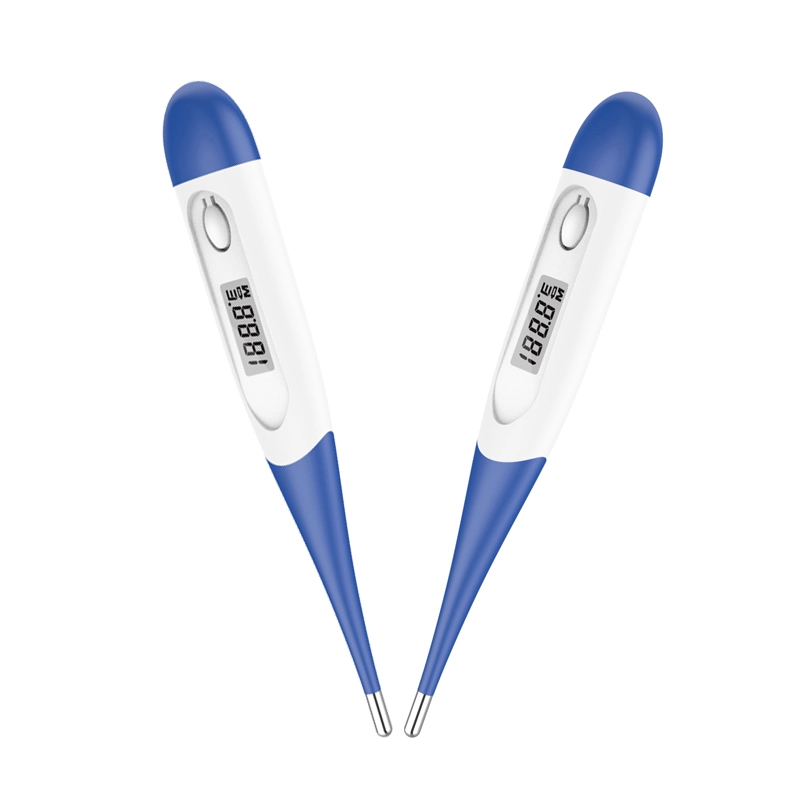
The Finicare TM130 is a clinical digital thermometer designed for oral, rectal, and axillary temperature measurement. It features a sleek two-tone design with a blue top cap and lower handle contrasting against a white central body. The small rectangular LCD display shows temperature readings in clearly visible digits with the degree Celsius indicator. A single round button provides intuitive one-touch operation for power and measurement initiation. The metallic silver probe tip is precision-engineered for accurate sensor contact with body tissue.
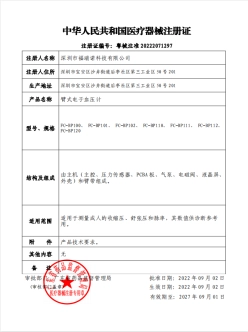
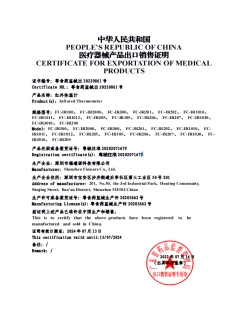
Every Finicare digital thermometer is manufactured under ISO 13485 quality management and carries FDA 510(k) clearance where applicable and CE MDR marking. The full certification portfolio includes FDA 510(k), CE (MDR), TGA, MDL, UKRP, NMPA, FSC, FCC, and RoHS. Factory systems are certified to ISO 13485, MDSAP, and BSCI standards. Each unit undergoes incoming inspection, in-process quality control, final testing, and outbound audit before shipment. For OEM and ODM partners, Finicare offers customization including multilingual displays, custom measurement ranges, and connectivity integration.
8. Best Practices for Accurate Temperature Measurement
Even the most accurate digital thermometer will produce unreliable readings if used incorrectly. Research evidence and regulatory guidance point to several critical best practices.
Oral measurement protocol. Wait at least 15 minutes after the patient has eaten, drunk hot or cold beverages, or smoked before taking an oral reading. Place the probe tip in the sublingual pocket beneath the tongue, instruct the patient to close their lips around the probe, and wait for the device to signal completion. Proper placement is essential; readings taken with the probe against the cheek or teeth will be inaccurate.
Rectal measurement protocol. Apply a water-soluble lubricant to the probe tip. For infants, insert approximately one-half inch. For children and adults, insert approximately one inch. Hold the device steady until the reading stabilizes. Replace probe covers between patients and disinfect the probe according to manufacturer instructions.
Axillary measurement protocol. Ensure the armpit is dry. Place the probe tip in the center of the armpit and hold the arm firmly against the body. This method provides screening-level accuracy but should not be used when precise temperature determination is clinically necessary.
Environmental considerations. Use the device in an environment with ambient temperature between 10 and 40 degrees Celsius. Allow the thermometer to acclimatize to the measurement environment for at least 15 minutes if it has been stored in significantly different conditions. Avoid measuring immediately after the patient has been in direct sunlight, a cold environment, or a hot bath.
Calibration and maintenance. Follow the manufacturer's recommended calibration schedule. Most digital thermometers maintain calibration for at least one year under normal use conditions, but periodic verification against a reference standard is recommended for devices used in critical care settings.
9. Special Populations: Pediatrics, Elderly, and Home Care
The clinical digital thermometer is particularly important for specific patient populations where measurement method selection directly impacts accuracy and patient comfort.
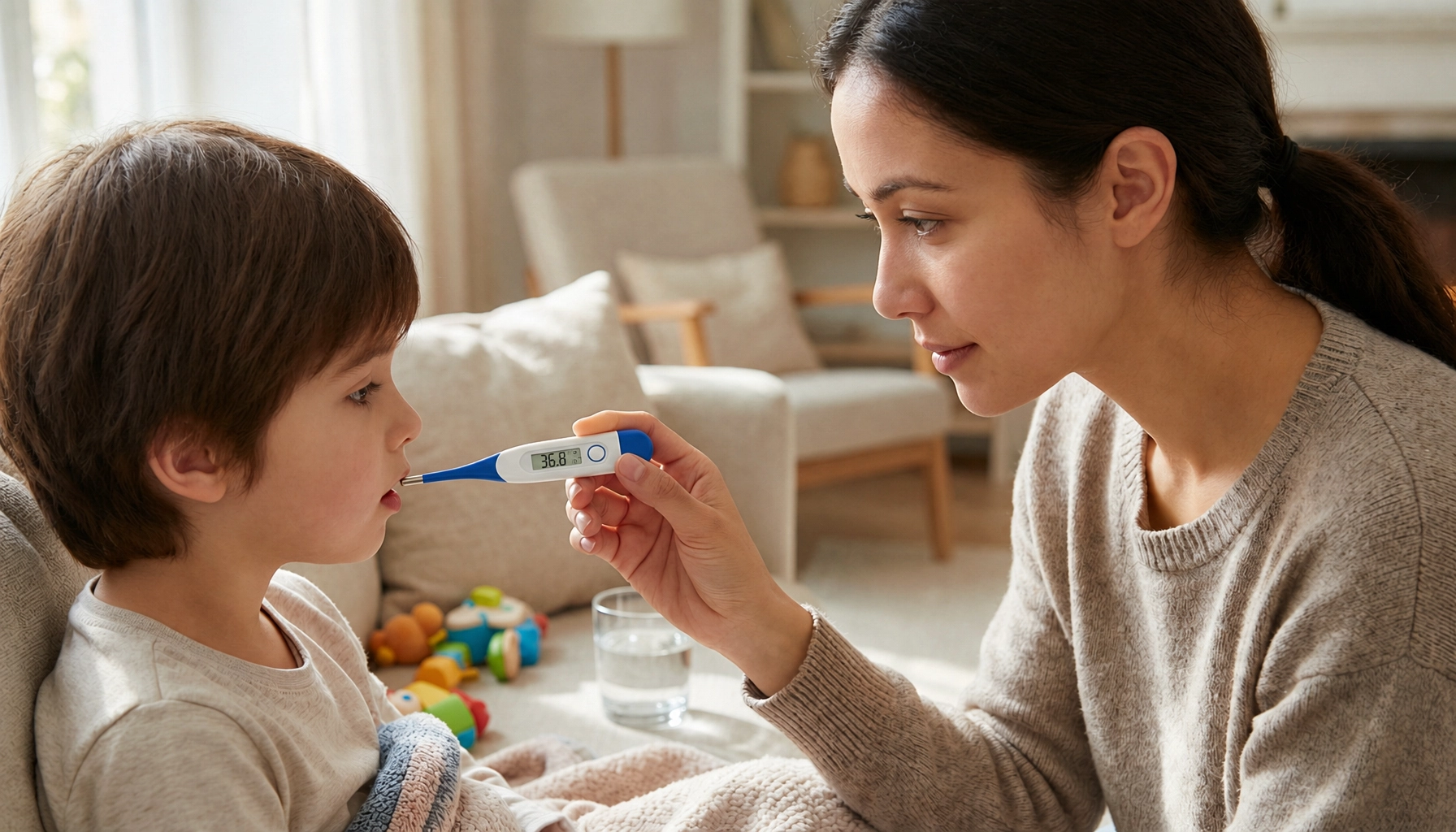
Pediatric patients. For infants under three years, rectal measurement with a digital thermometer remains the gold standard for accurate core body temperature assessment. For children aged three to nine years, the 2025 Turkish pediatric study found that tympanic thermometers provided the closest agreement with oral measurements, with a mean difference of only 0.1 degrees Celsius. For cooperative children over five years, oral measurement becomes feasible and reliable.
Elderly patients. Older adults may have reduced oral dexterity, cognitive impairment, or difficulty maintaining the closed-mouth position required for oral measurement. A digital thermometer with a flexible probe, large display, and audible completion signal can improve compliance and accuracy in this population. Axillary measurement may be appropriate for screening when oral measurement is not feasible.
Home care and telehealth. The digital thermometer market for home care is growing at 9 percent CAGR, driven by telehealth adoption and remote patient monitoring programs. Smart thermometers with Bluetooth or cellular connectivity enable real-time data transmission to healthcare providers, supporting chronic disease management and hospital-at-home programs. The Smart Meter cellular thermometer launched in December 2025 exemplifies this trend, transmitting temperature data without requiring Wi-Fi or smartphone pairing.
10. Choosing the Right Clinical Digital Thermometer: A Checklist
When evaluating a digital thermometer for purchase, consider the following criteria.
Regulatory clearance. Confirm FDA compliance or equivalent local regulatory approval. Verify that the device meets ASTM E1112 and ISO 80601-2-56 accuracy requirements. For devices with advanced features such as Bluetooth connectivity or continuous monitoring, confirm 510(k) clearance.
Accuracy specifications. Verify the stated accuracy tolerance, typically plus or minus 0.1 to 0.2 degrees Celsius for oral measurement. Published clinical validation studies provide the strongest evidence of real-world performance. The Songklanagarind Hospital study demonstrated that only 14 percent of devices tested met the strictest accuracy tolerance.
Measurement speed. A clinical digital thermometer should deliver readings within 10 to 60 seconds for oral measurement and under 10 seconds for tympanic devices. Faster response times improve patient compliance and clinical workflow efficiency.
Display readability. A large LCD or LED display with clearly visible digits is essential in clinical environments and for elderly users. Backlit displays improve visibility in low-light settings such as nighttime home measurements.
Memory and tracking. Look for devices that store at least 10 to 30 readings for trend tracking. Digital connectivity with smartphone apps or electronic health record systems enables longitudinal temperature monitoring and data sharing with healthcare providers.
Probe cover compatibility. For clinical settings where infection control is critical, verify that disposable probe covers are readily available and compatible with the device. Some clinical digital thermometers are designed for single-patient use with dedicated probe covers, while others support multi-patient use with cover replacement between measurements.
Build quality and durability. The device must withstand daily use in demanding clinical environments. Check for certifications including ISO 13485 manufacturing quality. A clinical digital thermometer should feel solid, well-constructed, and designed for thousands of measurement cycles.
Battery life and power management. Long battery life reduces maintenance frequency and ensures device availability. Auto-shutoff features conserve power, while low-battery indicators prevent inaccurate readings caused by insufficient power.
Summary
A clinical digital thermometer is a medical-grade electronic device that measures body temperature using a thermistor sensor and provides a digital readout suitable for clinical decision-making. The Songklanagarind Hospital accuracy study found that only 14 percent of devices tested met the strictest accuracy tolerance of plus or minus 0.2 degrees Celsius, highlighting the critical importance of choosing a clinically validated device.
The 2025 Turkish pediatric study demonstrated that tympanic thermometers showed the closest agreement with oral measurements (0.1 degrees Celsius difference), while non-contact cutaneous thermometers underestimated by 0.4 degrees Celsius and temporal artery thermometers overestimated by 0.2 degrees Celsius. The global clinical electronic thermometer market is projected to grow from US$ 1.7 billion in 2026 to US$ 2.9 billion by 2033, driven by healthcare infrastructure investment, mercury thermometer phase-out, and telehealth adoption.
When selecting a clinical digital thermometer, prioritize FDA compliance, ASTM E1112 and ISO 80601-2-56 accuracy standards, measurement speed, display readability, and manufacturing quality certifications including ISO 13485. The Finicare TM130 exemplifies these standards with its blue-and-white ergonomic design, LCD display, one-touch operation, metallic silver probe tip, and support for oral, rectal, and axillary measurement modes. By selecting a clinically validated digital thermometer and following evidence-based measurement protocols, healthcare providers and families can ensure accurate temperature readings that support better clinical decisions.
References
1. Samae M, et al. "An Accuracy Study of Contact and Non-Contact Clinical Thermometers at Songklanagarind Hospital, Thailand." Journal of Health Science and Medical Research, 2024. https://www.jhsmr.org/index.php/jhsmr/article/view/1136
2. Persistence Market Research. "Clinical Electronic Thermometer Market Size, Share and Growth Forecast, 2026-2033." February 2026. https://www.persistencemarketresearch.com/market-research/clinical-electronic-thermometer-market.asp
3. Savas IK, Bayhan GI. "What is the Difference Between the Different Types of Thermometers?" Turkish Archives of Pediatrics, 2025;60(1):78-83. https://pmc.ncbi.nlm.nih.gov/articles/PMC11736856/
4. ASTM International. "ASTM E1112-00: Standard Specification for Electronic Thermometers for Intermittent Determination of Patient Temperature."
5. International Organization for Standardization. "ISO 80601-2-56:2017: Medical electrical equipment — Particular requirements for basic safety and essential performance of clinical thermometers."