


Pulse Oximeter Wholesale: A Complete Buyer's Guide to Suppliers, Pricing, and Compliance
Preface
Pulse oximetry moved from hospital corridors into millions of homes during the COVID-19 pandemic, and demand never returned to its pre-2020 baseline. Distributors, pharmacy chains, clinic groups, home-care agencies, and e-commerce sellers now stock fingertip oximeters as a standard item, yet the wholesale side of this market remains poorly documented. Buyers routinely face the same questions: which specifications actually matter, which certifications are mandatory in each market, why quotations for visually identical devices differ by a factor of three, and how to separate genuine manufacturers from trading companies repackaging other people's products.
This guide addresses those questions directly. It explains how the pulse oximeter wholesale channel works, what 2026 market data implies for inventory planning, how to read a specification sheet, which regulations apply in the United States and Europe, how pricing is structured, and how to audit a supplier before placing a purchase order. It is written for importers, medical distributors, procurement managers, retail buyers, and brand owners who need a repeatable evaluation method rather than marketing claims. The framework follows the same discipline used by professional sourcing teams: verify documents, test samples, audit the factory, then scale.
Table of Contents
- 1. Pulse Oximeter Wholesale Explained: Products, Buyers, and Channels
- 2. Market Outlook: Why Demand Keeps Growing
- 3. Fingertip Pulse Oximeter Specifications That Matter
- 4. Regulatory Requirements: FDA, CE, and Accuracy Standards
- 5. Wholesale Pricing: What Determines Your Landed Cost
- 6. How to Evaluate a Pulse Oximeter Wholesale Supplier
- 7. OEM, ODM, and Private Label Programs
- 8. Finicare YM201: A Verifiable Wholesale Partner
- 9. Ordering, Logistics, and After-Sales Support
Summary
References
SEO Keywords
1. Pulse Oximeter Wholesale Explained: Products, Buyers, and Channels
Pulse oximeter wholesale is the business of buying SpO2 monitoring devices in bulk from manufacturers and reselling them through distribution, retail, clinical, or e-commerce channels. The category covers four hardware formats. Fingertip oximeters dominate volume because they are inexpensive, portable, and simple to use. Handheld units with reusable or disposable probes serve clinics and emergency settings. Wrist-worn and wearable oximeters target continuous monitoring and sleep applications. Desktop and bedside monitors belong to hospital procurement and follow a separate, far more regulated sales cycle.
The buyer side is equally varied. National distributors purchase container loads and break them down for regional resellers. Pharmacy chains and supermarket health aisles buy retail-ready packs with local-language manuals and packaging. Clinic groups and nursing agencies order moderate volumes with clinical documentation requirements. Amazon and marketplace sellers need private-label programs, barcodes, and fast replenishment. Humanitarian organizations and government tenders demand formal certification files and traceability documentation before a single unit ships.
Each channel imposes different expectations on a pulse oximeter wholesale program. A retail buyer cares about packaging appeal, battery life, and return rates. A clinical buyer cares about accuracy validation, probe quality, and alarm behavior. A tender buyer cares about regulatory registration and audit trails. A supplier that serves all three well is rare, which is why matching the supplier's strengths to your channel matters as much as comparing quotations. The most expensive mistake in this market is buying a retail-grade device for a clinical account, or paying clinical prices for units destined for a supermarket shelf.
2. Market Outlook: Why Demand Keeps Growing
Market research published for 2026 gives wholesale buyers a useful planning baseline. Grand View Research values the global pulse oximeter market at approximately 4.2 billion US dollars in 2026, growing to 6.1 billion dollars by 2033 at a compound annual growth rate of 5.4 percent. Coherent Market Insights applies a broader definition and reports 4.59 billion dollars for 2026, reaching 8.02 billion by 2033 at 8.3 percent annual growth. The difference between the two estimates reflects scope, not contradiction: both describe a market expanding at a healthy mid-to-high single-digit rate with no sign of saturation.
Geography shapes sourcing strategy. North America accounts for roughly 39 percent of global revenue, the largest single regional share, and its buyers tend to require FDA clearance and mature quality documentation. Asia Pacific is the fastest-growing region, driven by aging populations, rising respiratory disease burden, and expanding home-care infrastructure. Europe sits between the two, with MDR compliance as the entry ticket. For a wholesale buyer, this means demand growth is broad rather than confined to one market, and a supplier with multi-market certifications can support expansion without re-qualification.
Two structural drivers deserve attention in inventory planning. First, home monitoring has become habitual: households that bought an oximeter during the pandemic continue replacing and upgrading devices, and telehealth providers increasingly ask patients to report SpO2 readings remotely. Second, wearable and smart oximetry is pulling the category toward app connectivity and continuous measurement, gradually raising the feature floor of even entry-level wholesale programs. Buyers who lock in suppliers capable of Bluetooth integration and firmware updates today avoid a costly re-sourcing cycle later.
3. Fingertip Pulse Oximeter Specifications That Matter
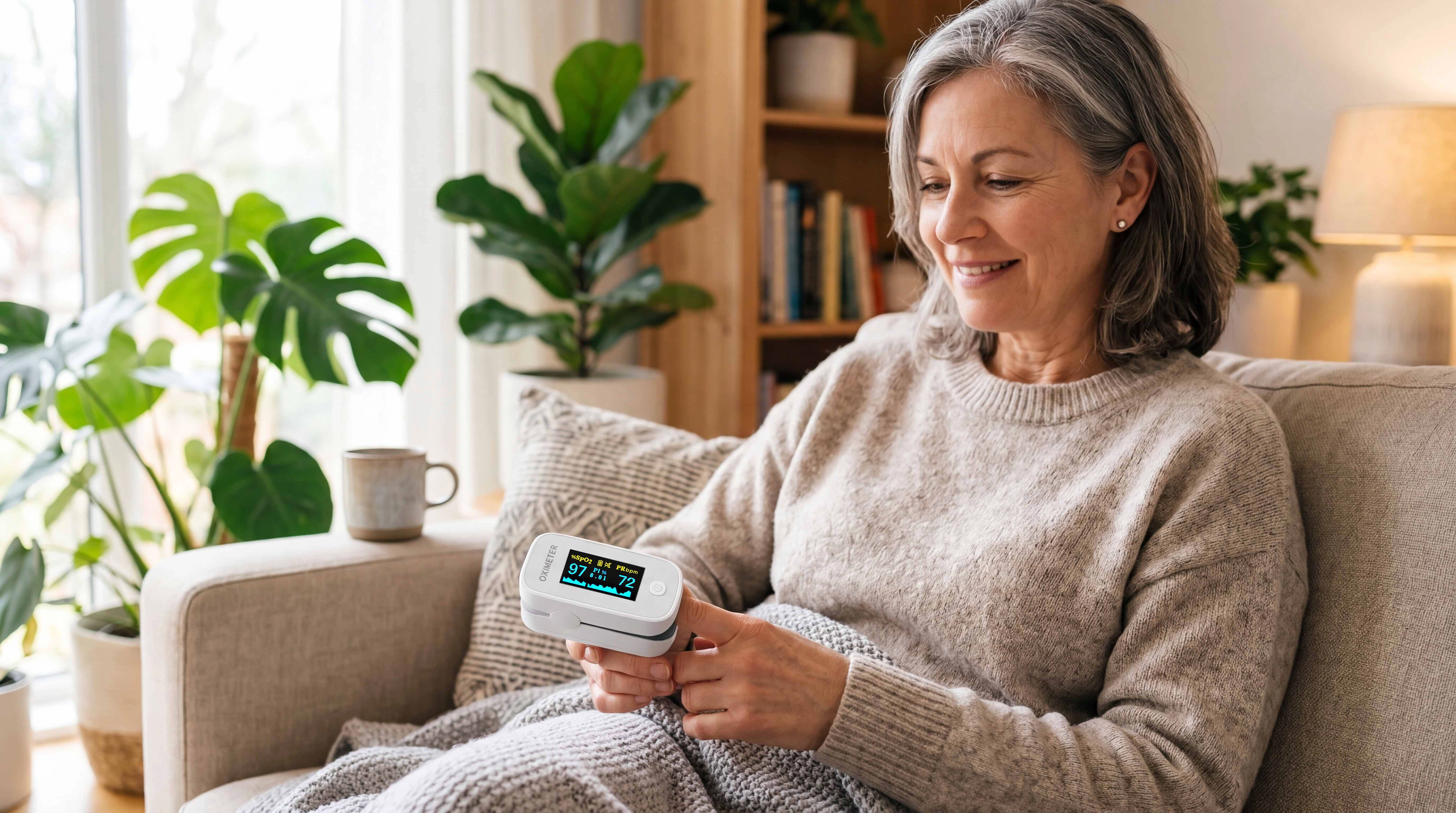
YM201 fingertip pulse oximeter monitoring SpO2 at home
A specification sheet for a fingertip oximeter can look impressive while saying almost nothing useful. The following parameters separate devices that perform from devices that merely list numbers.
SpO2 accuracy and range define clinical usefulness. A credible device declares an accuracy of plus or minus 2 percent for the 80 to 100 percent saturation range and plus or minus 3 percent for the 70 to 79 percent range, measured against arterial blood gas reference values under controlled conditions. Vague claims such as "high accuracy" without a declared standard and test method are a warning sign, and professional sourcing guidance explicitly advises distributors to reject them.
Pulse rate accuracy, typically plus or minus 2 beats per minute, and perfusion index reporting distinguish better devices from commodity units. The perfusion index indicates signal strength at the measurement site and helps users recognize unreliable readings caused by cold hands or poor circulation. A plethysmographic waveform display adds visual confirmation of signal quality.
Display technology affects both usability and cost. OLED panels offer high contrast and wide viewing angles, while TFT and LED displays cost less but wash out in bright light. Battery type, runtime, auto power-off behavior, low-battery indication, and drop resistance determine real-world satisfaction more than most buyers expect. For connected products, Bluetooth protocol, companion app quality, and data export format matter as much as the sensor itself.
Finally, documentation is a specification. Manuals in the destination language, packaging artwork, barcodes, and a declared standard such as ISO 80601-2-61 belong in the quotation, not in a promise issued after the deposit arrives. A wholesale program that cannot show these details on paper is not ready for professional distribution.
4. Regulatory Requirements: FDA, CE, and Accuracy Standards
Regulation is where inexperienced wholesale buyers lose the most money, because non-compliant inventory cannot be sold, relabeled, or returned across borders without cost.
In the United States, fingertip pulse oximeters are Class II medical devices requiring 510(k) premarket notification, and the manufacturer's establishment must be registered with the FDA. Buyers can verify both facts for free in public FDA databases: search the 510(k) database for the clearance number and the establishment registration database for the factory address. A supplier that cannot provide a 510(k) number for the exact model being quoted has either not cleared the device or is selling a different product than the one described.
In Europe, pulse oximeters fall under the Medical Device Regulation and require conformity assessment with a notified body, a CE mark, a declaration of conformity, and registration in the relevant national or EU databases. Electrical safety under IEC 60601-1 and performance under ISO 80601-2-61 are the technical standards auditors expect to see in the test file.
Accuracy regulation is tightening. In January 2025 the FDA issued draft guidance recommending that manufacturers gather clinical performance data from study populations with diverse skin tones, increase the number of participants, and report results using standardized skin tone scales. The guidance responds to evidence that some oximeters perform less accurately on darker skin. Wholesale buyers should ask suppliers how their devices were validated and whether the study population met current expectations, because devices cleared under older assumptions may face pressure as the guidance matures. A supplier with current, well-documented clinical validation is a safer long-term pulse oximeter wholesale partner than one relying on legacy paperwork.
5. Wholesale Pricing: What Determines Your Landed Cost
Quotations for visually similar fingertip oximeters can range from a few dollars to more than twenty dollars per unit at the factory gate, and the gap is explained by specification, certification, and manufacturing discipline rather than arbitrary margins. Buyers who compare only the headline unit price are comparing different products.
Basic LED-display models with minimal documentation sit at the bottom of the range. OLED models with waveform display, perfusion index, and better battery management cost more. Bluetooth-enabled devices with companion apps raise the price again, and models carrying FDA clearance or MDR certification command a premium that reflects real testing and quality-system costs. Custom colors, private-label packaging, and multilingual manuals add per-unit and one-time charges.
Volume and payment terms shape the final number. Most factories set minimum order quantities between 500 and 2,000 units for standard models and higher thresholds for custom tooling. Payment is often split between deposit and balance against shipping documents, and buyers should confirm Incoterms, packaging costs, and certification document fees before comparing offers.
Landed cost, not unit price, is the number that matters. Add freight, insurance, duties, customs clearance, and the expected cost of returns and warranty claims. A supplier whose failure rate is twice the industry norm erases any unit-price advantage within a single season, and a certificate that cannot survive customs scrutiny can strand an entire shipment. Professional buyers also evaluate the total cost of the supply relationship over twelve to twenty-four months, including reorder stability, lead-time consistency, and the engineering support required when regulations change.
6. How to Evaluate a Pulse Oximeter Wholesale Supplier
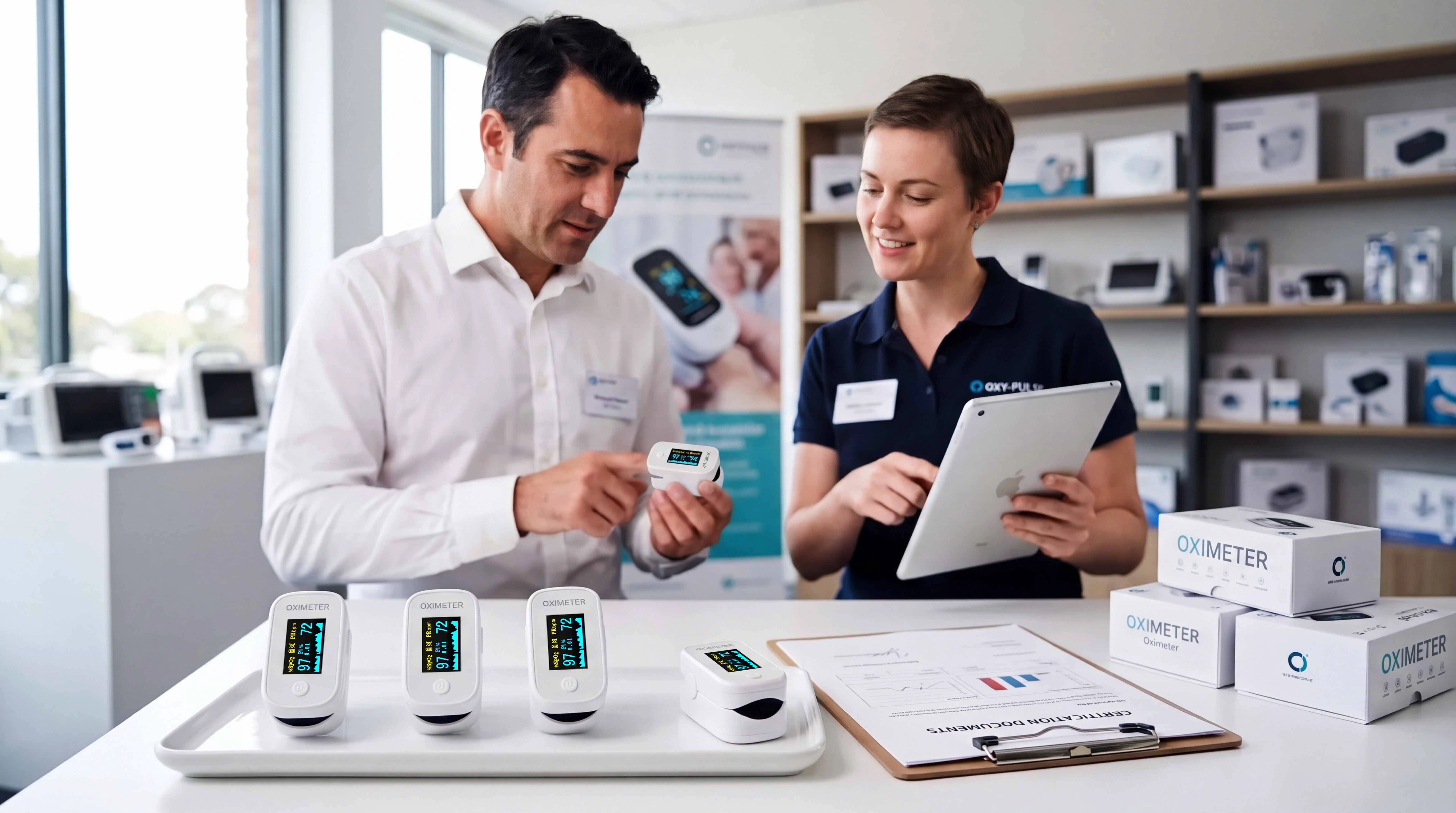
Wholesale buyers evaluating oximeter samples and certification documents
Supplier evaluation follows the same logic as any medical device sourcing program, with a few category-specific checkpoints.
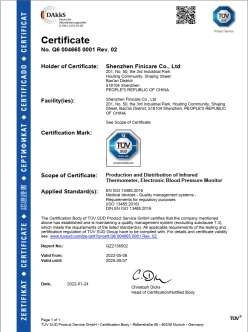
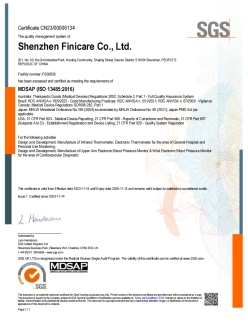
Start with legal and certification verification. Request the business license, the ISO 13485 certificate covering the exact product scope, the 510(k) clearance for the quoted model, and the CE certificate with the notified body number. Verify each document with its issuing body rather than accepting a PDF; falsified certificates remain one of the most common findings in first-time factory audits. Confirm that the manufacturing address matches the registered establishment, because undisclosed subcontracting breaks traceability.
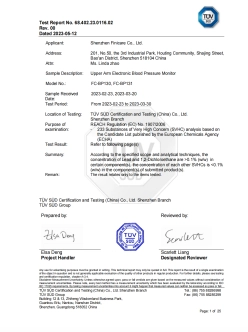
Next, evaluate samples with discipline. Test several units against a reference simulator or a calibrated clinical-grade device across the full saturation range, and compare repeatability across units from the same batch. Ask for traceable quality records: incoming material inspection, in-process test data, and final inspection reports for the batch you were quoted. Distributor-focused guidance in this category emphasizes model-specific documentation and consistent specifications over vague accuracy claims.
Then audit the factory, on site or through a third party. Confirm that calibration equipment is in active use with current calibration stickers, that test stations match the production volume, and that corrective action records exist and reference real complaints. Speak with production staff away from management and cross-check answers about shifts, subcontracting, and quality holds.
Finally, test responsiveness. Submit a technical question during the quotation stage, such as the validation method behind the declared SpO2 accuracy or the alarm behavior at low perfusion. Suppliers who answer with documentation are demonstrating the working style you will depend on after the order ships. Suppliers who answer with reassurance are showing you what post-sale support will feel like. Quietly impressive answers are worth more in a pulse oximeter wholesale program than a discount of a few cents.
7. OEM, ODM, and Private Label Programs
Most wholesale buyers eventually want their own brand, and understanding the three available models prevents expensive confusion.
OEM means the buyer supplies a design or specification and the factory manufactures it. ODM means the factory owns the design and offers it for branding, with limited or extensive customization. Private label sits at the lighter end of ODM: the device remains the factory's design, while the logo, color, packaging, and manual are customized. The distinction matters for regulatory responsibility, because the entity named on the label and in the registration may change depending on the model.
Customization options typically include housing color, logo printing, retail packaging, multilingual manuals, firmware defaults such as alarm thresholds, and app branding for Bluetooth models. Tooling charges apply to custom housings, while artwork-based customization carries lower setup costs but higher minimum quantities. Lead times for private-label programs generally run from 25 to 45 days after artwork approval, with longer timelines for new tooling or firmware work.
Wholesale buyers should ask three questions before signing an ODM agreement. Who is the manufacturer of record for regulatory purposes? Which certificates transfer to the private-label version, and which require new registration? What happens to tooling, artwork files, and firmware source if the relationship ends? A serious pulse oximeter wholesale partner answers these in the contract, not in conversation. Brand owners who skip this step discover during their first customs inquiry that the certification they paid for does not name the product on the box.
8. Finicare YM201: A Verifiable Wholesale Partner
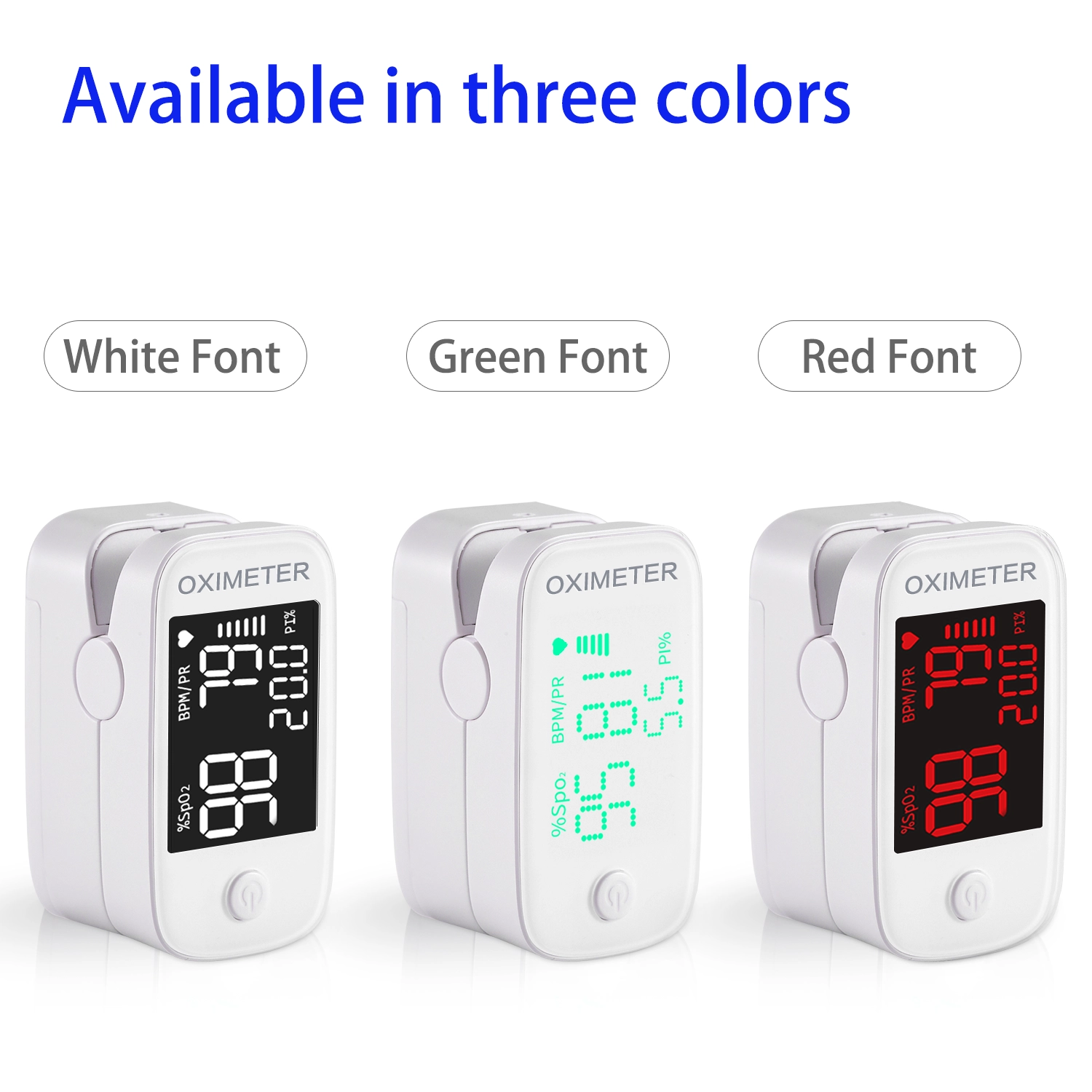
Finicare YM201 fingertip pulse oximeter
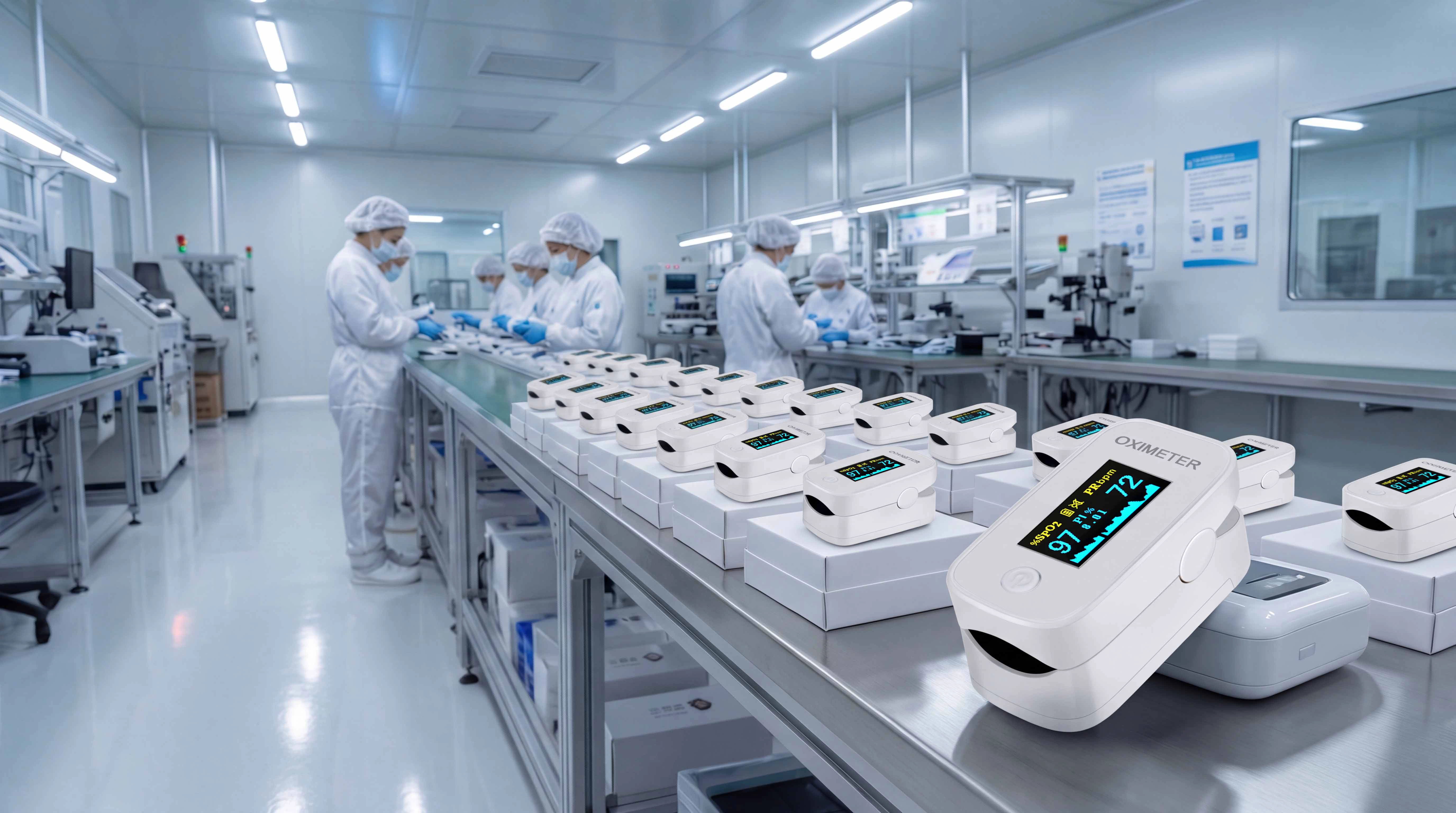
Cleanroom production line for fingertip pulse oximeters
Finicare, established in 2017 and integrating research and development, production, and sales, is a Shenzhen-based medical device manufacturer exporting to more than 80 countries. Its experience across thermometers, blood pressure monitors, nebulizers, and oximeters illustrates what a mature pulse oximeter wholesale program looks like when certification and manufacturing are handled as one system.
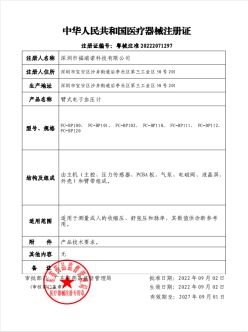
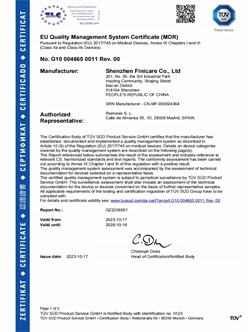
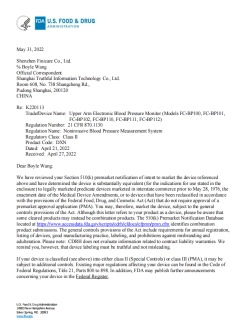
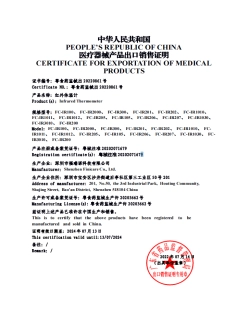
The certification file covers both product and factory. Products hold FDA 510(k), CE (MDR), TGA, MDL, UKRP, NMPA, FSC, FCC, and RoHS certifications. The factory operates under ISO 13485, with MDSAP recognition supporting audits across multiple regulatory jurisdictions and BSCI social compliance covering labor standards. Each document can be verified with its issuing body, and buyers are encouraged to do so before placing an order.
The YM201 fingertip pulse oximeter shows how the specification discussion translates into a product. It pairs a compact, rounded white housing with a black OLED screen that displays SpO2, pulse rate, perfusion index, and a plethysmographic waveform in high-contrast cyan digits, readable at a glance in low light. Operation is one-button: clip the finger, press once, and readings settle within seconds, with automatic power-off and low-battery indication protecting battery life. The soft silicone finger pad improves comfort during repeated measurements, a detail that matters for home users monitoring daily and for clinics measuring dozens of patients per shift.
For wholesale buyers, the YM201 program includes private-label packaging and manual customization, model-specific certification documentation, sample evaluation before commitment, and factory audit access. Finicare's position is that a wholesale relationship should begin with verification, so document packages and trial orders are treated as standard steps rather than special favors.
9. Ordering, Logistics, and After-Sales Support
The purchase order is where a good supplier evaluation becomes a durable supply relationship. Specify the exact model, revision, packaging version, and certification documents in the PO, and reference the approved golden sample. Agree on pre-shipment inspection with defined acceptance quality limits, and commission independent inspection for first orders even when the factory has its own QC team. The inspection report becomes the shared factual record if anything goes wrong later.
Incoterms and documentation deserve the same precision. Confirm whether terms are FOB, CIF, or DDP, who arranges insurance, and which documents ship with the goods: commercial invoice, packing list, certificate of origin, CE declaration of conformity, and FDA listing information where applicable. Air freight shortens replenishment cycles for launch orders, while sea freight remains the default for container volumes.
After-sales terms decide the profitability of year two. A twelve-month warranty is standard for fingertip oximeters; twenty-four months signals confidence. Clarify the process for DOA units, the spare-unit ratio included in each shipment, and response times for technical questions. Ask how the supplier handles post-market surveillance obligations, firmware updates for connected models, and regulatory changes such as the FDA accuracy guidance. Suppliers that monitor these developments protect your market access; suppliers that wait for customers to raise them transfer the risk to you.
Inventory planning closes the loop. Track sell-through by model and channel, keep safety stock sized to the supplier's real lead time rather than the promised one, and schedule reorders before Chinese New Year, when factory output slows for several weeks. A disciplined pulse oximeter wholesale operation is boring in the best sense: predictable replenishment, documented quality, and no surprises at customs.
Summary
Pulse oximeter wholesale rewards buyers who treat the category as a regulated medical device business rather than a consumer gadget trade. Market data for 2026 confirms steady growth, with estimates between 4.2 and 4.6 billion US dollars and compound annual growth in the 5 to 8 percent range, led by North America and accelerated by Asia Pacific. Demand is anchored in home monitoring, aging populations, and respiratory disease burden, while wearable and connected models gradually raise the feature baseline.
On the product side, insist on declared SpO2 accuracy of plus or minus 2 percent across the 80 to 100 percent range, pulse rate accuracy of plus or minus 2 bpm, perfusion index reporting, and documentation that includes ISO 80601-2-61 compliance. On the regulatory side, verify FDA 510(k) clearance and CE MDR certification directly with issuing bodies, and ask how the supplier's clinical validation addresses the FDA's 2025 draft guidance on diverse skin tones. On the commercial side, compare landed cost rather than unit price, confirm MOQs and Incoterms, and protect the relationship with pre-shipment inspection and clear after-sales terms.
Supplier selection still decides outcomes. Verify certificates, test samples, audit the factory, and evaluate how the supplier answers technical questions before the order exists. Finicare, established in 2017 and integrating R&D, production, and sales, manufactures certified home medical devices, including the YM201 fingertip pulse oximeter, exported to more than 80 countries, with product certifications including FDA 510(k), CE (MDR), TGA, MDL, UKRP, NMPA, FSC, FCC, and RoHS, and factory certifications including ISO 13485, MDSAP, and BSCI. A pulse oximeter wholesale partner that welcomes verification is the one worth keeping.
References
1. How Medical Distributors Select China Pulse Oximeter Suppliers - Ciliang Medical. https://www.cnciliang.com/news/how-medical-distributors-select-china-pulse-oximeter-suppliers/
2. Pulse Oximeter Market Size and YoY Growth Rate, 2026-2033 - Coherent Market Insights. https://www.coherentmarketinsights.com/market-insight/pulse-oximeter-market-467
3. Pulse Oximeter Market Size, Share and Analysis Report, 2026-2033 - Grand View Research. https://www.grandviewresearch.com/industry-analysis/pulse-oximeter-market
4. FDA Proposes Updated Recommendations to Help Improve Performance of Pulse Oximeters Across Skin Tones - U.S. Food and Drug Administration. https://www.fda.gov/news-events/press-announcements/fda-proposes-updated-recommendations-help-improve-performance-pulse-oximeters-across-skin-tones