













How to Choose a Reliable Home Medical Device Manufacturer in 2026: A Complete Buyer's Guide
Preface
The global home medical equipment market is undergoing a profound transformation. Valued at USD 29.74 billion in 2026 and projected to reach USD 50.82 billion by 2030, this sector is no longer a niche—it is a cornerstone of modern healthcare delivery. As chronic disease rates rise and aging populations expand worldwide, the demand for reliable, accurate, and affordable home diagnostic devices has never been greater.
For healthcare distributors, retailers, and B2B buyers, selecting the right home medical device manufacturers is one of the most consequential decisions in the supply chain. A manufacturer's quality certifications, production capabilities, R&D investment, and after-sales support directly determine the safety and performance of the devices that end users—patients, caregivers, and families—depend on every day.
This guide is intended for procurement managers, healthcare product importers, and OEM buyers who want a structured framework for evaluating and partnering with qualified home medical device manufacturers. Whether you are sourcing infrared thermometers, blood pressure monitors, or other diagnostic devices, this buyer's guide will equip you with the knowledge to make confident, informed decisions.
Table of Contents
- 1. Understanding the Home Medical Device Manufacturing Landscape in 2026
- 2. Key Certifications Every Manufacturer Must Hold
- 3. How to Evaluate OEM and ODM Capabilities
- 4. Quality Control Standards and Production Processes
- 5. Innovation and Technology: What Leading Manufacturers Are Investing In
- 6. Spotlight: Finicare FC-IR111 Infrared Thermometer and FC-BP127 Blood Pressure Monitor
- 7. How to Vet a Manufacturer Before Signing a Contract
- 8. Building a Long-Term Partnership with Your Manufacturer
- Summary
- SEO Keywords
1. Understanding the Home Medical Device Manufacturing Landscape in 2026
The home medical device manufacturing industry in 2026 is defined by three converging forces: regulatory tightening, technological acceleration, and shifting consumer expectations.
Regulatory bodies worldwide—including the U.S. FDA, European CE/MDR framework, and China's NMPA—have raised the bar for device approvals. Manufacturers that once relied on minimal documentation are now required to demonstrate full traceability, post-market surveillance, and clinical evidence. This regulatory evolution is filtering out low-quality producers and rewarding manufacturers with robust quality management systems.
At the same time, technology is reshaping what home medical devices can do. Artificial intelligence now enables virtual testing that reduces time-to-market by 30–50%. Cloud connectivity allows remote data synchronization. Miniaturization is making hospital-grade accuracy available in compact, consumer-friendly formats.
Asia Pacific, particularly China, remains the world's dominant manufacturing hub for home medical devices, with an annual growth rate of approximately 8%. However, the most competitive Chinese home medical device manufacturers are no longer competing solely on price—they are competing on quality, certifications, and innovation.
For B2B buyers, this landscape presents both opportunity and complexity. The good news: exceptional manufacturing partners exist. The challenge: identifying them requires a disciplined evaluation process.
2. Key Certifications Every Manufacturer Must Hold
Certifications are the most objective indicator of a manufacturer's commitment to quality and regulatory compliance. When evaluating home medical device manufacturers, require the following:
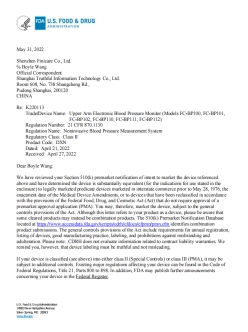
FDA 510(k) Clearance or Registration
For products destined for the U.S. market, FDA clearance or registration is non-negotiable. This applies to Class II devices including non-contact thermometers and automatic blood pressure monitors. Verify the manufacturer's FDA establishment registration number and device listing.
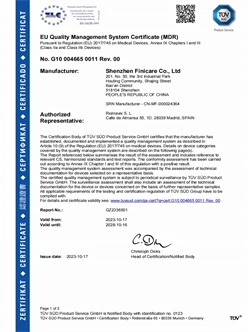
CE Marking under EU MDR 2017/745
The European Union Medical Device Regulation replaced the older MDD framework and imposes significantly stricter requirements. CE-marked devices under EU MDR demonstrate that the manufacturer has conducted rigorous clinical evaluation and maintains a post-market surveillance system.
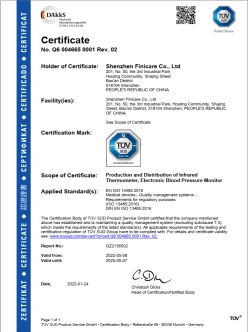
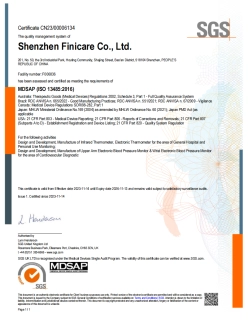
ISO 13485:2016 Certification
ISO 13485 is the international standard for medical device quality management systems. The 2026 updates to this standard place greater emphasis on risk management integration, software validation, and supply chain transparency. A manufacturer holding a current ISO 13485 certificate has demonstrated systematic quality control across all production processes.
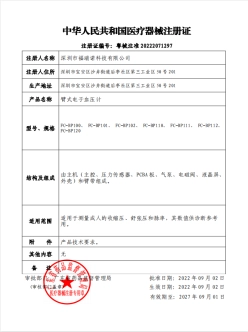
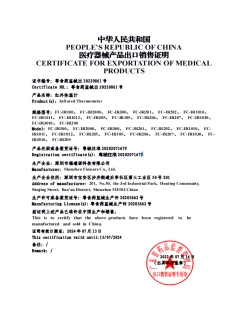
NMPA Registration (China)
For manufacturers based in China, National Medical Products Administration registration confirms compliance with domestic standards.
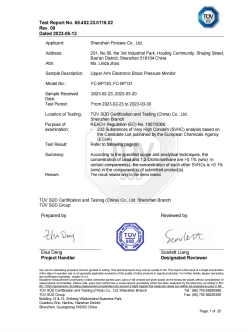
Additional Certifications: RoHS compliance, REACH compliance, KC mark (South Korea), TGA registration (Australia), and ANVISA (Brazil).
3. How to Evaluate OEM and ODM Capabilities
Most B2B buyers source through OEM (Original Equipment Manufacturer) or ODM (Original Design Manufacturer) arrangements. Understanding the difference and evaluating capabilities in each model is essential.
OEM Arrangements: The manufacturer produces devices to your specifications under your brand. Key evaluation criteria include minimum order quantities (MOQs), tooling and mold ownership terms, customization depth (housing color, label, packaging, firmware), and confidentiality agreements.
ODM Arrangements: The manufacturer provides an existing design that you can brand and sell. Evaluate the breadth of existing product portfolio, whether the manufacturer actively invests in product improvement, and exclusivity options for specific markets or channels.
Production Capacity and Lead Times: Request capacity documentation—monthly units, peak capacity, and how the manufacturer manages demand surges.
Supply Chain Resilience: Ask about key component sourcing—particularly sensors, microcontrollers, and display modules. Manufacturers with vertically integrated supply chains or pre-qualified alternative suppliers offer significantly lower disruption risk.
4. Quality Control Standards and Production Processes
A manufacturer's internal quality control processes are the foundation of product reliability.
Incoming Material Inspection (IQC): All components—sensors, circuit boards, housings, batteries—should undergo IQC with defined acceptance criteria.
In-Process Quality Control: At key production stages, statistical process control (SPC) should be applied. For thermometers, this includes sensor calibration verification at multiple checkpoints. For blood pressure monitors, this includes pressure sensor accuracy testing and algorithm validation.
Final Quality Control and Calibration: Every finished device should undergo 100% final testing. For infrared thermometers, this means black body calibration verification. For blood pressure monitors, this means oscillometric algorithm accuracy testing against clinical reference standards.
Traceability Systems: Each device should carry a unique serial number enabling full traceability to batch, component lot, and production date.
Environmental and Reliability Testing: Devices should undergo drop testing, temperature cycling, humidity exposure, and EMC testing.
5. Innovation and Technology: What Leading Manufacturers Are Investing In
In 2026, the most competitive home medical device manufacturers are defined by their R&D investment and technology roadmap.
AI-Assisted Diagnostics: Leading manufacturers are integrating AI algorithms that analyze measurement trends over time, flagging anomalies and providing early health warnings.
Connectivity and Data Integration: Bluetooth and Wi-Fi enabled devices that sync with smartphone apps and cloud health platforms are now a consumer expectation.
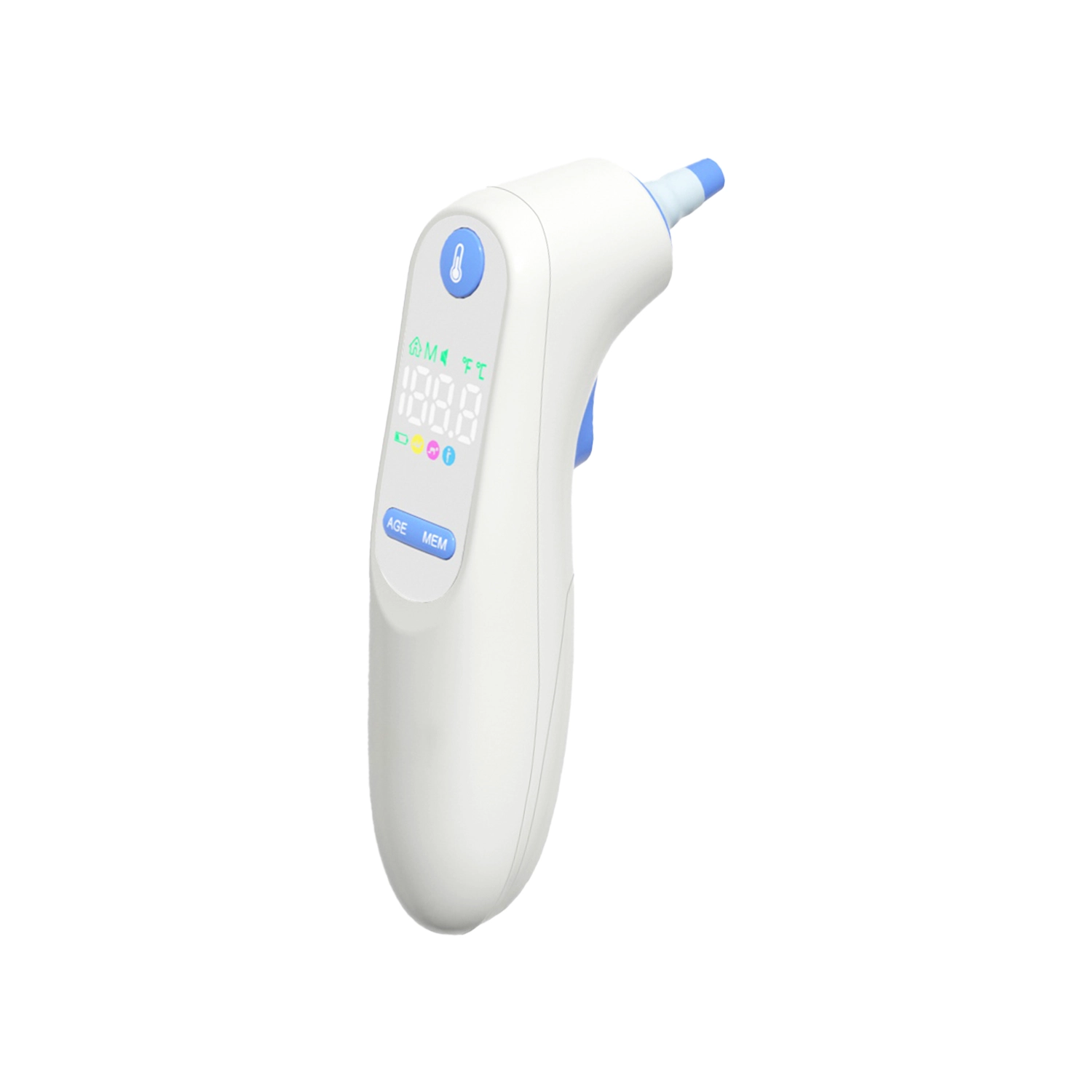
Multi-Function Capability: Device convergence is accelerating. The FC-IR111, for example, functions as both a non-contact forehead thermometer and an ear thermometer, with additional capability to measure room temperature, food temperature, and liquid temperature.
User Experience Design: Human factors engineering—designing for ease of use across age groups including elderly users and those with limited dexterity—is now a core design requirement. Large backlit displays, one-button operation, and voice feedback features directly impact user adoption and safety.
Sustainable Manufacturing: Leading manufacturers are designing for disassembly, using recyclable materials, and measuring and reducing their production carbon footprint.
6. Spotlight: Finicare FC-IR111 Infrared Thermometer and FC-BP127 Blood Pressure Monitor
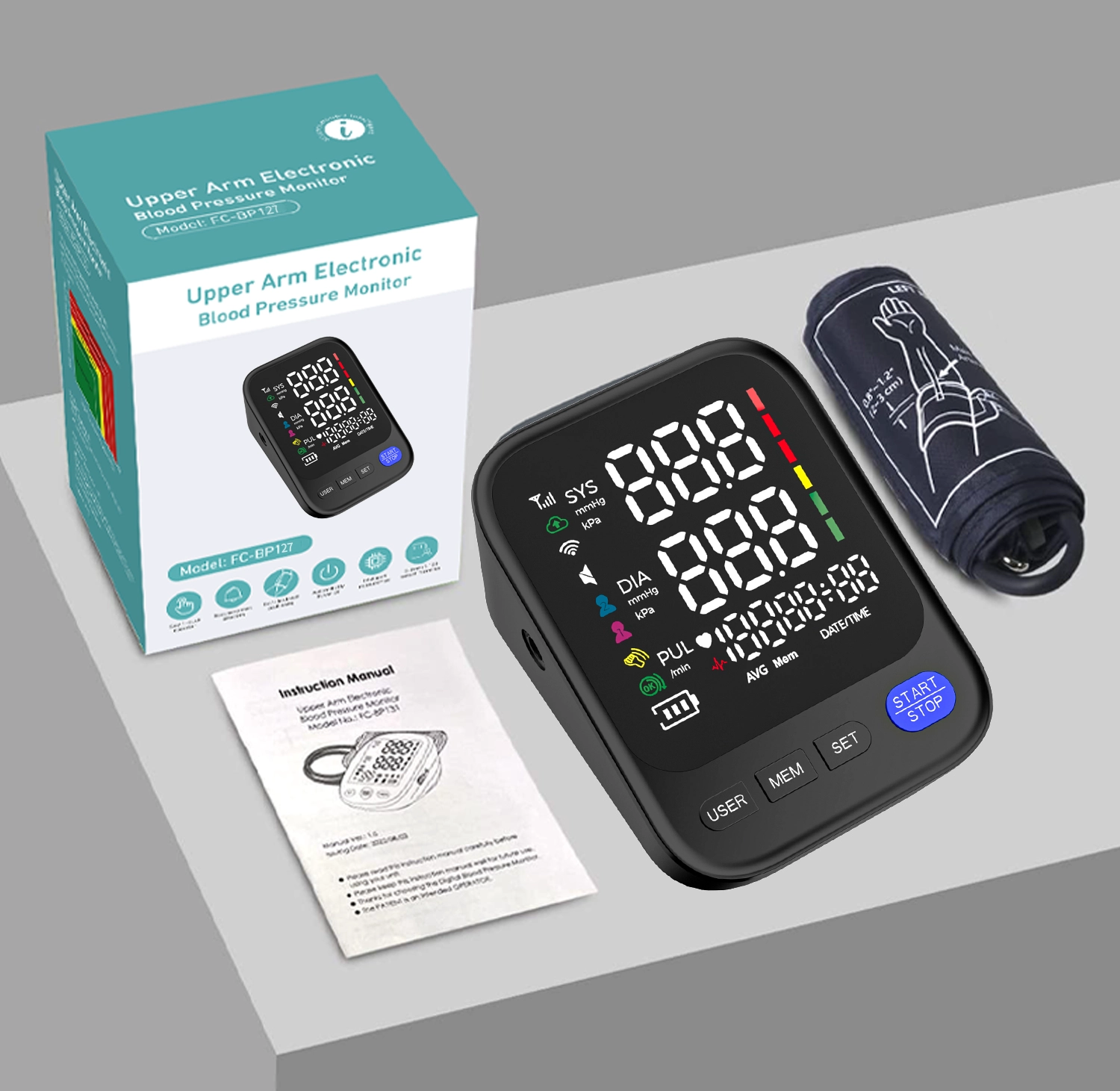
Shenzhen Finicare Co., Ltd. exemplifies the profile of a mature, internationally qualified home medical device manufacturer. The company's FC-IR111 and FC-BP127 represent the current generation of connected, multi-functional home diagnostic devices.
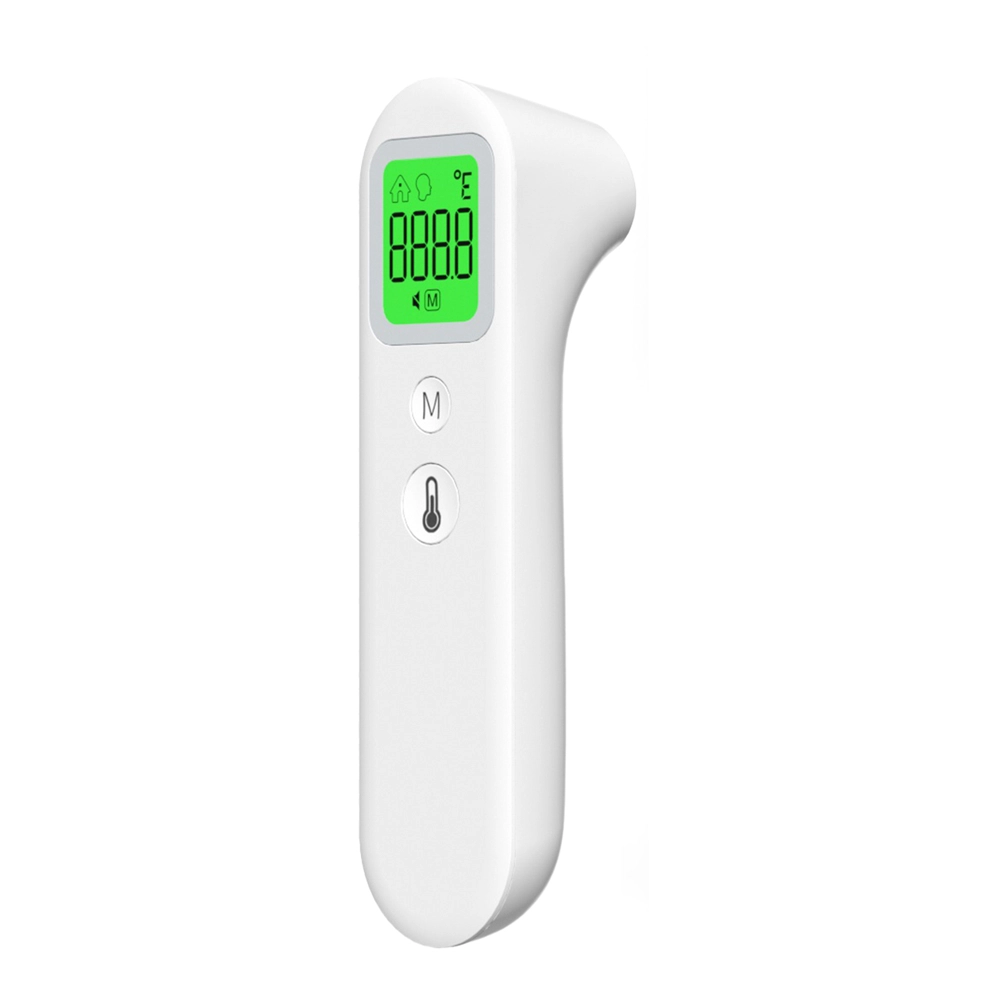
FC-IR111 Multi-Function Infrared Thermometer
The FC-IR111 is a dual-mode infrared thermometer capable of forehead and ear temperature measurement:
• Non-contact forehead measurement within 1–3 cm distance
• Ear canal measurement using clinical-grade infrared sensor
• Multi-object measurement: body, room, food, liquid temperature modes
• Large green backlit LCD display for easy reading in low-light conditions
• AGE mode: separate temperature reference ranges for infants, children, and adults
• MEM function: stores up to 32 previous readings for trend tracking
• 1-second measurement time with audible beep confirmation
• FDA-registered, CE-certified, compliant with ASTM E1965 and EN 12470-5
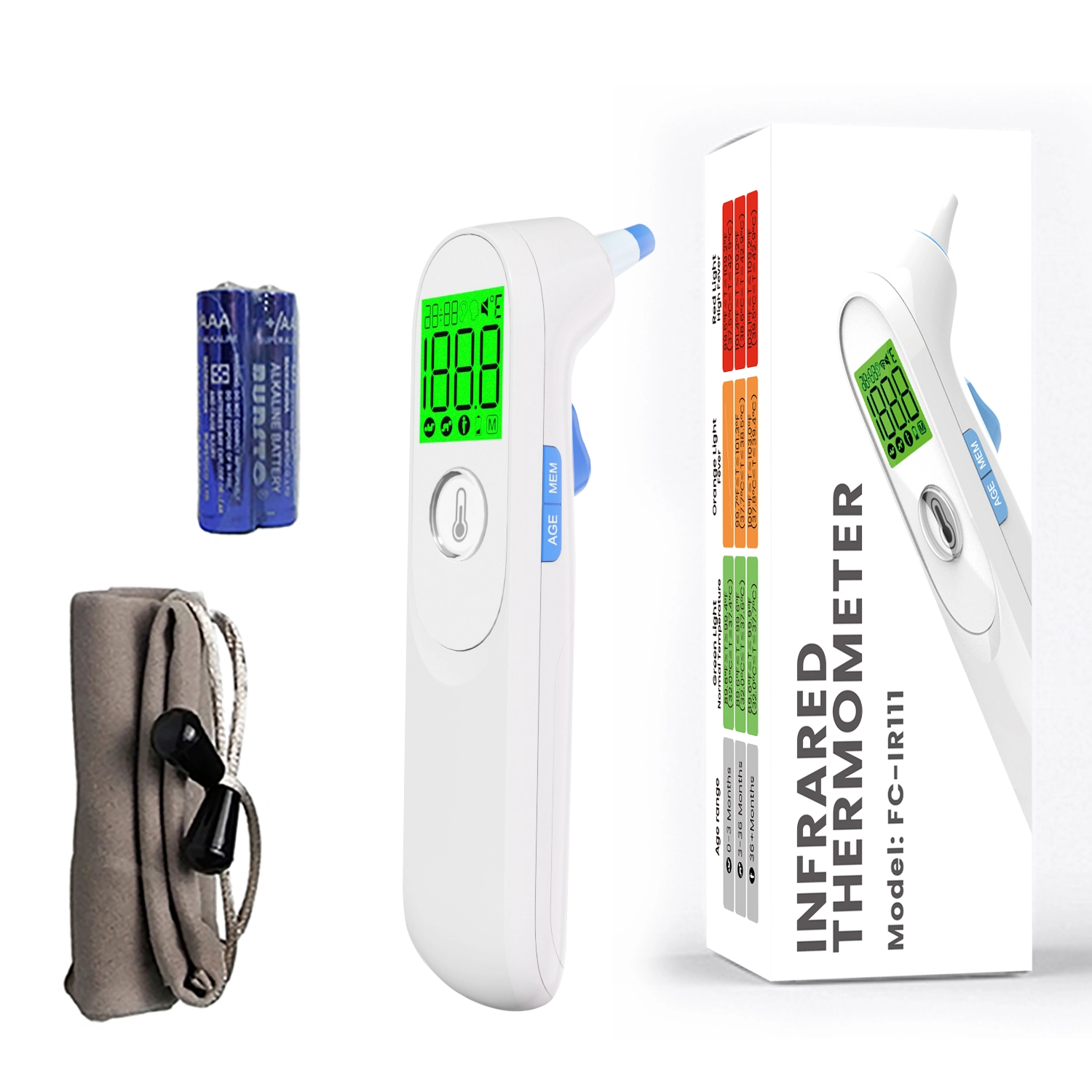
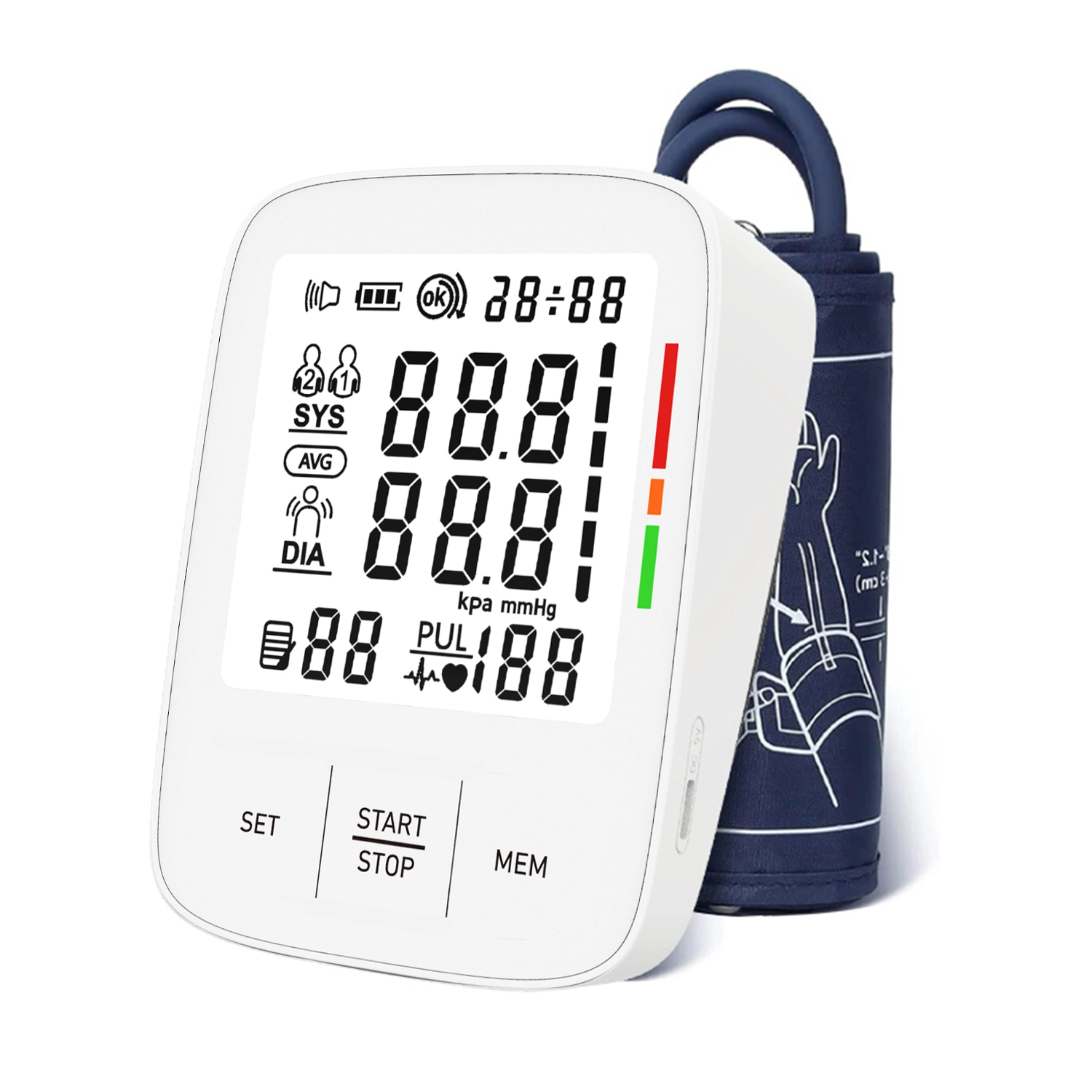
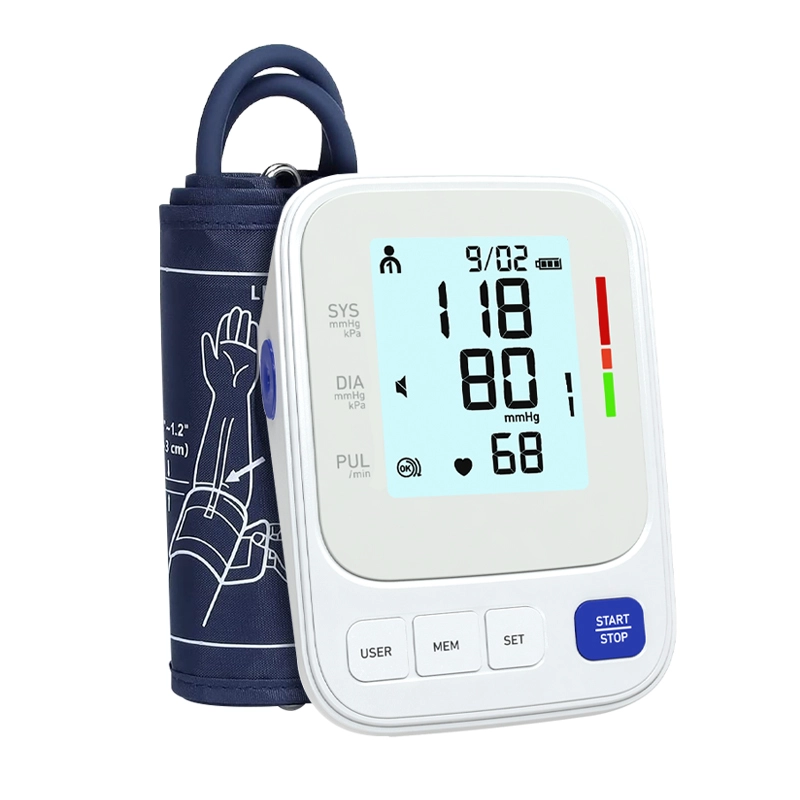
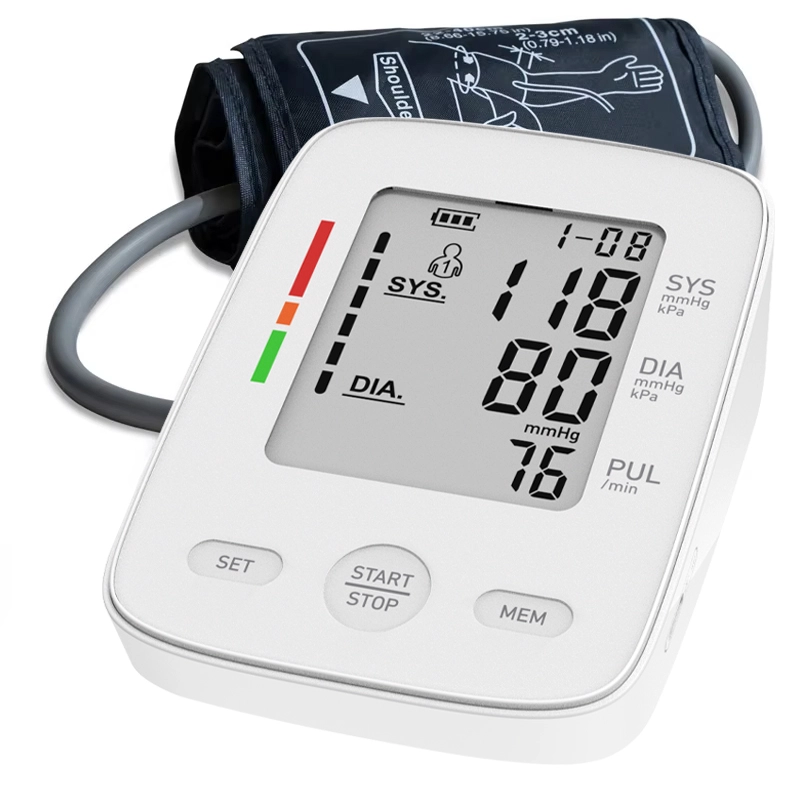
FC-BP127 Automatic Blood Pressure Monitor
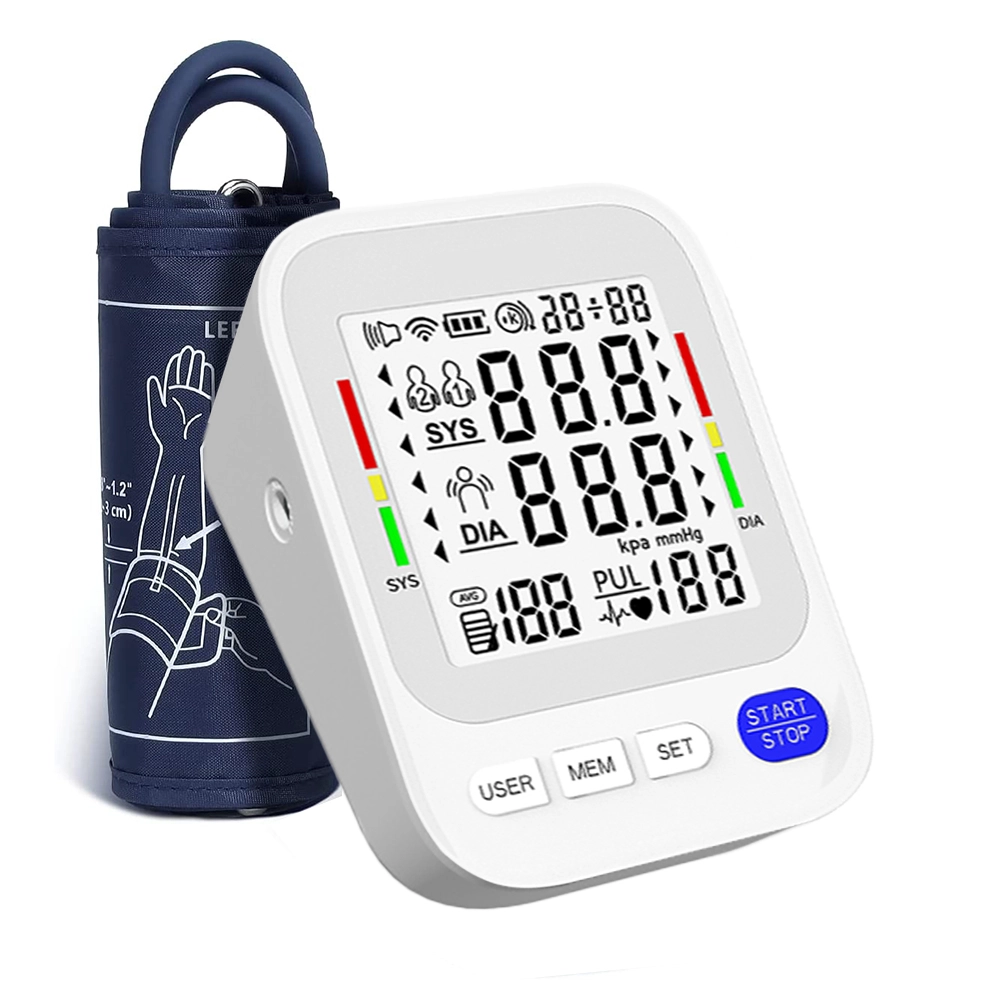
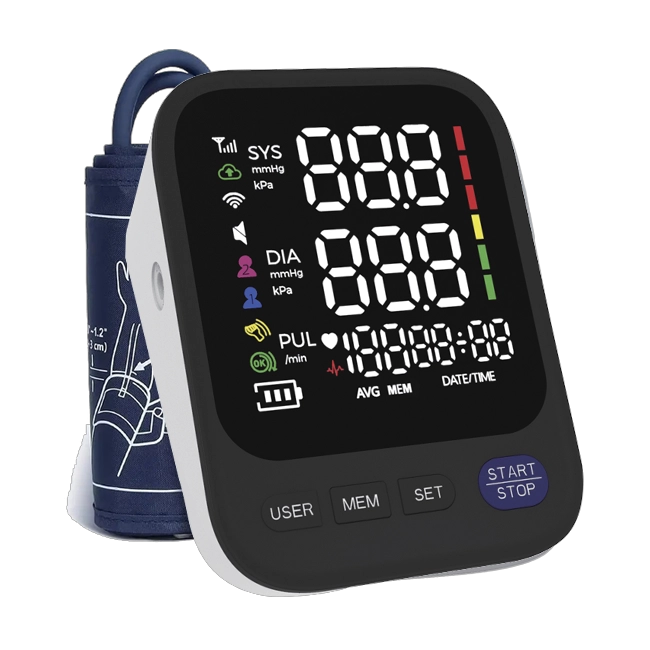
The FC-BP127 is an upper-arm automatic blood pressure monitor engineered for home cardiovascular monitoring:
• Fully automatic oscillometric measurement method
• Measurement range: systolic 0–280 mmHg, diastolic 0–200 mmHg
• Pulse rate measurement: 40–200 bpm
• Irregular heartbeat detection indicator
• Large dual-user memory: 60 readings per user (2 users)
• Average mode: calculates average of last 3 readings for clinical accuracy
• USB charging or battery operation
• FDA 510(k) cleared, CE marked, validated against ESH clinical protocol
7. How to Vet a Manufacturer Before Signing a Contract
Before committing to a manufacturing partnership, conduct systematic due diligence:
Step 1: Document Review
Request and verify: business license, ISO 13485 certificate (check expiry date), FDA registration, CE certificates with notified body details, and product test reports from accredited third-party labs.
Step 2: Factory Audit
Conduct either an in-person audit or commission a third-party audit firm (SGS, Bureau Veritas, Intertek). Key audit areas: production floor organization, quality lab equipment, calibration records, and employee training documentation.
Step 3: Sample Evaluation
Request production samples—not pre-production prototypes. Test accuracy against reference standards. Evaluate build quality, display clarity, and battery life.
Step 4: Reference Checks
Request references from existing B2B customers in your target market.
Step 5: Contractual Protections
Ensure your contract includes: quality specifications with acceptance criteria, non-disclosure and IP protection clauses, penalty provisions for delivery failures, and post-market surveillance cooperation.
8. Building a Long-Term Partnership with Your Manufacturer
The most successful B2B relationships with home medical device manufacturers extend beyond transactional purchasing. Strategic partnership elements include:
Joint Product Development: Work with your manufacturer's R&D team to develop market-specific product variations. Manufacturers that allocate dedicated engineering resources to OEM partners are significantly more valuable long-term.
Shared Market Intelligence: Provide your manufacturer with end-user feedback, market trend data, and competitive intelligence. This enables product improvements that benefit both parties.
Capacity Planning Collaboration: Share 6–12 month demand forecasts. Manufacturers can allocate production capacity, pre-purchase long-lead components, and optimize tooling utilization.
Quality Improvement Programs: Establish regular quality review meetings. Track defect rates, customer return data, and field performance metrics.
Regulatory Updates: The medical device regulatory landscape evolves continuously. A proactive manufacturer will notify you of upcoming regulatory changes affecting your products.
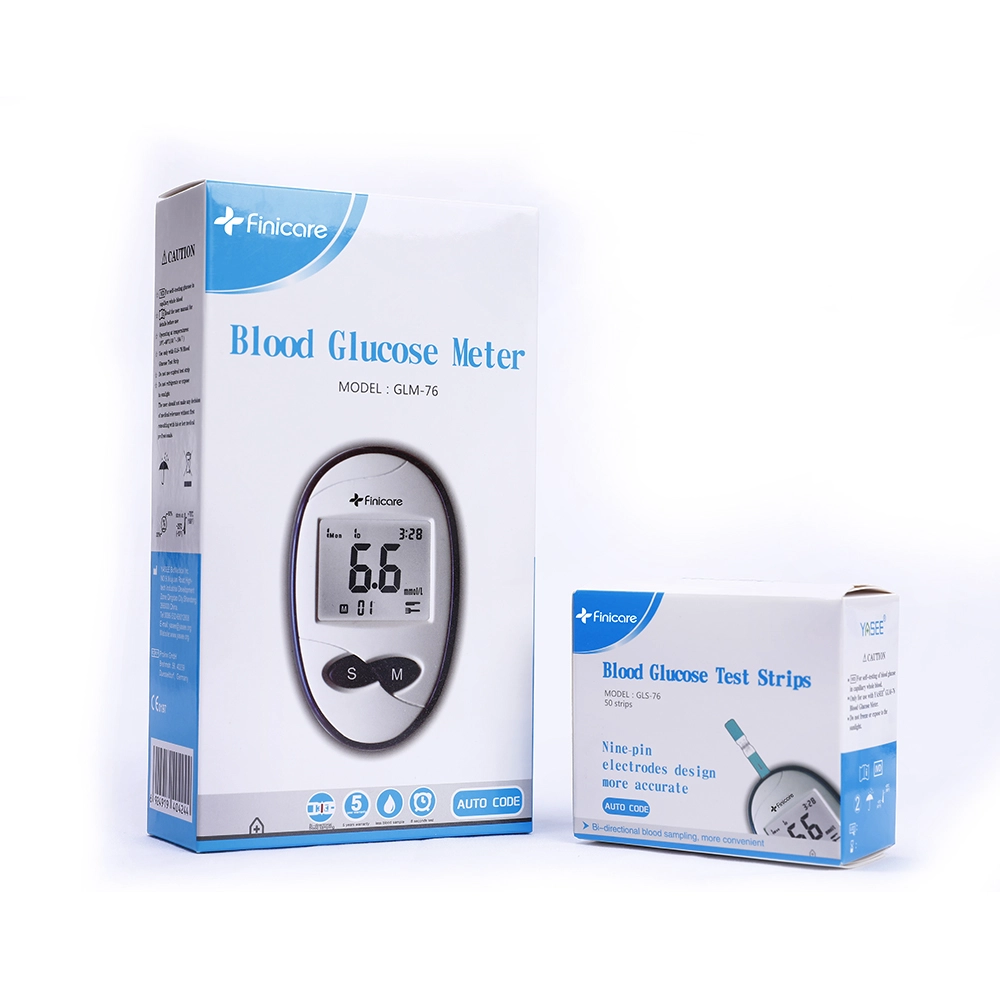
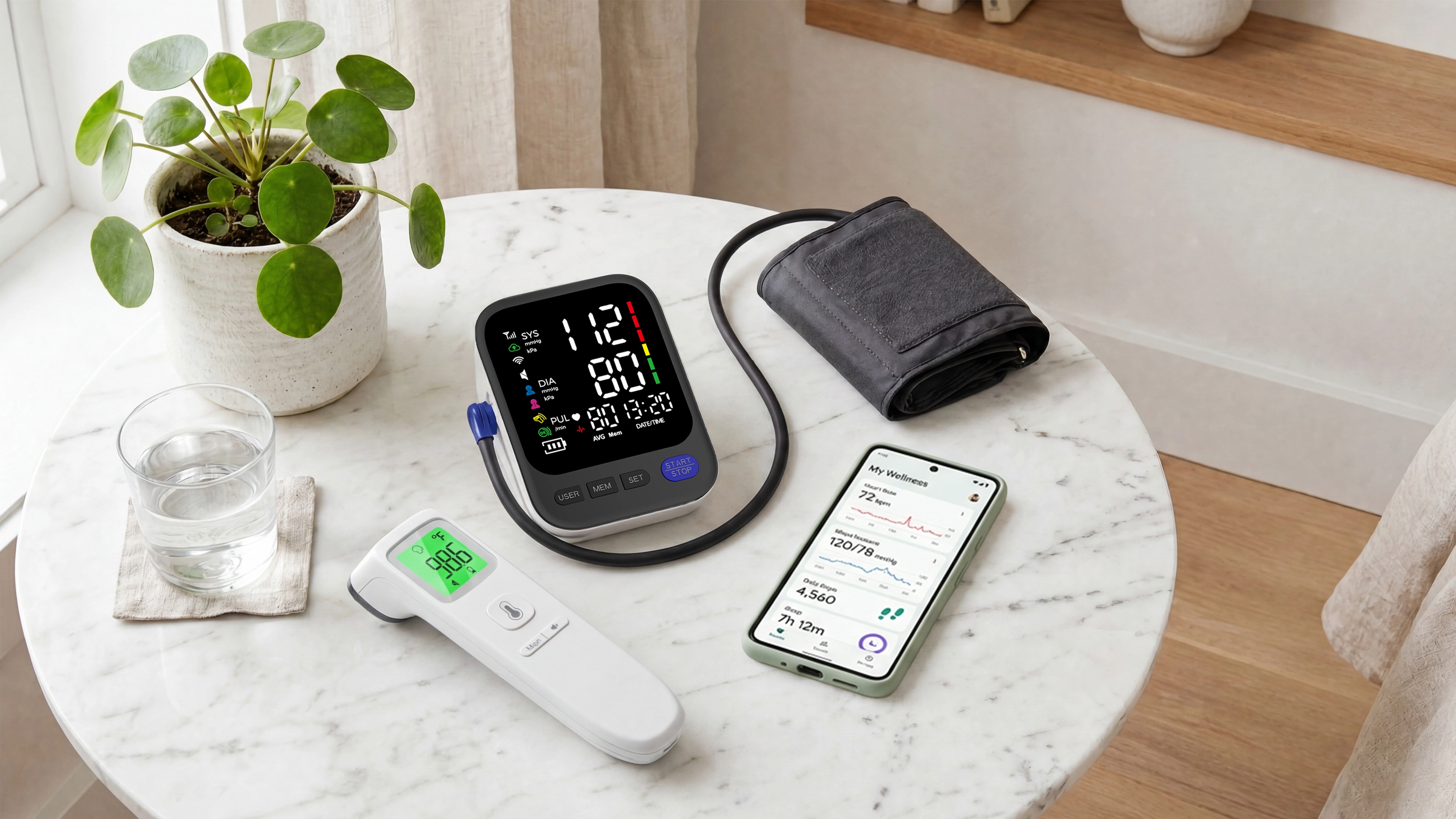
Figure 2: Modern home health monitoring setup with diagnostic devices
Summary
Selecting the right home medical device manufacturer in 2026 requires a structured, multi-dimensional evaluation. The key criteria are: international certifications (FDA, CE/MDR, ISO 13485), demonstrated OEM/ODM capability, rigorous quality control systems, active technology investment, and the capacity to build a genuine long-term partnership.
The global home medical equipment market's growth trajectory—from USD 29.74 billion in 2026 toward USD 50.82 billion by 2030—reflects an irreversible shift toward home-based healthcare. Manufacturers like Shenzhen Finicare Co., Ltd., with products like the FC-IR111 multi-function infrared thermometer and FC-BP127 blood pressure monitor, demonstrate that Chinese home medical device manufacturers can deliver world-class quality, comprehensive certifications, and genuine innovation.
For B2B buyers, the due diligence investment in selecting the right manufacturing partner will pay dividends in product quality, regulatory compliance, and long-term supply chain resilience. The framework outlined in this guide provides a repeatable process for making that critical decision with confidence.